Key Takeaways
-
Custom-made orthodontic mouthguards reduce dental injury risk from nearly 50% to just 8% in contact sports, making them essential protection for braces.
-
Always wear a mouthguard during practices, not just games, since scrimmages and contact drills carry the same injury risk as competitive play.
-
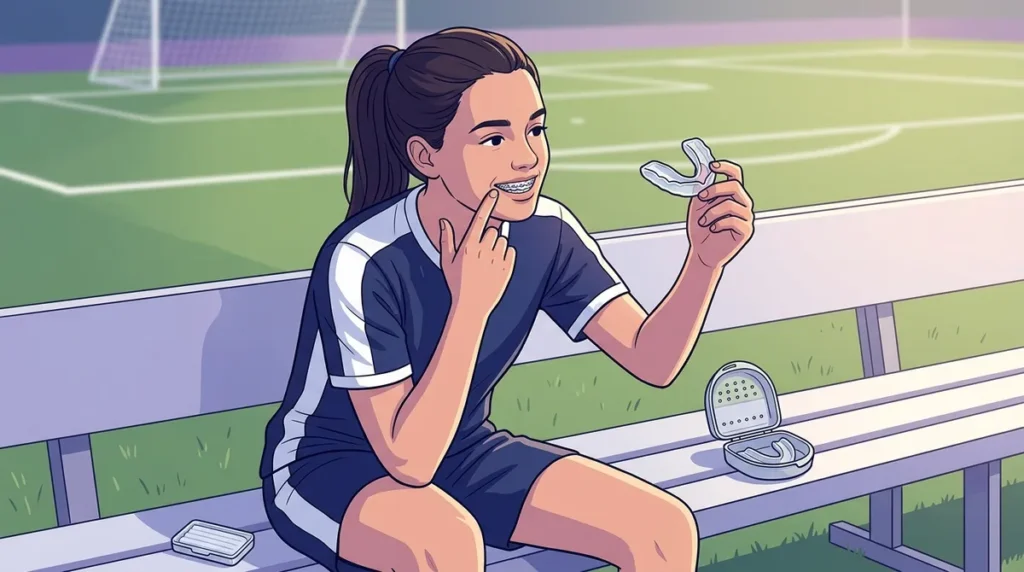
Remove clear aligners and retainers before contact sports and store them safely in a case while wearing a properly fitted sports mouthguard instead.
-
If a wire pokes out during play, cover it temporarily with orthodontic wax, stop playing, and contact your orthodontist immediately—never try to fix it yourself.
-
Clean your mouthguard with mild soap and cool water after each use, air-dry it completely, and store it in a ventilated case away from heat to prevent warping.
-
Watch for warning signs after a hard hit to the mouth including swelling, loose teeth, bleeding, or visible bracket damage, and seek dental care immediately if any occur.
Your kid just made the travel soccer team. Or maybe you’re an adult finally getting braces while still hitting the gym for basketball league every Tuesday. Either way, one question keeps popping up: can braces and sports actually mix safely? The good news is yes, they absolutely can, but only if you know how to protect that smile in progress. This guide breaks down the real difference between wearing a proper mouthguard and skipping protection altogether, so you can make the right call before the next game.
Caring for braces during sports isn’t complicated once you understand the basics. It comes down to picking the right mouthguard, keeping it clean, and knowing what to do if something goes wrong. Whether you’re a busy mom juggling practice schedules or a working professional squeezing in weekend pickleball, this article will walk you through everything you need to know. Let’s get your family’s smiles protected and game-ready.
Why Mouthguards Matter So Much More With Braces
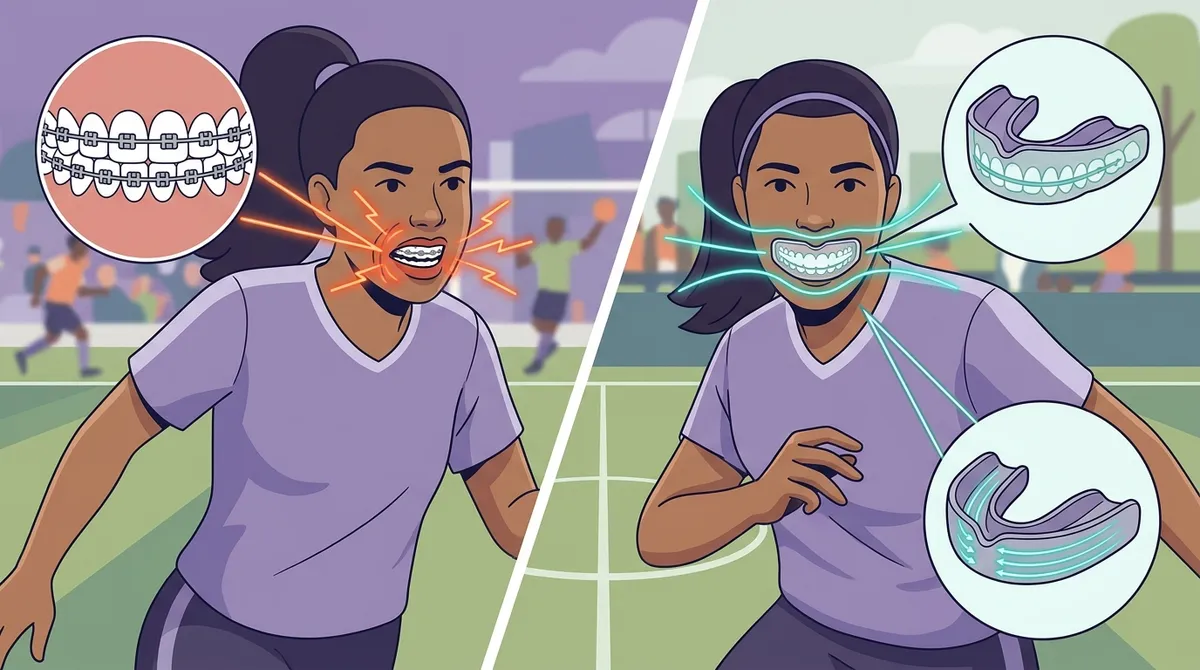
Brackets and wires are tough, but they’re not invincible. A hit to the mouth can bend wires, snap brackets, or cut your lips and cheeks against the metal. That’s a painful combo nobody wants during a big game or right before a milestone event.
Research backs this up in a big way. A 2019 review of contact-sport studies found that only 7.75% of mouthguard users experienced dental injuries, compared to 48.31% of people who skipped one. That’s a massive difference. The same review found mouthguards lowered injury risk in about 73% to 83% of the comparisons studied.
If you or your child play rugby, hockey, football, basketball, martial arts, or even skateboard around the neighborhood, a mouthguard should be part of your gear bag. It protects your lips, cheeks, gums, and of course, your braces.
No Protection vs. Orthodontic Mouthguard: The Real Comparison
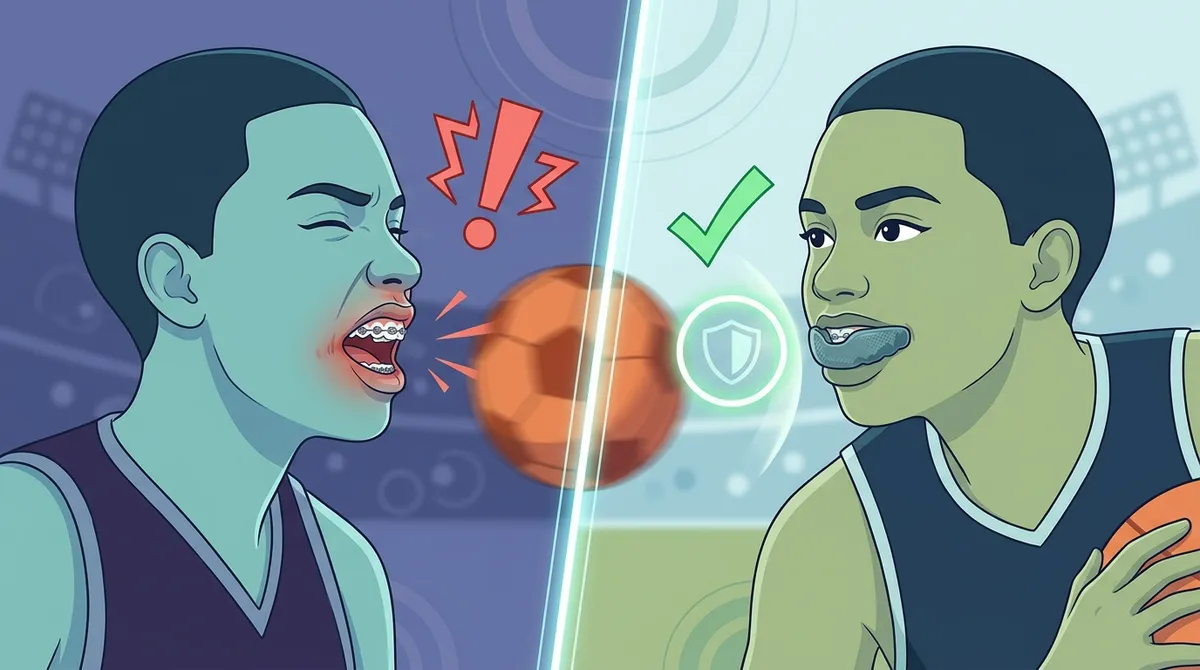
Let’s put these two options side by side so you can see exactly what’s at stake.
| Factor | No Mouthguard | Orthodontic Mouthguard |
|---|---|---|
| Injury Risk | Nearly 50% chance of dental trauma in contact sports | Around 8% chance, based on research data |
| Braces Protection | Brackets and wires exposed to impact | Covers brackets, leaves room for tooth movement |
| Comfort | No irritation from a guard, but higher pain risk from impact | Slight adjustment period, but designed for comfort |
| Fit Over Time | Not applicable | May need reshaping as teeth shift |
| Cost | Free, but risky | Reasonable investment that can prevent costly repairs |
Looking at this table, the choice feels pretty clear. A properly fitted mouthguard is a small step that can save you from a painful, expensive orthodontic emergency. If you’re not sure which guard fits your treatment stage, our team can walk you through it during a visit for all about braces care.
Types of Mouthguards for Braces: Which One Wins?
Not all mouthguards are created equal, especially when you have fixed braces. Here’s a quick rundown of your options.
- Custom-Made Mouthguards: These are made specifically for your mouth and current stage of treatment. They offer the best fit, comfort, and protection. Your orthodontist takes measurements to design one just for you.
- Boil-and-Bite Guards: These are softened in hot water, then molded to your teeth at home. They offer some protection but may not fit as well around brackets and wires. Ask your orthodontist if this type works for your treatment stage.
- Stock Mouthguards: These come pre-formed and are not customizable. They’re the least recommended option for anyone with braces since they rarely fit well and can shift during play.
An orthodontic mouthguard is built differently from a regular one. It’s designed to fit over your brackets without stopping your teeth from moving during treatment. Regular mouthguards can get tight or lose their shape as your teeth shift, so they need regular checks. This is one reason families exploring Lightforce Orthodontics or Wildsmiles Braces should ask about mouthguard fit at every adjustment visit.
What About Removable Aligners and Retainers?
If you’re using clear aligners instead of traditional braces, sports safety looks a little different. Removable appliances like aligners and retainers should generally come out before contact sports.
Here’s the deal: you don’t want to play with your aligner in your mouth. Instead, remove it, pop it into its protective case, and slide in a properly fitted sports mouthguard. Don’t wear a retainer underneath a mouthguard unless your orthodontist specifically tells you to do that.
This applies whether you’re a teen with teen orthodontic treatment or an adult managing adult orthodontics around a busy work schedule. Losing an aligner during a game is stressful and can set back your treatment timeline.
How to Clean and Store Your Mouthguard
A dirty mouthguard isn’t just gross, it can also lead to bacteria buildup and bad breath. Here’s a simple routine to keep it fresh:
- Rinse with cool water before and after every use
- Clean it a few times a week with mild soap or a soft toothbrush
- Let it air-dry completely before storing
- Keep it in a ventilated, protective case between uses
- Never store it in hot water, direct sunlight, or near heat sources, since heat can warp the shape
Check your mouthguard often for cracks, thinning spots, or chew marks. If it feels loose or doesn’t sit right anymore, it’s time for a replacement. Kids and teens who are still growing, or anyone whose teeth are actively shifting during treatment, may need a new guard more often than adults in later stages of treatment.
Steps to Take If Your Braces Break During a Game
Accidents happen, even with the best mouthguard. If a bracket snaps or a wire pokes out during practice or a game, don’t panic. Here’s what to do:
- Stop playing and check the damage in a mirror or with help from a coach or parent
- If a wire is poking your cheek or gum, cover it gently with orthodontic wax
- Do not try to cut or bend the wire yourself at home
- Avoid chewing on the affected side until you’re seen
- Contact your orthodontic office as soon as possible to schedule a repair
Wax is a temporary fix, not a repair. It just keeps things comfortable until you can get proper care. If this happens on a weekend or after hours, review our page on orthodontic emergency care so you know what steps to take next.
What to Do After a Hit to the Mouth
Sometimes the impact is more than a broken bracket. If you or your child takes a hard hit to the face, watch for these warning signs:
- Bleeding from the gums, lips, or cheeks
- A chipped, loose, or displaced tooth
- Swelling around the jaw or face
- Severe or ongoing pain
- Visible damage to brackets or wires
If any of these happen, get dental or orthodontic advice right away. Don’t wait it out, especially with facial injuries or a loose tooth. Quick action can make a big difference in how well things heal.
Sports Drinks, Snacks, and Your Braces
Staying hydrated during a game is important, but sports drinks can be rough on teeth that already have braces. Sugary and acidic drinks raise the risk of enamel erosion and cavities, especially when brackets make brushing a bit trickier.
Water is your best bet during practice and games. Stick to twice-daily brushing with fluoride toothpaste, and don’t skip cleaning between teeth. Following your orthodontist’s hygiene instructions closely will help you avoid extra appointments and keep your treatment on track. For more tips on foods and drinks to watch out for, check out our guide on common orthodontic problems caused by diet choices.
Mouthguard Design: What Actually Protects Your Smile?
Not every mouthguard offers the same level of protection. According to the British Orthodontic Society, having about 4mm of material over vulnerable areas can help absorb impact forces better. Both the American Association of Orthodontists and British Orthodontic Society recommend mouthguards for anyone in contact sports with braces, and specifically suggest an orthodontic-style guard for fixed appliances.
A well-fitted mouthguard should:
- Stay securely in place without needing constant adjustment
- Not interfere with normal breathing or speaking
- Cover brackets fully while leaving room for tooth movement
- Feel comfortable enough to wear during full practices, not just games
Dr. Flor Segovia and our team can help determine the best design for your treatment stage, whether you’re using traditional metal braces or newer digital systems. Learn more about the orthodontist behind our practice on our Orthodontist Flor Segovia page.
Practices Count Too, Not Just Game Day
It’s easy to assume mouthguards are only for actual games. But practices carry just as much risk, especially with scrimmages, drills, and contact training. Make it a habit to wear a mouthguard every single time you step onto the field, court, or rink, not just when the scoreboard is running.
This habit matters even more for kids in early orthodontic treatment, since their appliances and growing mouths need consistent protection through every phase of their sports season.
Building a Sports-Safe Routine With Your Orthodontist
The best way to stay ahead of sports-related orthodontic issues is to talk with your provider before the season starts. At Segovia Orthodontics, we help patients using board certified orthodontist-led care find the right mouthguard for their specific treatment plan and sport.
We also use advanced orthodontic technology to track how your teeth are moving, so we can tell you exactly when your mouthguard needs an update. This kind of proactive planning saves families time, stress, and unnecessary emergency visits during busy sports seasons here in Lakewood Ranch.
Curious what other Lakewood Ranch families are saying about their experience? Feel free to visit us on Google — Segovia Orthodontics to read real reviews, or check out our Facebook page and our Instagram page for smile transformation stories and tips.
Ready to Protect Your Smile This Season?
Caring for braces during sports really comes down to one simple choice: wear a properly fitted mouthguard, or risk a painful and costly setback. The data speaks for itself, mouthguard users face far lower injury rates than those who skip protection. Whether you’re managing a teen’s busy practice schedule, planning ahead for a big life event, or juggling adult orthodontics around a demanding career, a little preparation goes a long way.
If you have questions about which mouthguard fits your treatment, or if your braces need attention before the next big game, our friendly team is here to help. You can contact us anytime, or go ahead and request an appointment that fits your schedule. Prefer to talk it through first? Just call us at 941-557-1333 and we’ll help you get game-ready with confidence.
FAQs
Q: Can I play sports with braces?
A: Absolutely! Many athletes wear braces and play sports every season without any issues. The key is wearing a properly fitted orthodontic mouthguard during practices and games to keep your smile safe and sound.
Q: What type of mouthguard is best for braces?
A: Custom-made mouthguards are your best bet since they’re designed specifically for your teeth and current treatment stage. They fit comfortably over brackets while still leaving room for your teeth to keep moving.
Q: Should I remove my retainer or aligners during sports?
A: Yes, in most cases you’ll want to take out removable aligners and retainers before playing contact sports. Store them safely in their case and pop in your sports mouthguard instead, unless your orthodontist tells you otherwise.
Q: What should I do if my braces break during a game?
A: First, stay calm! Cover any poking wires with orthodontic wax, avoid chewing on that side, and reach out to your orthodontic office as soon as you can. Never try to fix or cut the wire yourself at home.
Q: How often should a braces mouthguard be replaced?
A: It really depends on growth and how much your teeth are shifting during treatment. Check it regularly for cracks or looseness, and if it stops fitting well, it’s time for a fresh one.
Our Service Area