Key Takeaways
-
The American Association of Orthodontists recommends children have their first orthodontic check-up by age 7, when they have a mix of baby and permanent teeth that reveals how their bite and jaw are developing.
-
Early orthodontic screening is not the same as starting treatment; most 7-year-olds receive a watch-and-wait plan or monitoring visits every 6-12 months rather than immediate braces.
-
Five key signs warrant an orthodontic evaluation: early or late baby tooth loss, difficulty chewing, mouth breathing or thumb-sucking, crowded or crooked teeth, and jaw imbalance or facial asymmetry.
-
Interceptive treatment between ages 7-10 guides jaw growth and creates space for permanent teeth, potentially reducing the need for major corrections and shortening future treatment time.
-
Treatment options for kids include WildSmiles braces with fun shapes to encourage brushing, LightForce 3D-printed custom brackets, and clear aligners for older children seeking discrete options.
-
Many dental insurance plans cover a portion of children's orthodontic care, and flexible financing options can spread costs over time to fit family budgets.
Is your child grinding their teeth, breathing through their mouth, or hiding their smile in photos? You are not alone, mom. So many parents in Lakewood Ranch ask the same question: when is the right time to see an orthodontist for kids? The good news is that the answer is simpler than you think, and getting it right early can save your family time, money, and worry down the road.
The American Association of Orthodontists recommends that every child have their first orthodontic check-up by age 7. That might sound early, especially if your child still has plenty of baby teeth. But this visit is not about rushing into braces. It is about catching small issues before they become big ones. Think of it like a well-child visit for your kid’s growing smile. In this article, we will walk through 5 clear signs that it is time to book that first evaluation, plus what to expect once you get there. Let’s get you and your little one on the path to a happy, healthy smile.
Why Age 7 Matters So Much
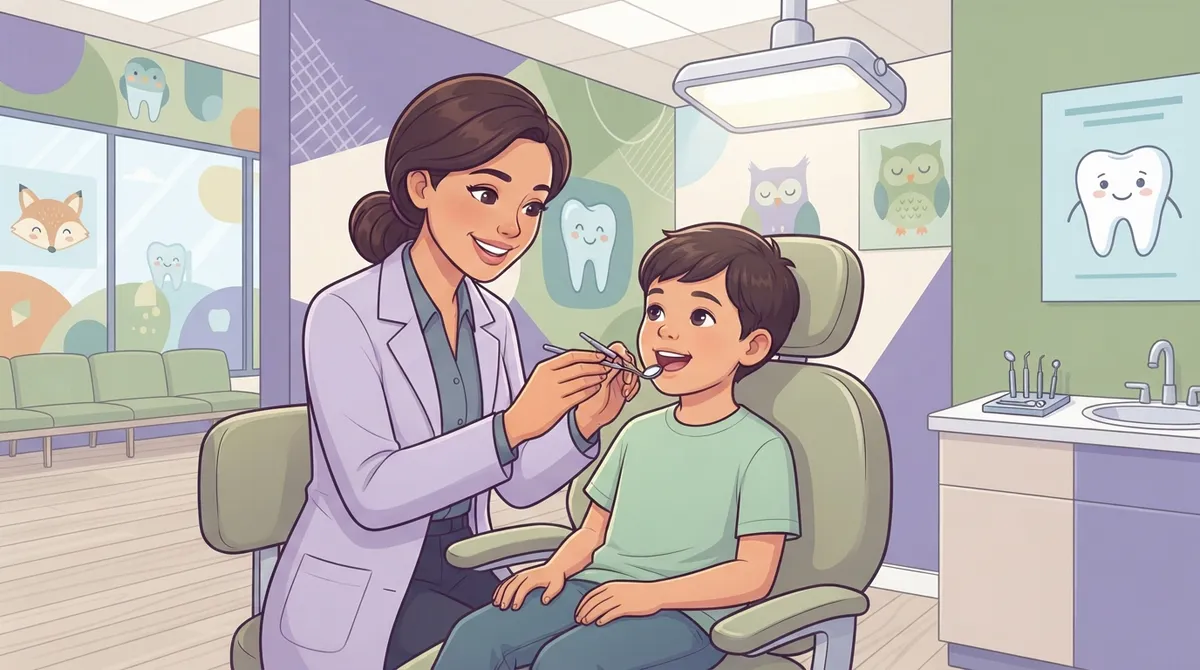
You might be wondering why age 7 is the magic number. At this age, kids usually have a mix of baby teeth and permanent teeth. Their first adult molars have typically come in, and their front teeth are erupting too. This combination gives an orthodontist a clear window into how your child’s bite and jaw are developing.
Here is the part that brings a sigh of relief to most parents: an early check-up does not mean your child needs braces right away. In fact, many kids are simply placed on a watch-and-wait plan. The orthodontist keeps an eye on things every so often until more teeth come in and the full picture becomes clear. Dr. Flor Segovia and her team often describe this stage as building a baseline, so any future changes are easy to spot.
- An early visit helps catch problems while your child’s jaw is still growing.
- It gives you peace of mind, even if no treatment is needed yet.
- It opens the door for interceptive treatment if it is truly necessary.
- It builds a relationship with an orthodontist your child trusts.
5 Signs Your Child May Need an Orthodontist for Kids
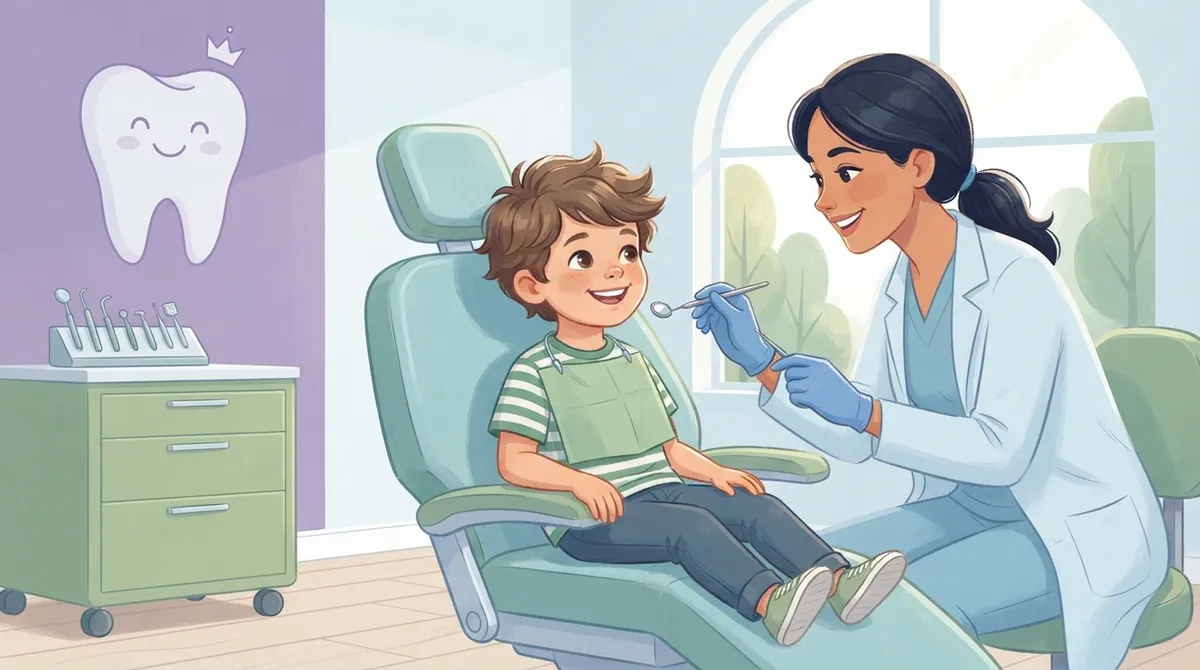
Every child grows differently, so there is no one-size-fits-all timeline. However, there are some clear signs that point to a need for an orthodontic evaluation sooner rather than later. Here are the top 5 to watch for.
1. Early or Late Loss of Baby Teeth
Baby teeth act as space holders for the adult teeth underneath. If your child loses teeth too early or holds onto them longer than expected, it can throw off the timing of permanent teeth coming in. This can lead to crowding or teeth erupting in the wrong position.
2. Difficulty Chewing or Biting
Does your child complain about food getting stuck, or do they seem to favor one side of their mouth while eating? Trouble chewing or biting can be a sign of a misaligned jaw or bite problem. This is one of the more common reasons parents seek out an first orthodontic visit for their little ones.
3. Mouth Breathing or Thumb-Sucking Habits
Persistent thumb-sucking, pacifier use past toddler years, or breathing through the mouth instead of the nose can affect how the jaw and teeth develop. These habits put pressure on growing teeth and can lead to an open bite or narrow palate over time.
4. Crowded, Blocked, or Crooked Teeth
If you notice teeth coming in sideways, overlapping, or seemingly stuck behind other teeth, that is a strong signal to schedule a visit. Crowding tends to get more noticeable as more permanent teeth erupt, and catching it early can make future treatment smoother. Learn more about common orthodontic problems that affect kids.
5. Jaws That Look Out of Balance
Take a look at your child’s profile. Does the lower jaw appear to jut forward, or does it seem to be set back too far? Facial asymmetry or jaws that appear too far forward or backward often point to a developing skeletal issue that benefits from early monitoring.
| Sign to Watch For | What It May Indicate | Why Early Action Helps |
|---|---|---|
| Early or late tooth loss | Timing issues with permanent teeth | Prevents crowding and spacing problems |
| Chewing or biting trouble | Possible bite misalignment | Improves comfort and function |
| Thumb-sucking or mouth breathing | Jaw or palate development concerns | Reduces need for major correction later |
| Crowded or blocked teeth | Not enough space in the jaw | Guides teeth into better positions early |
| Jaw imbalance | Developing skeletal discrepancy | Allows growth guidance while jaw is flexible |
Early Screening vs. Immediate Treatment: Know the Difference
It is worth repeating this because so many parents worry unnecessarily: a screening is not the same as starting treatment. Most kids who see an orthodontist at age 7 will not walk out with braces that day. Instead, the orthodontist evaluates growth patterns and decides on one of a few paths.
- No treatment needed right now, with a recommendation to check back in a year or two.
- Ongoing monitoring visits every 6 to 12 months to track development.
- Interceptive treatment to address a specific issue, like a crossbite or severe crowding.
- A referral back to your family dentist for ongoing preventive care.
Interceptive treatment, when needed, usually happens between ages 7 and 10. The goal is not to finish all orthodontic work at this young age. Instead, it is about guiding jaw growth or making room for permanent teeth to come in properly. This can set your child up for a shorter, simpler treatment phase later on. You can read more about this approach on our early orthodontic treatment page.
What Happens During a Kids’ Orthodontic Evaluation
Walking into any new appointment can feel intimidating, especially for a nervous kid. Here is what typically happens during a first visit, step by step.
- A friendly team member welcomes you and reviews your child’s dental and health history.
- The orthodontist examines your child’s teeth, bite, and jaw growth.
- Digital x-rays or scans may be taken to see what is happening beneath the gums.
- The orthodontist discusses findings with you in plain, simple language.
- You leave with a clear plan, whether that means monitoring, treatment, or nothing at all right now.
At Segovia Orthodontics, we know that a calm, welcoming environment makes all the difference for young patients. Dr. Segovia takes time to explain things clearly to both parents and kids, so nobody leaves confused or worried. Curious what your child’s first visit will look like? Check out our page on the first orthodontic visit for more details.
Treatment Options If Your Child Needs Care
If the orthodontist does recommend treatment, there are several options designed with kids in mind. Choosing the right one depends on your child’s specific needs, age, and personality.
- WildSmiles Braces come in fun shapes like stars, hearts, and even Mickey Mouse designs, making the experience exciting instead of stressful. Check out WildSmiles Braces to see the full collection.
- LightForce Braces use 3D-printed, custom-fitted brackets for a more comfortable, efficient treatment. Learn about Lightforce Orthodontics and how it can shorten treatment time.
- Clear aligners may be an option for older kids and teens who want a more discreet path to a straighter smile. Explore our clear aligners page for details.
- Orthodontic retainers help maintain results once active treatment wraps up. See our guide to orthodontic retainers for care tips.
WildSmiles is especially popular with younger kids because it turns brushing and flossing into something fun rather than a chore. The unique bracket shapes even help kids and parents see if brushing is thorough, since the shape should stay visible when teeth are clean. It is a simple, clever way to build great habits during treatment.
Two-Phase Treatment: What Parents Should Know
Some kids need what is called two-phase treatment. Phase one happens early, often between ages 7 and 10, and focuses on guiding jaw growth or creating space. Phase two comes later, usually during the preteen or teenage years, once more permanent teeth have erupted. This is when comprehensive treatment with full braces or aligners typically takes place.
Not every child needs two phases. Many kids only need one round of treatment once their permanent teeth are mostly in. The orthodontist will let you know if your child’s case calls for an early phase or if it makes more sense to wait. Either way, treatment timing depends on your child’s individual growth, the severity of the issue, and how well they can cooperate with instructions.
Orthodontist vs. Dentist: Who Does What?
It is easy to mix up the roles of a general dentist and an orthodontist, especially when you are juggling appointments for the whole family. Here is a simple breakdown to keep things straight.
| Provider | Main Focus | When to Visit |
|---|---|---|
| General or Pediatric Dentist | Cavities, cleanings, sealants, fluoride, gum health | Every 6 months, starting from early childhood |
| Orthodontist | Tooth and jaw alignment, bite correction | By age 7, then as recommended |
Your child should continue seeing their regular dentist for routine cleanings and cavity checks, even while under orthodontic care. Both providers work together to keep your child’s smile healthy from every angle. If you are unsure where to start, our Why Choose Us page explains how our team coordinates care with your family dentist.
Making the Experience Positive for Your Child
Kids pick up on parents’ energy. If you feel calm and upbeat about the visit, your child is more likely to feel the same way. Here are a few simple tips to make the experience smoother.
- Talk about the visit in a positive, matter-of-fact way ahead of time.
- Let your child pick out fun bracket shapes or colors if treatment is needed.
- Praise your child for good brushing habits during treatment.
- Celebrate small milestones, like getting used to a new retainer.
- Keep up with regular dental cleanings alongside orthodontic visits.
Dr. Flor Segovia is a board-certified orthodontist who provides bilingual care in English and Spanish, which many Lakewood Ranch families find especially comforting. Her team focuses on creating a warm, family-friendly atmosphere where kids feel comfortable asking questions. You can learn more about her background on our Orthodontist Flor Segovia page, or read about her credentials at the American Board of Orthodontics.
Real Families, Real Peace of Mind
Nothing beats hearing from other parents who have been in your shoes. Many families in our community share their experiences and photos on our Facebook page, where you can see real smile transformations and get a feel for our practice culture. You can also follow along on our Instagram page for fun updates, treatment tips, and behind-the-scenes moments from our Lakewood Ranch office.
If you want to hear directly from other parents about their experience, visit us on Google — Segovia Orthodontics to read reviews from families just like yours.
Paying for Orthodontic Care Without the Stress
Cost is often the biggest worry for parents considering orthodontic treatment. The good news is that flexible financing options exist to help make care fit your family’s budget. Many practices, including ours, offer payment plans that spread out costs over time rather than requiring one large payment upfront.
Before your child’s first visit, it can help to check with your dental insurance provider about orthodontic coverage. Some plans cover a portion of treatment, especially for children. To learn more about your options, visit our orthodontic financing page for a breakdown of what to expect.
Ready to Schedule Your Child’s Evaluation?
Your child’s smile is worth protecting, and the first step is simple: schedule that early check-up. Whether your child needs monitoring, early treatment, or just a friendly hello from our team, we are here to help every step of the way. Feel free to contact us with any questions about your child’s smile journey.
Ready to take the next step? You can easily request an appointment online, or if you prefer to talk it through first, simply call us at 941-557-1333. Our Lakewood Ranch team is ready to welcome your family with warmth, patience, and plenty of smiles along the way.
FAQs
Q: At what age should my child first see an orthodontist for kids?
A: The American Association of Orthodontists recommends a first visit by age 7. Don’t worry, this doesn’t mean braces right away. It’s simply a chance to catch any developing issues early and set a baseline for future care.
Q: Does an age-7 orthodontic evaluation mean my child needs braces?
A: Not at all! Many kids are simply monitored over time until more permanent teeth come in. Braces or aligners are only recommended if the orthodontist spots something that truly needs early attention.
Q: What signs indicate my child may need to see an orthodontist for kids?
A: Watch for early or late loss of baby teeth, trouble chewing, thumb-sucking habits, crowded teeth, or a jaw that looks out of balance. If you notice any of these, it’s a good idea to schedule a check-up.
Q: Will my child need two phases of orthodontic treatment?
A: Not every child does! Some kids need an early phase to guide growth, followed by a second phase later. Others only need one round of treatment once their permanent teeth have mostly come in.
Q: Does dental insurance cover orthodontic treatment for children?
A: Many dental plans offer some coverage for kids’ orthodontic care, though the amount varies. It’s worth checking with your provider, and our team is happy to help you explore financing options too.
Our Service Area