Key Takeaways
-
The American Association of Orthodontists recommends every child get an orthodontic evaluation by age 7, when a mix of baby and permanent teeth allows orthodontists to guide jaw growth naturally before problems become severe.
-
Early treatment with functional appliances for protruding teeth reduces new trauma rates from 30% to 19% compared to waiting until adolescence, a meaningful difference for active children.
-
Crossbites, premature baby tooth loss, persistent thumb sucking past age 5-6, and uneven jaw growth are five specific signs that warrant an early orthodontic evaluation to prevent complicated issues later.
-
Most early orthodontic evaluations result in observation-only monitoring or limited treatment with appliances like palatal expanders or space maintainers, not automatic braces for all children.
-
Two-phase treatment produces similar final results to single-phase treatment in many cases, so it's most beneficial only for high-trauma risk, severe crossbites, or complex crowding situations.
-
Flexible financing options and partial dental insurance coverage are often available for early orthodontic care, making treatment more accessible to families with budget concerns.
Ever caught yourself watching your seven-year-old smile and wondering if those teeth look… a little off? You’re not alone. Moms across Lakewood Ranch ask us this question every single week. The good news? You don’t need to panic or become an orthodontic expert overnight. You just need to know what to watch for and when to get a professional opinion. That’s exactly what early intervention orthodontics is all about—catching small problems while they’re still small, before they turn into bigger, more complicated fixes later.
Early intervention orthodontics, sometimes called interceptive orthodontics, means treating bite and jaw problems while your child still has some baby teeth. The American Association of Orthodontists recommends every child get checked by age 7. That doesn’t mean every seven-year-old needs braces. It simply means an orthodontist can spot trouble early, while there’s still time to guide growth in a helpful direction. In this article, we’ll walk through five key signs and situations that call for an early evaluation, so you can feel confident about your child’s smile journey.
Why Age 7 Matters So Much for Orthodontic Evaluations
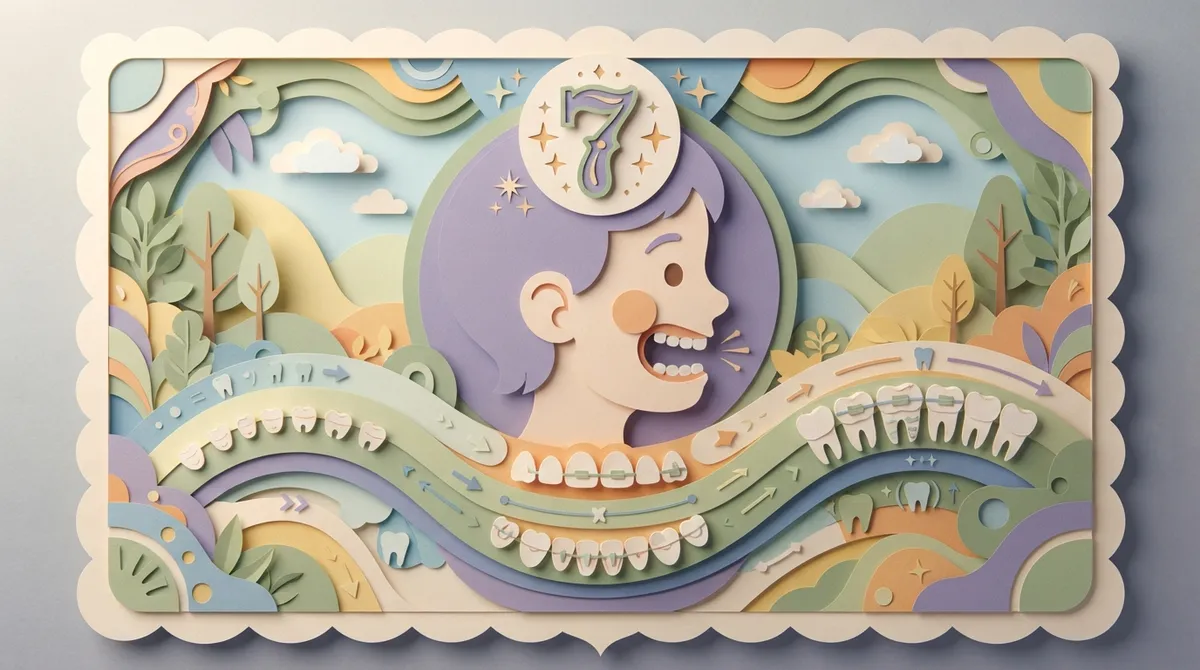
By age 7, most kids have a mix of baby teeth and permanent teeth. This “mixed dentition” stage gives an orthodontist a clear window into how the jaw and teeth are developing. Waiting until all the permanent teeth come in can mean missing the best time to guide growth naturally.
Think of it like gardening. If you notice a young tree growing crooked, it’s much easier to gently guide it straight while it’s still flexible. Wait too long, and you may need more force—or more time—to fix the same problem. That’s the idea behind early orthodontic treatment.
Here’s what makes this early check-up so valuable:
- It identifies problems while jaw bones are still growing and more responsive to guidance
- It helps create space for permanent teeth before crowding becomes severe
- It can catch harmful habits, like thumb sucking, before they cause lasting bite issues
- It gives parents a clear roadmap, even if treatment isn’t needed right away
- It reduces the risk of trauma to teeth that stick out too far
5 Signs Your Child May Benefit From Early Intervention Orthodontics
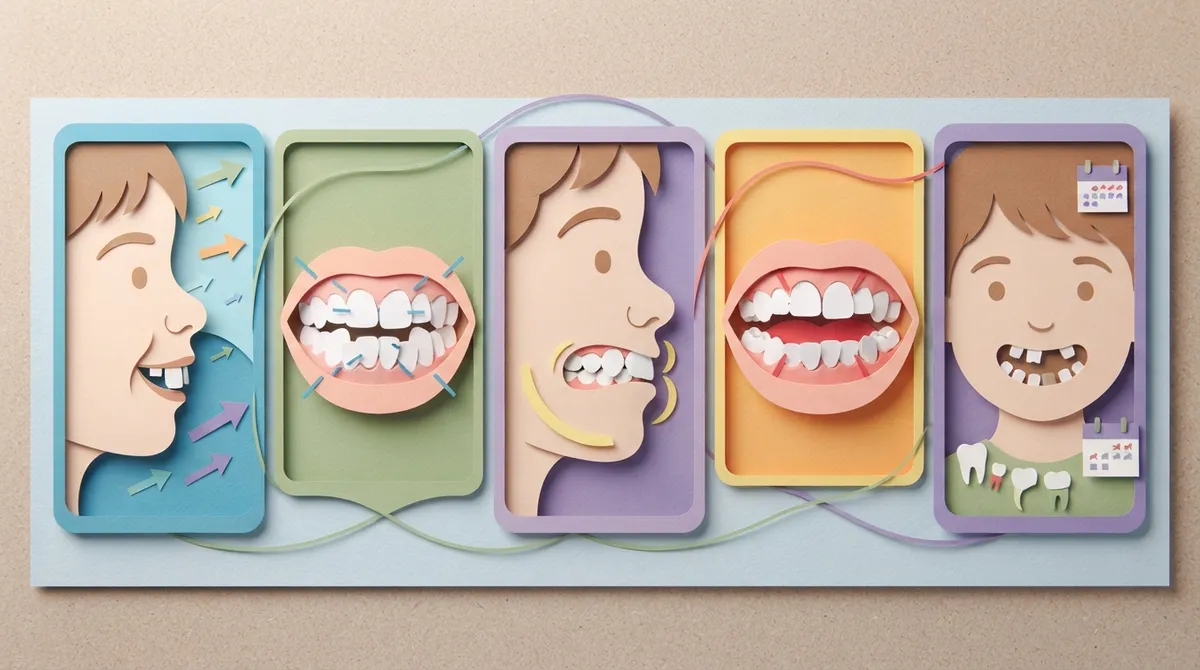
Not sure what to look for at home? Here are five common signs that suggest it’s time for a professional evaluation. If you notice any of these, don’t wait for your child’s next dental cleaning to bring it up.
1. Teeth That Stick Out Noticeably
Prominent front teeth aren’t just a cosmetic concern. Kids with protruding upper teeth face a higher risk of chipping or injuring them during play, sports, or an accidental fall. Research reviewed by Cochrane found that early treatment with functional appliances lowered new trauma rates from 30% down to 19% compared to waiting until adolescence. That’s a meaningful difference for an active kid who loves the playground.
2. A Crossbite That Doesn’t Correct Itself
A crossbite happens when the upper teeth sit inside the lower teeth instead of outside them, either in the front or on the sides. Unlike some bite issues that can resolve on their own as a child grows, crossbites often need help. Left untreated, they can cause uneven jaw growth or wear on the teeth. This is one of the clearest cases where early treatment can make a real difference.
3. Losing Baby Teeth Too Early or Too Late
Baby teeth act as placeholders for permanent teeth. When one falls out way ahead of schedule—or hangs on much longer than expected—it can throw off the whole eruption pattern. This sometimes leads to crowding, impacted teeth, or teeth coming in at odd angles. An orthodontist can use space maintainers to hold the spot open until the permanent tooth is ready.
4. Thumb Sucking or Tongue Thrusting Past Age 5 or 6
A little thumb sucking in toddlerhood is totally normal. But if the habit continues past kindergarten, it can start pushing teeth out of alignment or create an open bite. The same goes for tongue thrusting, where the tongue pushes against the front teeth during swallowing or speaking. Catching these habits early—and addressing them with the right guidance—can prevent bigger bite problems down the road.
5. Jaws That Look Unevenly Sized or Shifted
Sometimes the issue isn’t the teeth at all—it’s the jaw. If your child’s lower jaw looks like it juts forward, sits too far back, or shifts to one side when they bite down, this could point to a developing skeletal discrepancy. These jaw-growth issues tend to respond best to treatment during childhood, while bones are still growing and more moldable.
What Happens During an Early Orthodontic Evaluation
Parents often worry that a first orthodontic visit means an automatic recommendation for braces. In reality, most early evaluations lead to one of three outcomes, and none of them are scary.
- Observation only. Many kids just need periodic check-ins every six to twelve months to track how their teeth and jaws are developing.
- Limited early treatment. Some children benefit from a focused appliance, like a palatal expander or space maintainer, to correct a specific issue.
- Plan for future comprehensive treatment. The orthodontist may recommend waiting until more permanent teeth erupt, with a plan already in place for braces or clear aligners later.
During the visit, the orthodontist will typically look at how the teeth fit together, check jaw alignment, and may take digital images or X-rays to see what’s happening beneath the surface. It’s a relaxed, low-pressure appointment. To see exactly what to expect, check out our guide on the first orthodontic visit.
Common Early Treatment Options Explained
If treatment is recommended, it usually falls into a few well-established categories. Here’s a simple breakdown of what these tools actually do.
| Treatment Option | What It Does | Best For |
|---|---|---|
| Space Maintainer | Holds open space left by an early lost baby tooth | Premature tooth loss |
| Palatal Expander | Widens the upper jaw gradually over time | Narrow arches, crossbites |
| Habit Appliance | Discourages thumb sucking or tongue thrusting | Persistent oral habits |
| Limited Braces | Corrects specific teeth or minor crowding | Isolated alignment issues |
| Functional Appliance | Guides jaw growth and bite relationship | Jaw discrepancies, protruding teeth |
Dr. Flor Segovia carefully evaluates which option, if any, fits your child’s unique situation. She uses advanced orthodontic technology to get a precise picture of what’s really going on before recommending any appliance.
Two-Phase Treatment: Does Your Child Really Need It?
You may have heard the term “two-phase treatment” tossed around at the playground or in a parent Facebook group. Here’s the honest truth: it’s not automatically better for every child.
Two-phase treatment means an early treatment phase during childhood, followed by a break, and then a second phase of full braces or aligners during the teen years. A large Cochrane review of 27 studies involving over 1,200 kids found that early treatment reduced overjet by more than 4 millimeters compared to waiting. But by the time both groups finished all their treatment, the final results were often similar.
So when does two-phase treatment make sense? It’s most useful for:
- Children with a high risk of dental trauma from protruding teeth
- Kids with significant crossbites affecting jaw development
- Cases involving severe crowding or ectopic tooth eruption
- Situations where waiting could make treatment far more complicated later
Learn more about how this process works in our detailed breakdown of two-phase orthodontic treatment and whether your child truly needs it.
Weighing the Pros and Cons of Starting Early
Like any medical decision, early treatment comes with trade-offs. It’s worth being honest about both sides before moving forward.
Potential Benefits
- Reduces risk of trauma to prominent front teeth
- Creates space for crowded permanent teeth
- Corrects harmful crossbites during active growth
- Addresses damaging oral habits before they cause lasting harm
- May simplify or shorten a second phase of treatment later
Potential Drawbacks
- Longer total treatment time across both phases
- More appointments and added cost over the years
- Possible discomfort from appliances
- Extra attention needed for oral hygiene around appliances
- A second phase may still be required regardless
This is exactly why a proper evaluation matters so much. An experienced orthodontist weighs these factors against your child’s specific needs, rather than applying a one-size-fits-all approach.
Making Treatment Fun for Kids Who Need Early Care
If your child does need an appliance or limited braces, the experience doesn’t have to feel like a chore. At our office, we offer WildSmiles Braces, which feature fun bracket shapes like stars, hearts, and even Mickey Mouse designs. Kids who enjoy their braces are more likely to brush well, floss regularly, and stick to their treatment plan.
For families wanting a more discreet, tech-forward option, LightForce Orthodontics uses 3D-printed, custom-fitted brackets designed specifically for each tooth. This precision can mean faster, more comfortable treatment for kids who are ready for a more traditional approach.
Questions to Ask During Your Child’s First Visit
Walking into an orthodontic office can feel intimidating if you don’t know what to ask. Here’s a simple list of smart questions to bring along:
- Does my child need treatment now, or should we monitor and wait?
- What specific problem are you seeing, and how does it affect long-term development?
- What treatment options are available, and what are the pros and cons of each?
- How long will this phase of treatment likely take?
- Will my child need a second phase of treatment later?
- What does this cost, and are payment plans available?
Bringing a written list helps you stay organized and ensures you don’t forget anything important once you’re in the chair. For more guidance, check out our article on how to ask the right orthodontic questions at your visit.
Cost and Financing for Early Orthodontic Care
Cost is often the biggest worry for parents considering early treatment. The good news is that many practices, including ours, offer flexible financing to spread out payments over time. Some dental insurance plans also provide partial coverage for orthodontic treatment, especially when it’s medically necessary rather than purely cosmetic.
We recommend asking about orthodontic financing options during your first visit so there are no surprises later. Being upfront about your budget helps the orthodontic team suggest a plan that truly works for your family.
Why Choose a Family-Focused Practice for Early Care
Choosing the right orthodontist matters just as much as choosing the right treatment. You want a team that communicates clearly, treats your child with patience, and makes the whole family feel comfortable. At Segovia Orthodontics, Dr. Flor Segovia provides bilingual care in English and Spanish, creating a warm environment for families throughout Lakewood Ranch.
Curious what other families in the area have experienced? You can visit us on Google to see Segovia Orthodontics reviews and get a feel for what to expect. You can also follow along on our Facebook page or check out smile transformations on our Instagram page for a closer look at real patient journeys.
Dr. Segovia is also board-certified through the American Board of Orthodontics, which means she’s met rigorous standards for skill and knowledge in the field. That credential gives parents extra peace of mind when trusting her with their child’s developing smile. To learn more about her background, visit our page on Dr. Flor Segovia.
Your Next Step Toward Peace of Mind
Here’s the bottom line: you don’t have to guess whether your child’s smile needs attention. A simple evaluation can either put your mind at ease or set your child up for a smoother, easier treatment journey down the road. Waiting rarely makes bite problems better on its own, but catching them early can make a real difference.
If you’ve noticed any of the five signs we covered today, or you’re just curious about where your child stands, we’d love to see you. Feel free to request an appointment at our Lakewood Ranch office, or call us at 941-557-1333 to ask any questions before booking. Your child’s healthiest, most confident smile might be closer than you think.
FAQs
Q: What is early intervention orthodontics?
A: Early intervention orthodontics means treating bite, jaw, or tooth-position problems while your child still has some baby teeth. Instead of waiting until all permanent teeth come in, an orthodontist steps in during the mixed-dentition years to guide growth in a healthier direction. It’s all about catching small issues before they turn into bigger ones.
Q: What age should a child first see an orthodontist?
A: The American Association of Orthodontists recommends a first check-up by age 7. That doesn’t mean your child will need braces at 7—many kids just need monitoring. But this visit gives an orthodontist a chance to spot problems early, while there’s still time to make a meaningful difference.
Q: Does every child need orthodontic treatment at age 7?
A: Not at all! Most kids who get evaluated at age 7 simply need periodic check-ins as they grow. Only children with specific issues, like crossbites or severe crowding, typically need early treatment. Think of the age-7 visit as a helpful check-in, not a guaranteed ticket to braces.
Q: Is early orthodontic treatment better than waiting until the teen years?
A: It depends on the problem. Research shows early treatment works especially well for reducing trauma risk in kids with protruding front teeth and correcting certain crossbites. But for many other issues, waiting until adolescence produces similar final results, so it really comes down to your child’s individual needs.
Q: How much does early intervention orthodontics cost, and is it covered by insurance?
A: Costs vary depending on the type of treatment your child needs, from simple space maintainers to more involved appliances. Some dental insurance plans offer partial coverage, and many orthodontic offices, including ours, provide flexible financing options. We recommend discussing your specific situation during your child’s first visit so we can find a plan that fits your budget.
Our Service Area