Key Takeaways
-
A crossbite occurs when upper teeth sit inside lower teeth instead of outside them, and it affects 7.8-9% of children and teens; early professional evaluation by age 7 is crucial since self-correction rates vary widely from 12-77%.
-
Untreated crossbites can cause uneven tooth wear, asymmetrical jaw growth, gum recession, TMJ-related jaw pain, and speech or chewing difficulties, making early intervention important.
-
Treatment options vary by age and severity: palatal expanders for growing children with narrow upper jaws, traditional braces or clear aligners for teens and adults, and surgery combined with braces for severe skeletal cases.
-
Three main causes of crossbites exist: dental (tooth position), skeletal (narrow upper jaw), and functional (jaw shifts when closing); genetics, thumb sucking, pacifier use, and breathing problems also contribute.
-
Early treatment can guide jaw growth while children are developing and may result in shorter, simpler treatment processes later, plus options like LightForce Orthodontics can move teeth 45% faster for time-sensitive events.
-
Watch for warning signs including jaw shifting to one side during biting, uneven tooth wear, facial asymmetry, and jaw clicking; professional diagnosis uses visual exams, digital scans, X-rays, and functional assessments.
Have you ever noticed your child biting down and their top teeth tuck inside their bottom teeth instead of overlapping them? Or maybe you’ve felt your own jaw shift slightly when you chew? That’s often a sign of a crossbite, and you’re definitely not alone in wondering what it means. Crossbite orthodontics is one of the most common concerns we see at our Lakewood Ranch office, and the good news is that it’s also one of the most treatable.
Whether you’re a mom keeping an eye on your seven-year-old’s growing smile, a busy professional noticing a shift in your bite as an adult, or someone getting ready for a big life event and wanting straighter teeth, this guide is for you. We’ll walk through what a crossbite actually is, why it happens, and the treatment paths that can bring your bite back into balance. Dr. Flor Segovia and our team see families of every age, and we love helping patients understand their smiles better.
What Is a Crossbite, Exactly?
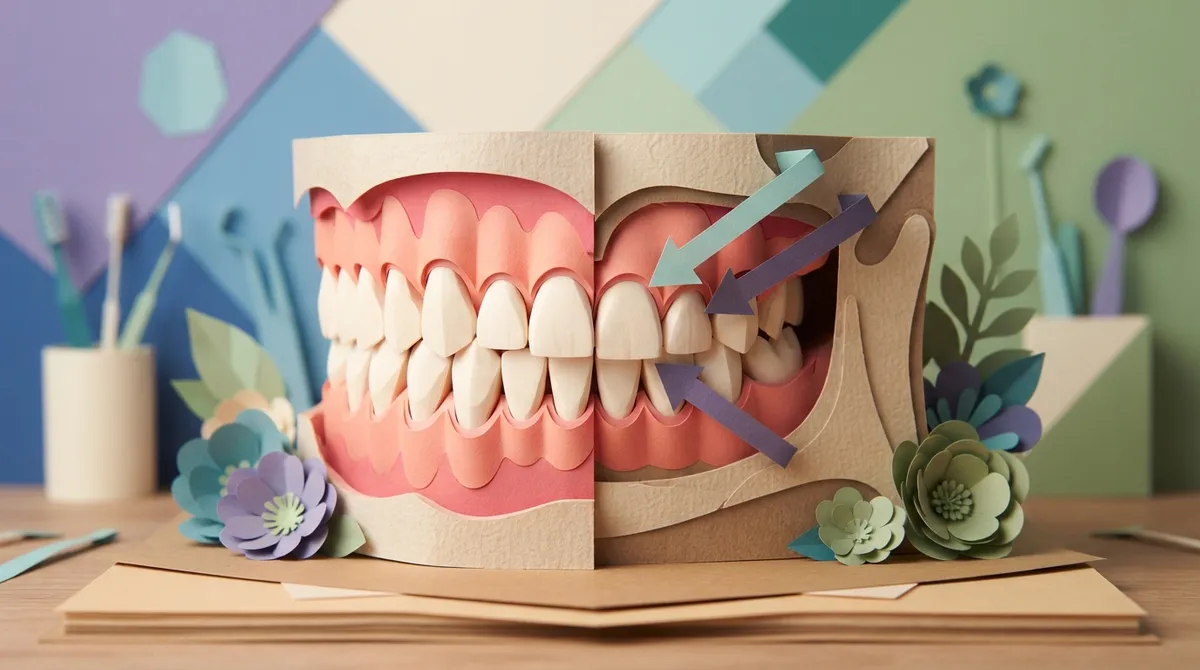
A crossbite is a type of bite misalignment. Normally, your upper teeth sit slightly outside your lower teeth when you bite down. With a crossbite, one or more upper teeth actually sit inside the lower teeth instead. According to the American Board of Orthodontics, this kind of misalignment can affect just one tooth, several teeth, or even one whole side of the mouth.
Crossbites can show up in different spots:
- Anterior crossbite: This affects the front teeth, where an upper front tooth bites behind a lower front tooth.
- Posterior crossbite: This affects the back teeth, often linked to a narrow upper jaw.
- Unilateral crossbite: This happens on just one side of the mouth, sometimes along with a jaw shift.
- Bilateral crossbite: This affects both sides of the mouth evenly.
Research reviewed by the American Association of Orthodontists shows crossbites are fairly common. A 2022 systematic review found average rates of about 7.8% for anterior crossbites and 9.0% for posterior crossbites in children and teens, with some crossbites involving a functional jaw shift showing up in around 12.2% of cases. These numbers can vary quite a bit depending on the population studied, which is exactly why a personal evaluation matters more than any single statistic.
What Causes a Crossbite?
Crossbites don’t have just one cause. They usually fall into a few categories, and figuring out which type you’re dealing with helps guide treatment.
Dental Crossbites
Sometimes it’s simply about tooth position. A tooth might have erupted at an odd angle or in a crowded spot, causing it to sit incorrectly against the opposing teeth.
Skeletal Crossbites
Other times, the issue is with the jaw itself. If the upper jaw is narrower than the lower jaw, the teeth won’t line up properly no matter how straight each individual tooth is.
Functional Crossbites
In some cases, the lower jaw shifts to one side when the mouth closes, which can make a crossbite look worse than it actually is at rest. This functional shift is something we check carefully during an evaluation, since it changes how we approach treatment.
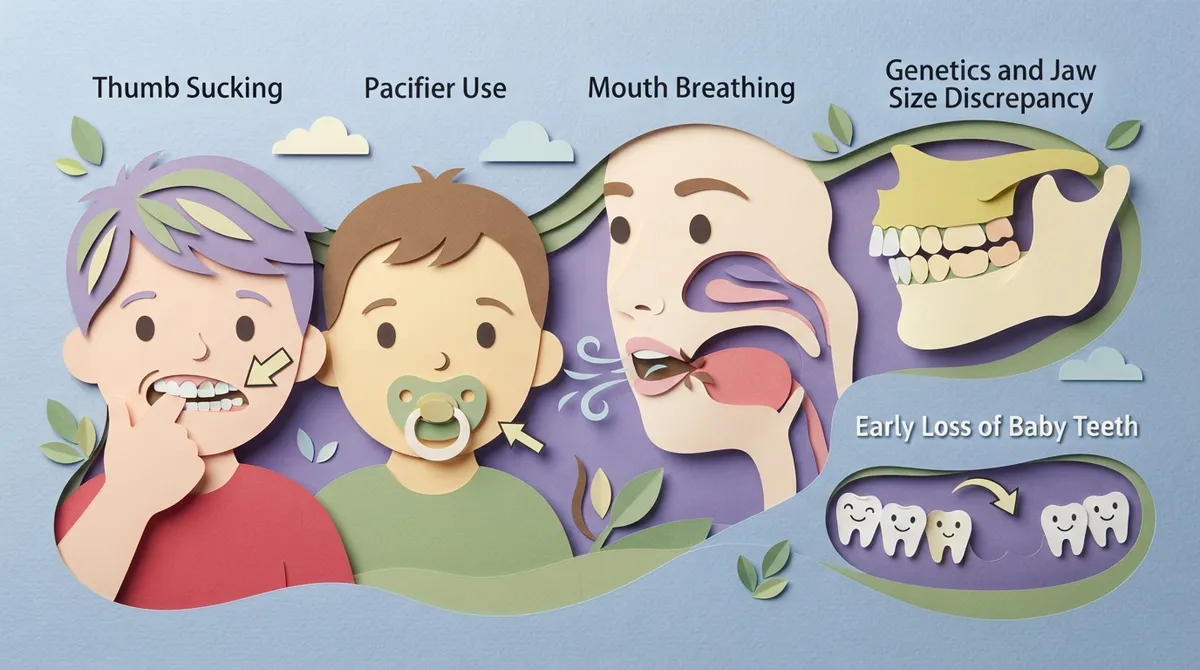
Genetics play a role too. If mom or dad had a narrow jaw or a bite issue, kids may inherit a similar pattern. Other contributing factors include prolonged thumb sucking, extended pacifier use, or breathing problems that affect how the jaw develops. Understanding these root causes is part of what makes a thorough orthodontic evaluation so valuable.
Does a Crossbite Need Treatment, or Will It Fix Itself?
This is one of the most common questions we hear from parents, and it’s a fair one. The honest answer is: it depends. A 2023 systematic review found that self-correction rates for posterior crossbites during the shift from baby teeth to mixed dentition ranged widely, anywhere from about 12% to 77%, depending on the study. That’s a huge range, which tells us it’s really not something to guess about at home.
The American Academy of Pediatric Dentistry recommends addressing crossbites that aren’t expected to self-correct as early as reasonably possible. Left untreated, a crossbite can lead to:
- Uneven tooth wear over time
- Jaw growth that develops asymmetrically
- Gum recession on the affected teeth
- Jaw pain or clicking, sometimes related to TMJ issues
- Speech or chewing difficulties in more severe cases
This is why we always recommend having a professional take a look rather than waiting to see what happens. If you’re curious about common signs, our page on common orthodontic problems is a helpful starting point.
When Should a Child See an Orthodontist for a Crossbite?
The American Association of Orthodontists recommends every child have their first orthodontic check-up by age 7, or sooner if a parent or dentist notices a problem. This isn’t because every seven-year-old needs braces right away. It’s because early evaluation lets us catch developing issues, like a narrow jaw, while there’s still growth to work with.
For concerned moms juggling school pickups, sports practices, and everything in between, we know flexible scheduling matters. Our team works hard to make first orthodontic visits simple and low-stress for the whole family. Early treatment can sometimes mean a shorter, simpler process later on, since we can guide jaw growth while your child is still developing.
Signs to Watch For
- Your child’s jaw shifts to one side when they bite down
- Upper teeth sit noticeably inside the lower teeth on one or more sides
- Uneven wear on certain teeth
- Facial asymmetry that seems to be getting more noticeable
- Complaints of jaw clicking or discomfort while chewing
How We Diagnose a Crossbite
At Segovia Orthodontics, diagnosing a crossbite involves more than just a quick look in the mouth. Dr. Segovia uses advanced orthodontic technology to get a full picture of what’s happening with your bite, jaw position, and growth pattern.
Here’s generally what the process looks like:
- A visual and hands-on exam of your bite and jaw movement
- Digital scans or X-rays to evaluate jaw structure and tooth positioning
- A check for any functional shift when you close your mouth
- A review of your growth stage, especially important for kids and teens
- A conversation about your goals, whether that’s comfort, appearance, or long-term dental health
This detailed approach helps us tell the difference between a true skeletal issue and a dental one that shifts the jaw during closure. Getting this right from the start means a more accurate treatment plan.
Crossbite Treatment Options
The right treatment depends on your age, the type of crossbite, and how severe it is. Here’s a general breakdown of what we typically consider:
| Treatment Option | Best For | How It Helps |
|---|---|---|
| Palatal Expander | Growing children and teens with a narrow upper jaw | Gradually widens the upper jaw using remaining growth |
| Traditional Braces | Kids, teens, and adults with dental crossbites | Repositions individual teeth into proper alignment |
| Clear Aligners | Teens and adults with mild to moderate cases | Discreetly shifts teeth using a series of custom trays |
| Combined Surgery + Braces | Adults with severe skeletal discrepancies | Corrects jaw position surgically alongside orthodontic movement |
For growing kids, a palatal expander is often the go-to option because it takes advantage of natural jaw development. For teens balancing sports, social events, and school, we also offer engaging options like WildSmiles Braces, which let kids choose fun bracket shapes while correcting their bite.
For young professionals and career-focused adults who want a more discreet path, clear aligners can be a great fit for mild to moderate crossbites. And for patients who want precision with a nearly invisible look, LightForce Orthodontics uses fully digital, custom-designed brackets that can move teeth up to 45% faster than traditional approaches, which is a huge plus if you’re preparing for a wedding, graduation, or new job.
What About Severe Adult Cases?
Some adults come to us with crossbites that were never treated in childhood. If the jaw discrepancy is significant, orthodontic treatment combined with jaw surgery may be recommended. This isn’t the norm for most patients, but it’s an option worth discussing during a consultation if your case is more complex. If you previously had orthodontic treatment and notice your bite has shifted again, this is sometimes called relapse, and it’s very treatable. Check out our page on adult orthodontics to learn more about your options.
Life-Changing Moments and Crossbite Correction
We often work with young adults preparing for milestones like weddings, graduations, or big career moves who want a straighter, more confident smile before the big day. If that sounds like you, it’s worth starting the conversation early since treatment timelines vary based on your specific bite. Options like avoiding common adult orthodontics mistakes can help you plan a timeline that actually works for your event.
Caring for Your Smile During Treatment
No matter which treatment path you choose, a few simple habits go a long way:
- Keep up with regular cleanings and checkups during treatment
- Wear any expander, retainer, or aligner exactly as instructed
- Reach out promptly if something feels loose, broken, or unusually uncomfortable
- Ask questions at every visit so you understand your progress
If you ever run into an unexpected issue, like a loose wire or expander discomfort, our orthodontic emergency page walks you through what to do next.
Why Choose Segovia Orthodontics for Crossbite Care
Dr. Flor Segovia is a board-certified orthodontist who provides bilingual care in English and Spanish, which makes a real difference for many Lakewood Ranch families. Our practice focuses on creating a warm, welcoming environment where kids feel comfortable and adults feel respected and heard. Learn more about her background on our Orthodontist Flor Segovia page, or see why so many local families trust us on our Why Choose Us page.
We also know cost is a real concern for many families, so we offer flexible orthodontic financing options to make treatment more manageable. You can also read what our patients say by visiting our Facebook page or following along on our Instagram page for real patient stories and smile transformations. You can also see what our Segovia Orthodontics patients say by checking out Visit us on Google — Segovia Orthodontics.
Ready to Get Your Bite Checked?
Whether you’re watching your child’s smile develop, noticing a shift in your own bite, or preparing for a big life event, a crossbite evaluation is a smart, simple first step. Our team at Lakewood Ranch is here to answer your questions with warmth and honesty, not pressure. Feel free to contact us to learn more about your options, or go ahead and request an appointment to get started. You can also simply call us at 941-557-1333 and our friendly staff will help you find a time that works for your schedule. We can’t wait to help you or your family feel confident about your smile.
FAQs
Q: What is a crossbite, and how is it different from an underbite?
A: A crossbite happens when one or more upper teeth sit inside the lower teeth instead of outside them, and it can affect just the front, the back, or one side of the mouth. An underbite is different because it involves the entire lower jaw sitting further forward than the upper jaw. Both are bite issues, but they involve different tooth and jaw relationships, so treatment approaches often differ too.
Q: Can a crossbite correct itself without treatment?
A: Sometimes, yes, especially in young children whose jaws are still developing. But research shows self-correction rates vary widely, from around 12% to over 70% in some studies, so it’s really not something you want to leave to chance. The safest bet is always a professional evaluation so you know exactly what you’re dealing with.
Q: When should my child see an orthodontist about a crossbite?
A: The American Association of Orthodontists recommends an initial check-up by age 7, or sooner if you notice a problem like a jaw shift or uneven bite. Early evaluation doesn’t mean immediate treatment for every child, but it does mean we can catch issues while there’s still growth to work with, which often makes future treatment simpler.
Q: Can adults still get crossbite treatment, or is it too late?
A: It’s absolutely not too late! Many adults come to us with crossbites that were never addressed, or ones that relapsed after earlier treatment. Depending on severity, options range from braces or clear aligners to, in more complex skeletal cases, treatment combined with jaw surgery.
Q: What treatments actually fix a crossbite?
A: It really depends on your specific case. Growing kids often benefit from a palatal expander to widen a narrow upper jaw, while teens and adults might use traditional braces or clear aligners to shift individual teeth into place. Severe adult skeletal cases occasionally need surgery paired with orthodontic treatment for the best long-term result.
Our Service Area