Key Takeaways
-
The American Association of Orthodontists recommends every child receive an orthodontic check-up by age 7, when they have a mix of baby and permanent teeth, allowing early detection of potential issues like crowding, bite problems, or improper jaw growth.
-
Early orthodontic screening at age 7 does not mean immediate braces; most children fall into a 'watch and wait' category with regular monitoring, while only some benefit from interceptive treatment to guide growth while baby teeth are still present.
-
Two-phase treatment (Phase 1 ages 7-10 for growth guidance, Phase 2 ages 11-14 for comprehensive alignment) is not universal; many children only need one round of treatment once permanent teeth have fully erupted.
-
Warning signs warranting earlier orthodontic visits before age 7 include difficulty chewing, teeth not meeting correctly, jaw clicking, thumb sucking past age 5, severe crowding, abnormal tooth loss timing, or speech issues related to teeth/jaw position.
-
Modern treatment options like WildSmiles braces (customizable shapes), LightForce 3D-printed braces, and clear aligners for responsible teens offer more comfort and appeal than traditional braces, increasing compliance with oral hygiene.
-
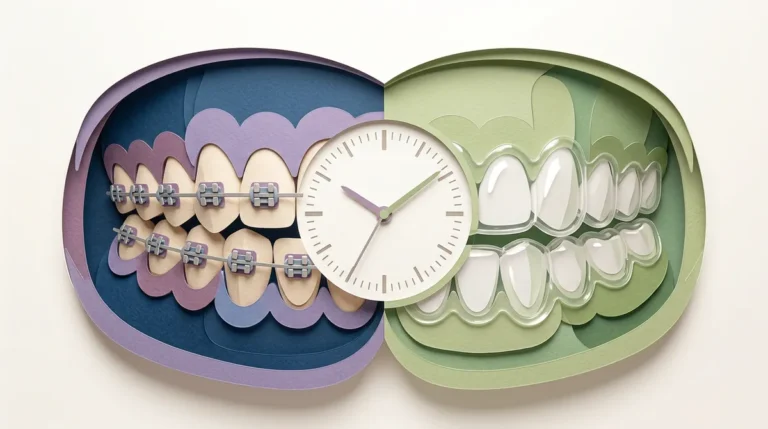
Treatment duration varies: interceptive treatment typically takes 6-18 months, comprehensive braces 18-30 months, and clear aligners 12-24 months, with ongoing retainer wear required to maintain results long-term.
If you’re a mom scrolling through your phone late at night, wondering whether your 7-year-old’s crooked front teeth are something to worry about, take a breath. You’re not alone, and you’re definitely not overreacting. Child orthodontics can feel confusing, especially when friends have wildly different stories about when their kids started treatment. Some got braces at age 8, others waited until their teens, and you’re left wondering what’s right for your own family.
Here’s the good news: there’s actually a clear, expert-backed answer to when your child should first see an orthodontist. And spoiler alert, it doesn’t always mean braces right away. This guide walks you through everything you need to know about child orthodontics, from the first screening to understanding what treatment (if any) might come next. At Segovia Orthodontics, we see families every day who just want clear, honest guidance, and that’s exactly what we’re here to give you.
Why Age 7 Matters So Much in Child Orthodontics
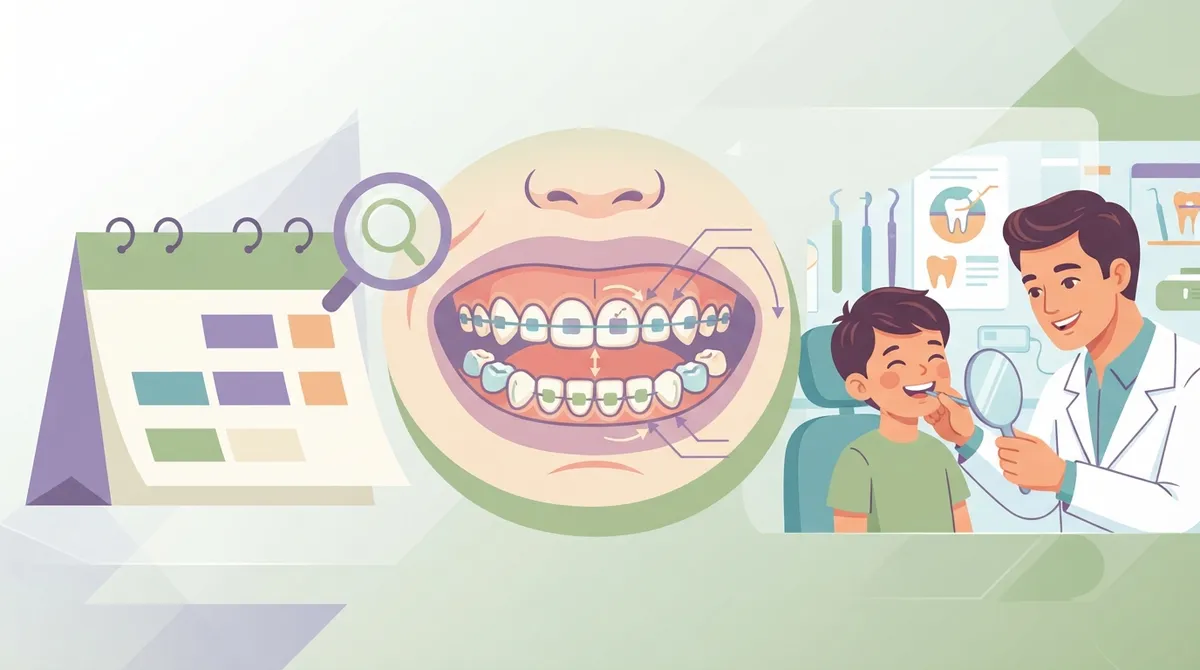
The American Association of Orthodontists recommends that every child get an orthodontic check-up by age 7. This isn’t a random number pulled out of thin air. By this age, most kids have a mix of baby teeth and permanent teeth. This combination gives an orthodontist a clear window into how your child’s smile is developing.
Think of it like a home inspection before you buy a house. You want someone experienced to look at the foundation early, even if you’re not planning renovations yet. The same logic applies here. An early look lets Dr. Flor Segovia catch potential issues while there’s still time to guide growth in a helpful direction.
During this early evaluation, an orthodontist can check for:
- How the first permanent molars and incisors are coming in
- Whether there’s crowding or extra spacing between teeth
- Signs of an improper bite, like an overbite or underbite
- How the jaw is growing compared to normal patterns
- Any habits, like thumb sucking, that might affect tooth position
Does Age 7 Mean Your Child Needs Braces Right Now?
This is probably the biggest myth out there, and we want to clear it up right away. Seeing an orthodontist at age 7 does not mean your child will walk out with a mouth full of metal. In fact, most 7-year-olds who get screened don’t start treatment immediately.
An early visit usually leads to one of three outcomes:
- No treatment needed right now. Everything looks like it’s developing normally, and your child just needs regular dental checkups.
- Watch and wait. The orthodontist sees something worth monitoring, so you’ll come back periodically to track progress.
- Early treatment is recommended. There’s a specific issue that benefits from being addressed now, while your child still has some baby teeth.
Most families land in that middle category. It’s kind of like keeping an eye on a plant that’s growing a little sideways. Sometimes it straightens out on its own, and sometimes it needs a little support.
What Early or Interceptive Treatment Actually Looks Like
When early treatment is recommended, it’s often called interceptive treatment. This phase focuses on guiding growth rather than achieving a perfectly finished smile right away. Think of it as laying groundwork, not finishing touches.
Common goals of early treatment include:
- Guiding jaw growth in a healthier direction
- Creating or holding space for permanent teeth that haven’t come in yet
- Correcting a crossbite before it causes uneven wear
- Reducing harmful habits like prolonged thumb sucking
- Managing teeth that are erupting in the wrong position
You can learn more about how this works on our early orthodontic treatment page, where we break down exactly what interceptive care involves at our Lakewood Ranch office.
Warning Signs That Suggest an Earlier Visit
You don’t have to wait until age 7 if something seems off before then. Trust your gut here. Parents often notice things dentists or orthodontists appreciate hearing about.
Consider scheduling a visit sooner if you notice any of these signs:
- Difficulty chewing or biting food comfortably
- Teeth that don’t meet correctly when your child bites down
- Jaws that shift or make sounds when opening and closing
- Thumb sucking that continues past age 5
- Teeth crowding so much they overlap
- Losing baby teeth very early or very late compared to peers
- Speech issues that seem tied to tooth or jaw position
If any of these sound familiar, it’s worth booking a consultation sooner rather than later. You can always request an appointment to get a professional opinion and peace of mind.
Phase 1 vs Phase 2: Understanding Two-Stage Treatment
One thing that confuses a lot of parents is the idea of “two-phase” treatment. Let’s break it down simply.
| Treatment Phase | Typical Age | Main Goal |
|---|---|---|
| Phase 1 (Early/Interceptive) | Ages 7-10 | Guide jaw growth, create space, fix early bite issues |
| Resting Period | Ages 10-12 | Monitor as permanent teeth continue erupting |
| Phase 2 (Comprehensive) | Ages 11-14 | Align all permanent teeth with braces or aligners |
Not every child needs two phases. Many kids only need one round of comprehensive treatment once most of their permanent teeth have come in. The decision always depends on your child’s specific dental development, not a one-size-fits-all timeline.
What Happens During the First Orthodontic Consultation
Walking into a new office with your child can feel a little nerve-wracking, especially if you’re not sure what to expect. Here’s a simple rundown of what typically happens during that first visit.
- A friendly team member will review your child’s medical and dental history.
- The orthodontist performs a clinical exam, checking teeth, jaw alignment, and bite.
- Photographs or digital scans may be taken to document current tooth positions.
- X-rays might be used if needed to see what’s happening beneath the gum line.
- You’ll get a clear explanation of findings and next steps, whether that’s monitoring or starting treatment.
We know first visits can feel like a lot, which is why our team walks you through every step. Check out our page on the first orthodontic visit to see exactly what to expect before you even walk through our doors.
Treatment Options for Kids Who Need Braces
If your child does need treatment, the good news is that today’s options are more comfortable and even fun compared to years past. Here are some choices you might consider.
WildSmiles Braces
These braces let kids choose fun bracket shapes like stars, hearts, footballs, or even Mickey Mouse designs. Kids who are excited about their braces tend to brush more consistently and take better care of their smile. You can browse the full lineup on our WildSmiles braces page.
LightForce Braces
For families wanting a more advanced, custom-fit option, LightForce braces use 3D printing technology to create brackets designed specifically for your child’s teeth. This can mean faster treatment and a more comfortable fit. Learn more about this technology on our LightForce Orthodontics page.
Clear Aligners for Older Kids and Teens
Some older children and teens prefer a nearly invisible option. Clear aligners can be a great fit for responsible kids who are diligent about wearing them as directed. Visit our clear aligners page to see if this option might work for your family.
Braces or Clear Aligners: Which Is Right for Your Child?
| Factor | Traditional Braces | Clear Aligners |
|---|---|---|
| Best for | Complex bite issues, younger kids | Mild to moderate cases, responsible teens |
| Visibility | More noticeable (unless clear brackets chosen) | Nearly invisible |
| Compliance needed | Low, brackets are fixed | High, must wear 20-22 hours daily |
| Fun factor | Customizable colors and shapes (WildSmiles) | Discreet, no visible hardware |
Every child is different, and what worked for your neighbor’s kid might not be the best fit for yours. This is exactly why a personalized consultation matters so much. Dr. Segovia takes time to understand your child’s habits, personality, and dental needs before recommending anything.
How Long Does Child Orthodontic Treatment Take?
Treatment length varies quite a bit depending on the complexity of the case. Here’s a general idea of what families can expect.
- Early interceptive treatment: usually 6 to 18 months
- Comprehensive treatment with braces: typically 18 to 30 months
- Clear aligner treatment for teens: often 12 to 24 months
- Retainer wear after treatment: ongoing, to maintain results long-term
Keep in mind these are averages. Your child’s orthodontist will give you a more precise estimate based on their specific needs and how well they follow instructions along the way.
Paying for Child Orthodontics Without the Stress
Let’s be honest, cost is often the elephant in the room when it comes to orthodontic care. The good news is that many practices, including ours, offer flexible payment options designed to fit real family budgets.
Some things worth asking about during your consultation:
- Whether your dental insurance covers orthodontic treatment for children
- Available in-house payment plans with manageable monthly amounts
- Any current promotions or discounts for new patients
- Costs associated with retainers after treatment finishes
Our orthodontic financing page breaks down options in detail, so you can plan ahead without any surprises.
Keeping Your Child’s Smile Healthy During Treatment
Whether your child is in braces or aligners, good habits at home make a huge difference in how smoothly treatment goes. Here are some simple tips to share with your kids.
- Brush after every meal, especially if wearing traditional braces.
- Floss daily using floss threaders or water flossers if brackets make it tricky.
- Avoid sticky, hard, or chewy foods that can damage brackets or wires.
- Wear retainers exactly as instructed once active treatment ends.
- Keep up with regular checkups, even after orthodontic treatment finishes.
Consistent care now sets your child up for a lifetime of healthy, confident smiles. It also helps avoid unexpected trips for an orthodontic emergency down the road.
Why Families in Lakewood Ranch Trust Segovia Orthodontics
Dr. Flor Segovia is a board-certified orthodontist who has built her practice around making families feel comfortable, informed, and genuinely cared for. She speaks both English and Spanish fluently, which makes communication easier for many families in our diverse Lakewood Ranch community.
Our office uses advanced orthodontic technology, including digital scanning and 3D-printed custom brackets, to make treatment more precise and often faster than traditional methods. We believe every child deserves a personalized plan, not a cookie-cutter approach borrowed from a textbook.
Curious what other parents in our community think? You can visit us on Google — Segovia Orthodontics to read real reviews from families just like yours. You can also follow along with smile transformations and office updates on our Facebook page and our Instagram page.
A Few Reminders Before You Book That First Visit
Before wrapping up, here’s a quick recap of the most important points to remember about child orthodontics.
- Age 7 is the recommended time for a first screening, not necessarily treatment.
- Many kids simply need monitoring, not immediate braces.
- Early treatment, when needed, focuses on guiding growth and preventing bigger issues later.
- Every child’s timeline is different based on their unique dental development.
- Choosing a board-certified orthodontist ensures your child gets expert-level care.
For additional credibility on orthodontic standards and certification, the American Board of Orthodontics offers helpful resources for parents wanting to understand what board certification really means.
Ready to Take the Next Step?
Your child’s smile is worth getting right, and the best way to know what they need is through a personalized evaluation. Whether you’re noticing early warning signs or you’re simply following the age 7 guideline, our team is here to help. Reach out to our friendly team today, or feel free to call us at 941-557-1333 to ask any questions before booking. We’re excited to meet your family and help your child start their journey toward a healthy, confident smile.
FAQs
Q: What age should a child first see an orthodontist?
A: The American Association of Orthodontists recommends a first check-up by age 7. At this point, your child usually has a mix of baby and permanent teeth, which makes it easier to spot potential issues early.
Q: Does my child need braces at age 7?
A: Not usually! Most 7-year-olds who get screened don’t need braces right away. Instead, the orthodontist might recommend simply monitoring their growth over time, or in some cases, starting early interceptive treatment.
Q: What is the difference between Phase 1 and Phase 2 orthodontic treatment?
A: Phase 1 happens earlier, usually between ages 7 and 10, and focuses on guiding jaw growth or creating space for permanent teeth. Phase 2 comes later, once most permanent teeth have erupted, and involves comprehensive treatment like braces or aligners.
Q: Are braces or clear aligners better for children?
A: It really depends on your child’s specific needs and responsibility level. Braces work well for complex issues and younger kids, while clear aligners suit older, more responsible teens who can commit to wearing them consistently.
Q: How much does child orthodontic treatment cost, and does dental insurance cover it?
A: Costs vary based on treatment type and length, but many dental insurance plans do cover a portion of orthodontic care for children. Our team is happy to walk you through financing options during your consultation, so there are no surprises.
Our Service Area