Key Takeaways
-
Soreness after braces placement or tightening is normal and peaks within 4-7 days; manage it with salt water rinses, ibuprofen, soft foods, and ice packs.
-
Poor oral hygiene around brackets causes cavities, staining, and gum disease; brush after meals, use proxy brushes or floss threaders, and rinse with fluoride daily to prevent long-term damage.
-
Poking wires and loose brackets can be temporarily managed at home using orthodontic wax, but contact your orthodontist if they persist or cause sores.
-
Hard, sticky, and crunchy foods like popcorn, nuts, candy, and ice are the primary preventable causes of broken brackets and bent wires.
-
Tooth sensitivity during realignment is common and usually resolves within days; use topical ointments or pain relievers, but report persistent sensitivity at your next visit.
-
Seek immediate orthodontic attention for severe swallowing risks, allergic reactions, significant swelling, or complications affecting your bite alignment.
So you just got your braces on, or maybe you’re a few months into treatment, and something feels off. A wire is poking, a bracket feels loose, or your teeth just ache more than you expected. Take a deep breath—you’re not alone, and you’re definitely not doing anything wrong. Braces problems happen to almost everyone at some point, and most of them are simple to fix once you know what to look for.
At Segovia Orthodontics in Lakewood Ranch, we hear these worries every single week from busy moms, teens headed to prom, and adults finally getting the smile they’ve always wanted. This friendly guide walks through the most common braces problems, why they happen, and exactly what to do about them. By the end, you’ll feel a lot more confident handling whatever your smile journey throws your way.
Why Braces Problems Happen in the First Place
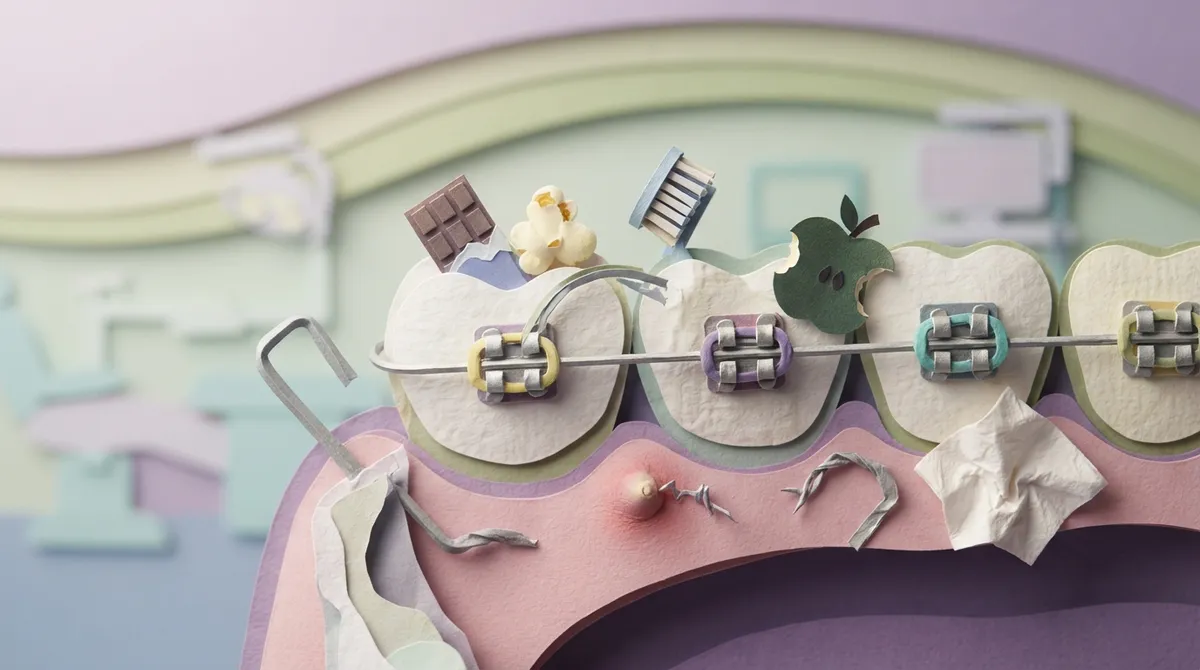
Braces work by putting steady pressure on your teeth to shift them into place. That pressure is the whole point, but it also means some soreness and small hiccups are part of the deal. Understanding the “why” behind these issues makes them feel a lot less scary.
Most braces problems fall into one of three buckets: discomfort from pressure, mechanical issues like loose parts, or hygiene challenges from harder-to-clean teeth. Let’s break each one down so you know exactly what’s normal and what needs a call to your orthodontist.
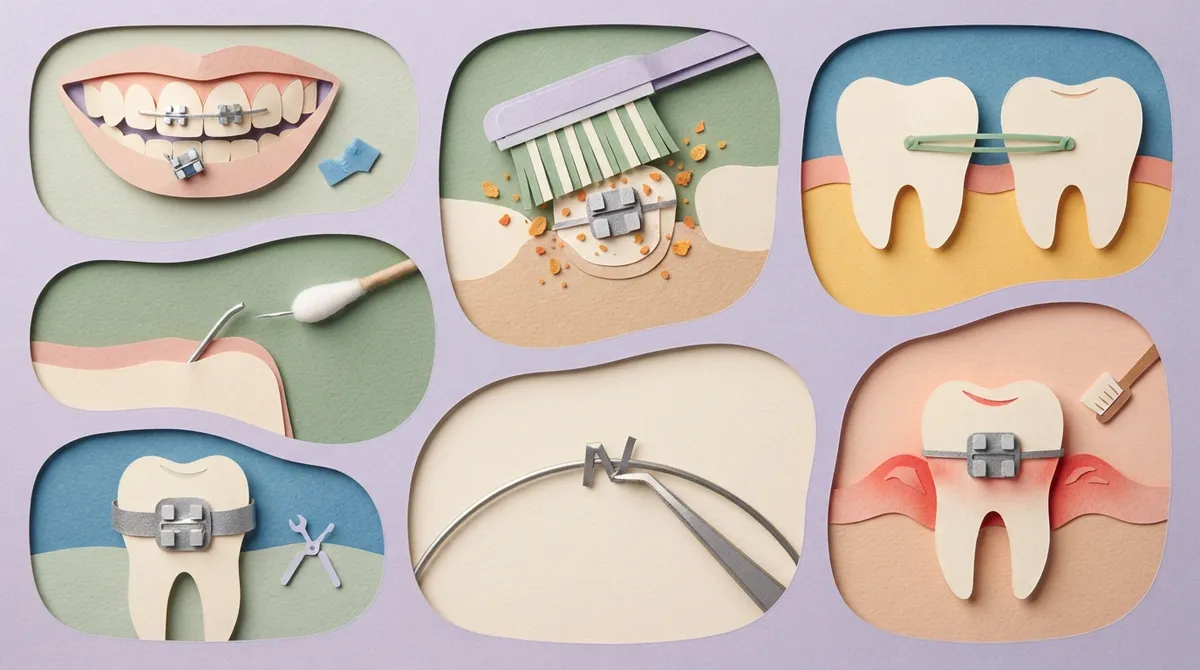
7 Common Braces Problems (And How to Solve Them)
1. Soreness After Getting Braces or a Tightening
This is by far the number one complaint we hear. Your gums and jaw will likely feel sore for the first four to seven days after your braces go on or get adjusted. This happens because your teeth are adjusting to new pressure, and it’s completely normal.
The good news? This soreness fades quickly. Here are a few easy ways to manage it:
- Rinse with warm salt water a few times a day
- Take over-the-counter pain relief like ibuprofen if needed
- Stick to soft foods like yogurt, mashed potatoes, and smoothies for a couple of days
- Apply an ice pack to your cheek for 10-15 minutes at a time
If soreness lasts much longer than a week, it’s worth mentioning at your next visit. For more on what to expect, check out our guide on how painful braces really are.
2. Wires Poking Your Cheek or Lip
A poking wire is uncomfortable, but it’s one of the easiest braces problems to manage at home. Wires can shift slightly as your teeth move, and the end can start irritating your soft tissue.
Here’s what to do right away:
- Grab a small ball of orthodontic wax from your braces kit
- Dry the area around the poking wire with a tissue
- Roll the wax into a small ball and press it firmly over the sharp spot
- If wax isn’t available, a clean pencil eraser can gently push the wire back temporarily
- Call your orthodontic office if the wire won’t stay put or keeps causing sores
Never try to cut the wire yourself with scissors at home—this can lead to swallowing a small piece or causing more injury. If this keeps happening, learn more in our article on what really happens during braces tightening.
3. Loose or Broken Brackets
Brackets can loosen or pop off, usually from eating something too hard or chewy, or from an accidental bump during sports. This is one of the most common mechanical braces problems, and it’s almost always caused by diet or activity, not by anything the orthodontist did wrong.
If a bracket feels loose but is still attached to the wire, you can usually leave it and call your office to schedule a repair. If it comes off completely, save it and bring it with you. Our team can walk you through an easy fix guide for loose brackets so you know exactly what to expect.
4. Broken or Bent Wires
Broken archwires are another frequent issue, often caused by biting into hard foods or an accidental knock to the mouth. A bent or snapped wire can poke, shift your bite, or simply feel uncomfortable.
If a wire breaks, try these steps:
- Cover any sharp end with dental wax immediately
- Avoid touching or pulling on the wire
- Contact your orthodontic office to schedule a repair as soon as possible
- If the wire is causing significant pain or bleeding, treat it as an orthodontic emergency
5. Tooth Sensitivity to Hot and Cold
Feeling a zing when you sip coffee or bite into ice cream? Tooth sensitivity is common during realignment, especially right after an adjustment. Your teeth are moving, and the ligaments around them can be a little tender.
This usually settles down within a few days. Using a topical dental ointment or taking an over-the-counter pain reliever can help in the meantime. If sensitivity sticks around or gets worse, it’s worth flagging at your next visit.
6. Cavities, Staining, and Gum Irritation
This is the braces problem that causes the most long-term concern, and honestly, it’s the most preventable one. Plaque builds up much more easily around brackets and wires, making it harder to keep teeth clean. Left unchecked, this can lead to cavities, gum disease, and permanent white or brown spots on your teeth once the braces come off.
The fix is simple but requires consistency:
- Brush after every meal using a soft-bristled brush
- Use a proxy brush or floss threader to clean between brackets and wires
- Rinse with a fluoride mouthwash daily
- Keep up with regular dental cleanings during treatment
- Avoid sugary drinks and snacks that feed plaque bacteria
Good hygiene habits protect your investment and your smile. For a deeper dive, see our guide on how to properly brush teeth with braces.
7. Rare But Serious Complications
While uncommon, some braces problems need immediate professional attention. These include:
- Root resorption, where tooth roots shorten slightly during movement
- Allergic reactions to latex elastics or certain metals
- Rotated brackets pressing painfully into the lip or cheek
- A loose band that’s affecting how your teeth bite together
The American Board of Orthodontics notes that these complications are rare, but they highlight the importance of regular checkups. If you notice swelling, unusual pain, or a rash near your braces, don’t wait it out—reach out to your orthodontist promptly.
Quick Reference: Braces Problems and Solutions
| Braces Problem | Common Cause | What to Do |
|---|---|---|
| Soreness after adjustment | Normal pressure on teeth | Salt water rinse, ibuprofen, soft foods |
| Poking wire | Wire shifting during treatment | Cover with dental wax, call office |
| Loose bracket | Hard or sticky foods | Leave in place, schedule repair |
| Broken wire | Hard foods or injury | Cover sharp end, contact orthodontist |
| Tooth sensitivity | Teeth shifting after tightening | Topical ointment, pain reliever |
| Cavities or staining | Poor brushing habits | Improve hygiene routine, use fluoride rinse |
Foods That Cause the Most Braces Problems
Diet is the number one preventable cause of broken brackets and wires. Steering clear of certain foods can save you a lot of hassle and extra appointments.
- Popcorn and nuts (hard, small pieces get lodged and can crack brackets)
- Hard candy and ice (both can snap wires or pop brackets loose)
- Sticky candy like caramel or taffy (pulls at brackets and wires)
- Crunchy raw vegetables like carrots (cut them into small pieces instead)
- Chewy bread like bagels or thick crusts
For a complete rundown, check out our list of braces foods to avoid for every age.
How Segovia Orthodontics Helps Prevent Braces Problems
Dr. Flor Segovia and our team believe prevention beats repair every time. That’s why we focus on comfortable, well-fitted appliances and clear guidance from day one. Our office offers LightForce Orthodontics, a fully digital, custom-fitted bracket system designed to reduce irritation and speed up treatment by up to 45% compared to traditional one-size-fits-all brackets.
For younger patients, our WildSmiles Braces make brushing easier to monitor since the fun bracket shapes stay visible when teeth are properly cleaned. This small design detail helps kids and teens stay on top of their oral hygiene, which cuts down on cavities and staining down the road.
We also offer Angel Aligners for patients who prefer a clear, removable option with fewer office visits thanks to its unique wear schedule. Whatever path you choose, our team walks you through all your options for types of braces so you feel confident from the start.
When to Call Your Orthodontist Right Away
Most braces problems can wait until your next scheduled visit, but a few situations need faster attention. Call your orthodontic office if you notice:
- A wire that’s cutting into your gum or cheek and won’t stay covered with wax
- A loose band or bracket that’s changing how your teeth bite together
- Severe swelling, pain, or signs of an allergic reaction
- A wire or bracket you’ve accidentally swallowed or that’s causing choking
If you’re ever unsure, it’s always better to call. Our team can quickly tell you whether it’s safe to wait or if you should come in. Learn more about what really counts as a braces emergency so you feel prepared either way.
Staying Comfortable Throughout Treatment
Braces problems are usually temporary bumps on the road to a straighter, healthier smile. With the right care routine and a supportive orthodontic team, most issues are minor and easy to manage at home. The key is staying consistent with oral hygiene, being mindful of what you eat, and reaching out whenever something feels genuinely wrong.
Many of our patients tell us that once they understand what’s normal versus what needs attention, the whole experience feels a lot less stressful. That peace of mind is exactly what we aim for at every appointment.
Ready for a Smoother Braces Experience?
Nobody should have to guess their way through braces problems alone. Whether you’re dealing with a poking wire, a loose bracket, or just want reassurance that everything is on track, our friendly Lakewood Ranch team is here to help. You can request an appointment today, or if something feels urgent, call us at 941-557-1333 and we’ll get you taken care of quickly.
Curious what other families in the area are saying? You can visit us on Google — Segovia Orthodontics to see real reviews from Lakewood Ranch patients, or follow along with smile transformations on our Facebook page and our Instagram page. We can’t wait to help you keep your smile journey comfortable, simple, and even a little fun.
FAQs
Q: How do I fix a loose bracket on my braces at home?
A: If a bracket feels loose but is still attached to the wire, don’t panic—just avoid chewing on that side and cover any sharp edges with dental wax. Give your orthodontic office a call so we can get you in for a quick repair before it causes bigger issues.
Q: What foods should I avoid to prevent breaking my braces?
A: Steer clear of hard, sticky, or crunchy foods like popcorn, nuts, hard candy, and ice. These are the biggest culprits behind broken brackets and bent wires, so sticking to softer options can save you an extra trip to our office.
Q: Why do my teeth feel sensitive after getting braces tightened?
A: That sensitivity is totally normal! Your teeth are shifting into new positions, which puts gentle pressure on the roots and ligaments. It usually fades within a few days, and pain relievers or a topical ointment can help in the meantime.
Q: What should I do if a wire is poking my cheek?
A: Grab some orthodontic wax, dry the area, and press a small ball of wax right over the sharp spot. It’s a quick fix that works wonders, but if the wire keeps poking through, give us a call so we can trim or adjust it.
Q: How long does braces pain usually last after an adjustment?
A: Most soreness peaks within the first four to seven days and then fades on its own. Warm salt water rinses, ice packs, and soft foods can make those first few days a whole lot more comfortable.
Our Service Area