Key Takeaways
-
Brush for two minutes after every meal and snack using a soft-bristled toothbrush angled at 45 degrees toward the gum line, cleaning above, below, and along each bracket to prevent cavities and plaque buildup.
-
Floss at least once daily using floss threaders, orthodontic flossers, or water flossers to reach areas your toothbrush cannot access between teeth and under the archwire.
-
Avoid sticky candies, hard nuts, popcorn, chewy bread, and whole apples as these foods can bend wires or pop off brackets, causing treatment delays and repair visits.
-
Apply orthodontic wax over brackets or wires that cause irritation, and contact your orthodontist within 24-48 hours if you experience a loose bracket or broken wire.
-
Maintain regular orthodontic appointments as scheduled, since skipping visits can slow treatment progress even with excellent home care habits.
-
Remove clear aligners before eating or drinking anything except water, and clean them daily with a soft toothbrush and lukewarm water to keep them clear and effective.
Getting braces is exciting, but let’s be honest—it can also feel a little overwhelming at first. Whether you’re a mom keeping track of your child’s appointments, a busy professional squeezing in orthodontic visits between meetings, or an adult finally fixing that relapse you’ve been meaning to address, good braces care tips make all the difference. The right daily habits protect your investment, speed up your treatment, and keep your smile healthy along the way. At Segovia Orthodontics in Lakewood Ranch, we see firsthand how small daily habits lead to big smile results, and we want to share exactly what works.
In this guide, we’ll walk through simple, practical braces care tips anyone can follow. No complicated routines, no confusing jargon—just friendly, real-world advice you can start using today. Let’s get your smile journey moving in the right direction.
Why Braces Care Tips Matter So Much
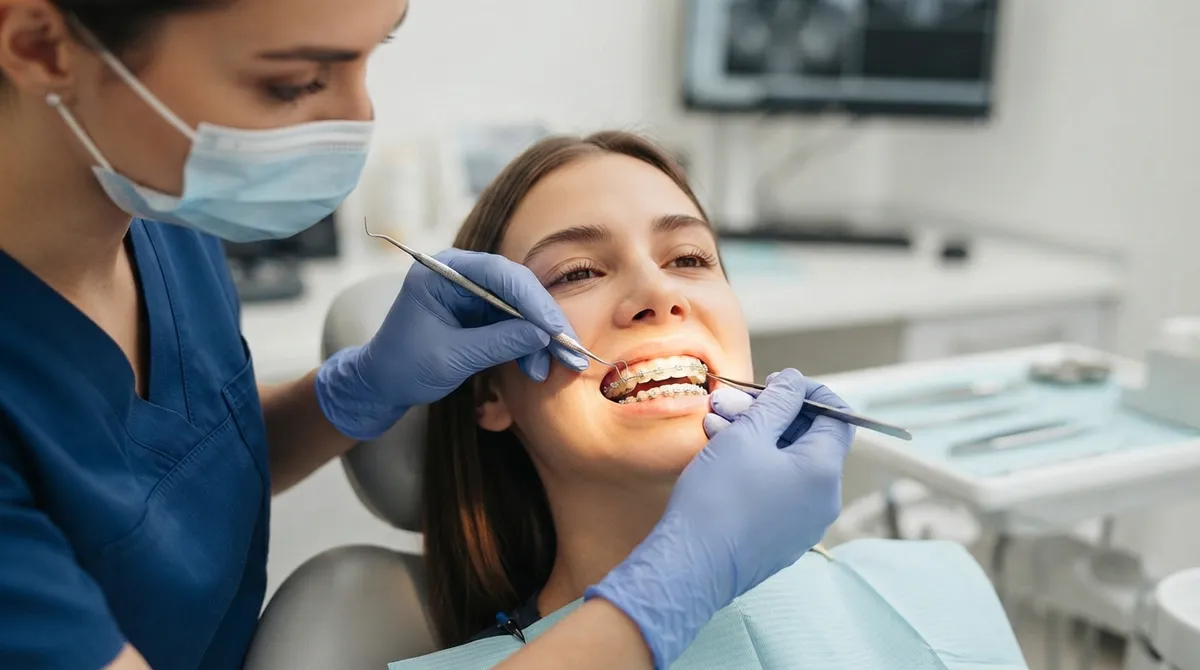
Braces do amazing work, but they also create extra nooks and crannies where food and plaque like to hide. Without proper care, patients risk cavities, gum irritation, and even treatment delays. Good habits also mean fewer emergency visits, which is great news for busy parents and professionals alike.
Following consistent orthodontics care tips helps you avoid common problems like broken brackets or loose wires. It also helps your treatment stay on schedule, so you reach your goal smile as planned. That matters whether you’re prepping for a wedding, graduation, or just want your braces off sooner rather than later.
Daily Brushing Habits for Braces Wearers
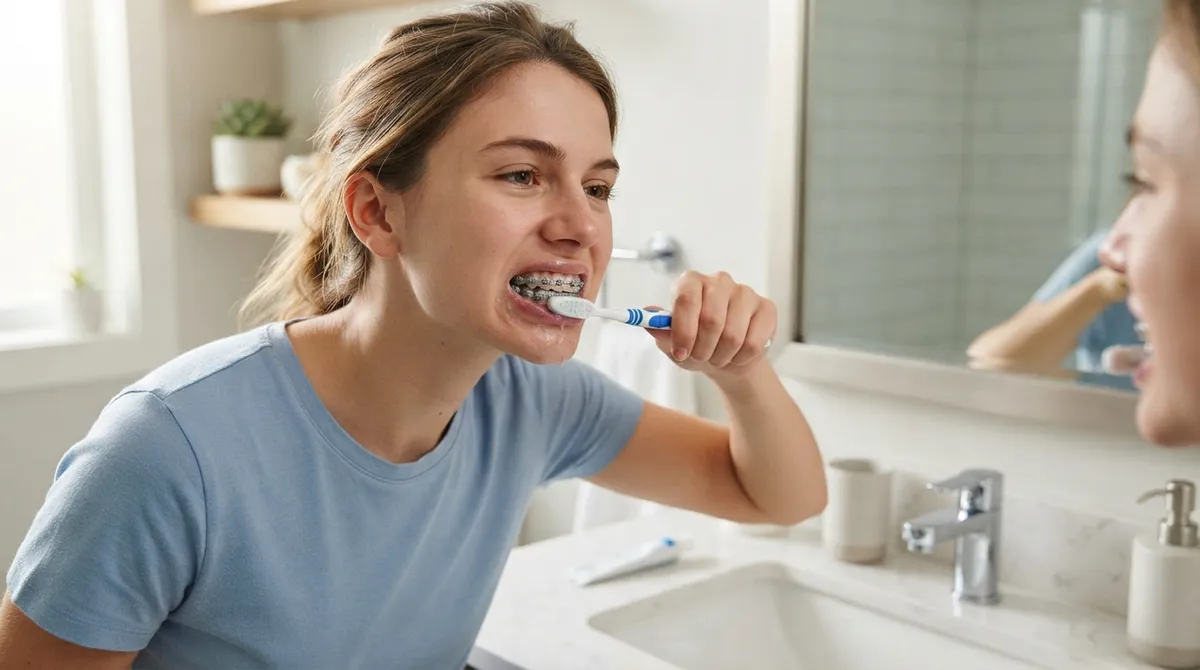
Brushing with braces takes a bit more attention than brushing without them. The American Association of Orthodontists recommends brushing for two minutes after every meal or snack, and again before bed. That might sound like a lot, but it quickly becomes second nature.
How to Brush Properly With Braces
- Rinse your mouth with water first to loosen any food stuck around brackets.
- Use a soft-bristled toothbrush and angle the bristles about 45 degrees toward the gum line.
- Brush above and below each bracket, moving in small circles.
- Clean along the archwire, making sure to reach both the top and bottom.
- Finish by brushing your tongue and the roof of your mouth to freshen breath.
A soft-bristled toothbrush is best because it cleans thoroughly without damaging brackets or irritating gums. Some patients also like using an electric toothbrush designed for braces, which can make the process quicker and more effective.
Flossing Tips That Actually Work With Braces
Flossing with braces can feel tricky at first, but it’s one of the most important habits you can build. Your toothbrush simply can’t reach every spot between your teeth and under the wire. That’s where flossing tools come in handy.
- Floss threaders help guide floss under the archwire with ease.
- Orthodontic flossers come pre-threaded, saving time for busy mornings.
- Water flossers use a gentle stream of water to clean between teeth and around brackets.
- Waxed floss glides more smoothly and is less likely to shred on brackets.
- Daily flossing—at least once a day—helps prevent plaque buildup and gum irritation.
Many orthodontic care sources recommend flossing once daily during active treatment. If traditional floss feels frustrating, a water flosser can be a game changer, especially for teens who might otherwise skip this step.
Foods to Avoid and Foods to Enjoy
Diet plays a huge role in braces care tips because certain foods can bend wires, pop off brackets, or get stuck in ways that are hard to clean. Knowing what to avoid saves you from unnecessary repair visits and discomfort.
Foods That Can Damage Braces
- Sticky candies like caramel, taffy, and gum
- Hard foods like nuts, ice, and hard pretzels
- Crunchy snacks like popcorn and chips with hard kernels
- Chewy bread like bagels and thick pizza crusts
- Corn on the cob and apples eaten whole (cut them into small pieces instead)
Braces-Friendly Food Choices
- Soft fruits like bananas and berries
- Cooked vegetables instead of raw, crunchy ones
- Pasta, rice, and soft breads
- Yogurt, cheese, and smoothies
- Soft proteins like fish, eggs, and tender chicken
For a deeper dive into specific items to skip, check out our detailed guide on foods to avoid with braces. Making smart food choices protects your brackets and wires while keeping your treatment on track.
Handling Soreness and Irritation
It’s normal to feel some soreness after braces are placed or adjusted. This usually fades within a few days, but there are ways to ease the discomfort in the meantime.
- Rinse with warm salt water to soothe sore gums.
- Apply orthodontic wax over brackets or wires that rub against your cheeks.
- Eat soft foods for the first few days after an adjustment.
- Use a cold compress on the outside of your cheek if swelling occurs.
- Take an over-the-counter pain reliever if needed, following label directions.
Orthodontic wax is a small but mighty tool. Just pinch off a small piece, roll it into a ball, and press it over the bracket or wire causing irritation. It creates a smooth barrier between the metal and your cheek, giving you instant relief.
What to Do When Something Breaks
Even with the best care, brackets can loosen and wires can shift. Knowing how to respond keeps small issues from becoming bigger ones. Never try to fix a broken bracket or wire yourself—reach out to your orthodontic team instead.
| Common Issue | What to Do at Home | When to Call Your Orthodontist |
|---|---|---|
| Wire poking cheek | Cover with orthodontic wax | If pain continues or wax doesn’t help |
| Loose bracket | Leave in place, avoid chewing on that side | Within 24-48 hours |
| Broken wire | Push wire back gently with a clean pencil eraser if possible | Same day if it’s causing pain |
| Lost elastic or spacer | Note when it happened | At your next scheduled visit or sooner if instructed |
If you’re ever unsure whether something counts as urgent, it’s always better to reach out. Our orthodontic emergency page walks through what qualifies as urgent and how we handle it quickly for our Lakewood Ranch patients.
Caring for Clear Aligners Instead of Braces
If you or your teen are wearing clear aligners rather than traditional braces, care tips look a little different but are just as important. Aligners need to stay clean and clear to work properly and look their best.
- Remove aligners before eating or drinking anything except plain tap water.
- Brush your teeth before putting aligners back in to avoid trapping food particles.
- Clean aligners daily with a soft toothbrush and lukewarm water—avoid hot water, which can warp the plastic.
- Store aligners in their case when not in use to avoid loss or damage.
- Wear aligners as directed, typically 20-22 hours a day, for best results.
Many young professionals and adults love aligners for their discreet look during work meetings or social events. If you’re curious whether clear aligners might fit your lifestyle better than traditional braces, our team is happy to walk you through the options.
Special Tips for Kids and Teens
Getting kids and teens to stick with braces care tips can be a challenge, especially with busy school and activity schedules. Making the process fun and rewarding helps build consistent habits.
- Set a phone reminder for brushing after lunch at school.
- Pack braces-friendly snacks in their lunchbox.
- Keep a travel dental kit in their backpack for quick touch-ups.
- Celebrate small milestones, like finishing a full month without a broken bracket.
- Choose fun bracket options, like WildSmiles Braces, to make treatment feel exciting instead of a chore.
WildSmiles brackets come in shapes like stars, hearts, and even Mickey Mouse designs, which can turn brushing time into something kids actually look forward to. When treatment feels fun, compliance naturally improves.
How Advanced Technology Supports Better Care
Modern orthodontic technology doesn’t just make treatment faster—it also makes daily care easier. Custom-fitted brackets, like those used in LightForce Orthodontics, are designed to sit more comfortably against your teeth, reducing irritation and making brushing more effective.
Dr. Flor Segovia uses advanced orthodontic technology to plan treatments with precision, which can mean fewer adjustments and a smoother experience overall. This is especially helpful for career-focused adults who want efficient treatment without constant office visits.
Building a Simple Daily Routine
Consistency is the secret ingredient behind every braces care tip. Here’s a simple routine that works well for patients of all ages.
- Brush after breakfast, lunch, and dinner for two minutes each time.
- Floss once daily, ideally before bed.
- Rinse with an antibacterial or fluoride mouthwash if recommended by your orthodontist.
- Check your brackets and wires in the mirror for anything loose or bent.
- Keep orthodontic wax and a small dental kit handy for emergencies.
Sticking to this routine, even on busy days, helps prevent most common braces problems. It also supports better outcomes at your regular orthodontic visits, since your teeth and gums will be healthier when you arrive.
Why Regular Checkups Still Matter
Even with excellent home care, regular visits to your orthodontist are essential. These appointments allow your provider to monitor progress, tighten wires, and catch small issues before they become bigger problems.
Most orthodontic care guidance recommends sticking to your scheduled follow-up visits throughout active treatment. Skipping appointments can slow down your results, even if you’re doing everything right at home. Our team at Segovia Orthodontics believes in creating a supportive, judgment-free space where questions are always welcome—read more about why choose us as your Lakewood Ranch orthodontic partner.
Curious what other Lakewood Ranch families think about their experience? You can visit us on Google — Segovia Orthodontics to read real patient reviews and see photos from our office. We’re also active on our Facebook page and our Instagram page, where we share smile transformations and helpful tips regularly.
A Quick Comparison: Braces vs. Aligner Care Habits
| Care Task | Traditional Braces | Clear Aligners |
|---|---|---|
| Brushing frequency | After every meal and snack | Before reinserting aligners |
| Flossing tools needed | Threaders, orthodontic flossers, water flosser | Standard floss works fine |
| Food restrictions | Avoid sticky, hard, and chewy foods | Remove aligners before eating anything |
| Handling irritation | Orthodontic wax on brackets/wires | Smooth rough edges or contact provider |
| Emergency concerns | Broken brackets, loose wires | Cracked or lost aligners |
Both options require commitment, but understanding these differences helps you choose the treatment that fits your lifestyle best. If you’re still deciding, our page on types of braces breaks down all the choices available at our practice.
Bringing It All Together
Braces care tips don’t have to feel complicated. Brush often, floss daily, avoid troublesome foods, and don’t ignore broken brackets or poking wires. These small habits add up to a smoother, faster path toward the smile you’ve been dreaming about.
Whether you’re a parent managing your child’s first set of braces, a young professional wearing discreet aligners, or an adult finally addressing years-old relapse, Segovia Orthodontics is here to support you every step of the way. Our board-certified orthodontist, Dr. Flor Segovia, and her team provide bilingual, family-friendly care right here in Lakewood Ranch. Learn more about her background on our Orthodontist Flor Segovia page.
Ready to start your smile journey or need help with your current treatment? Request an appointment today, and let’s build a personalized care plan that fits your life. You can also contact us with any questions, or simply call us at 941-557-1333—we’re always happy to help.
FAQs
Q: How do you clean your teeth properly with braces?
A: Brush for two minutes after every meal using a soft-bristled toothbrush angled at 45 degrees around your brackets. Don’t forget to clean under the archwire and finish with a good floss session—your smile will thank you!
Q: What foods should you avoid with braces?
A: Steer clear of sticky candies, hard nuts, popcorn, and chewy bread since these can bend wires or pop off brackets. Stick to soft, braces-friendly foods like pasta, yogurt, and cooked veggies to keep your treatment on schedule.
Q: How often should you brush and floss with braces?
A: Brush after every meal and snack, plus once before bed, and floss at least once daily. It sounds like a lot, but it quickly becomes a simple part of your everyday routine!
Q: What should you do if a brace wire pokes your cheek?
A: Cover the poking wire with a small ball of orthodontic wax for instant relief. If the irritation continues or the wire feels sharp even with wax, give your orthodontist a call so they can take a look.
Q: When should you call your orthodontist about a broken bracket or loose wire?
A: Reach out within 24 to 48 hours for a loose bracket, or sooner if it’s causing pain or discomfort. It’s always better to check in early rather than wait, so small issues don’t turn into bigger delays.
Our Service Area