Key Takeaways
-
Wear your retainer full-time immediately after braces come off, then transition to nighttime wear as directed by your orthodontist, since about 50% of relapse occurs within the first two years of treatment.
-
Get fitted for a retainer right away and choose the best type (removable clear, Hawley, or fixed) based on your specific bite and relapse risk, as personalized retainer selection is crucial for long-term results.
-
Many orthodontists recommend wearing a retainer at night for life, since teeth naturally shift due to aging and tissue changes; studies show 40-90% of patients experience noticeable shifting without consistent retainer wear.
-
Clean removable retainers daily with soft brush and cool water only, avoiding hot water and harsh cleaners that can warp or damage the material, and store in their case when not in use.
-
Expect temporary tooth looseness and sensitivity for a few weeks as your gums settle, but contact your orthodontist immediately if these symptoms persist or if you notice retainer fit issues or tooth shifting.
-
Attend follow-up orthodontic visits every few months and maintain regular dental cleanings every six months to catch small problems early and ensure your bite remains stable long-term.
That day finally comes. You sit in the chair, your orthodontist removes the last bracket, and suddenly your smile feels brand new. It’s exciting, a little emotional, and honestly a bit strange too. Your teeth feel smooth and slippery, and you might wonder, “Now what?” If you’re curious about what happens after braces come off, you’re not alone. Parents, teens, and adults all ask this question, and for good reason. The next steps matter just as much as the treatment itself.
At Segovia Orthodontics in Lakewood Ranch, Dr. Flor Segovia and her team walk every patient through this exciting new chapter. Whether you’re a busy parent, a professional finishing up adult orthodontics, or a teen ready for graduation photos, knowing what to expect helps you protect your results for years to come. Let’s break down the eight big things that happen right after your braces come off.
1. Your Orthodontist Checks Your Bite and Tooth Position
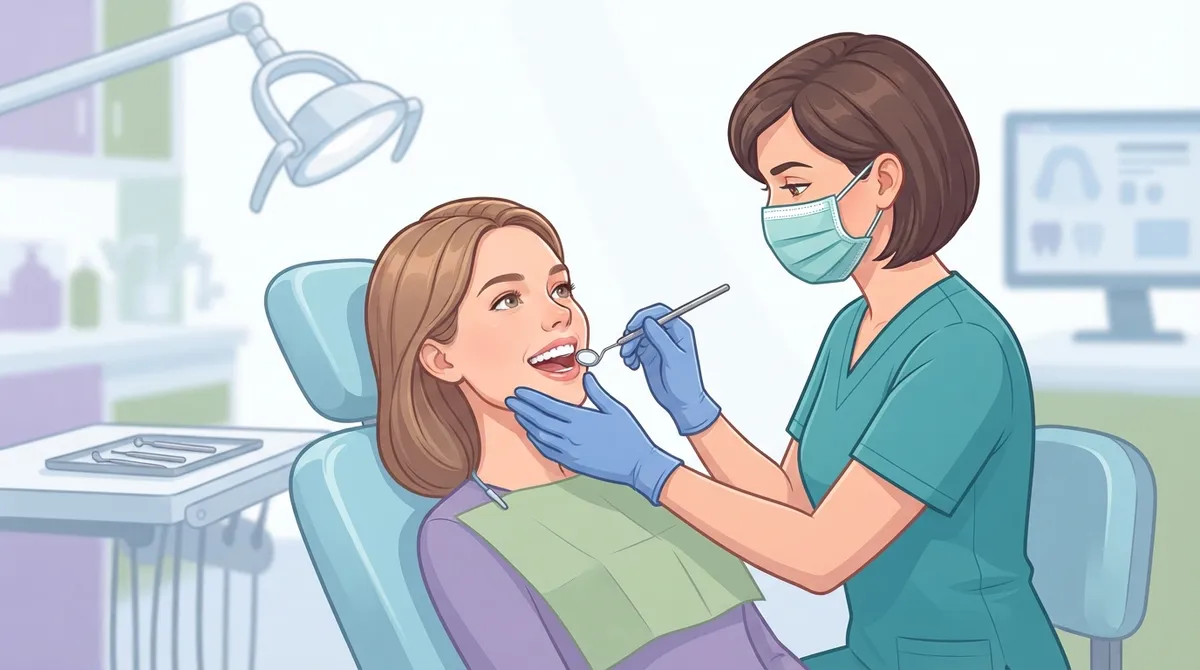
Before you even see a mirror, your orthodontist takes a close look at your bite. They check how your upper and lower teeth fit together. They also confirm that your teeth have moved into the correct final positions.
This step matters because it confirms your treatment goals were met. If anything needs a small tweak, your orthodontist can catch it right away. This is also a great time to ask questions about your results or your orthodontic retainers.
2. Adhesive Removal and a Fresh Polish
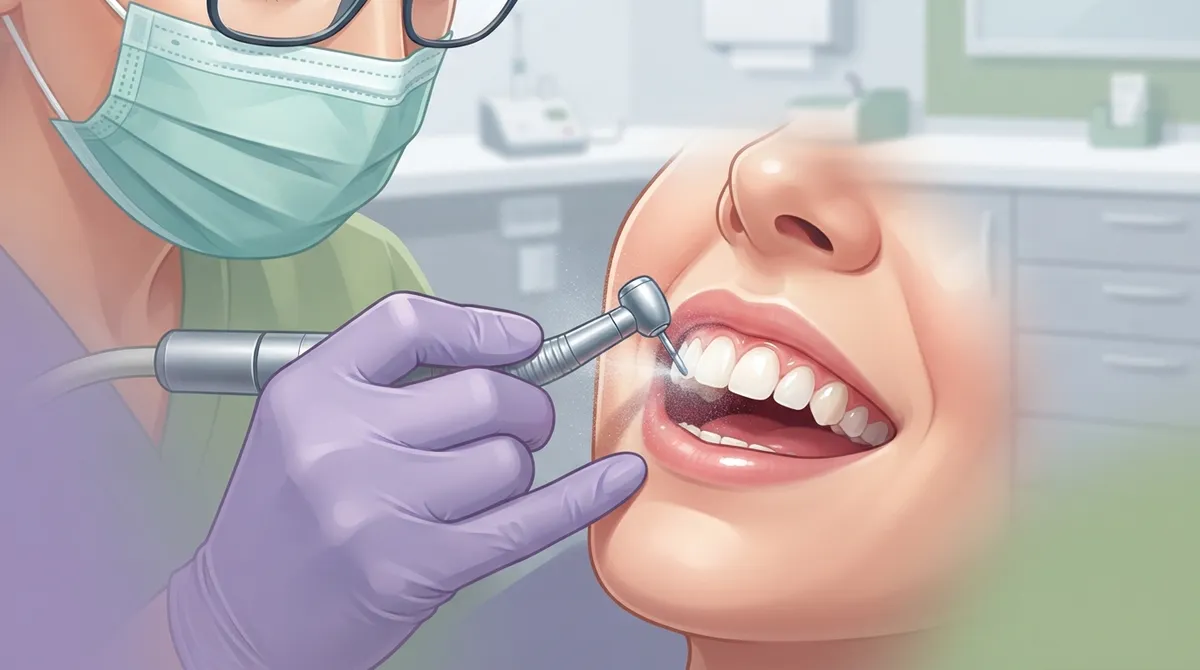
Next comes the satisfying part. Your orthodontist removes all the leftover adhesive from each tooth. This is the material that held your brackets in place for months or even years.
After the adhesive is gone, your teeth get a gentle polish. Many patients say their teeth feel silky smooth for the first time in a long while. This step also helps your teeth look their brightest for photos, interviews, or that upcoming wedding you’ve been planning.
3. You Get Fitted for a Retainer Right Away
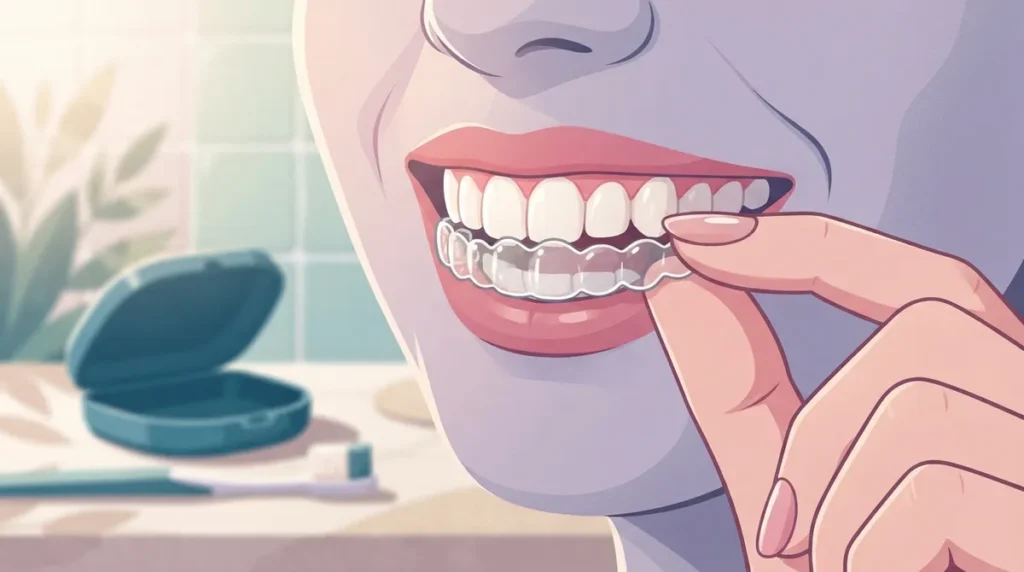
This is one of the most important parts of the entire process. Retainers are essential because teeth can move back toward their old positions. This is called orthodontic relapse, and it can happen faster than people expect.
You have a few retainer options to choose from:
- Removable clear retainers, similar to clear aligners, that fit snugly over your teeth
- Hawley retainers, made of acrylic and wire, known for durability
- Fixed retainers, a thin wire bonded behind your front teeth
Your orthodontist will recommend the best type based on your bite, your treatment history, and your risk of relapse. There’s no one-size-fits-all answer here, which is why personalized care matters so much.
| Retainer Type | How It’s Worn | Best For |
|---|---|---|
| Removable Clear Retainer | Full-time at first, then nights only | Patients who want a discreet, easy-to-clean option |
| Hawley Retainer | Full-time at first, then nights only | Patients who need bite adjustments over time |
| Fixed Retainer | Worn 24/7, bonded to teeth | Patients with higher relapse risk or lower front teeth crowding |
4. A New Wear Schedule Begins
Right after your braces come off, you’ll likely wear your retainer almost all day and night. Many orthodontists ask patients to remove it only for eating, drinking anything besides water, and brushing.
Over time, your orthodontist will probably transition you to nighttime wear only. But this schedule varies from patient to patient. Some people need more consistent wear because of their bite or age. Always follow the schedule your orthodontist gives you, since it’s built around your unique smile.
Research backs up how important this early period really is. A 2017 review found that about half of all orthodontic relapse can happen in just the first two years after treatment. That’s why sticking to your schedule truly protects your results.
5. Your Teeth May Feel Loose or Sensitive (This Is Normal)
It’s common to feel like your teeth are a little loose right after your braces come off. Don’t panic. Your teeth were held tightly in place for months, so this feeling is expected as your mouth adjusts.
Your gums and the tissue around your teeth need time to settle. Most patients notice this feeling fades within a few weeks. If it doesn’t, or if something feels seriously off, reach out to your orthodontist. This is one reason orthodontic emergency guidance exists, even though loose-feeling teeth are usually just part of normal healing.
6. Retainer Care Becomes Part of Your Routine
Caring for your retainer is just as important as wearing it. A few simple habits go a long way:
- Clean removable retainers daily with a soft brush and cool or lukewarm water
- Use only cleaning products approved by your orthodontist
- Never use hot or boiling water, since it can warp plastic retainers
- Avoid alcohol-based or bleach-based cleaners, which can damage the material
- Store your retainer in its case whenever it’s not in your mouth
If you have a fixed retainer, brushing and flossing take a little extra care. Plaque and tartar can build up around the bonded wire, so gentle, thorough cleaning matters. If the wire ever feels loose, bent, or broken, contact your orthodontist right away instead of waiting.
7. Follow-Up Visits Keep Your Smile on Track
Your orthodontic journey doesn’t end the day your braces come off. Follow-up visits let your orthodontist check your retainer fit, your bite, and your overall progress.
These visits are simple but valuable. Your orthodontist can catch small issues before they become bigger problems. This is also a great time to bring up new goals, whether you’re interested in WildSmiles braces for a younger sibling or curious about LightForce orthodontics for another family member.
Alongside orthodontic visits, don’t forget your regular dentist. Most people should keep up with cleanings and checkups about every six months, unless your dentist suggests something different.
8. Long-Term Retainer Wear Protects Your Investment
Here’s a fact that surprises a lot of patients: many orthodontists recommend wearing a retainer at night for life. The American Association of Orthodontists explains that teeth can keep shifting because of aging, growth, and normal changes in the tissues around your teeth.
This doesn’t mean you’re doing anything wrong. It simply means your smile needs ongoing support, just like your body needs regular exercise to stay strong. Studies show why this matters so much. A 2020 systematic review of nearly 1,000 patients found that both fixed and removable retainers worked well to maintain alignment. But research on long-term outcomes tells a bigger story. Some studies suggest that without consistent retainer wear, somewhere between 40% and 90% of patients may see noticeable shifting 10 to 20 years after treatment ends.
The good news is that consistent, simple habits can help you avoid becoming part of that statistic. Wearing your retainer as prescribed is one of the easiest ways to protect years of hard work and financial investment in your smile.
Common Issues to Watch For After Braces Come Off
Even with great care, a few bumps can happen along the way. Here are common concerns patients bring up:
- A retainer that suddenly feels tight or difficult to insert
- Minor shifting noticed in the front teeth
- A fixed retainer wire that feels loose or pokes the tongue
- Ongoing tooth sensitivity that doesn’t improve after a few weeks
If you notice any of these, don’t wait it out. Early action almost always leads to an easier fix. This is where a practice with advanced orthodontic technology and a caring team makes a real difference in solving small problems quickly.
Why Choosing the Right Orthodontist Matters After Treatment
The relationship with your orthodontist doesn’t stop when your braces come off. You want a team that stays involved, answers questions, and treats your retention phase with the same care as your active treatment.
Dr. Flor Segovia is a board-certified orthodontist who believes retention care deserves just as much attention as the braces themselves. For families juggling school schedules or professionals balancing demanding careers, having a practice that offers flexible appointments makes staying on track so much easier. You can learn more about her approach on the Orthodontist Flor Segovia page, or read about the practice’s values on the Why Choose Us page.
Curious how other patients feel about their experience? You can visit us on Google — Segovia Orthodontics to read real reviews from Lakewood Ranch families and professionals. You can also see smile transformations and updates on our Facebook page or follow along on our Instagram page for tips and behind-the-scenes moments.
A Quick Recap: Your First Few Months After Braces
Here’s a simple summary to keep handy during your retention phase:
- Wear your retainer exactly as prescribed, especially in the first year
- Clean your retainer daily using safe, approved methods
- Watch for any looseness, breakage, or fit issues
- Keep up with follow-up visits with your orthodontist
- Continue regular dental cleanings and checkups
- Contact your orthodontist quickly if something feels wrong
- Be patient as your gums and teeth settle into their new positions
- Celebrate your new smile with confidence
Research from the American Board of Orthodontics supports the idea that consistent retention care leads to more stable, long-lasting results. Combining professional guidance with your own daily habits gives your smile the best chance to stay just the way you want it.
Your Smile’s Next Chapter Starts Now
Finishing braces is a huge milestone, but it’s really the start of a new routine, not the finish line. With the right retainer, good habits, and regular checkups, your smile can stay beautiful for decades. Whether you’re a parent guiding your teen through this transition or an adult protecting your own investment, small consistent steps make all the difference.
If you have questions about retainers, relapse, or your next steps after braces, our friendly Lakewood Ranch team is here to help. Feel free to request an appointment today, or simply call us at 941-557-1333 to speak with our team. You can also contact us anytime with your questions. We’re excited to help you protect that beautiful new smile for years to come!
FAQs
Q: How long do I have to wear a retainer after braces come off?
A: Most patients wear their retainer full-time for the first several months, then switch to nights only. Many orthodontists recommend wearing a retainer at night indefinitely to keep your smile looking its best for life.
Q: Do teeth move after braces are removed?
A: Yes, teeth can shift back toward their original positions, a process called relapse. This is exactly why wearing your retainer as prescribed is so important, especially during the first two years.
Q: Is it normal for teeth to feel loose after braces come off?
A: It’s totally normal! Your teeth were held firmly in place for a long time, so they need a few weeks to settle into their new spots. If the feeling doesn’t improve, just give your orthodontist a call.
Q: How do I clean my retainer after braces?
A: Gently brush it daily with a soft brush and cool or lukewarm water. Avoid hot water and harsh cleaners like alcohol or bleach, since these can warp or damage the material.
Q: What should I do if my retainer no longer fits?
A: Don’t wait and hope it fixes itself. Contact your orthodontist right away, since a poor fit can mean your teeth have already started shifting and need prompt attention.
Our Service Area