Key Takeaways
-
Choose a provider with specialized training and credentials: orthodontists have extra specialty training in tooth movement and bite alignment, while general dentists offer broader services; verify board certification through the American Board of Orthodontics.
-
Ask seven key questions before committing: who will plan your treatment, what are their credentials, will the plan address your bite, how many similar cases have they treated, what follow-ups are included, what's the total fee with payment options, and what happens after treatment with retainers.
-
Invisalign requires 20-22 hours of daily wear and is suitable for teens, professionals, and adults with relapsed teeth, but success depends on consistent compliance with wearing aligners and attending follow-up visits.
-
Lakewood Ranch Invisalign costs range approximately $3,000-$8,000 depending on case complexity, treatment length, and refinements needed; most local practices offer in-house payment plans and some provide free initial consultations.
-
Look beyond provider tier labels and compare actual training, credentials, and experience with your specific case type; a tier reflects volume but not necessarily the best fit for your individual smile or bite concerns.
-
Treatment timelines vary based on case complexity and compliance; mild cases move faster while complex bite corrections take longer, so avoid providers who promise precise finish dates before examining your teeth.
So, you’re ready to straighten your smile without a mouth full of metal. Great call! But here’s the part that trips people up: who should actually guide your treatment? If you’ve typed “invisalign provider lakewood ranch” into a search bar, you’ve probably noticed that both orthodontic offices and general dental offices offer clear aligners. That’s a lot of choices, and they don’t all look the same once you dig in.
Whether you’re a parent planning for a teen, a busy professional who wants a discreet fix, or an adult whose teeth have shifted since your braces days, the right provider makes a real difference. In this friendly guide, we’ll walk through what an Invisalign provider does, what to ask before you commit, how costs and timelines usually work, and how to tell if clear aligners are the right fit for your teeth.
Grab a coffee, and let’s make this decision feel a whole lot easier.

What Does an Invisalign Provider Actually Do?
An Invisalign provider is the trained clinician who plans and supervises your clear aligner treatment. Invisalign uses a series of custom-made, removable clear aligners that move your teeth step by step. But the aligners are only the tool. The provider is the brain behind the plan.
Here’s what a provider typically handles:
- Exam and records: They check your teeth, gums, and bite, then take digital records or scans.
- Treatment planning: They design how your teeth will move from start to finish.
- Monitoring: They check your progress and fit at follow-up visits.
- Refinements: If your teeth need a little extra nudge, they adjust the plan.
- Retention: They guide you into retainers so your new smile stays put.
Think of the provider as a pilot and the aligners as the plane. You want an experienced pilot, especially if your route has a few bumps. If you’d like to learn more about how aligners work in general, our clear aligners page is a good place to start.
Orthodontist or General Dentist: Which Should You Choose?
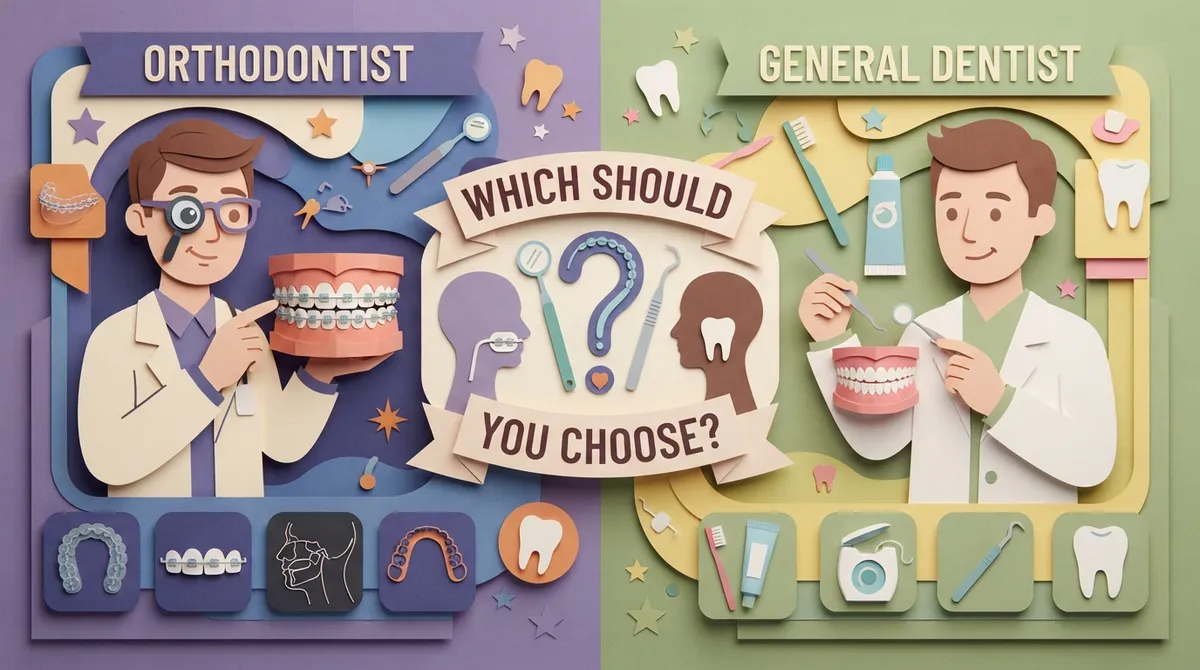
This is one of the most common questions people ask, and it’s a smart one. In the Lakewood Ranch area, you’ll find Invisalign offered by both orthodontic practices and general dental practices. Both can be good options, but they bring different training to the table.
An orthodontist completes extra years of specialty training focused on tooth movement and bite alignment. A general dentist covers a wide range of dental care, and some offer Invisalign as one of many services. Neither label alone guarantees a great result, so it helps to compare the details.
| What to Compare | Orthodontist | General Dentist |
|---|---|---|
| Training focus | Specialty training in tooth movement and bites | Broad dental training across many services |
| Case experience | Often treats alignment cases daily | Varies by practice |
| Complex bites | Equipped to plan for bite problems | May refer out for complex cases |
| Treatment options | Can offer braces, aligners, or a mix | May focus on aligners alone |
If your teeth have mild crowding or spacing, many providers can help. If you have a deeper bite problem, an orthodontist’s focused training can be a real advantage. For a deeper breakdown, check out General Dentist vs. Orthodontist: Which One Should You Choose?
What Do Invisalign “Provider Tiers” Really Mean?
You may have seen terms like Blue Diamond or other tier names when researching an Invisalign provider in Lakewood Ranch. These labels usually reflect how many Invisalign cases a provider has handled or how experienced they are within the Invisalign system.
That’s useful information! More cases can mean more familiarity with the technology. But here’s the honest truth: a tier label is not a replacement for checking training and credentials. It tells you about volume, not necessarily about how well a provider fits your particular smile.
So use tiers as one piece of the puzzle. Pair them with questions about education, board certification, and the types of cases the provider sees. You can verify specialty credentials through the American Board of Orthodontics, and you can read more about why that matters on our board certified orthodontist page.
Seven Smart Questions to Ask Before You Commit
A good consultation should feel like a conversation, not a sales pitch. Bring this list with you and don’t be shy about asking.
- Who will plan and supervise my treatment? Make sure you know the exact clinician guiding your case.
- What are your training and credentials? Ask about orthodontic education and any board certification.
- Will the plan address my bite, not just how my teeth look? A straight smile that bites poorly is only half a win.
- How many cases like mine have you treated? Experience with your type of concern matters.
- What follow-up visits and refinements are included? Know what’s covered before you start.
- What is the total fee, and what payment options exist? Ask for a written estimate.
- What happens after treatment? Retainers are part of the plan, so ask about them up front.
If a provider answers these clearly and kindly, that’s a great sign. Our guide on how to ask the right orthodontic questions at your visit can help you feel even more prepared.
How Does Invisalign Treatment Work Step by Step?
Knowing the journey makes it less mysterious. While every plan is personalized, most Invisalign treatment follows a similar path.
- Consultation and exam. Your provider looks at your teeth, gums, and bite and talks through your goals.
- Digital records or scans. These create a detailed picture of your smile.
- Custom treatment plan. Your clinician maps out how your teeth should move.
- Aligner delivery. You receive a series of removable clear aligners.
- Regular wear and changes. You switch to new aligners on the schedule your clinician gives you.
- Check-ins. Follow-up visits confirm the aligners fit and your teeth are moving as planned.
- Refinements, if needed. Sometimes small tweaks or attachments help finish the job.
- Retainers. After active treatment, retainers help prevent your teeth from drifting back.
It’s a team effort between you and your provider, and your daily habits are a big part of the success story.
How Many Hours a Day Do You Wear Invisalign?
Here’s where Invisalign asks a little commitment from you. Aligners generally need to be worn about 20 to 22 hours a day. A local Lakewood Ranch dental practice advises wearing them at least 22 hours daily, which is a good reminder that your clinician’s specific instructions come first.
You take them out to eat and to drink anything other than plain water. Then you brush, put them back in, and carry on with your day. That’s the beauty of removable aligners. You can enjoy your favorite foods without worrying about brackets.
A few friendly tips:
- Keep a case with you so aligners don’t end up wrapped in a napkin (it happens more than you’d think!).
- Set phone reminders for switching trays.
- Brush before putting aligners back in to keep your teeth fresh and your trays clear.
If you’re worried about common slip-ups, take a peek at 7 Clear Aligner Mistakes That Can Ruin Your Smile Results.
What Can Invisalign Treat?
Clear aligners can address many alignment and bite concerns. Common ones include:
- Crowded teeth
- Gaps and spacing
- Some overbites, underbites, and crossbites
- Minor to moderate shifting after past braces
Notice the careful wording: can address and many concerns. Whether Invisalign is the right tool depends on your individual case. Some patients do better with braces, and others benefit from a combined approach. That’s why a hands-on consultation matters so much. A provider can look at your bite, your tooth movement needs, and your lifestyle, and then give you honest advice.
Curious how the two main options stack up? Read Braces vs. Clear Aligners: Which Is Right for You? for a helpful side-by-side look.
Is Invisalign Right for Teens, Adults, and Past Braces Patients?
Great news: clear aligners are not just for one age group. Here’s how they often fit different people.
Teens and Their Parents
Many teens love how discreet aligners are, especially for school photos and sports. Parents should keep in mind that aligners require consistent wear. If your teen is responsible with daily habits, aligners can be a great fit. If you’re unsure, our teen orthodontic treatment page explains the options available.
Busy Professionals and Young Adults
If you work in a role where you’re often in meetings, on calls, or in front of clients, a subtle option can feel like a perfect match. Aligners come out for meals and big presentations if your clinician approves, so you can stay confident at work.
Adults With Relapse
Maybe you wore braces years ago, skipped your retainer for a while (we’ve all been there), and now your teeth have wandered. Adults in this situation are often highly motivated, and many cases of mild to moderate shifting can be treated with aligners. Explore adult orthodontics to see what’s possible.
Planning Around a Big Event
Got a wedding or graduation on the calendar? Start the conversation early. A provider can tell you what’s realistic for your timeline. Treatment length varies, so it’s best to book a consultation well ahead of your date.
How Much Does Invisalign Cost in Lakewood Ranch?
Let’s talk money, because you deserve a straight answer. One Lakewood Ranch-area orthodontic directory lists an Invisalign price range of roughly $3,000 to $8,000, based on a figure published by one practice. Please treat that as a ballpark directory estimate, not a quote.
Your actual cost depends on several things:
- How complex your case is
- How long treatment takes
- Whether refinements are needed
- Your insurance benefits, if any
The same directory notes that 5 of 6 listed local orthodontic practices offer in-house payment plans, and 3 of 6 offer a no-cost initial consultation. Listings can change, so always confirm directly with the office.
| Cost Factor | Why It Matters |
|---|---|
| Case complexity | More movement or bite correction can mean longer treatment |
| Treatment length | Longer plans may cost more |
| Refinements | Ask if they’re included in the fee |
| Insurance | Some plans offer orthodontic benefits, but coverage varies |
| Payment plans | Monthly options can make costs easier to manage |
Always ask for the total fee in writing, including retainers. Want to explore ways to spread out the cost? Take a look at orthodontic financing or read 9 Smart Ways to Make Orthodontic Financing Work for You.
How Long Does Treatment Usually Take?
Honestly, it varies. Mild cases may move along faster, while more complex bite corrections can take longer. Your provider can give you a realistic estimate after reviewing your records. Be a little wary of anyone who promises a precise finish date before they’ve examined your teeth.
What helps treatment stay on track:
- Wearing aligners as directed
- Changing trays on schedule
- Attending follow-up visits
- Wearing your retainers afterward
That last one is huge. Without retainers, teeth can drift back toward their old positions. Learn more about keeping your results with orthodontic retainers.
What About Other Clear Aligner Options at Segovia Orthodontics?
Here’s something worth knowing as you compare providers. Invisalign is one well-known clear aligner system, but it isn’t the only way to get a discreet, comfortable smile. At Segovia Orthodontics, Dr. Flor Segovia, a board-certified orthodontist, offers Angel Aligners as a clear aligner option. They use AI-driven treatment planning and a flexible wear schedule, and some designs include built-in anchors that can reduce the need for extra attachments on your teeth.
The practice also offers braces for patients who may be better served that way, including LightForce orthodontics (a fully digital, 3D-printed bracket system) and WildSmiles braces with fun, customizable shapes. Having several tools available means your treatment can be matched to your smile instead of the other way around.
Dr. Segovia provides bilingual care in English and Spanish, and the team focuses on a comfortable, family-friendly environment. You can learn more about her background on the Orthodontist Flor Segovia page, and see what our patients say by checking out Segovia Orthodontics on Google.
Your Quick Checklist for Choosing a Provider
Before you book, run through this simple list:
- Do they offer a clear exam and honest treatment recommendation?
- Do they explain whether aligners or braces suit your case?
- Will the plan consider your bite, not just appearance?
- Are follow-up visits and refinements explained?
- Do you receive a written estimate with payment options?
- Do you feel comfortable and listened to?
That last point matters more than people expect. You’ll see this team regularly for many months, so choose a place where you feel welcome. If you’re still weighing options, our article on how to find the right orthodontist in Lakewood Ranch offers more guidance.
Ready to Take the First Step Toward Your Smile?
Choosing an Invisalign provider in Lakewood Ranch doesn’t have to feel overwhelming. Look beyond labels, ask thoughtful questions, and pick a team that explains things clearly and treats you like a person, not a case number. Whether clear aligners, braces, or a mix of both turns out to be your best path, the goal is the same: a healthy, confident smile you love showing off.
If you’d like personalized guidance, we’d love to meet you. Request an appointment to talk through your goals, or call us at 941-557-1333 with any questions. You can also contact us online, and follow along with smile stories on our Instagram page and our Facebook page. Your best smile is closer than you think!
FAQs
Q: Who is a good Invisalign provider in Lakewood Ranch, FL?
A: A good provider has solid training, experience with cases like yours, and a clear plan that covers your bite as well as your tooth alignment. Compare credentials, ask about follow-up care, and request a written cost estimate before you decide. Feeling comfortable with the team is a big bonus, too!
Q: Does Invisalign work for adults and teenagers?
A: Yes, clear aligners can be a great option for both teens and adults, depending on the individual case. Teens need to be consistent about daily wear, and adults often appreciate the discreet look. A consultation will show whether aligners, braces, or a combination is the best fit.
Q: How many hours a day do I need to wear Invisalign aligners?
A: Aligners generally need to be worn about 20 to 22 hours a day, and some local practices recommend at least 22 hours. You remove them to eat and to drink anything other than water. Always follow the specific instructions your treating clinician gives you.
Q: How much does Invisalign cost in Lakewood Ranch?
A: One local directory lists a range of about $3,000 to $8,000, but that’s only an estimate, not a quote. Your actual cost depends on case complexity, treatment length, and insurance. Ask for a written total fee and check whether payment plans are available.
Q: Does dental insurance cover Invisalign, and are payment plans available?
A: Some dental plans include orthodontic benefits, but coverage varies a lot, so it’s smart to check your policy or ask the office to help you review it. Many local orthodontic practices also offer in-house payment plans. Confirm the details directly with the office you choose.
Our Service Area