Key Takeaways
-
Most dental insurance plans covering orthodontics treat clear aligners the same as traditional braces, typically covering 25-50% of costs up to a lifetime maximum of $1,000-$3,000.
-
Insurance won’t automatically cover aligners classified as cosmetic; a board-certified orthodontist’s documentation of medical necessity (bite problems, crowding, jaw alignment issues) significantly improves approval chances.
-
Average insured patients receive around $1,772 in coverage, with 92% qualifying for up to $3,000 and 77% for up to $2,000, though exact amounts depend on your specific plan and employer.
-
Children and teens typically receive more generous orthodontic coverage than adults; adult coverage is often limited or excluded entirely, so verify eligibility before assuming you’re ineligible.
-
Before committing to treatment, call your insurance provider to confirm orthodontic benefits, lifetime maximums used, adult eligibility, and waiting periods, then bring details to your consultation.
-
Many patients successfully combine partial insurance benefits with flexible payment plans or Health Savings Accounts to make aligners affordable without paying the full upfront cost.
So you’re finally ready to fix that smile you’ve been thinking about for years. Maybe it’s a wedding coming up, a big job interview, or you just looked in the mirror one morning and thought, “enough is enough.” Whatever your reason, one question always pops up first: will insurance actually help pay for this? It’s a fair question, and honestly, one of the most common ones we hear at Segovia Orthodontics.
Here’s the good news right off the bat. Many dental insurance plans that include orthodontic benefits will help cover clear aligners, not just traditional metal braces. But here’s the catch, it’s rarely a simple yes or no answer. Coverage depends on your specific plan, your age, and sometimes even how your insurer classifies the treatment. Let’s break it all down together, so by the end of this article, you’ll walk into your consultation feeling confident instead of confused.
Aligners Covered by Insurance: What Does That Actually Mean?
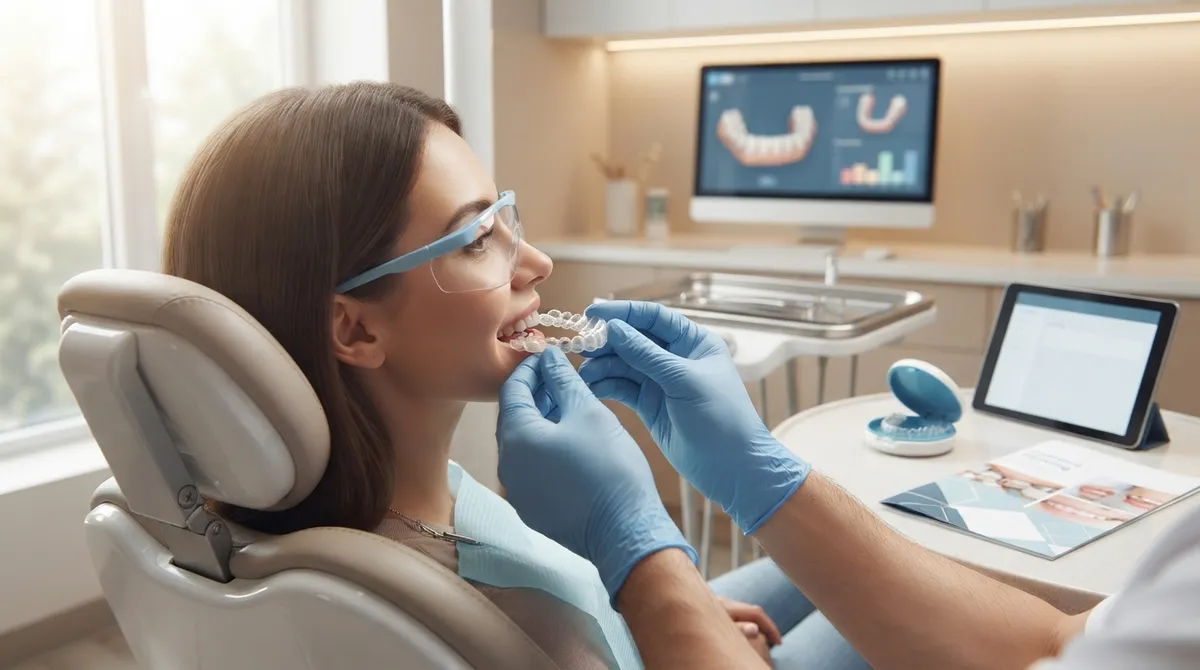
When people ask if aligners are covered by insurance, they’re usually asking whether their dental plan will pay part of the cost for clear aligner treatment, similar to how it might pay for braces. The short answer is: it depends on your plan. Not every dental insurance policy includes orthodontic benefits at all. Some only cover basic and preventive care, like cleanings and fillings.
If your plan does include orthodontic coverage, aligners like Invisalign or Clear Aligners are often treated the same way as braces. That means your insurer may pay a percentage of the total cost, up to a set maximum amount. It’s rarely full coverage, but partial help can still make a big difference in your total bill.
Why Coverage Isn’t Automatic
Insurance companies don’t automatically assume you need orthodontic treatment. Some plans view aligners as elective or cosmetic, especially for adults, unless there’s a documented medical reason like bite problems or jaw alignment issues. This is why it helps to have a clear diagnosis and treatment plan from your orthodontist before you even call your insurance provider.
During your First Orthodontic Visit, our team can help you understand what your specific case looks like from an insurance standpoint. We’ve helped many families and adults in the Lakewood Ranch area navigate this exact situation.
Insurance Coverage vs. Paying Out-of-Pocket: Which Wins?
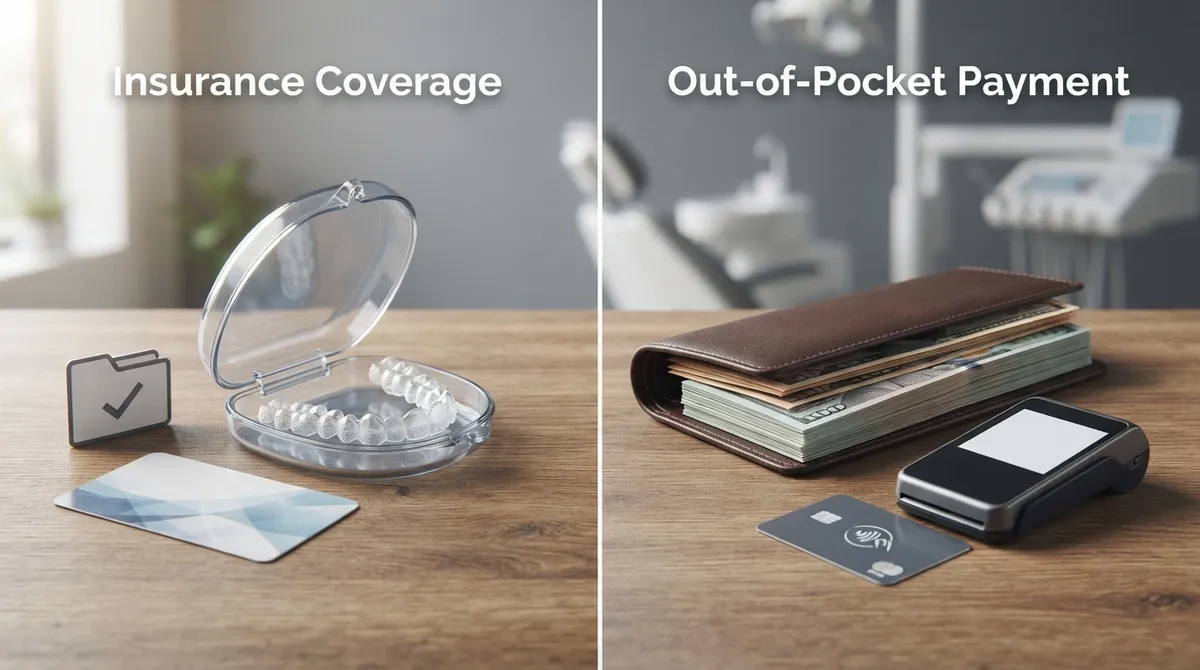
Let’s compare the two paths so you can see where you might land. Neither option is automatically “better” for everyone. It really comes down to your plan, your budget, and how much flexibility you need.
| Factor | Insurance-Assisted Payment | Out-of-Pocket Payment |
|---|---|---|
| Upfront Cost | Lower, since insurer covers a portion | Full price paid by patient |
| Approval Process | Requires verification and claims | No approval needed, faster start |
| Coverage Limits | Capped at lifetime orthodontic maximum | No cap, but full cost is yours |
| Adult Eligibility | Often limited or excluded | Available to everyone regardless of age |
| Flexibility | Tied to plan rules | Can combine with financing plans |
Many patients actually use a mix of both. They apply whatever insurance benefit they qualify for, then use Orthodontic Financing to cover the rest. This combo approach tends to work really well for busy parents and professionals alike.
How Much Do Insurance Plans Typically Pay?
This is where numbers help clear things up. According to data cited by Invisalign from OrthoFi in 2021, the average orthodontic coverage among insured U.S. patients was about $1,772. That same data showed that 92% of insured patients qualified for up to $3,000 in coverage, and 77% qualified for up to $2,000.
Most dental plans that include orthodontic benefits cover somewhere between 25% and 50% of the total treatment cost. But here’s the important part: that percentage usually applies only up to a lifetime maximum, which is often between $1,000 and $3,000 per person. Once you hit that cap, any further orthodontic costs become your responsibility.
Quick Facts About Insurance Coverage Amounts
- Average orthodontic coverage reported was around $1,772 per patient in 2021 data.
- 92% of insured patients qualified for coverage up to $3,000.
- 77% qualified for coverage up to $2,000.
- Typical coverage percentage ranges from 25% to 50% of treatment cost.
- Lifetime maximums commonly fall between $1,000 and $3,000.
These numbers can shift based on your specific insurer, employer plan, and state. That’s why checking your benefits early is so important before committing to a treatment plan.
Do Kids and Adults Get Treated the Same by Insurance?
Not usually, and this surprises a lot of people. Dental insurance plans have historically been built with children in mind, since childhood is when most orthodontic treatment used to happen. That means coverage for kids and teens tends to be more generous and straightforward.
Coverage for Children and Teens
If you’re a parent exploring Early Orthodontic Treatment or Teen Orthodontic Treatment, you’re likely in luck. Many family dental plans include orthodontic riders specifically for dependents under 18. This is one reason so many concerned parents in Lakewood Ranch bring their kids in early, once we spot signs that treatment might be needed down the road.
Coverage for Adults
Adult orthodontic coverage is trickier. Some plans exclude it entirely, while others offer a reduced benefit compared to what kids receive. If you’re considering Adult Orthodontics, don’t assume you’re out of luck just because you’re over 18. Many working professionals still qualify for partial coverage, especially if their employer offers a robust dental plan.
This matters a lot for adults returning to fix relapse after previous treatment, or professionals wanting discreet aligners without disrupting their career image. A quick call to your insurance provider, or a chat with our team, can clear up exactly where you stand.
Steps to Find Out If Your Aligners Are Covered
Figuring out your coverage doesn’t have to feel overwhelming. Here’s a simple step-by-step process we recommend to every new patient.
- Call your dental insurance provider and ask specifically about orthodontic benefits, not just general dental coverage.
- Ask if clear aligners are covered the same way as traditional braces under your plan.
- Find out your lifetime orthodontic maximum and how much of it, if any, you’ve already used.
- Ask whether coverage applies to adults, or only to dependents under a certain age.
- Bring your insurance details to your consultation so our team can help verify benefits with you.
- Ask about waiting periods, since some plans require you to be enrolled for a certain time before orthodontic benefits kick in.
Our front desk team handles insurance questions every single day, so don’t be afraid to lean on us for help. We want this process to feel simple, not stressful.
Why Some Insurers Call Aligners “Cosmetic”
This is one of the most frustrating parts of the whole insurance conversation. Some insurers still lump clear aligners into the “cosmetic” category, especially if there’s no documented bite issue or jaw misalignment. When something is labeled cosmetic, it usually means the insurer won’t pay toward it at all.
The good news? A proper evaluation from a board-certified orthodontist can help establish medical necessity. That’s exactly what happens during your visit with Orthodontist Flor Segovia. Dr. Segovia is a Board Certified Orthodontist who documents each case thoroughly, which can make a real difference when it comes to insurance approval.
Common Reasons Aligners Get Approved as Medically Necessary
- Crowded or overlapping teeth that affect chewing or hygiene
- Bite problems like overbite, underbite, or crossbite
- Jaw alignment issues that could lead to long-term dental damage
- Gaps between teeth that affect speech or function
- Teeth grinding or wear caused by misalignment
If your case falls into any of these categories, there’s a stronger chance your plan will treat your aligners as a covered orthodontic treatment rather than a cosmetic extra.
What About Traditional Braces vs. Aligners for Insurance Purposes?
Here’s something reassuring: most insurance plans that cover orthodontics don’t discriminate much between braces and aligners. Whether you choose Types Of Braces like WildSmiles or LightForce, or go with clear aligners, the benefit usually applies the same way.
That said, some older insurance plans were written before clear aligners became mainstream, so they may only mention “braces” by name. In those cases, it’s worth asking your insurer directly whether aligners qualify under the same benefit. Most modern plans have updated their language to include aligner therapy.
Quick Bullet Comparison: Braces vs. Aligners Coverage
- Both are typically covered under the same orthodontic benefit category
- Both are subject to the same lifetime maximum
- Both may require proof of medical necessity for adults
- Both often need pre-authorization before treatment begins
- Neither is usually covered at 100%, expect partial reimbursement only
If you’re torn between the two options, our article on Braces vs. Clear Aligners: Which Is Right for You? breaks down the differences beyond just insurance.
Making Aligners Affordable, Even Without Full Coverage
Let’s be real, even with insurance help, aligners are still an investment. But that doesn’t mean you have to pay it all at once or stress over the bill. Many families and busy professionals combine partial insurance coverage with a flexible payment plan.
Our team works with patients to structure monthly payments that fit real budgets. Whether you’re a parent managing a household budget or a young professional saving for other life goals, we want your smile journey to feel manageable, not like a financial burden.
Simple Ways to Stretch Your Coverage Further
- Use a Flexible Spending Account or Health Savings Account alongside insurance benefits.
- Ask about in-house financing options that spread costs over monthly installments.
- Start treatment early in the plan year to maximize annual benefit usage.
- Bundle family orthodontic treatments if multiple insurance benefits apply.
- Ask about seasonal promotions or consultation discounts.
We also recommend checking out our guide on How Much Do Clear Aligners Really Cost in 2026? for a deeper look at pricing beyond insurance.
Why Choose Segovia Orthodontics for Your Aligner Journey
At Segovia Orthodontics, we know insurance can feel like a maze. That’s why our team takes the time to walk you through your benefits step by step, so you’re never left guessing. We proudly serve families and adults throughout Lakewood Ranch with treatment options ranging from playful Wildsmiles Braces for kids to advanced Lightforce Orthodontics and Angel Aligners for teens and adults.
Dr. Segovia combines Advanced Orthodontic Technology with a warm, bilingual approach that makes patients of every age feel comfortable. You can learn more about what sets our practice apart on our Why Choose Us page.
Curious what other patients think? You can visit us on Google — Segovia Orthodontics to see real reviews from families just like yours. We also share smile transformations and behind-the-scenes moments on our Facebook page and our Instagram page.
For general guidance on orthodontic standards and certification, the American Board of Orthodontics is a great resource if you’d like to understand what board certification really means for your care.
Final Thoughts: Insurance Isn’t the Whole Story, But It Helps
Getting aligners covered by insurance isn’t guaranteed, but it’s absolutely worth exploring. Even partial coverage can shrink your total cost significantly, especially when you understand your plan’s lifetime maximum and percentage benefit. Whether you’re a parent planning ahead for your child, or an adult ready to finally fix that relapse from years ago, knowing your options puts you in control.
Ready to find out exactly what your plan covers? Our friendly team is here to help you every step of the way. Feel free to request an appointment today, or contact us with any questions about your coverage. You can also call us at 941-557-1333 and we’ll walk you through everything, no pressure, just honest answers.
FAQs
Q: Does dental insurance cover Invisalign or other clear aligners?
A: Many dental plans that include orthodontic benefits do cover clear aligners like Invisalign, often treating them the same as traditional braces. Coverage is usually partial, not full, so it’s always smart to check your specific plan details before starting treatment.
Q: How much do insurance plans usually pay for aligners?
A: Most plans cover between 25% and 50% of treatment costs, up to a lifetime maximum. Based on 2021 data cited by Invisalign, the average coverage was around $1,772, with many patients qualifying for up to $2,000 or $3,000.
Q: Are clear aligners covered the same way as braces?
A: In most cases, yes! Insurance plans that offer orthodontic benefits typically treat aligners and braces equally under the same coverage category. Just double check with your insurer since some older plans may only mention braces by name.
Q: Does orthodontic insurance cover adults?
A: It depends on the plan. Adult coverage is less common than coverage for kids and teens, and some plans limit or exclude it entirely. The good news is many adult patients still qualify for partial benefits, especially with employer dental plans.
Q: What is a lifetime orthodontic maximum?
A: This is the total dollar amount your insurance will ever pay toward orthodontic treatment for you, over your lifetime. Once you hit that cap, usually between $1,000 and $3,000, any additional orthodontic costs become your responsibility.
Our Service Area