Key Takeaways
-
Clear aligners can often fix mild to moderate crowding, but a personal in-person exam is needed to confirm whether your bite, jaw, and gums are a good fit.
-
Aligners need about 20 to 22 hours of wear per day; removing them only to eat, drink anything other than water, and brush is key to staying on schedule.
-
Severe crowding, large rotations over 15 degrees, and complex bite problems are less predictable with aligners, and braces or a combined approach may work better.
-
Space for crowded teeth is created through controlled movement, slight arch expansion, interproximal reduction (tiny enamel polishing), or extraction only in very limited cases.
-
Attachments and mid-treatment refinements are normal, since digital previews are treatment plans rather than guarantees of exact tooth movement.
-
Retainers are essential after treatment because teeth tend to drift back, and wearing them as directed helps protect your results long term.
If your teeth feel like a crowded elevator at rush hour, you are not alone. Crowding is one of the most common reasons people walk into an orthodontist’s office. And one of the first questions we hear is simple: can clear aligners fix crowded teeth?
The short answer is yes, in many cases. Clear aligners can work well for mild to moderate crowding. But the full answer depends on your bite, your jaw, your gums, and how much space your teeth need. That is why a personal exam matters more than any online quiz or digital preview.
Whether you are a parent wondering about your teen, a busy professional who wants a discreet option, or an adult whose smile shifted after old braces, this guide is for you. We will walk through 13 clear, friendly points so you know what to expect in 2026. Let’s dive in.
1. Yes, Clear Aligners Can Fix Many Crowded Teeth Cases
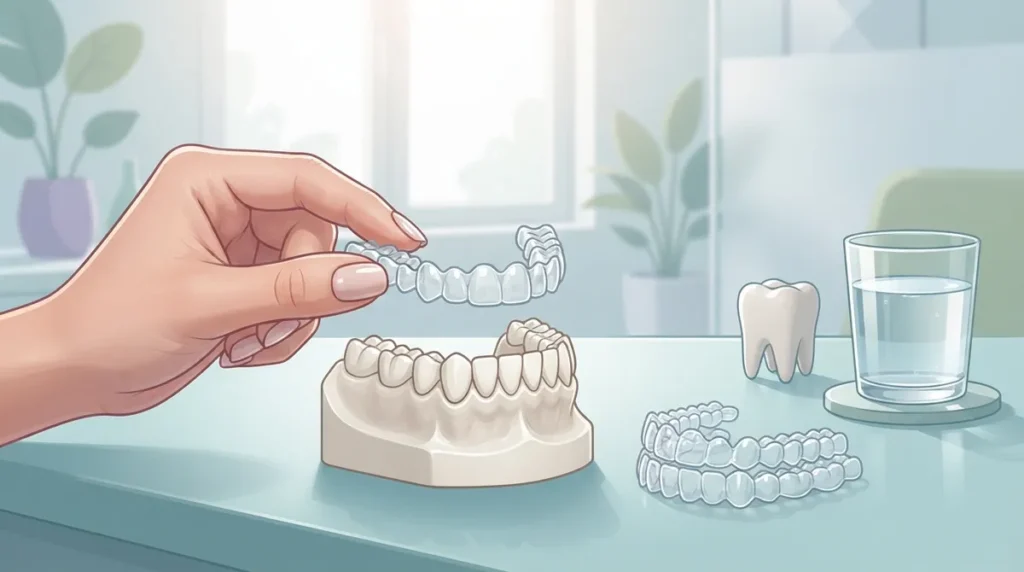
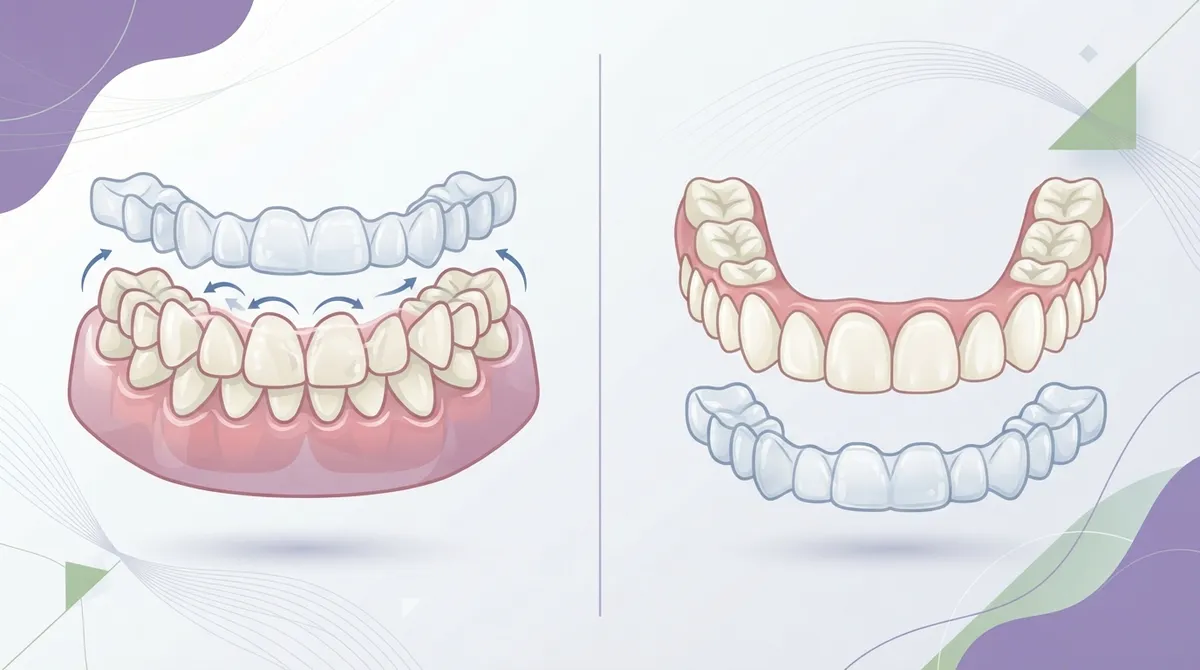
Clear aligners can correct many cases of crowding, especially mild to moderate ones. They work by moving your teeth a tiny bit at a time with a series of custom trays. Each tray nudges your teeth closer to their ideal spots.
An orthodontist must check your crowding and your bite first. That exam tells us if aligners are a good fit. At Segovia Orthodontics, we look at the whole picture, not just the front teeth. If you want to learn more about this option, our page on clear aligners is a great place to start.
2. First, Know What Crowding Really Means
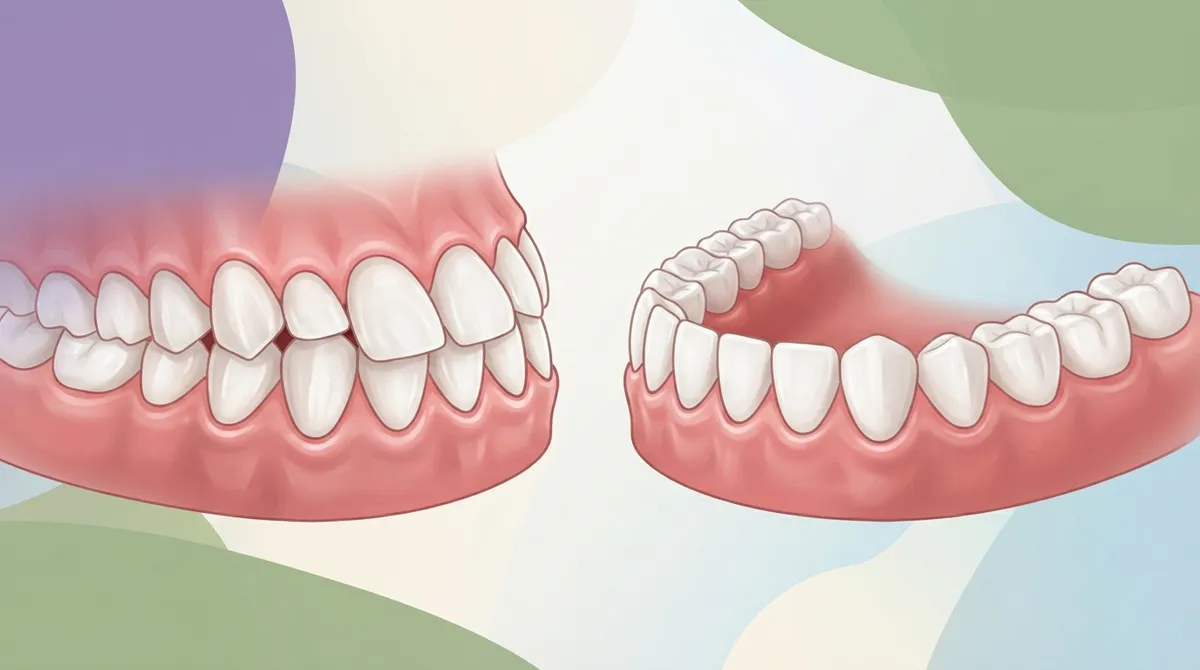
Crowding happens when there is not enough room in your jaw for all your teeth. Teeth then twist, overlap, or push forward and backward. It can be mild, moderate, or severe.
Here are common signs of crowding:
- Teeth that overlap or sit in front of one another
- Teeth that look twisted or turned
- Floss that shreds or gets stuck between teeth
- Areas that are hard to brush well
Crowding is not just about looks. Tight spots can trap plaque. You can read more about this in our guide to common orthodontic problems.
3. How Aligners Make Room for Crowded Teeth
Teeth cannot move into space that is not there. So the plan must create room first. Your orthodontist may use one or more of these tools:
- Controlled tooth movement: Gently shifting teeth to use space more evenly.
- Modest arch expansion: Widening the dental arch a small amount.
- Interproximal reduction (IPR): Carefully polishing tiny amounts of enamel between select teeth.
- Tooth extraction: Used only in some cases when space is very limited.
These methods are not interchangeable. The right one depends on your anatomy and your goals. Your orthodontist picks what fits your mouth, not a one-size-fits-all plan.
4. What Does the Research Say?
Studies give us helpful clues, but they are not promises. A 2022 retrospective study of selected aligner cases reported crowding-resolution predictability of 87% in the upper arch and 81% in the lower arch. That is encouraging. But it reflects that study’s sample and methods, not a guarantee for every patient.
A 2024 umbrella review found clear aligners effective for sideways tooth movement, including in cases with crowding. It also noted lower accuracy for rotations greater than 15 degrees. In plain words, aligners do well with many movements, but very twisted teeth can be trickier.
| Finding | What It Means for You |
|---|---|
| 87% upper, 81% lower crowding resolution (2022 study) | Many selected cases improved well, but results vary by patient |
| 49% upper, 42% lower predictability for IPR (same study) | Space-making steps do not always go exactly as planned |
| 55%–82% tooth-movement accuracy (2024 review) | Refinements are common and normal |
| Lower accuracy for rotations over 15 degrees | Very twisted teeth may need extra help |
The takeaway? Aligners can work well, and your orthodontist plans for the bumps along the way.
5. Mild to Moderate Crowding Is the Sweet Spot
Clinicians tend to feel most confident using aligners for milder cases. In a 2024 survey of orthodontists, 98.4% were comfortable using clear aligners for mild crowding. That number reflects clinician opinion, not patient results, but it shows how widely accepted aligners are for these cases.
If your teeth overlap a little or look slightly twisted, aligners may be a great match. Many young adults and career-focused professionals love this route because the trays are nearly invisible and removable for meals and meetings.
6. Severe Crowding May Need a Different Plan
Here is the honest part. In that same 2024 survey, 73.4% of orthodontists were not comfortable using aligners for severe crowding. Severe crowding, big rotations, extraction cases, or complex bite problems can be less predictable with aligners.
Braces or a combined approach may work better. The American Association of Orthodontists notes that aligners are not right for everyone and recommends an individual exam. We agree. If braces are the better fit, we will say so. You can explore options on our types of braces page or read Braces vs. Clear Aligners: Which Is Right for You?
7. Aligners vs. Braces for Crowded Teeth at a Glance
Both tools can straighten crowded teeth. They just shine in different situations. Here is a simple comparison:
| Feature | Clear Aligners | Braces |
|---|---|---|
| Best for | Mild to moderate crowding | Mild to severe or complex cases |
| Look | Nearly invisible | Visible brackets and wires |
| Removable | Yes | No, fixed in place |
| Wear needed | Depends on your patient discipline | Works around the clock automatically |
| Handling big rotations | Less predictable | Often more control |
At our office, we offer both. We also offer fast, fully digital LightForce braces and fun WildSmiles braces for kids and teens who like a little personality with their treatment.
8. Consistent Wear Is the Secret Ingredient
Aligners only work when they are in your mouth. Most plans call for around 20 to 22 hours of wear each day, but your orthodontist will give you exact instructions. Take them out to eat, drink anything besides water, and brush.
Here are simple habits that help:
- Keep a case with you at all times
- Set phone reminders after meals
- Brush before putting trays back in
- Swap to your next set on schedule
Skipping wear can slow progress and cause tracking problems. Our post on 7 clear aligner mistakes that can ruin your smile results shares what to avoid.
9. Attachments and Refinements Are Normal
Do not be surprised if your plan includes small tooth-colored bumps called attachments. They give the trays something to grip so they can move teeth more precisely. This is especially helpful when crowding involves rotation.
You may also need extra aligner sets, called refinements, near the end. Your first digital preview is a treatment plan, not a guarantee. Teeth are living things, and they do not always move exactly as predicted. A refinement just fine-tunes the finish.
10. About Interproximal Reduction (IPR)
IPR sounds intense, but it is gentle. We remove a very small amount of enamel between certain teeth to make a little room. Think of it like a slight polish, not a drill-and-fill.
It is done carefully and only where your teeth have enough enamel. Many people feel little to no discomfort. If your plan includes IPR, we will explain where, why, and how much before we begin. Never be shy about asking questions. Our guide on how to ask the right orthodontic questions can help you feel prepared.
11. How Long Does Treatment Take?
This is a favorite question, and the honest answer is: it depends. Treatment time varies with how much crowding you have, how many movements are needed, and how closely you wear your trays. A 2024 systematic review compared aligners and fixed appliances for crowding, but it did not give a single duration number we can rely on here.
So instead of promising a magic timeline, we create a personal estimate after your exam. Life event planners preparing for a wedding or graduation should tell us their date early. We can map out a realistic plan and talk about the best option for your timing.
12. Retainers Keep Your New Smile in Place
Once your teeth are straight, they want to drift back. That is normal. Retainers hold your results steady. Most people wear them nightly, and your orthodontist will explain the exact schedule.
This matters a lot for adults who had braces years ago and noticed crowding return. If that sounds like you, you are in good company. Relapse is common, and it is often fixable. Learn more about orthodontic retainers and how they protect your investment.
13. Who Is a Good Candidate? Finding Out at Your Visit
You are more likely to be a good candidate if you have mild to moderate crowding, healthy gums, and a good bite. You will also need to commit to wearing your trays. Different readers have different needs:
- Parents of kids and teens: Aligners can work for older kids and teens who are responsible with wear. Younger kids often benefit from early orthodontic treatment.
- Young adults and busy professionals: Aligners offer a discreet look with fewer surprises in your calendar.
- Adults with relapse: Mild shifting is often a great aligner case. See our page on adult orthodontics.
Dr. Flor Segovia is a board-certified orthodontist who uses advanced digital tools to plan each case. You can learn more about her background on our Orthodontist Flor Segovia page. The American Board of Orthodontics offers helpful information about board certification at American Board of Orthodontics. We also offer Angel Aligners, which use AI-driven planning and a flexible wear schedule that many patients find comfortable and budget-friendly.
Want to see what other families say? You can visit our Segovia Orthodontics location on Google to read reviews, or say hello on our Facebook page and our Instagram page. For a deeper look at fixing this issue locally, see how to fix crowded teeth in Lakewood Ranch.
Your Next Step Toward a Straighter Smile
So, can clear aligners fix crowded teeth? For many people with mild to moderate crowding, yes. For more complex cases, braces or a blended plan may give you the best result. The only way to know for sure is a personal exam with an orthodontist who listens to your goals.
If you are ready to find out which path fits you, we would love to meet you. You can request an appointment online, or call us at 941-557-1333. We are here to make the process comfortable, clear, and even a little fun.
FAQs
Q: Can clear aligners fix severely crowded teeth?
A: Sometimes, but severe crowding is less predictable with aligners. Braces or a combined approach may give you better control. An in-person exam is the best way to know which path fits your smile.
Q: Will I need teeth removed to treat crowding with aligners?
A: Not always! Many cases use gentle movement, slight arch expansion, or tiny enamel reduction to make room. Extraction is only used in some cases when space is very limited, and your orthodontist will explain why before anything happens.
Q: How many hours a day do I need to wear clear aligners?
A: Most plans call for about 20 to 22 hours a day, though your orthodontist will give you exact instructions. Take them out to eat and brush, then pop them right back in so your teeth keep moving on schedule.
Q: Do crowded teeth move back after clear aligner treatment?
A: They can, which is why retainers matter so much. Wearing your retainer as directed helps hold your new smile in place. Your orthodontist will go over your retention plan before treatment even begins.
Our Service Area