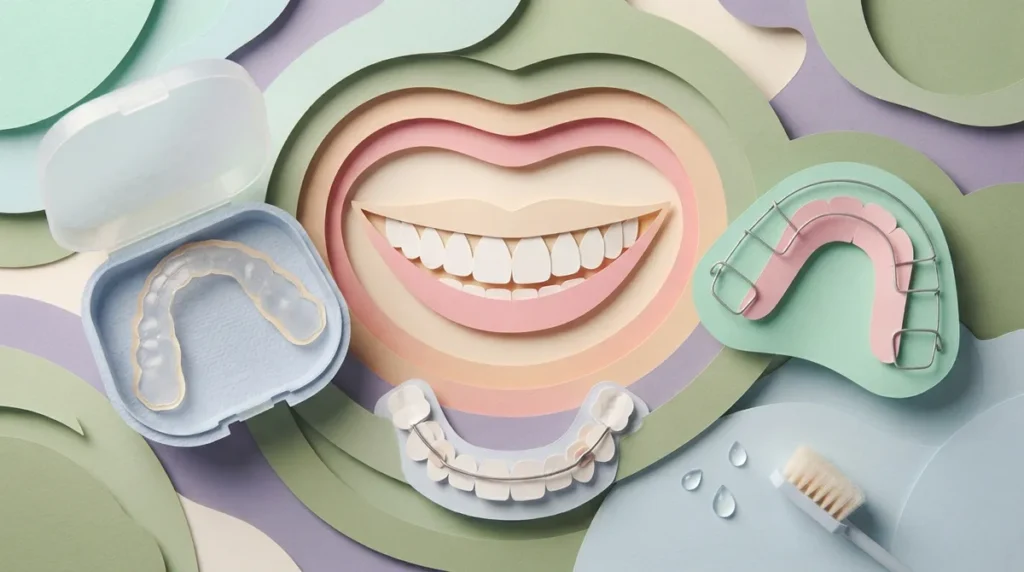
Key Takeaways
-
Teeth naturally shift after braces come off through orthodontic relapse; relapse can start within months of stopping retainer wear, making consistent retainer use essential to protect your orthodontic investment.
-
Most patients start with full-time retainer wear for a few months, then transition to nighttime-only wear, with many orthodontists recommending some form of nightly wear indefinitely since teeth can shift at any age.
-
There are three main retainer types: clear plastic (discreet but needs careful handling), Hawley wire retainers (durable and adjustable), and fixed bonded retainers (permanent but require meticulous flossing and regular checkups).
-
Clean removable retainers with cool water and soft brushes—never use hot water as it warps plastic—and always store in a case to avoid losing them, which is one of the most common preventable mishaps.
-
If teeth have already shifted after stopping retainer wear, a simple retainer won't reverse the movement; your orthodontist may recommend new clear aligners or a refinement with braces to correct the shifting.
-
Fixed retainers require extra care with floss threaders or water flossers to prevent plaque buildup around the wire, which can lead to gum irritation, decay, or enamel damage without proper hygiene and regular checkups.
You did it! The braces are off, and your new smile is finally showing. But before you toss your orthodontist’s number in a drawer, there’s one more chapter to your smile story: retainers. Many patients think treatment ends the day braces come off, but that’s not quite true. Retainers are the quiet heroes that protect all the hard work you just put in. Let’s talk about what you really need to know about orthodontic retainers so your smile stays as beautiful as the day you finished treatment.
Whether you’re a busy mom managing your teen’s post-braces routine, a young professional who just finished clear aligners, or an adult who’s had braces before and wants to avoid a repeat, this guide is for you. We’ll cover the types of retainers, how long you’ll wear them, and what happens if things go wrong. Think of this as your friendly, no-stress roadmap to keeping that smile you worked so hard for.
Why Retainers Matter So Much After Braces
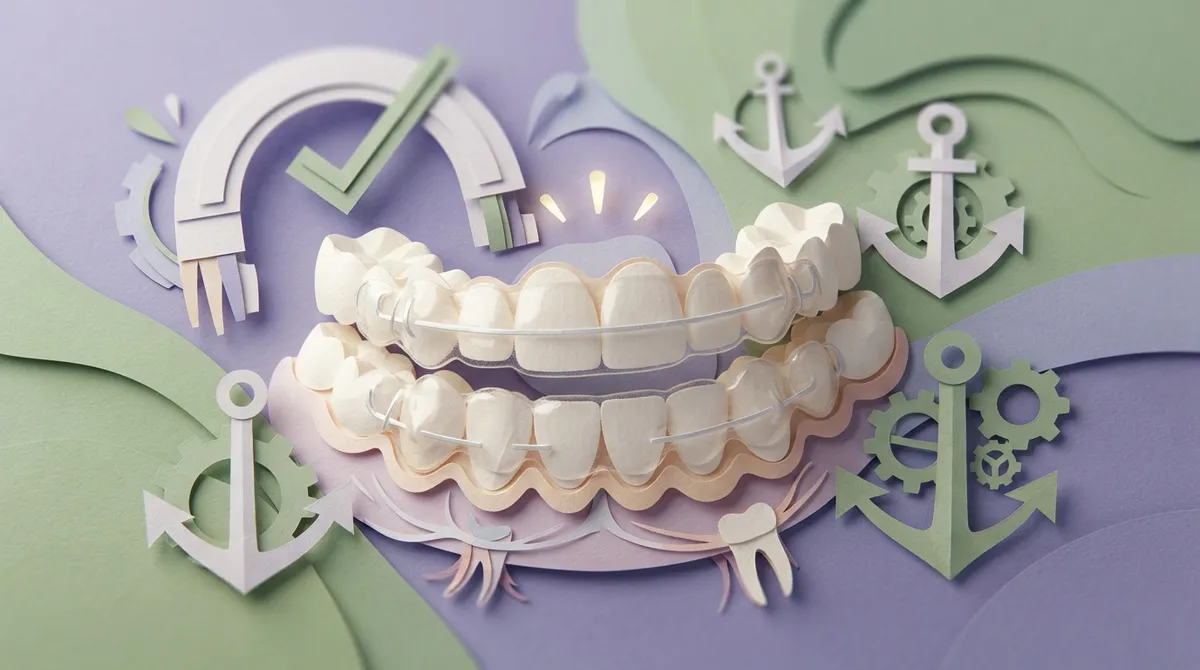
Here’s the truth nobody loves to hear: teeth want to move. Even after months or years of braces or aligners, your teeth and the bone around them are still settling into place. This natural shifting is called orthodontic relapse, and it’s the number one reason retainers exist.
The American Board of Orthodontics and the American Association of Orthodontists both agree: wearing your retainer exactly as instructed is the best way to protect your results. Skipping retainer wear, even for a few weeks, can allow teeth to drift back toward their old positions. That’s why our team at Segovia Orthodontics always stresses this step just as much as the braces themselves.
- Teeth and gum tissue need time to stabilize after treatment.
- Relapse can start within just a few months of stopping retainer wear.
- Retainers hold your teeth steady while your bone and ligaments adjust.
- Consistent wear protects your investment in time, money, and confidence.
Types of Retainers You Might Get
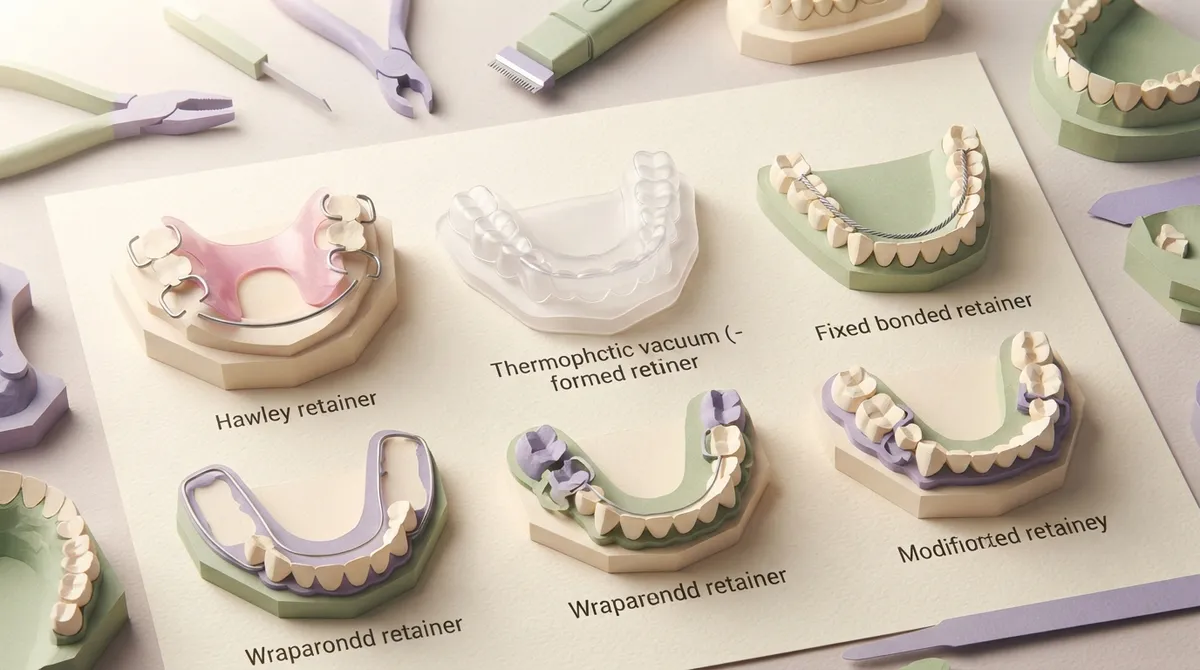
Not all retainers look or work the same way. Your orthodontist will pick the best option for you based on your bite, your treatment history, and even how well you keep up with oral hygiene. Here’s a simple breakdown of the most common types.
| Retainer Type | What It’s Made Of | Best For | Care Notes |
|---|---|---|---|
| Clear Plastic (Essix) | Vacuum-formed clear plastic | Patients wanting a discreet look | Avoid hot water; clean daily |
| Hawley Retainer | Acrylic and metal wire | Patients needing durability and adjustability | Easy to clean; can be adjusted by orthodontist |
| Fixed (Bonded) Retainer | Thin wire bonded behind teeth | Patients who want a “set it and forget it” option | Requires careful flossing and regular checkups |
Removable options like clear plastic and Hawley retainers give you flexibility, while fixed retainers stay in place around the clock. Many patients actually use a combination: a fixed retainer on the lower front teeth and a removable one for the upper arch. Your orthodontist will help you figure out what combination fits your smile and your lifestyle.
How Long Do You Really Need to Wear a Retainer?
This is probably the most common question we hear. The honest answer? It depends on you. But here are some general patterns that guidelines and research support.
- Full-time wear at first. Many patients wear their retainer almost all day and night for the first few months after braces come off. This helps lock in your new smile while things are still settling.
- Transition to nights only. After the initial period, most orthodontists shift patients to nighttime-only wear. Some guidelines recommend nightly wear for at least the first year.
- Long-term part-time wear. After that first year, many patients move to wearing their retainer every other night or a few nights a week, but this varies by individual.
- Lifelong maintenance. Since teeth can shift at any age, many orthodontists recommend some form of nighttime retainer wear indefinitely.
One study reported that about 67% of orthodontic results held steady after 10 years of consistent retention, though other research found more noticeable relapse over 10 to 20 years without proper wear. The takeaway? Don’t rely on a one-size-fits-all schedule you read online. Your orthodontist will give you a personalized plan based on your bite and your treatment.
Caring for Your Retainer the Right Way
A retainer is only helpful if it’s clean, intact, and fits well. Here’s how to keep yours in great shape.
Cleaning Removable Retainers
- Rinse with cool or lukewarm water after every use.
- Brush gently with a soft toothbrush and a non-abrasive cleaner.
- Never use hot or boiling water, since it can warp the plastic.
- Soak occasionally in a retainer-cleaning solution recommended by your orthodontist.
Caring for Fixed Retainers
Fixed retainers need a bit more attention because food and plaque can build up around the wire. Brushing thoroughly and flossing with a floss threader or water flosser is essential. Skipping this step can lead to gum irritation, decay, or even enamel damage over time. That’s why regular checkups matter, so your orthodontist can confirm the wire is still bonded and your gums are healthy.
Storing and Handling Your Retainer
Losing a retainer is one of the most common (and avoidable) mishaps we see. Here are a few simple habits that can save you a headache later.
- Always store your retainer in its case when it’s not in your mouth.
- Never wrap it in a napkin at a restaurant. Too many retainers end up in the trash this way!
- Keep it away from pets, since dogs seem to love the smell of them.
- Bring your case with you when traveling so you don’t leave it behind in a hotel room.
What to Do If Something Goes Wrong
Life happens. Retainers get lost, cracked, or suddenly feel too tight. Here’s what you should do in each situation.
- Lost retainer: Contact your orthodontist right away. The longer you wait, the more your teeth may shift.
- Broken retainer: Don’t try to fix it with glue or tape. Call your orthodontist for a replacement.
- Tight or uncomfortable fit: This could mean your teeth have already shifted slightly. Never force a retainer into place, as this can damage your teeth or gums.
- Loose fixed retainer: If you feel a wire poking or notice it’s come unbonded, schedule a visit as soon as possible.
If you ever experience one of these issues, don’t panic. Our team is always ready to help with an orthodontic emergency so you can get back on track quickly.
Can a Retainer Fix Teeth That Have Already Shifted?
This is an important thing to understand. Retainers are designed to hold your teeth in place, not to move them significantly. If you’ve noticed some shifting after stopping retainer wear, a simple retainer usually won’t reverse it.
In these cases, your orthodontist might recommend a new retainer, a short round of clear aligners, or a small refinement with braces to correct the movement. This is actually a common reason adults return to orthodontic care. If this sounds like you, you’re definitely not alone, and it’s completely treatable with the right plan.
Retainers and Your Lifestyle
Retainers don’t have to disrupt your daily routine. In fact, most patients adjust to them within just a few days. Here are some quick lifestyle tips.
- Take removable retainers out before eating or drinking anything other than water.
- Brush your teeth before putting your retainer back in to avoid trapping food particles.
- If you play sports, ask about a protective option that works with your retainer.
- For clear retainers, avoid coffee, tea, or red wine right after inserting them, since they can stain the plastic.
Whether you’re a teen juggling sports and school, a professional heading into back-to-back meetings, or a parent managing a busy household, retainers can fit into your life without much fuss.
Why Choose Segovia Orthodontics for Retainer Care
At Segovia Orthodontics in Lakewood Ranch, we believe your smile journey doesn’t end when your braces come off. Dr. Flor Segovia and our team walk you through every step of retainer care, from choosing the right type to answering questions during checkups. We know life gets busy, so we work to make appointments simple and stress-free for the whole family.
Many of our patients love sharing their retainer success stories and finished smiles with us. You can see what our Segovia Orthodontics patients are saying by checking out our Facebook page or browsing real smile transformations on our Instagram page. We also invite you to see what our Segovia Orthodontics customers say on Google by visiting our Google Business Profile.
Bringing It All Together
Retainers might not be as exciting as picking out colorful bands for your braces or watching your clear aligners straighten your smile week by week. But they are just as important. Think of your retainer as the final, quiet step that locks in everything you worked so hard for.
Whether you’re wearing a Hawley retainer, a clear plastic tray, or a fixed wire behind your teeth, the goal is the same: keep that beautiful smile exactly where it belongs. Stick to your orthodontist’s schedule, clean your retainer properly, and don’t hesitate to reach out if something feels off.
Ready to talk about your retainer options or schedule a checkup? We’d love to help. Feel free to contact us with any questions, request an appointment online, or simply call us at 941-557-1333. Your smile deserves this last step, and we’re here to make it easy.
FAQs
Q: How long do I need to wear retainers after braces?
A: Most patients start with full-time wear for a few months, then move to nights only. Many orthodontists recommend some nighttime wear for years, even indefinitely, since teeth can shift at any age. Your orthodontist will give you a schedule made just for you.
Q: Do I have to wear my retainer for the rest of my life?
A: Many people do wear a retainer at night long-term to protect their smile, since teeth naturally shift over time. It might feel like a lot at first, but a few nights a week is a small trade-off for keeping your smile looking great.
Q: Can I eat or drink while wearing a removable retainer?
A: It’s best to take your retainer out before eating or drinking anything besides water. This keeps it clean, avoids damage, and protects it from getting warped or stained.
Q: What should I do if my retainer is lost, broken, or doesn’t fit anymore?
A: Don’t wait it out. Reach out to your orthodontist right away so your teeth don’t have a chance to shift. A quick call or visit can get you a replacement or an adjustment before things become a bigger issue.
Q: Can my teeth move back after braces if I stop wearing my retainer?
A: Yes, this is called orthodontic relapse and it’s very common when retainers aren’t worn as directed. The good news is that if it happens, your orthodontist can usually help you get back on track with a new retainer or short treatment plan.
Our Service Area