
Key Takeaways
-
Orthodontists complete additional residency training beyond dental school specifically focused on tooth alignment and bite correction, making them specialists distinct from general dentists who handle overall oral health.
-
The American Association of Orthodontists recommends children receive their first orthodontic evaluation by age 7 to catch alignment issues early, though early evaluation doesn't always mean immediate treatment.
-
Nearly 2 million adults were in active orthodontic treatment in 2024, and adult patients often achieve faster results due to higher motivation and consistency with their treatment plans.
-
Before committing to orthodontic treatment, verify your specialist's credentials by confirming they completed an accredited residency and checking board certification status through the American Board of Orthodontists.
-
Modern treatment options like LightForce digital brackets can reduce treatment time by up to 45% compared to traditional braces, while clear aligners and white brackets provide discreet alternatives for image-conscious patients.
-
Maintaining good oral hygiene with twice-daily brushing and daily flossing during treatment, plus consistent retainer use after active treatment ends, is critical to preventing tooth relapse later in life.
Picking the right orthodontics specialist can feel a little overwhelming. Maybe your child’s teeth look crowded. Maybe you’re an adult who never got braces and wonders if it’s too late. Or perhaps you’re getting married soon and want a smile that photographs beautifully. Whatever your reason, you deserve clear answers and a friendly face guiding you along the way.
Here’s some good news: you’re not alone in this journey. The American Association of Orthodontists reports about 8.45 million patients were in active treatment across the United States and Canada in 2024. That’s a lot of smiles being transformed! At Segovia Orthodontics in Lakewood Ranch, Dr. Flor Segovia and her team see families, teens, and adults every week who are exactly where you are right now: curious, a little unsure, and ready to learn more.
This guide will walk you through what an orthodontics specialist actually does, how they’re different from your regular dentist, and how to choose one you can trust. We’ll also cover common questions so you feel confident before your first visit.
What Exactly Is an Orthodontics Specialist?
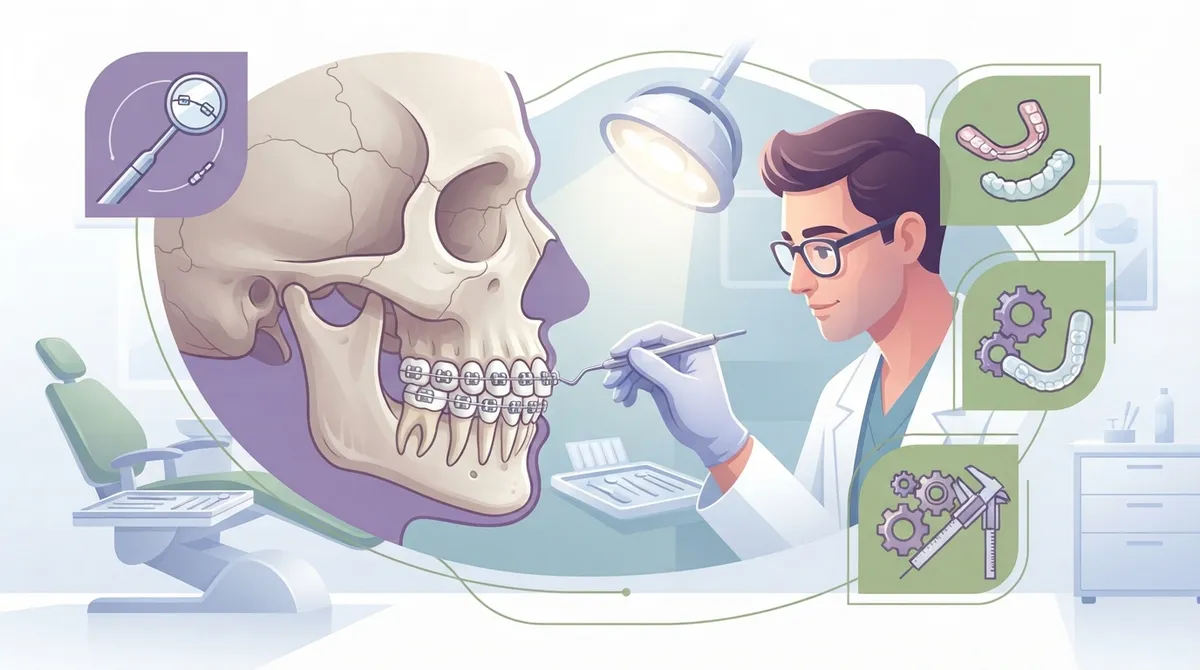
An orthodontics specialist, usually called an orthodontist, is a dental professional with extra years of training beyond dental school. They focus specifically on straightening teeth, fixing bites, and guiding jaw growth. Think of them as the specially trained expert your general dentist calls in for alignment issues.
While your family dentist keeps your teeth and gums healthy overall, an orthodontist has completed additional residency training focused only on tooth movement, bite correction, and facial development. This extra education matters, especially for tricky cases involving jaw growth or complex bite problems.
Key Things an Orthodontics Specialist Does
- Diagnoses crowding, gaps, crossbites, overbites, and underbites
- Creates personalized treatment plans using braces, aligners, or other appliances
- Monitors jaw and facial growth in growing children
- Coordinates with oral surgeons for complex cases
- Provides retainers to protect your results long term
- Tracks progress through regular check-ins and adjustments
For a deeper look at exactly what happens behind the scenes, check out our article on what does an orthodontist actually do for your smile.
Orthodontist vs. General Dentist: What’s the Real Difference?
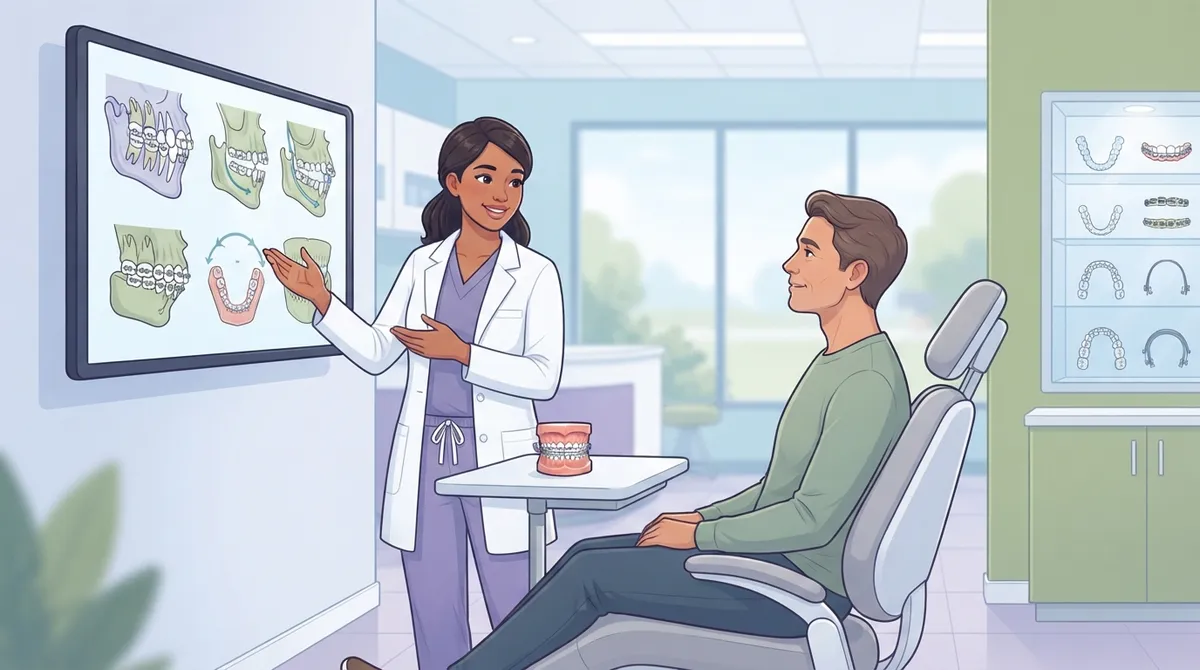
This is probably the most common question we hear. Your general dentist is like your primary care doctor for your mouth. They handle cleanings, fillings, and overall oral health. An orthodontics specialist is more like a focused expert, similar to how a cardiologist specializes in hearts.
| Feature | General Dentist | Orthodontics Specialist |
|---|---|---|
| Training Focus | Overall oral health | Tooth alignment and bite correction |
| Extra Schooling | Dental school only | Dental school plus orthodontic residency |
| Common Services | Cleanings, fillings, crowns | Braces, clear aligners, retainers, expanders |
| Jaw Growth Monitoring | Limited | Specialized training in facial growth |
| Complex Bite Cases | Refers out | Diagnoses and treats directly |
Want more detail on this comparison? Our article general dentist vs. orthodontist: which one should you choose breaks it down even further.
When Should Your Family See an Orthodontics Specialist?
Timing matters more than most parents realize. The American Association of Orthodontists recommends kids get their first orthodontic check-up by age 7. That doesn’t mean treatment starts then, but early evaluation can catch problems while they’re easier to fix.
Signs Your Child May Need an Evaluation
- Baby teeth falling out very early or very late
- Difficulty chewing or biting food
- Mouth breathing or thumb-sucking habits past age 5
- Teeth that don’t meet properly when the mouth closes
- Jaws that shift or make sounds when opening and closing
- Crowded, misplaced, or blocked-out teeth
- Protruding front teeth
If any of these sound familiar, don’t panic. Early evaluation doesn’t always mean early treatment. Sometimes it just means keeping an eye on things. Learn more in our guide on early orthodontic treatment.
Do Adults Really Benefit From Seeing an Orthodontist?
Absolutely, and you’re in great company. AAO data shows approximately 1.91 million adults were in active treatment with AAO member orthodontists in 2024 alone. Adult smiles shift over time, especially if you wore retainers inconsistently after braces years ago.
Many adults come to us after noticing their teeth have relapsed since their teenage treatment. This is incredibly common, and it doesn’t mean anything went wrong before. Teeth naturally want to move throughout life. The good news? Adult patients tend to be highly motivated and consistent, which often leads to smoother, faster results.
Whether you’re preparing for a wedding, starting a new job, or simply tired of hiding your smile in photos, our adult orthodontics options are designed with your busy life in mind.
Popular Discreet Options for Adults
- Clear aligners that are nearly invisible during treatment
- Clear or white braces that blend with your natural tooth color
- Faster treatment technology that shortens overall time in appliances
- Flexible scheduling to fit around demanding work calendars
What Happens During Your First Orthodontic Consultation?
Walking into a new office can feel intimidating, so let’s demystify it. Your first visit is really just a conversation and a look at your smile. Here’s what typically happens:
- You’ll fill out a quick health and dental history form
- The orthodontist examines your teeth, jaw, and bite alignment
- Photos and, if needed, digital scans or X-rays are taken
- Your specialist explains what they see and what options exist
- You’ll discuss treatment timelines, costs, and next steps together
Nobody expects you to make a decision on the spot. This visit is about gathering information and asking questions. Curious about what else to expect? Read our detailed breakdown of what happens during an orthodontic evaluation.
Treatment Options You Might Be Offered
No two smiles are the same, so treatment plans shouldn’t be either. Here’s a quick look at common approaches an orthodontics specialist may recommend.
Braces: Fun and Functional Choices
Traditional metal braces remain a reliable, effective option for many cases. At our office, we also offer WildSmiles Braces, which use fun shapes like stars, hearts, and even Mickey Mouse designs to make treatment exciting for kids. When children enjoy their braces, they tend to brush better and stick with their care routine.
We also offer LightForce Orthodontics, a fully digital, 3D-printed bracket system custom-built for each tooth. This technology can reduce treatment time by up to 45% compared to traditional one-size-fits-all brackets, while also offering clear or white bracket options for a more subtle look.
Clear Aligners for a Nearly Invisible Option
For patients who want something discreet, clear aligners are a popular choice. We also offer Angel Aligners, which use a smart wear schedule and AI-driven planning to potentially speed up treatment while keeping costs more manageable than some premium aligner brands.
Retainers: Protecting Your New Smile
Once your active treatment ends, retainers keep everything in place. Skipping this step is one of the most common reasons smiles shift back later in life. Learn why in our article on orthodontic retainers.
How Long Does Orthodontic Treatment Usually Take?
This varies quite a bit depending on your specific situation. Simple cases might wrap up in under a year. More complex bite corrections can take two years or longer. Your orthodontics specialist will give you a personalized estimate after your evaluation, based on factors like:
- How crowded or misaligned your teeth currently are
- Whether jaw growth needs to be guided or corrected
- Your age and how your bones respond to treatment
- How consistently you wear aligners or attend adjustment visits
- Whether you’re using traditional braces or faster digital technology
How to Verify an Orthodontics Specialist’s Credentials
This step matters more than people realize. Not every dentist who offers braces has completed formal orthodontic residency training. Before committing to treatment, it’s smart to check credentials.
Steps to Verify Qualifications
- Ask directly whether they completed an accredited orthodontic residency
- Check board certification status through the American Board of Orthodontics
- Ask who will personally diagnose and supervise your treatment
- Request clarity on treatment alternatives, not just one product option
- Get clear answers about fees, appointment frequency, and emergency care
Dr. Flor Segovia is proud to be a board certified orthodontist, meaning she’s gone through rigorous additional testing beyond her residency training. This gives families extra peace of mind when choosing a specialist for their care.
What Makes a Great Orthodontic Practice for Families?
Beyond credentials, the right fit also comes down to comfort and convenience. Busy parents juggling school schedules need flexible appointment times. Working professionals need efficient visits that don’t eat up their entire lunch break. Here’s what to look for:
- Flexible scheduling, including early morning or after-school slots
- A warm, welcoming office atmosphere for kids and adults alike
- Bilingual staff if English isn’t your family’s first language
- Advanced technology that speeds up visits and improves accuracy
- Clear financing options that fit your household budget
Segovia Orthodontics offers bilingual care in English and Spanish, along with advanced orthodontic technology designed to make every visit smoother. You can also explore orthodontic financing options to make treatment fit comfortably into your budget.
What About Emergencies During Treatment?
Life happens. A wire pokes, a bracket comes loose, or a retainer cracks unexpectedly. Knowing your orthodontics specialist offers guidance for these moments brings real peace of mind. Before starting treatment, ask how the office handles orthodontic emergencies and whether same-day appointments are available when needed.
Why Good Oral Hygiene Matters Before Treatment Begins
Before any braces or aligners go on, your mouth needs to be in good shape. Active cavities or gum disease should be treated first. Braces and aligners can make brushing more challenging, so starting with a clean, healthy baseline really helps.
Simple daily habits make a big difference during treatment:
- Brush after every meal, especially with braces
- Floss daily using floss threaders or water flossers if needed
- Limit sticky, hard, or sugary foods that damage brackets
- Keep up with regular dental cleanings alongside orthodontic visits
Ready to Take the Next Step?
Choosing the right orthodontics specialist is one of the best investments you can make in your family’s confidence and health. Whether you’re exploring options for your 7-year-old, considering aligners before a big event, or finally correcting a smile that shifted after your teenage braces, Segovia Orthodontics at Lakewood Ranch is here to help every step of the way.
Curious what real patients think? You can visit us on Google — Segovia Orthodontics to read honest reviews from families just like yours. You can also follow along with smile transformations and office updates on our Facebook page and our Instagram page.
There’s no better time than now to start your journey toward a smile you’ll love. Request an appointment today and let Dr. Flor Segovia and her caring team show you what personalized orthodontic care really feels like. You can also call us at 941-557-1333 if you have questions before booking your first visit.
FAQs
Q: What does an orthodontics specialist actually do?
A: An orthodontics specialist diagnoses and treats problems with tooth alignment, bites, and jaw growth. They create personalized plans using braces, aligners, or other appliances to guide your teeth into their ideal position. Think of them as the expert your dentist calls in when alignment gets tricky!
Q: What’s the difference between a general dentist and an orthodontist?
A: Your general dentist handles overall oral health like cleanings and fillings, while an orthodontist has completed extra residency training focused specifically on alignment and bite correction. It’s a bit like the difference between a family doctor and a specialist you’re referred to for something specific.
Q: At what age should my child see an orthodontics specialist?
A: The American Association of Orthodontists recommends a first check-up by around age 7. Don’t worry, this usually just means an evaluation, not immediate treatment. Early visits help catch potential issues while they’re still easy to manage!
Q: Can adults really benefit from orthodontic treatment?
A: Absolutely, and you’d be joining nearly 2 million adults currently in treatment across the U.S. Many adults come in after their smile shifted post-braces, and they’re often our most consistent, motivated patients. It’s honestly never too late to feel confident in your smile.
Q: How can I check if an orthodontist is properly qualified?
A: Ask directly about their residency training and check their board certification status through the American Board of Orthodontics. A trustworthy specialist will happily answer these questions and explain their credentials with pride, not hesitation.
Our Service Area