
Key Takeaways
-
Clear aligners achieve 55-82% accuracy for tooth movement and work best for mild-to-moderate crowding; wear them 20-22 hours daily for predictable results within 6-18 months.
-
Interproximal reduction (removing tiny amounts of enamel between teeth) and limited arch expansion create space for crowded teeth without extractions, planned precisely using digital scans beforehand.
-
Clear aligners use tooth-colored attachments and elastics for complex movements like rotations, with Angel Aligners offering a 7+3 schedule (7 days flexible tray, 3 days firmer tray) to speed up tooth movement.
-
Not all crowding cases suit aligners; severe crowding may require traditional braces or extractions, making a proper orthodontic evaluation essential before starting treatment.
Crowded teeth are one of the most common smile concerns we see at our Lakewood Ranch office. Maybe you’re a busy mom noticing your teen’s teeth overlapping more each year. Maybe you’re a professional who’s always wanted straighter teeth but dreads the idea of metal brackets before an important career move. Whatever brought you here, we’re glad you found us. The good news? Clear aligners have become a genuinely effective way to treat crowded teeth for many patients, and they do it without anyone even noticing you’re in treatment.
In this article, we’ll walk through five key ways aligners for crowded teeth actually work, what the research says about their effectiveness, and how to know if this treatment path fits your smile goals. Dr. Flor Segovia and our team have helped countless patients in the Lakewood Ranch and Bradenton area achieve straighter smiles with clear aligner therapy. Let’s get into it.
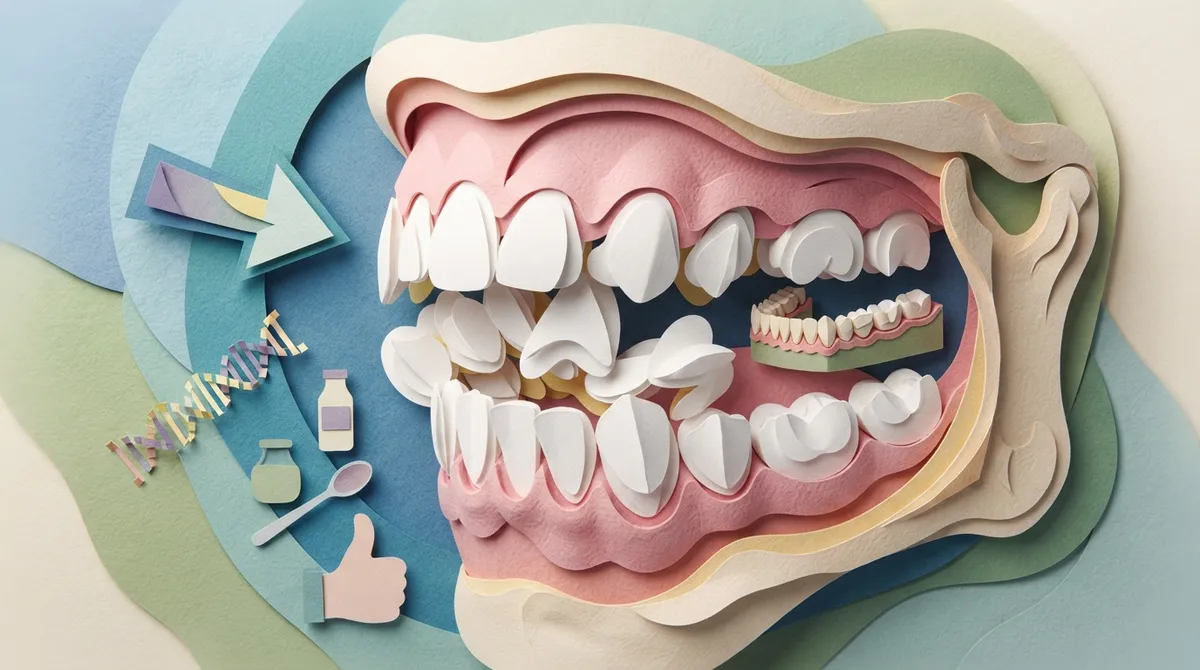
Understanding Crowded Teeth and Why They Happen
Crowded teeth happen when there simply isn’t enough room in your jaw for all your teeth to sit comfortably. Teeth twist, overlap, or push forward, and over time this can look worse without treatment. Genetics, early tooth loss, and even thumb-sucking habits during childhood can all contribute to crowding.
The American Association of Orthodontists lists cramped or crowded teeth among the common conditions that aligners can treat, though they’re careful to note that aligners aren’t the right fit for every case. That’s exactly why a proper evaluation matters so much before starting any treatment. You can learn more about what causes this issue in our guide on crowded teeth vs. normal spacing.

5 Ways Clear Aligners Address Crowded Teeth
1. Gentle, Staged Tooth Movement
Clear aligners work through a series of custom-made trays, each one nudging your teeth just a little bit closer to their ideal position. Every one to two weeks, you switch to a new tray in the series. This gradual approach is comfortable and predictable for mild-to-moderate crowding.
Angel Aligners, one of the treatment options we offer, use a smart “7+3” wear schedule. You wear a flexible tray for 7 days, followed by a firmer tray for 3 days. This can speed up tooth movement and mean fewer trips to our office for check-ins.
2. Interproximal Reduction to Create Space
Sometimes crowding is caused by teeth simply being too big for the available space. Orthodontists use a technique called interproximal reduction, which carefully removes tiny amounts of enamel between teeth. This creates just enough room for teeth to shift into better alignment without needing extractions.
This step is planned out in advance using digital scans, so there are no surprises during treatment. It’s a precise, minimally invasive way to solve a common crowding problem.
3. Limited Arch Expansion
In certain cases, aligners can widen the dental arch slightly to make more room for crowded teeth. This isn’t the same as jaw expansion used in younger patients, but rather a gentle repositioning of teeth within the existing arch. It works best for mild crowding and is often combined with interproximal reduction for the best results.
4. Attachments and Elastics for Precise Control
Clear aligners alone can’t always achieve every movement needed. That’s where tooth-colored attachments come in. These small bumps are bonded to certain teeth and give the aligner tray extra grip, allowing for more complex movements like rotations.
Elastics, similar to rubber bands used with traditional braces, may also be added to help correct bite issues that often accompany crowding. Angel Aligners even build some attachment points directly into the tray, which can reduce the number of add-ons needed on your teeth.
5. Consistent Wear for Predictable Progress
Here’s the part that depends entirely on you: aligners need to be worn 20 to 22 hours a day to work as planned. That means keeping them in except when eating, drinking anything besides water, and brushing your teeth.
A 2025 scoping review found that patient dropout rates in aligner studies ranged widely, from about 2.6% to nearly 38.5%. That’s a big range, and it highlights just how much personal consistency matters. Life event planners preparing for a wedding or graduation especially benefit from staying on schedule, since missed wear time can push back your reveal date.
How Effective Are Aligners for Crowded Teeth, Really?
Let’s talk numbers for a moment, because we know some of you like the data. A 2024 umbrella review of clinical studies found that clear aligners achieve roughly 55% to 82% accuracy across different types of tooth movement. That’s not a personal guarantee, but it does show aligners can be quite reliable for many cases, especially straightforward crowding corrections.
That same review noted aligners were less predictable for rotations greater than about 15 degrees, and for some bite corrections. This doesn’t mean aligners can’t help with these issues. It just means your orthodontist may need to plan more carefully, add refinement trays, or occasionally recommend a different approach for the trickiest movements.
Aligners vs. Braces for Crowded Teeth: A Quick Comparison
| Factor | Clear Aligners | Traditional Braces |
|---|---|---|
| Visibility | Nearly invisible | Visible metal or ceramic brackets |
| Removability | Removable for eating and cleaning | Fixed in place throughout treatment |
| Best for | Mild-to-moderate crowding | Mild to severe crowding, complex cases |
| Daily wear requirement | 20-22 hours per day | Worn continuously, no removal needed |
| Oral hygiene | Easy to brush and floss normally | Requires special brushing techniques |
| Predictability for complex rotations | Less predictable over 15 degrees | Generally more predictable |
If you’re still weighing your options, our detailed comparison on braces vs. clear aligners can help you think through the pros and cons for your specific situation.
Who Makes a Good Candidate for Aligner Treatment?
Not every case of crowding is the same, and that’s why a hands-on evaluation is so important. Here’s what we typically look for during a consultation:
- The amount and pattern of crowding present
- Whether your bite (how your upper and lower teeth meet) needs correction too
- The health of your gums and teeth, since active decay or gum disease needs treatment first
- Whether extractions might be necessary for more severe crowding
- Your ability and willingness to wear trays consistently
Severe crowding sometimes calls for braces, extractions, or a combined approach for more predictable results. This isn’t a failure of aligner technology; it’s simply about matching the right tool to the right job. Our orthodontic evaluation page walks through exactly what to expect at this first visit.
What Treatment Timeline Looks Like
Every smile is different, but here’s a general step-by-step look at how aligner treatment for crowded teeth typically unfolds:
- Initial consultation and digital scan of your teeth
- Custom treatment plan created, showing predicted tooth movement
- Attachments placed if needed, and first set of trays delivered
- Trays changed every 1-2 weeks, worn 20-22 hours daily
- Periodic check-in visits to monitor progress
- Refinement trays if additional fine-tuning is needed
- Retainers fitted once treatment is complete
Most mild-to-moderate crowding cases take anywhere from six months to about eighteen months, though this varies based on your individual needs. We use advanced orthodontic technology to plan and track your progress with precision at every step.
Caring for Your Smile During and After Treatment
Aligners make daily life easier in some ways, but they do come with responsibilities. Here are some tips we share with every patient:
- Clean your aligners daily to prevent plaque buildup and odor
- Brush and floss after every meal before putting trays back in
- Avoid drinking sugary or acidic beverages while wearing trays
- Keep your trays in their case when not in your mouth
- Attend all scheduled check-ups so we can catch any issues early
Once your active treatment wraps up, retainers are essential for keeping your new smile in place. Teeth naturally want to shift back over time, so consistent retainer wear protects your investment. We cover this in more depth in our article on orthodontic retainers.
Why Choose Segovia Orthodontics for Your Aligner Journey
Dr. Flor Segovia is a board-certified orthodontist who provides bilingual, family-friendly care right here in Lakewood Ranch. Whether you’re a parent bringing in a teenager, a young professional wanting a discreet option, or an adult correcting relapse from earlier treatment, we build a plan around your life and your goals.
We’re proud members of this community, and we love seeing patients light up when they see their finished smile. If you want to see real feedback from families just like yours, visit us on Google — Segovia Orthodontics to read reviews from our neighbors. You can also check out our Facebook page and our Instagram page for smile transformations and updates from our office.
For those curious about credentials, the American Board of Orthodontics sets the gold standard for orthodontic certification, and Dr. Segovia proudly holds this distinction.
Ready to Start Your Aligner Journey?
Crowded teeth don’t have to hold back your smile or your confidence. With the right evaluation and a customized aligner plan, many patients see real, lasting results without ever needing traditional metal braces. If you’re ready to find out whether aligners are the right fit for your crowding, we’d love to help you take that next step. Feel free to contact us with any questions, or go ahead and request an appointment at our Lakewood Ranch office today. You can also simply call us at 941-557-1333 to speak with our friendly team. We can’t wait to help you smile with confidence.
FAQs
Q: Can clear aligners fix crowded teeth?
A: Yes, clear aligners can treat mild-to-moderate crowded teeth quite effectively for many patients. Everyone’s smile is different, so we always recommend a full evaluation to see exactly how your crowding can be corrected. That first visit tells us everything we need to build your personalized plan.
Q: Are aligners effective for severe crowding, or do I need braces?
A: Severe crowding sometimes responds better to traditional braces, extractions, or a combined approach. It really depends on how much space is needed and what movements your teeth require. We’ll always be upfront with you about which option gives you the most predictable results.
Q: How many hours a day should I wear aligners for crowded teeth?
A: Most orthodontists recommend wearing aligners 20 to 22 hours each day for the best results. That means only taking them out to eat, drink anything besides water, and brush your teeth. Sticking to this schedule really is the secret to staying on track with your treatment timeline.
Q: How long does aligner treatment for crowded teeth take?
A: Treatment time varies quite a bit depending on how much crowding you’re starting with. Many mild-to-moderate cases wrap up in six to eighteen months. During your consultation, we’ll give you a much more specific estimate based on your unique smile.
Q: Do I need retainers after aligner treatment for crowded teeth?
A: Absolutely, retainers are a must after any orthodontic treatment, including aligners. Teeth naturally want to drift back toward their old positions over time. Wearing your retainer as instructed helps lock in all the hard work you put into your new smile.
Our Service Area