Key Takeaways
-
Crowded teeth occur when jaw space is insufficient, causing teeth to overlap, twist, or push against each other, potentially leading to serious oral health complications.
-
Genetics significantly influence tooth crowding, with jaw size and tooth size inherited traits that can create natural misalignment predispositions.
-
Untreated crowded teeth increase risks of cavities, gum disease, and tooth decay due to hard-to-clean tight spaces where bacteria accumulate.
-
Childhood habits like prolonged thumb sucking and early/late baby tooth loss can directly contribute to developing crowded teeth.
-
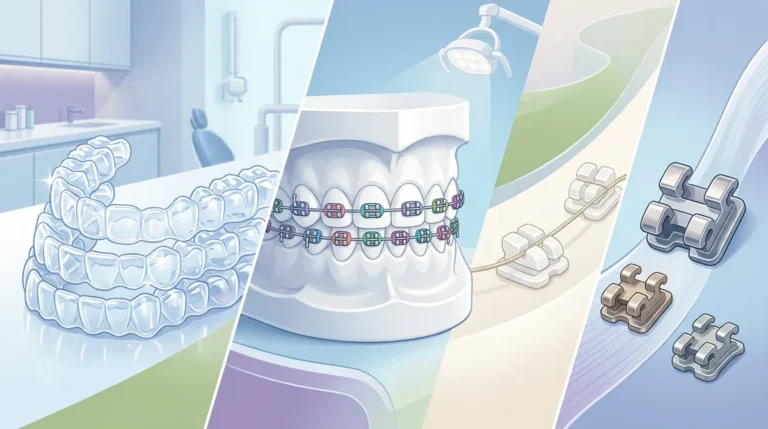
Modern orthodontic treatments offer multiple solutions including traditional braces, clear braces, and clear aligners for different ages and severity levels.
-
Wisdom teeth emerging between ages 17-25 can create additional pressure that shifts teeth and causes late-stage crowding even in previously straight smiles.
-
Early orthodontic intervention for children ages 7-10 can prevent severe crowding by guiding jaw growth and creating adequate space for adult teeth.
Have you ever looked in the mirror and wondered why your teeth seem to overlap or twist? You’re not alone. Crowded teeth affect millions of people, and understanding the difference between crowded and properly spaced teeth can help you make informed decisions about your smile. Whether you’re a parent concerned about your child’s development or an adult considering treatment, this guide will walk you through everything you need to know about crowded teeth and how they compare to healthy, well-aligned smiles.
Crowded teeth occur when there isn’t enough room in your jaw for all your teeth to fit normally. This can cause teeth to overlap, twist, or push forward or backward. In contrast, normal spacing allows each tooth to sit comfortably in the jawline without pushing against its neighbors. The good news? Modern orthodontic treatment offers effective solutions for both children and adults dealing with this common issue.
Understanding What Crowded Teeth Really Mean
Crowded teeth happen when your dental arch is too small to accommodate all your teeth properly. Think of it like trying to fit ten people on a bench designed for eight—someone has to squeeze in or sit at an awkward angle. Your teeth do the same thing when space is limited.
This condition can range from mild to severe. Mild crowding might involve just one or two teeth that slightly overlap. Severe crowding can create significant overlapping, twisting, and even teeth that sit behind or in front of where they should be.
Several factors contribute to crowded teeth. Genetics plays a major role—if your parents had crowded teeth, you’re more likely to experience the same. Early loss of baby teeth, thumb sucking, or extended pacifier use can also affect how adult teeth come in.

How Crowded Teeth Differ from Normal Spacing
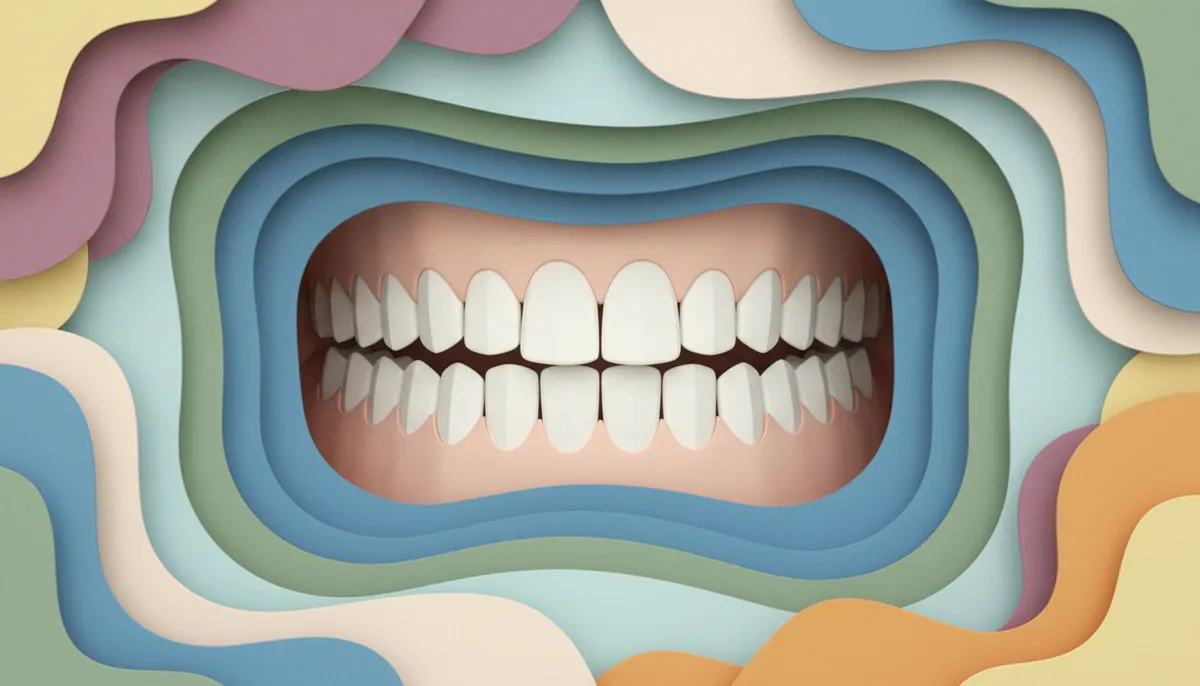
Normal tooth spacing creates a balanced, functional bite where teeth align properly in both upper and lower jaws. Each tooth has adequate space, making it easier to clean between them and reducing the risk of dental problems.
Crowded teeth present several distinct differences that go beyond just appearance. Here’s what sets them apart:
| Feature | Crowded Teeth | Normal Spacing |
|---|---|---|
| Tooth Position | Overlapping, twisted, or rotated | Straight, evenly aligned |
| Cleaning Difficulty | Hard to reach between teeth | Easy to brush and floss |
| Bite Function | Often misaligned, uneven pressure | Proper contact, even distribution |
| Gum Health Risk | Higher risk of disease | Lower risk with proper care |
| Appearance | Irregular, uneven smile line | Balanced, symmetrical smile |
The visual difference is usually obvious, but the functional differences matter even more for your long-term oral health. Crowded teeth create tight spaces where food particles and bacteria hide, making thorough cleaning nearly impossible without professional help.
Why Crowded Teeth Develop: The Root Causes
Understanding why teeth become crowded helps you recognize the issue early and seek treatment before complications develop. Let’s explore the main reasons this condition occurs.
Genetic Factors You Inherit from Family
Your jaw size and tooth size are inherited traits, just like eye color or height. If you inherited a small jaw from one parent and large teeth from another, crowding becomes likely. This genetic mismatch is one of the most common reasons for crowded teeth.
Family history often predicts orthodontic needs. If you’re a parent noticing crowding in your child’s smile, looking at family photos might reveal similar patterns in previous generations.
Developmental Issues During Childhood
Childhood habits and early experiences significantly impact adult tooth alignment. Prolonged thumb sucking beyond age four can push teeth forward and narrow the upper jaw. Extended pacifier use creates similar problems.
Early loss of baby teeth creates another issue. Baby teeth act as placeholders for adult teeth. When they’re lost too soon due to decay or injury, neighboring teeth can drift into the empty space, leaving insufficient room for the permanent tooth.
Late loss of baby teeth causes problems too. When baby teeth don’t fall out on schedule, adult teeth may erupt in abnormal positions, leading to crowding and misalignment.
Wisdom Teeth and Late-Stage Crowding
Wisdom teeth typically emerge between ages 17 and 25. When they try to push through without adequate space, they can create pressure that shifts other teeth forward, causing crowding even in previously straight smiles.
Many adults who had straight teeth as teenagers notice crowding in their twenties. This late-stage crowding often relates to wisdom teeth pressure, even if the wisdom teeth themselves haven’t fully erupted.
The Health Risks of Leaving Crowded Teeth Untreated
Crowded teeth aren’t just a cosmetic concern—they pose real health risks that worsen over time. Understanding these risks helps you prioritize treatment and protect your long-term oral health.
Increased Cavities and Tooth Decay
Overlapping teeth create tight spaces where toothbrush bristles and floss can’t reach effectively. Food particles and bacteria accumulate in these hidden areas, producing acids that attack tooth enamel.
Studies show people with crowded teeth have significantly higher cavity rates than those with proper spacing. Even with excellent brushing habits, you simply cannot clean areas you cannot access.
Gum Disease and Inflammation
Bacteria trapped between crowded teeth don’t just attack teeth—they irritate gums too. This leads to gingivitis, characterized by red, swollen, bleeding gums. Without treatment, gingivitis progresses to periodontitis, a serious condition that damages the bone supporting your teeth.
Gum disease connects to overall health problems including heart disease, diabetes complications, and respiratory issues. Protecting your gums by addressing crowded teeth benefits your entire body, not just your mouth.
Jaw Pain and TMJ Disorders
Crowded teeth often create bite misalignment, forcing your jaw to work harder during chewing. This extra strain can lead to temporomandibular joint (TMJ) disorders, causing jaw pain, headaches, and difficulty opening your mouth.
Many people don’t realize their chronic headaches or neck tension stems from dental crowding. Correcting alignment often provides relief from these seemingly unrelated symptoms.
Accelerated Tooth Wear
When teeth don’t align properly, some teeth bear excessive force during chewing while others barely make contact. This uneven distribution causes premature wear on certain teeth, leading to chips, cracks, and shortened tooth lifespan.
Normal spacing distributes chewing forces evenly across all teeth, protecting them from excessive wear and extending their functional life.
Treatment Options: How to Fix Crowded Teeth
Modern orthodontics offers several effective solutions for crowded teeth. The right choice depends on your age, severity of crowding, lifestyle preferences, and budget. Segovia Orthodontics specializes in personalized treatment plans that address each patient’s unique needs.
Traditional Metal Braces for All Ages
Traditional braces remain the gold standard for treating moderate to severe crowding. They use metal brackets and wires to gradually move teeth into proper position over 18 to 24 months.
Braces work for patients of all ages and handle even complex crowding cases. They’re especially effective for children and teens whose jaws are still developing. Modern braces are smaller and more comfortable than older versions, making them easier to wear.
The advantages of traditional braces include:
- Most effective for severe crowding
- Work on all types of alignment issues simultaneously
- No need to remember to wear them—they’re always working
- Often the most cost-effective option
- Predictable, proven results
Many teens enjoy personalizing their braces with colored bands, turning treatment into a fun form of self-expression. WildSmiles braces take this further with uniquely shaped brackets that make wearing braces exciting rather than embarrassing.
Clear Braces for a Subtle Approach
Clear braces function exactly like traditional metal braces but use tooth-colored or clear brackets that blend with your natural teeth. They provide the same effectiveness with less noticeable appearance.
These work well for adults and image-conscious teens who want effective treatment without the metallic look. The treatment timeline and process mirror traditional braces.
Clear Aligners for Discreet Treatment
Clear aligners offer a nearly invisible alternative for mild to moderate crowding. These removable plastic trays gradually shift teeth into position without brackets or wires.
You wear each set of aligners for about two weeks before switching to the next set in the series. Most patients need 12 to 18 months of treatment, depending on their specific case.
Clear aligners work best for adults and responsible teens who will commit to wearing them 22 hours daily. The removable nature means you must have the discipline to keep them in, removing them only for eating and brushing.
Benefits of clear aligners include:
- Nearly invisible appearance
- Removable for eating and special occasions
- No food restrictions
- Easier brushing and flossing during treatment
- Comfortable with no metal brackets
Advanced Custom Treatment with LightForce
LightForce orthodontics represents the cutting edge of braces technology. This system uses 3D printing to create completely custom brackets designed specifically for your teeth.
Unlike traditional braces where one-size-fits-all brackets are adapted to each tooth, LightForce brackets are individually designed for optimal positioning and comfort. This precision often reduces treatment time and improves final results.
Early Intervention for Children
Early orthodontic treatment for children ages 7 to 10 can prevent severe crowding before it fully develops. By guiding jaw growth during development, orthodontists can create adequate space for adult teeth.
Phase One treatment might include palatal expanders that widen the upper jaw, creating room for teeth to erupt properly. This early intervention often shortens or simplifies Phase Two treatment during the teen years.
The American Association of Orthodontists recommends children have their first orthodontic visit by age seven. Early evaluation doesn’t always mean early treatment, but it allows orthodontists to monitor development and intervene at the optimal time.
Crowded Teeth Treatment for Different Life Stages
Treatment approaches and considerations vary depending on your age and life stage. Here’s what to expect at different ages.
Treatment for Children and Preteens
Children’s growing jaws respond exceptionally well to orthodontic intervention. Early treatment can guide jaw development and create space naturally, sometimes avoiding the need for tooth extraction.
Children typically adapt quickly to braces and often experience less discomfort than adults because their bones are still forming. The biggest challenge is usually maintaining good oral hygiene with braces, which requires parental supervision and encouragement.
Orthodontics for Teenagers
Teen orthodontic treatment happens when most permanent teeth have erupted but facial bones are still malleable. This makes it an ideal time for comprehensive treatment.
Teens today have more treatment options than ever, including less visible alternatives that fit their social lives. Many practices offer flexible scheduling around school activities and sports.
The social aspect matters to teenagers. Practices that understand teen concerns and offer aesthetic options help ensure treatment compliance and positive experiences.
Adult Orthodontics: It’s Never Too Late
Adult orthodontics has grown dramatically in recent years. More adults than ever are seeking treatment, whether they never had braces as children or are experiencing relapse after previous treatment.
Adult treatment takes slightly longer than teen treatment because bones have finished growing, but results are just as successful. Many adults choose clear aligners or clear braces for professional appearance during treatment.
Adults often make ideal orthodontic patients because they’re highly motivated and compliant with treatment instructions. They understand the health benefits beyond aesthetics and commit fully to the process.
Life events like weddings, graduations, or career changes often motivate adults to finally address crowding they’ve lived with for years. Modern treatment options fit seamlessly into busy professional lives.
What to Expect During Treatment for Crowded Teeth
Understanding the treatment process helps reduce anxiety and sets realistic expectations. Here’s a step-by-step overview of what happens when you decide to fix crowded teeth.
Initial Consultation and Assessment
Your journey begins with a comprehensive evaluation where your orthodontist examines your teeth, takes X-rays, and discusses your concerns and goals. This appointment typically lasts 30 to 60 minutes.
The orthodontist will explain the severity of your crowding, discuss treatment options suitable for your case, and provide timeline and cost estimates. This is your opportunity to ask questions and understand what to expect.
At Segovia Orthodontics, Dr. Flor Segovia takes time to ensure patients and families understand their options fully. As a board-certified orthodontist, she brings specialized expertise to every case.
Creating Your Custom Treatment Plan
After your consultation, the orthodontist develops a detailed treatment plan tailored to your specific needs. This includes digital scans or impressions of your teeth, photographs, and precise measurements.
Advanced orthodontic technology allows you to see digital simulations of your expected results before treatment even begins. This preview helps you visualize the transformation and feel confident in your decision.
Tooth Extraction Considerations
Some crowding cases require tooth extraction to create adequate space. This is more common with severe crowding where the jaw simply cannot accommodate all teeth, even with orthodontic expansion.
Your orthodontist will only recommend extraction when necessary. Modern techniques often avoid extraction through alternative approaches like expansion appliances or interproximal reduction (carefully reshaping teeth to create small amounts of space).
If extraction is needed, the process is coordinated carefully between your orthodontist and dentist to ensure optimal timing and results.
Regular Adjustment Appointments
Throughout treatment, you’ll visit your orthodontist every 4 to 8 weeks for adjustments. These appointments typically take 15 to 30 minutes.
During adjustments, the orthodontist checks progress, makes necessary changes to wires or aligners, and addresses any concerns. These regular checkpoints ensure treatment stays on track and catches any issues early.
Retention After Active Treatment
After your braces come off or you finish your aligner series, the retention phase begins. Orthodontic retainers hold teeth in their new positions while surrounding bone and tissue stabilize.
Retention is crucial—teeth naturally want to shift back toward their original positions. Most patients wear retainers full-time for several months, then transition to night-time wear indefinitely.
Skipping retainer wear is the primary cause of relapse. Following retention instructions protects your investment and keeps your smile beautiful for life.
Cost Considerations and Financing Options
Understanding the financial aspect of orthodontic treatment helps you plan and make informed decisions. Treatment costs vary based on complexity, duration, and chosen method.
Typical Cost Ranges
Traditional braces typically cost between $3,000 and $7,000, depending on treatment length and complexity. Clear aligners usually range from $3,500 to $8,000. Clear braces fall somewhere in between.
Severe crowding requiring longer treatment or additional procedures costs more than mild cases. Your specific treatment plan determines your final cost.
Insurance Coverage
Many dental insurance plans cover orthodontic treatment, especially for children and teens. Coverage typically ranges from $1,000 to $2,000 or covers a percentage of treatment up to a lifetime maximum.
Adult orthodontic coverage varies more widely. Some plans offer limited or no adult coverage, while others treat adults and children equally. Reviewing your specific policy helps you understand your benefits.
Flexible Payment Plans
Orthodontic financing makes treatment accessible regardless of your financial situation. Most practices offer interest-free payment plans that spread costs over your treatment period.
Typical payment plans require a down payment, then monthly installments for 12 to 24 months. These arrangements make treatment affordable for most families without requiring outside financing or credit cards.
Some practices also accept third-party financing through companies that specialize in healthcare lending. These options provide flexibility for those who need extended payment terms.
Preventing Crowded Teeth: Can You Avoid This Problem?
While genetics play a major role that can’t be changed, certain preventive measures reduce crowding risk, especially for children.
Key prevention strategies include:
- Limit pacifier use to the first two years of life
- Discourage thumb sucking after age four
- Maintain regular dental checkups to monitor baby tooth development
- Address early tooth loss promptly with space maintainers
- Consider early orthodontic evaluation by age seven
For adults who had previous orthodontic treatment, wearing retainers as directed prevents relapse and keeps teeth properly aligned. This is the single most important prevention strategy for adults.
Common Myths About Crowded Teeth
Several misconceptions about crowded teeth persist despite modern understanding. Let’s clarify the most common myths.
Myth: Crowded Teeth Are Only a Cosmetic Issue
This is completely false. While crowded teeth do affect appearance, the health implications are far more significant. Crowding increases risks of cavities, gum disease, jaw problems, and premature tooth wear. These are serious health concerns, not just aesthetic preferences.
Myth: Only Children Need Treatment
Adults can successfully correct crowded teeth at any age. Your teeth can move throughout your life, making orthodontic treatment effective whether you’re 15 or 55. Healthy gums and bone support matter more than your age.
Myth: Treatment Always Requires Tooth Extraction
Many crowding cases are successfully treated without extraction. Modern techniques including expansion appliances, interproximal reduction, and strategic tooth movement create space without removing healthy teeth. Your orthodontist only recommends extraction when absolutely necessary.
Myth: Wisdom Teeth Cause All Adult Crowding
While wisdom teeth can contribute to crowding, they’re not the sole cause. Many people with crowding never developed wisdom teeth, and many with wisdom teeth never experience crowding. Multiple factors influence adult crowding, including natural tooth drift and inadequate retention after previous treatment.
Why Professional Treatment Matters
With the rise of at-home aligner companies, some people attempt to treat crowded teeth without professional supervision. This approach carries significant risks.
Orthodontic treatment involves more than just moving teeth—it requires understanding root positions, bite relationships, jaw alignment, and long-term stability. Without proper diagnosis and monitoring, at-home treatment can worsen crowding, damage roots, create bite problems, or cause tooth loss.
Board-certified orthodontists complete years of specialized training beyond dental school. This expertise ensures safe, effective treatment that improves both function and appearance.
Professional treatment includes regular monitoring to catch problems early, adjustments based on how your teeth respond, and comprehensive care that addresses your complete oral health picture.
Questions to Ask During Your Consultation
Arriving prepared for your orthodontic consultation helps you make informed decisions. Consider asking these important questions:
- What type of crowding do I have, and how severe is it?
- Which treatment options work best for my specific case?
- How long will treatment take?
- What happens if I don’t treat my crowded teeth?
- What’s the total cost, and what payment options are available?
- How often will I need appointments?
- What will I need to do differently during treatment?
- What retention will I need after treatment ends?
- Do you have experience treating cases similar to mine?
A quality orthodontic practice welcomes questions and provides clear, thorough answers. Don’t hesitate to ask for clarification on anything you don’t fully understand.
Life After Treatment: Maintaining Your Beautiful Smile
Successfully treating crowded teeth is life-changing, but maintaining results requires ongoing commitment. Your retention phase is just as important as your active treatment.
Following your orthodontist’s retention instructions prevents relapse. This typically means wearing retainers every night for years, possibly for life. This small commitment protects the time, money, and effort you invested in treatment.
Excellent oral hygiene becomes easier after straightening crowded teeth. You’ll find brushing and flossing more effective, which typically results in fewer cavities and healthier gums. Regular dental cleanings and checkups help maintain these benefits long-term.
Many patients report increased confidence and improved quality of life after treatment. They smile more freely, feel better about their appearance, and often notice improvements in jaw comfort and overall oral health.
Finding the Right Orthodontist for Your Crowded Teeth
Choosing an orthodontist is an important decision that affects your treatment experience and results. Look for these qualities when selecting a practice:
- Board certification demonstrating advanced training and expertise
- Experience treating cases similar to yours
- Modern technology and current treatment approaches
- Clear communication and willingness to answer questions
- Flexible scheduling that works with your lifestyle
- Transparent pricing and financing options
- Comfortable office environment and friendly staff
- Positive reviews from other patients
A strong patient-doctor relationship makes your treatment experience more comfortable and ensures you’re fully informed throughout the process. Trust your instincts when evaluating whether a practice is the right fit for you or your family.
Taking the First Step Toward a Healthier Smile
Crowded teeth don’t have to be a permanent problem. Modern orthodontics offers effective, comfortable solutions that fit your lifestyle and budget. Whether you’re concerned about your child’s developing smile or ready to finally address your own crowding, professional treatment can transform both your oral health and your confidence.
The health risks of leaving crowded teeth untreated only worsen over time. Addressing the issue now prevents more serious problems later, protects your long-term oral health, and gives you the smile you deserve.
If you’re in the Lakewood Ranch area and ready to explore your options for treating crowded teeth, request an appointment with Dr. Flor Segovia and her team. They’ll provide a comprehensive evaluation, answer all your questions, and create a personalized treatment plan designed specifically for your needs. You can also call us at 941-557-1333 to speak with a team member today. Don’t forget to visit us on Google to see what our patients are saying about their experiences.
Your journey to a healthier, more confident smile starts with a single appointment. The investment you make in orthodontic treatment pays dividends for the rest of your life through improved health, function, and appearance. Take that first step today—your future smile is waiting.
For more information about orthodontic treatments and oral health tips, follow our Facebook page and our Instagram page where we share helpful content for families seeking their best smiles.
FAQs
Q: Can crowded teeth fix themselves over time?
A: No, crowded teeth do not fix themselves. In fact, crowding often worsens with age as teeth naturally shift and wisdom teeth emerge. Professional orthodontic treatment is necessary to properly align crowded teeth and prevent associated health problems like cavities and gum disease.
Q: How long does it take to fix crowded teeth?
A: Treatment time varies based on crowding severity and chosen method. Most patients complete treatment in 12 to 24 months with braces or clear aligners. Your orthodontist will provide a specific timeline during your consultation based on your individual case.
Q: Are crowded teeth painful?
A: Crowded teeth themselves aren’t usually painful, but they can lead to painful complications over time. These include jaw pain from bite misalignment, headaches from TMJ stress, and dental pain from cavities and gum disease. Treating crowding often prevents these painful issues from developing.
Q: Will I need tooth extraction to fix my crowded teeth?
A: Not necessarily. Many crowding cases are successfully treated without extraction using modern techniques like expansion appliances and strategic tooth movement. Your orthodontist will only recommend extraction if your jaw truly cannot accommodate all teeth, which is more common with severe crowding.
Q: Can adults get braces for crowded teeth?
A: Absolutely! Adults can successfully treat crowded teeth at any age with healthy gums and bone support. Many adults choose clear aligners or clear braces for a more discreet appearance during treatment. Adult orthodontics has become increasingly common and delivers excellent results.
Our Service Area