Key Takeaways
-
Don't wait for a crossbite to self-correct—only 0-9% resolve spontaneously, so early evaluation by age 7 is critical to prevent more complex treatment later.
-
Posterior crossbites can cause jaw shifting and asymmetrical growth; watch for uneven smiles, jaw clicking, or speech difficulties as signs your child needs an orthodontic evaluation.
-
Treatment type depends on whether the crossbite is dental, skeletal, or functional—braces alone often aren't enough for skeletal issues, which typically require expansion appliances first while the jaw is still growing.
-
Fixed quad-helix appliances are about 20% more effective than removable expansion plates for correcting posterior crossbites, so your orthodontist's choice of tool matters significantly.
-
Adults can successfully correct crossbites with modern options like clear aligners or discreet LightForce braces; even relapsed bites from childhood can be retreated with faster, nearly invisible solutions.
-
Choose an orthodontist carefully by verifying board certification, comparing treatment technology options (LightForce, WildSmiles, clear aligners), and confirming they offer thorough diagnostic consultations and flexible financing before starting.
If you’ve noticed your child’s top teeth sitting behind their bottom teeth when they bite down, you’re not imagining things. That’s called a crossbite, and it’s more common than you might think. Here’s the good news: you’re already doing the right thing by learning about it. Many families in Lakewood Ranch face this exact situation, and small mistakes early on can lead to bigger headaches later. Let’s walk through the most common missteps so you can skip them entirely and get your family on the fastest path to a healthy, confident smile.
Whether you’re a busy mom juggling soccer practice and homework, a young professional noticing your own bite has shifted, or someone getting ready for a big life event, understanding braces for crossbite Lakewood Ranch options can save you time, money, and worry. Dr. Flor Segovia and the team at Segovia Orthodontics see these situations every week, and they’ve helped us put together this friendly, no-nonsense guide.
Mistake 1: Waiting Too Long to Get an Evaluation
One of the biggest mistakes parents make is assuming a crossbite will just fix itself. Unfortunately, spontaneous self-correction is uncommon. Some clinical reviews estimate it happens in only 0% to 9% of cases. That means waiting around usually just delays treatment instead of avoiding it.
The American Association of Orthodontists recommends kids get their first orthodontic check-up by age 7. This doesn’t mean your child will need braces right away. It simply means an orthodontist can spot a crossbite early, when treatment tends to be simpler. Learning the signs your child should see an orthodontist now can help you know when it’s time to book that first visit.
Mistake 2: Not Understanding What a Crossbite Actually Is
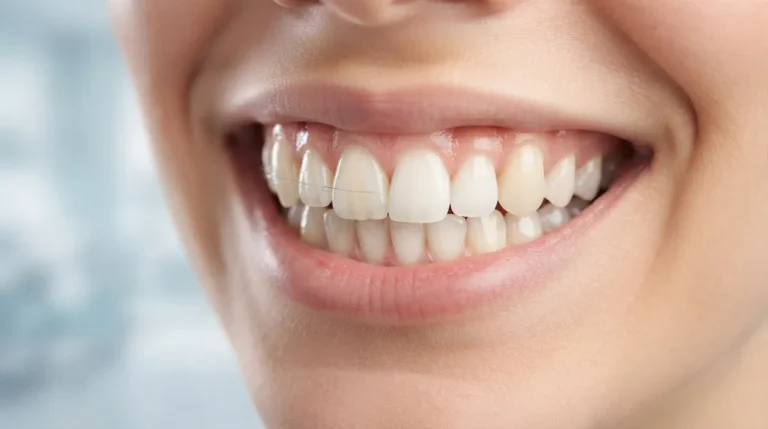
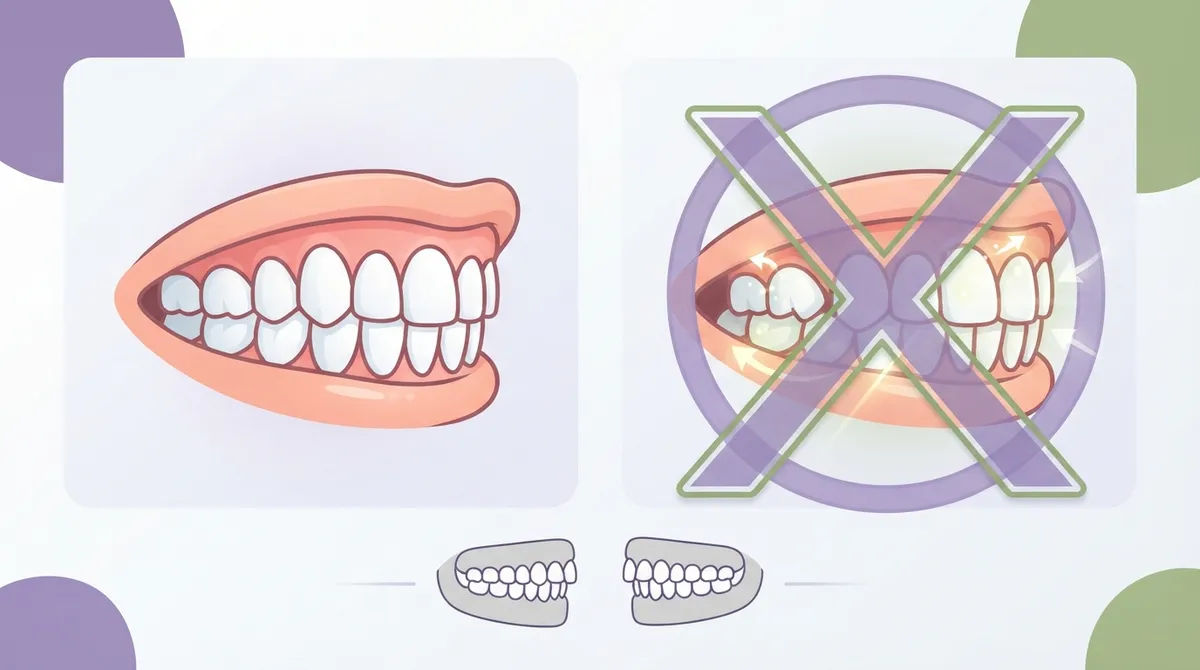
A crossbite happens when one or more upper teeth bite inside the lower teeth instead of outside, like they normally should. This can affect:
- Front teeth (anterior crossbite)
- Back teeth (posterior crossbite)
- One side of the mouth only
- Both sides of the mouth
- A single tooth or several teeth at once
Posterior crossbites are actually pretty common in kids. Research shows they appear in roughly 8% to 22% of children during early dental development. A 2022 study found posterior crossbite in about 15.6% of the sample studied, with unilateral cases making up 9.5% and bilateral cases at 6.2%. Knowing the difference matters because treatment plans can look very different depending on which type your child has.
Mistake 3: Ignoring Jaw Shifting Symptoms
Here’s something a lot of parents don’t realize: a posterior crossbite can cause the lower jaw to shift to one side when biting down. Over time, this can lead to:
- Uneven wear on the teeth
- Functional bite problems that affect chewing
- Asymmetrical jaw growth
- Jaw discomfort or clicking sounds
- Speech difficulties in some cases
If you notice your child’s jaw seems to shift or their smile looks uneven, don’t brush it off. This is exactly the kind of thing an orthodontic evaluation can catch early, before it becomes a bigger structural issue.
Mistake 4: Assuming Braces Alone Always Fix the Problem
Braces are fantastic tools, but they don’t work alone in every crossbite case. Treatment really depends on whether the crossbite is dental, skeletal, or functional in nature.
| Crossbite Type | Common Treatment Approach | Best Treatment Timing |
|---|---|---|
| Mild Dental Crossbite | Braces or clear aligners alone | Any age, once permanent teeth erupt |
| Skeletal Crossbite (narrow jaw) | Palatal expander or quad-helix, then braces | Childhood, while jaw is still growing |
| Severe Skeletal Discrepancy | Orthopedic appliance or surgical consult | Evaluated case-by-case, often teen or adult |
For growing children, an orthodontist often uses expansion appliances before or alongside braces. This widens a narrow upper jaw so it matches up properly with the lower jaw. Skipping this step and jumping straight to braces can mean a longer, less effective treatment overall.
Mistake 5: Overlooking the Value of Early Treatment
Here’s a fact that surprises a lot of parents: between 50% and 90% of posterior crossbites can persist after permanent teeth come in, according to research reviewed by Cochrane. That’s a wide range, but it tells us one thing clearly: hoping it goes away on its own usually isn’t a solid plan.
Getting evaluated during early orthodontic treatment can make correction simpler and often faster, since a child’s jaw is still developing and more responsive to gentle guidance.
Mistake 6: Choosing the Wrong Type of Expansion Appliance
Not all expansion tools are created equal, and this is a mistake we see often. A Cochrane review found that fixed quad-helix appliances may be about 20% more likely to correct a posterior crossbite compared to removable expansion plates. The same review noted around 1.15 mm more molar expansion with quad-helix appliances.
This doesn’t mean removable plates are useless. It just means your orthodontist needs to pick the right tool based on your child’s specific needs, cooperation level, and severity of the crossbite. This is exactly why a thorough diagnostic exam matters so much before treatment begins.
Mistake 7: Skipping the Consultation Because You Think It’s “Just Cosmetic”
Some parents (and adults) assume a crossbite is only a cosmetic concern. That’s simply not true. Left untreated, crossbites can contribute to:
- Uneven tooth wear over time
- Jaw pain or TMJ-related discomfort
- Difficulty chewing certain foods
- Speech pattern issues
- Long-term asymmetrical facial development
Booking a consultation isn’t just about straightening teeth for looks. It’s about protecting your bite, your jaw health, and your comfort for years to come. If you want to see what other families experienced, you can visit us on Google — Segovia Orthodontics and read real reviews from Lakewood Ranch patients.
Mistake 8: Thinking Adults Can’t Fix a Crossbite Anymore
This one comes up constantly with our adult patients. If you had braces years ago and your bite has relapsed, or if you never got treatment as a kid, you’re not out of options. Adult orthodontics has come a long way, and many mild to moderate dental crossbites in adults respond well to braces or clear aligners.
For career-focused adults worried about appearance during treatment, discreet options exist. Angel Aligners, for example, use a clever “7+3” wear schedule with flexible and firmer trays to speed up movement while staying nearly invisible. This makes them a popular pick for professionals who don’t want visible metal during meetings or presentations.
What to Expect With Adult Crossbite Correction
- An initial consultation and imaging to assess bite alignment
- A custom treatment plan based on severity
- Selection between braces, clear aligners, or a combination approach
- Regular check-ins to track progress
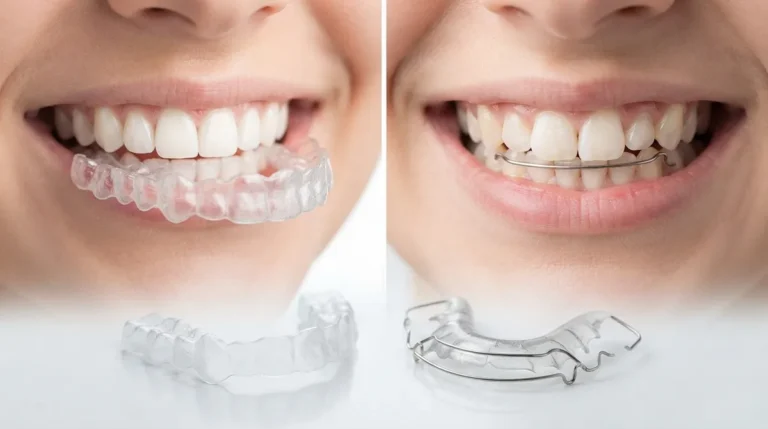
- A retention plan using orthodontic retainers to protect your results
Mistake 9: Not Asking About Technology and Bracket Options
Not every practice offers the same tools, and this can affect both comfort and speed of treatment. At Segovia Orthodontics, families can choose from a few standout options depending on their needs and preferences.
LightForce Braces for Precision Treatment
LightForce Orthodontics is a fully digital bracket system that uses 3D printing to custom-fit every bracket to your unique tooth shape. This can mean up to 45% faster treatment times, real-time digital adjustments, and a more discreet clear or white bracket appearance. For crossbite correction, this precision matters because every millimeter of movement counts.
WildSmiles Braces for Younger Patients
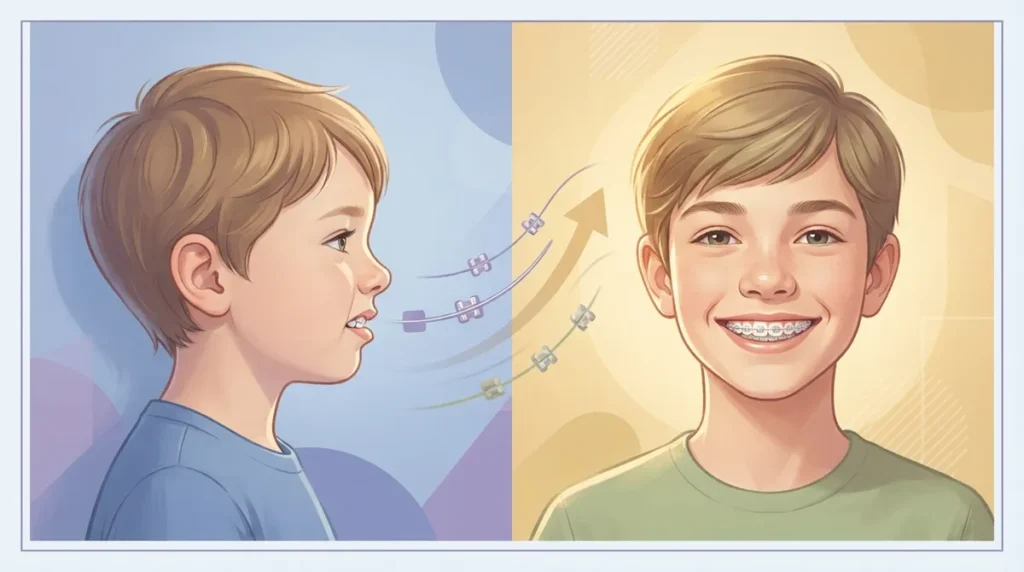
If your child needs braces to help correct a crossbite, keeping them motivated matters just as much as the treatment plan itself. WildSmiles Braces offer fun bracket shapes like stars, hearts, and even Mickey Mouse designs. When kids feel excited about their braces, they’re more likely to brush well and follow instructions, which keeps treatment on track.
Clear Aligners for Discreet Correction
For teens and adults with milder dental crossbites, clear aligners may be an option worth discussing. These are nearly invisible and removable for eating, making them popular among young professionals and those preparing for weddings, graduations, or other milestone events.
Mistake 10: Not Comparing Local Orthodontists Carefully
Finally, one of the biggest mistakes families make is picking the first orthodontist they find without really comparing options. Before committing, consider these steps:
- Check the orthodontist’s credentials, including board certification through the American Board of Orthodontics
- Ask about their experience with expansion appliances and early treatment
- Review available treatment options, including braces and aligner brands
- Confirm appointment flexibility for busy family schedules
- Ask about financing options and payment plans
- Request a comprehensive diagnostic consultation before starting treatment
Dr. Flor Segovia is a board certified orthodontist who provides bilingual care in English and Spanish, which can be a huge help for many Lakewood Ranch families. You can also follow along and see patient stories on our Facebook page or our Instagram page for a behind-the-scenes look at the practice.
Understanding Costs and Insurance Considerations
Cost is often the first question on everyone’s mind, and that’s completely understandable. Crossbite treatment pricing depends on several factors:
- Whether expansion appliances are needed before braces
- The severity and type of crossbite (dental vs. skeletal)
- Length of overall treatment time
- Choice between traditional braces, LightForce braces, or clear aligners
- Whether insurance provides partial coverage for orthodontic care
Many dental insurance plans offer partial coverage for orthodontic treatment, especially for children. Our team can help you understand your benefits and explore orthodontic financing options that fit your family’s budget. Flexible payment plans make quality care accessible without financial stress.
Quick Answers to Common Questions
Before we wrap up, let’s cover a few things families frequently ask during their first visit:
- Anterior crossbites involve front teeth; posterior crossbites involve back teeth on one or both sides
- Treatment length varies widely, from several months to two years or more depending on severity
- Clear aligners can work well for mild dental crossbites but may not be suitable for skeletal issues
- Insurance coverage varies by plan and often depends on medical necessity
If you still have questions specific to your situation, our orthodontic treatment FAQ page covers even more detail, or you can reach out directly to our team.
Ready to Get Your Bite Back on Track?
Crossbites don’t have to be confusing or scary. With the right orthodontist, a clear treatment plan, and a little patience, most crossbites can be corrected successfully at nearly any age. The key is avoiding these common mistakes and getting a proper evaluation sooner rather than later.
Whether you’re bringing in your child for their first check-up or you’re an adult ready to finally fix a shifting bite, our friendly team is here to help. Feel free to contact us with any questions, or go ahead and request an appointment to get started. You can also simply call us at 941-557-1333 and our team will walk you through the next steps. We can’t wait to help your family smile with confidence.
FAQs
Q: How much do braces for a crossbite cost in Lakewood Ranch?
A: Costs vary based on severity and whether expansion appliances are needed first. The friendliest way to get an accurate number is scheduling a consultation, where our team can walk you through pricing and financing options that fit your budget.
Q: Can braces fix a crossbite without a palate expander?
A: Sometimes, yes! Mild dental crossbites can often be corrected with braces or clear aligners alone. However, skeletal crossbites usually need expansion first to widen the jaw before braces finish the job.
Q: What is the best age to treat a crossbite in children?
A: The American Association of Orthodontists recommends a first evaluation by age 7. Treating a crossbite while the jaw is still growing often makes correction simpler and faster.
Q: Are clear aligners effective for treating a crossbite?
A: Clear aligners can work well for mild, primarily dental crossbites in teens and adults. For skeletal issues, traditional braces combined with expansion appliances are usually more effective.
Q: How do I choose an orthodontist for crossbite treatment in Lakewood Ranch?
A: Look for board certification, experience with early treatment and expansion appliances, flexible scheduling, and a practice that offers a thorough diagnostic consultation before recommending treatment.
Our Service Area