Key Takeaways
-
Schedule your child's first orthodontic evaluation by age 7 as recommended by the American Association of Orthodontists to catch potential problems early while the jaw is still growing.
-
WildSmiles Braces with custom shapes like stars, hearts, and Mickey Mouse brackets can motivate kids to maintain better oral hygiene and make the braces experience more exciting.
-
LightForce 3D-printed braces can reduce treatment time by up to 45% compared to traditional brackets and are custom-designed for each tooth for improved comfort and efficiency.
-
Comprehensive braces treatment typically takes 18-30 months and involves regular 4-8 week adjustments; always get a personalized timeline from your orthodontist rather than assuming a generic duration.
-
Explore multiple payment options including dental insurance, Florida Medicaid coverage for eligible children, and flexible financing plans to make orthodontic care affordable for your family.
-
Choose an orthodontist who specializes in pediatric care, offers family-friendly appointment times, and creates a welcoming environment to reduce anxiety for your child during treatment.
Watching your child smile with confidence is one of the best feelings as a parent. But when crowded teeth, gaps, or bite problems start showing up, it’s normal to feel a little worried and unsure where to start. The good news? Kids braces Bradenton families trust don’t have to be confusing or stressful once you know what to expect.
Whether you’re a busy mom juggling school pickups and soccer practice, or you’re simply trying to figure out the right age for that first orthodontic visit, this guide breaks it all down. We’ll walk through timing, treatment types, costs, and how to pick a provider that feels like the right fit for your family. Let’s get you and your child on the path to a happy, healthy smile.

1. Know the Right Age for a First Orthodontic Check-Up
The American Board of Orthodontics and the American Association of Orthodontists both recommend that kids get their first orthodontic evaluation by age 7. This might sound early, especially if your child still has plenty of baby teeth. But this visit isn’t about starting treatment right away.
Instead, it’s a chance for an orthodontist to spot potential problems while your child’s jaw is still growing. Sometimes there’s nothing to worry about yet, and the orthodontist will simply monitor things at future visits. Other times, catching an issue early can mean a much simpler treatment path later on. Learn more about what happens during this first orthodontic visit so you know what to expect.
2. Understand Phase One vs. Comprehensive Treatment
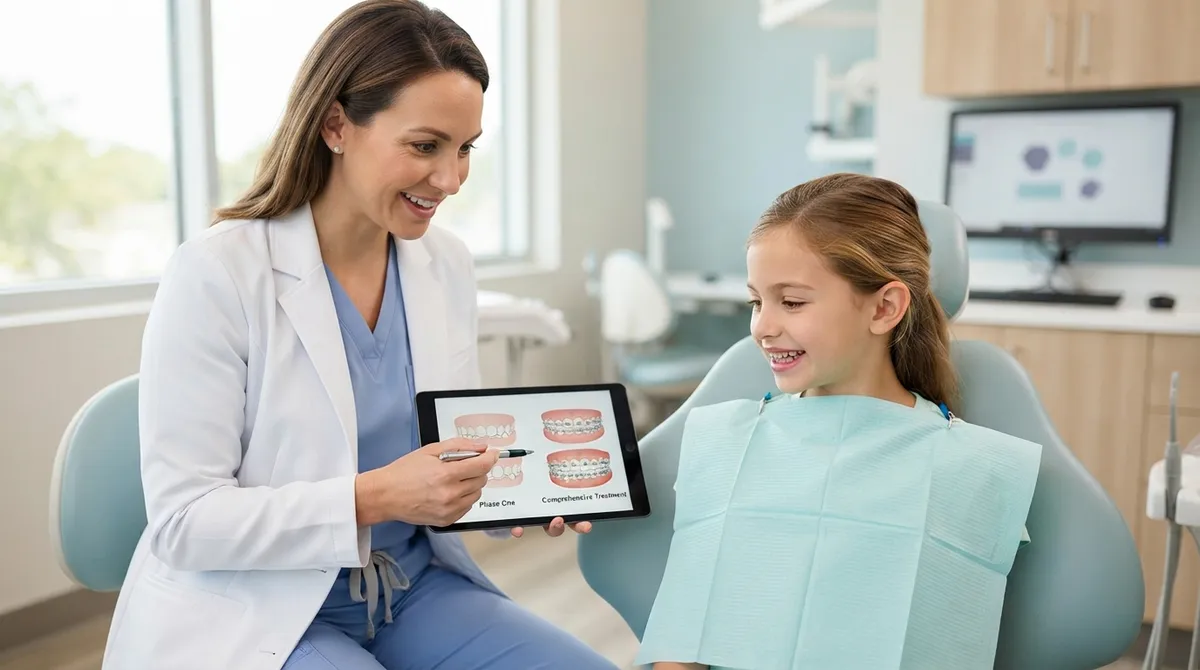
Not every child needs braces right away, and not every child needs two rounds of treatment either. Here’s a simple breakdown of the difference:
- Phase One (Early Treatment): Usually happens around ages 7 to 9. It targets specific problems like severe crowding, crossbites, protruding front teeth, or narrow jaws before they get worse.
- Comprehensive Treatment: This is the full braces treatment most people picture, typically starting between ages 10 and 14, once most permanent teeth have come in.
Some kids only need comprehensive treatment. Others benefit from starting with early orthodontic treatment to guide jaw growth before adding full braces later. Every child’s mouth is different, so this decision should always come from an individual consultation, not a general rule.
3. Watch for Signs Your Child May Need Braces
You don’t have to be an expert to notice warning signs. Here are common signs that it’s time to schedule a visit:
- Teeth that look crowded, crooked, or overlapping
- Noticeable gaps between teeth
- Difficulty chewing or biting food
- Jaws that shift or make sounds when opening and closing
- Thumb-sucking habits that continue past age 5
- Teeth that don’t meet correctly when the mouth is closed
- Speech issues related to tooth position
If you notice any of these, don’t panic. Many of these issues are very treatable. Check out these signs your child should see an orthodontist for a more detailed look.
4. Compare Treatment Options for Kids
Bradenton-area families have more choices than ever when it comes to straightening a child’s smile. Here’s a quick comparison to help you understand the basics.
| Treatment Type | Best For | Notable Feature |
|---|---|---|
| Traditional Metal Braces | Most bite and alignment issues | Durable and effective for complex cases |
| WildSmiles Braces | Kids who want a fun, personalized look | Custom shapes like stars, hearts, and Mickey Mouse brackets |
| LightForce Braces | Kids needing precise, custom-fit brackets | 3D-printed, digitally designed for comfort and speed |
| Clear Aligners (Angel Aligners) | Teens with mild to moderate issues who can follow instructions | Removable, discreet, budget-friendly option |
For younger kids especially, WildSmiles Braces can make the whole experience more exciting. Instead of dreading their braces, kids actually look forward to showing them off. Meanwhile, older kids and teens who want something more discreet might be great candidates for clear aligners, though eligibility depends on tooth eruption and their ability to wear trays consistently.
5. Consider WildSmiles for a Fun, Motivating Experience
Let’s be honest: getting braces isn’t always thrilling for kids. That’s where WildSmiles comes in. This system offers custom bracket shapes like Super-Star, Flower-Power, Baller, Wild-Hearts, Footballer, and Super-Diamond. Disney-loving kids can even choose Mickey Mouse brackets, paired with elastics inspired by Frozen and Finding Nemo.
Here’s the bonus: these unique shapes actually encourage better brushing habits. Because the design keeps plaque from building up directly on the tooth surface, it’s easier for kids (and parents) to check if brushing is thorough. If the bracket shape is clearly visible after brushing, that’s a great sign of a clean smile.
6. Explore LightForce for Precision and Faster Results
For families who want cutting-edge technology, LightForce Orthodontics is worth asking about. This fully digital system uses 3D printing to create brackets custom-made for each tooth. Because every bracket is designed specifically for your child’s mouth, treatment tends to be more comfortable and efficient.
In fact, LightForce technology can reduce treatment time by up to 45% compared to traditional one-size-fits-all brackets. Custom appliances are usually ready in under two weeks, and the brackets come in clear or white options for a more subtle look. Dr. Flor Segovia uses advanced orthodontic technology like this to give kids and teens a smoother treatment journey from start to finish.
7. Ask About Clear Aligners for Older Kids and Teens
Not every child is a candidate for clear aligners, but for the right teen, they can be a great fit. Clear aligners like Angel Aligners work using a series of custom, removable trays that gradually shift teeth into place.
Angel Aligners use a “7+3” wear schedule, meaning your teen wears a flexible tray for 7 days followed by a firmer tray for 3 days. This approach can speed up tooth movement and reduce the number of office visits needed. They’re also frosted to reduce shine, flexible for comfort, and typically more budget-friendly than premium aligner brands. Of course, success depends on your teen actually wearing the trays as instructed, so honest conversations about responsibility matter here.
8. Understand What Comprehensive Treatment Actually Involves
Once your child starts full braces treatment, here’s a general idea of what to expect:
- An initial consultation with photos, digital scans, or X-rays
- A custom treatment plan based on your child’s bite, spacing, and jaw growth
- Regular adjustment appointments, typically every 4 to 8 weeks
- Ongoing monitoring for oral hygiene and progress
- Removal of braces once treatment goals are met
- Fitting for a custom retainer to protect the results
Comprehensive braces treatment commonly takes about 18 to 30 months, though this varies based on how complex the case is. Some kids finish sooner, and others may need a bit longer. Your orthodontist should always give you a personalized estimate rather than a generic timeline. Once treatment wraps up, don’t skip the orthodontic retainers step, since this keeps teeth from shifting back.
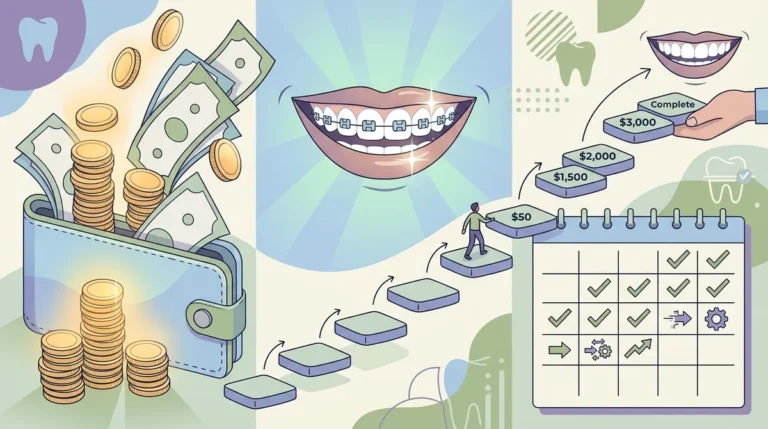
9. Budget for Kids Braces the Smart Way
Cost is often one of the biggest worries for parents, and that’s completely understandable. The good news is there are more ways than ever to make orthodontic care affordable. Here are a few things to keep in mind:
- Dental insurance sometimes covers a portion of orthodontic treatment for children, so check your plan details.
- Florida Medicaid may cover braces for kids who meet specific medical necessity requirements.
- Many practices offer flexible orthodontic financing plans to spread out payments over time.
- Comparing consultation policies and payment options between providers can help you find a plan that fits your budget.
Don’t be afraid to ask questions upfront about costs, insurance, and financing. A trustworthy practice will walk you through all your options clearly and patiently.
10. Choose a Provider Who Understands Kids and Families
Not all orthodontic offices feel the same, especially when you’re bringing in a child who might be nervous. Look for a practice that specializes in working with kids, offers flexible appointment times, and creates a welcoming, comfortable environment.
Dr. Flor Segovia is a board-certified orthodontist who provides bilingual care in English and Spanish, making appointments easier for many Bradenton and Lakewood Ranch families. Learn more about Dr. Flor Segovia and her approach to creating a comfortable, family-friendly experience for every patient.
Before booking, it also helps to check reviews and see what other parents say. You can visit us on Google — Segovia Orthodontics to read real patient experiences, or follow along on our Facebook page and our Instagram page for smile transformations and helpful tips. Understanding why choose us matters can help you feel confident in your decision.
What to Do If Braces Break or Your Child Feels Discomfort
Braces emergencies happen, and it’s smart to know what counts as urgent versus something that can wait. A poking wire, loose bracket, or general soreness after an adjustment is common and usually manageable at home with orthodontic wax. But if your child is in serious pain or a wire is causing injury, don’t wait it out. Learn more about handling an orthodontic emergency so you’re prepared no matter what happens.
Good oral hygiene habits also go a long way in preventing emergencies. Kids with braces should brush after every meal, floss daily, and steer clear of hard, sticky, or chewy foods that can damage brackets and wires.
Ready to Get Started?
Every child deserves a smile they feel proud of, and getting there doesn’t have to be overwhelming. Whether your little one needs early treatment, fun WildSmiles brackets, precision LightForce braces, or clear aligners for a teen, there’s a path that fits your family’s needs and budget.
If you’re ready to take the next step, we’d love to help. Feel free to request an appointment today, or if you have questions first, you can always contact us or call us at 941-557-1333. Your child’s confident new smile is closer than you think.
FAQs
Q: What is the best age for a child to get braces in Bradenton?
A: Most kids start comprehensive braces treatment between ages 10 and 14, once most permanent teeth have come in. That said, every child grows differently, so the right timing really depends on their individual bite and jaw development. Your orthodontist will help determine the perfect timing during a consultation.
Q: Does my child need an orthodontic evaluation at age 7?
A: Yes, the American Association of Orthodontists recommends a first evaluation by age 7. This doesn’t mean treatment starts right away, but it lets an orthodontist catch potential problems early while there’s still room to guide growth. Think of it as a helpful check-in, not a commitment to immediate treatment.
Q: How much do kids’ braces cost in Bradenton, Florida?
A: Costs vary quite a bit depending on the treatment type, severity of the case, and length of treatment needed. Many practices offer flexible financing plans to help spread out payments, so it’s worth asking about options during your consultation. Dental insurance or Medicaid may also help cover part of the cost for eligible families.
Q: What’s the difference between Phase One and comprehensive orthodontic treatment?
A: Phase One treatment usually happens around ages 7 to 9 and targets specific early problems like crowding or crossbites. Comprehensive treatment is the full braces process, typically starting once most permanent teeth have erupted. Some kids need both phases, while others go straight to comprehensive treatment.
Q: Are clear aligners a good option for kids and teens?
A: Clear aligners can work well for teens with mild to moderate alignment issues, but they require consistent wear and responsibility. An orthodontist will evaluate your child’s age, tooth eruption, and ability to follow instructions before recommending this option. For younger kids or more complex cases, traditional braces are often the better choice.
Our Service Area