Key Takeaways
-
Clear aligners require 20-22 hours of daily wear to work effectively; skipping hours can stall treatment progress or extend your timeline significantly.
-
Clear aligners work best for mild to moderate crowding, small gaps, and relapse cases, but traditional braces are more predictable for severe crowding, complex bite corrections, and extraction cases.
-
Research shows clear aligners are 55-82% as accurate as fixed braces depending on tooth movement type, with no major difference in overall outcomes for appropriate cases.
-
Clear aligner patients experience better gum health, less plaque buildup, and healthier oral hygiene compared to traditional braces because trays are removable for normal brushing and flossing.
-
Small tooth-colored attachments and rubber bands may still be needed on your teeth despite aligners being marketed as invisible, so expect subtle additions to your treatment plan.
-
Avoid direct-to-consumer mail-order aligners; they skip critical X-rays, gum assessments, and professional monitoring that can catch serious problems like gum disease or root issues early.
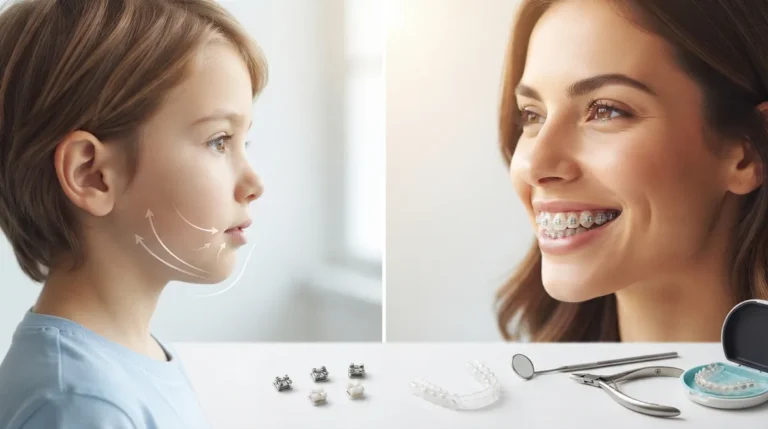
Ever caught yourself smiling with your hand over your mouth? You’re not alone. So many of our patients at Segovia Orthodontics tell us the same thing: they want straighter teeth, but they don’t want the world to know they’re getting them. Good news—that wish is completely doable in 2026. Invisible braces, better known as clear aligners, have become one of the most popular ways to fix crooked teeth, gaps, and bite problems without a mouth full of metal.
But here’s the thing. There’s a lot of confusing information out there about how these trays actually work, who they’re good for, and what to really expect. So we put together this friendly, no-fluff guide. Whether you’re a busy mom looking into teen orthodontic treatment, a professional who can’t have visible metal in the boardroom, or an adult whose teeth shifted after your old retainer got lost, we’ve got answers below. Let’s dig in.
1. Invisible Braces Are Really Clear Aligner Trays
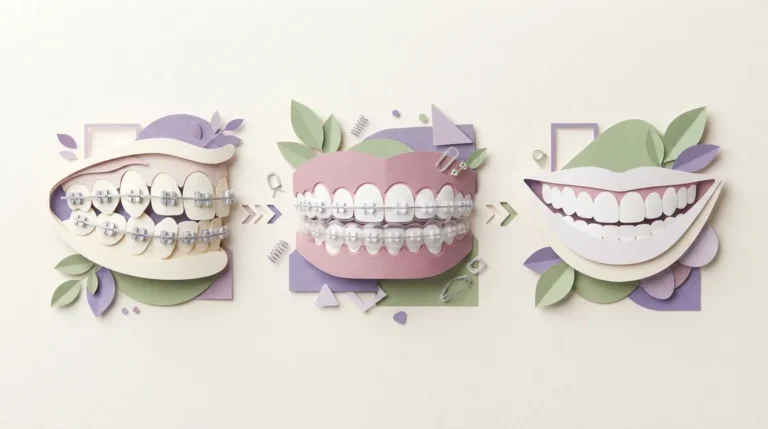
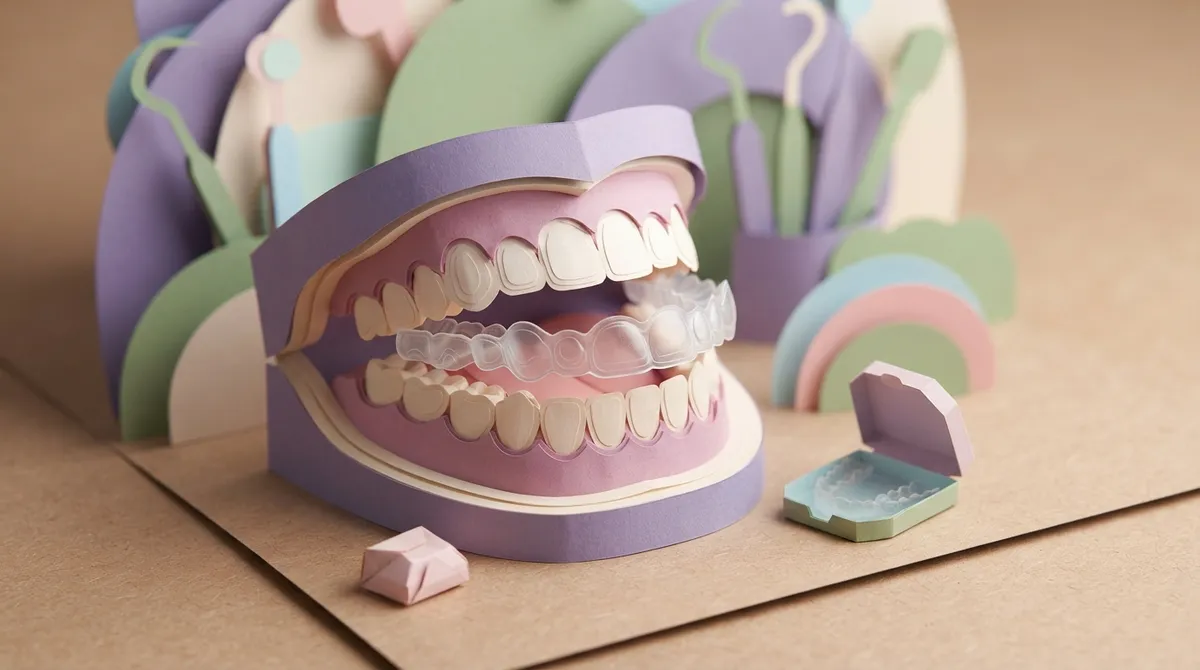
When people say “invisible braces,” they almost always mean clear aligners. These are thin, see-through plastic trays custom-made just for your teeth. You wear a series of them, and each one nudges your teeth a little closer to their final position. There’s also a less common option called lingual braces, which are regular braces attached to the back of your teeth instead of the front. But for most people, invisible braces means aligners.
These trays are made using digital scans of your mouth, so they fit snugly and comfortably. As your teeth move, you switch to the next tray in the series, following a schedule set by your orthodontist. It’s a bit like a smile that changes shape a tiny bit every week or two, until it becomes exactly what you and Dr. Segovia planned.

2. Not Everyone Is a Perfect Match for Clear Aligners
Here’s something we always tell patients: invisible braces are great, but they’re not magic for every case. They tend to work best for:
- Mild to moderate crowding or crooked teeth
- Small to medium gaps between teeth
- Teeth that shifted back after old braces (relapse)
- Certain bite issues, when reviewed by your orthodontist
More complex problems, like severe crowding, major bite corrections, or cases needing teeth to be pulled, often do better with traditional braces. That’s not a bad thing! It just means your treatment plan should match your actual smile goals. This is why a real exam, X-rays, and a look at your gum health matter so much before starting. You can learn more about what that first visit looks like on our first orthodontic visit page.
3. Your Treatment Is Planned With Digital Scans
Gone are the days of gooey impression trays for every step. Most invisible braces treatment today starts with a digital scan of your teeth. That scan gets turned into a full plan showing how your teeth will move, tray by tray, from day one to your final smile. This is where advanced orthodontic technology really shines. You can often see a preview of your future smile before you even start.
4. Small Attachments Might Still Be Needed
This surprises a lot of people. Clear aligners are marketed as invisible, but sometimes small, tooth-colored bumps called attachments get added to certain teeth. These little bumps give the tray something to grip onto, so it can apply the right amount of pressure. Elastics (rubber bands) or slight filing between teeth may also be part of your plan. These extras are usually subtle, but it’s worth knowing they exist so you’re not caught off guard.
5. Wear Time Really Does Make or Break Your Results
This is probably the single biggest factor in how well invisible braces work. Since the trays are removable, success depends entirely on you. Most orthodontists recommend wearing your aligners:
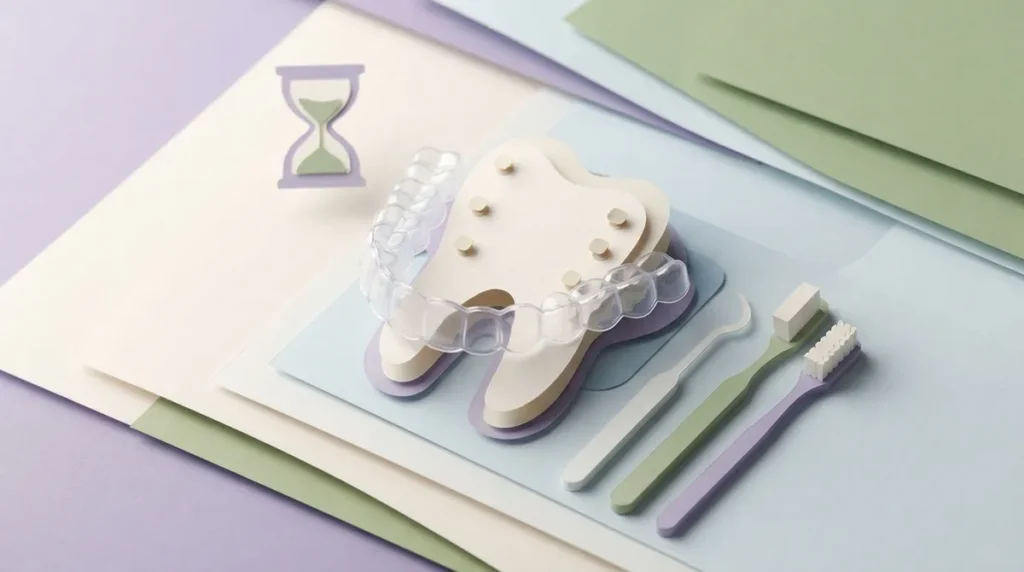
- About 20 to 22 hours every day
- Removed only for eating, drinking anything other than water, and brushing
- Changed to the next tray exactly as instructed
- Cleaned daily to avoid buildup and odor
- Brought to every check-up so your orthodontist can track progress
Skip too many hours here and there, and your treatment can stall or take longer than planned. This is actually good news for certain patients. Adults who previously had braces and are now motivated to fix relapse tend to be excellent candidates because they’re disciplined about wear time.
6. The Research Says Aligners Work Well for Many Cases
You don’t have to just take our word for it. A 2024 umbrella review found that clear aligners were about 55% to 82% as accurate as fixed braces, depending on the specific tooth movement being measured. That range might sound wide, but it tells us something important: aligners are strong for many movements and less predictable for a few tricky ones.
A separate systematic review and meta-analysis looked at 21 randomized trials with 970 patients. It found no major difference between aligners and fixed braces in several overall outcome scores. In other words, for the right cases, invisible braces can get you results just as good as traditional metal braces.
7. Aligners Score Higher on Comfort and Gum Health
Here’s where clear aligners really stand out. That same meta-analysis found aligner patients had noticeably better plaque scores, healthier gums, and less bleeding compared to fixed braces patients. Aligner wearers also reported better quality of life during the first six months of treatment, along with less pain overall.
Why does this happen? Because you can take the trays out to brush and floss like normal. No wires or brackets trapping food. This is a huge win for anyone worried about keeping their teeth clean during treatment. Curious about the day-to-day routine? Check out our guide on aligner maintenance and care.
Clear Aligners vs Traditional Braces: A Quick Comparison
| Factor | Clear Aligners | Traditional Braces |
|---|---|---|
| Visibility | Nearly invisible | Visible metal or ceramic |
| Removable | Yes | No |
| Best for | Mild-moderate cases | Complex, severe cases |
| Oral hygiene | Easier, less plaque buildup | Requires extra care around brackets |
| Diet restrictions | None (remove to eat) | Avoid sticky, hard foods |
| Compliance needed | High (20-22 hrs/day) | Low (fixed in place) |
8. Treatment Time Isn’t Always Shorter With Aligners
A common myth is that invisible braces always work faster than metal braces. Actually, a 2024 systematic review on treatment duration found low-certainty evidence that aligners and fixed braces took about the same amount of time for mild to moderate crowding. A 2025 review of 15 trials with over 1,000 patients backed this up, finding no real difference in treatment quality or duration for non-extraction cases.
However, for extraction cases (where teeth need to be removed to make room), fixed braces produced better results in that same 2025 review. This is exactly why an honest evaluation matters before choosing your treatment path. Learn more about what that evaluation involves on our orthodontic evaluation page.
9. You’ll Still Need a Retainer Afterward
No matter which type of braces you choose, your teeth can drift back to their old positions once treatment ends. That’s just how teeth work—they’re always adjusting slightly throughout life. This is why orthodontic retainers are a must-have after finishing your aligner treatment. Think of retainers as the insurance policy that protects all the hard work you just put in.
10. Direct-to-Consumer Aligners Skip Important Safety Steps
Mail-order aligner kits might look tempting because of lower prices, but they come with real risks. Without an in-person exam, X-rays, or professional monitoring, problems like gum disease, root issues, or hidden impacted teeth can go completely unnoticed. Orthodontic treatment isn’t just about moving teeth. It’s about watching your bite, your gum health, and your overall progress the entire way through.
At Segovia Orthodontics, every treatment plan starts with a real, hands-on evaluation by a licensed professional. That kind of oversight is something a mail-order kit simply can’t replace.
11. Angel Aligners Offer a Faster, Budget-Friendly Option
If you’re comparing invisible braces options, it’s worth knowing about Angel Aligners. This system uses AI-driven treatment planning and a unique wear schedule: seven days with a flexible tray, followed by three days with a firmer one. This “7+3” approach can speed up tooth movement and cut down on extra office visits.
Angel Aligners often come with attachments already built into the tray, so there’s no need to bond extra pieces onto your teeth. They also use a frosted finish to reduce shine, plus flexible materials that are gentler on your cheeks and gums. Because of efficient manufacturing, Angel Aligners typically cost less than premium aligner brands while still using the same kind of 3D digital planning.
12. Braces Can Still Be the Better Fit for Some Smiles
We know this article is about invisible braces, but honesty matters here. If your case involves significant bite correction, complex rotations, or major crowding, traditional braces may deliver more predictable results. Fortunately, modern options like LightForce Orthodontics use fully digital, 3D-printed brackets custom-fitted to your teeth, cutting treatment time by up to 45% compared to older bracket systems.
For kids and teens who want a more playful approach to metal braces, WildSmiles Braces offer fun shapes like stars, hearts, and even Mickey Mouse brackets. It’s a great way to help younger patients feel excited about their treatment instead of dreading it. You can browse all our options on the types of braces page.
13. Choosing the Right Orthodontist Matters More Than the Brand of Aligner
At the end of the day, the tray or bracket you choose matters less than who is planning and monitoring your treatment. Dr. Flor Segovia is a board certified orthodontist who reviews every case personally, checking your bite, gum health, and progress at every stage. You can read more about her approach on our orthodontist Flor Segovia page, and you can confirm what board certification actually means by visiting the American Board of Orthodontics.
Families across Lakewood Ranch trust our office because we treat every age, from early orthodontic evaluations for kids to relapse corrections for busy adults. If you want to see what real patients say about their experience, visit us on Google — Segovia Orthodontics, or check out our Facebook page and our Instagram page for smile transformations and updates from our office.
Ready to See If Invisible Braces Are Right for You?
Straightening your smile doesn’t have to mean feeling self-conscious for months or years. Whether you’re preparing for a wedding, a big interview, or you just finally have the time and budget to fix that relapse from your teenage braces, invisible braces might be exactly what you’re looking for. Our friendly team at Segovia Orthodontics is here to walk you through every option, from clear aligners to LightForce braces to WildSmiles for the kids.
Ready to take the next step? Feel free to request an appointment today, or if you have questions first, you can always contact us or call us at 941-557-1333. We can’t wait to help you smile with confidence.
FAQs
Q: What are invisible braces and how do clear aligners work?
A: Invisible braces are usually clear, removable plastic trays custom-made for your teeth. You wear a series of them, switching to a new tray every week or two, and each one gently guides your teeth a little closer to their final position. It’s a gradual, comfortable process planned out from start to finish using digital scans.
Q: Are invisible braces as effective as traditional metal braces?
A: For mild to moderate crowding, gaps, and many bite issues, research shows clear aligners can work just as well as traditional braces. But for more complex cases, like severe crowding or cases needing teeth removed, fixed braces often still give more predictable results. A good exam with your orthodontist will tell you which path fits your smile best.
Q: How many hours a day should clear aligners be worn?
A: Most orthodontists recommend wearing your aligners about 20 to 22 hours every day. You only take them out to eat, drink anything besides water, and clean your teeth. Wearing them less than that can slow down your progress or affect your final results, so consistency really is key here.
Q: How long does treatment with invisible braces take?
A: Treatment time varies a lot depending on your specific case, but research shows aligners and fixed braces often take a similar amount of time for mild to moderate crowding. More complex cases or those needing extractions may take longer or fit better with traditional braces. Your orthodontist can give you a personalized timeline after your evaluation.
Q: Are clear aligners safe when purchased through a direct-to-consumer provider?
A: Mail-order aligner kits skip important steps like X-rays, gum health checks, and in-person monitoring by a licensed orthodontist. This means problems like gum disease or root issues could go unnoticed until it’s too late. We always recommend working with a local orthodontist who can watch your progress every step of the way.
Our Service Area