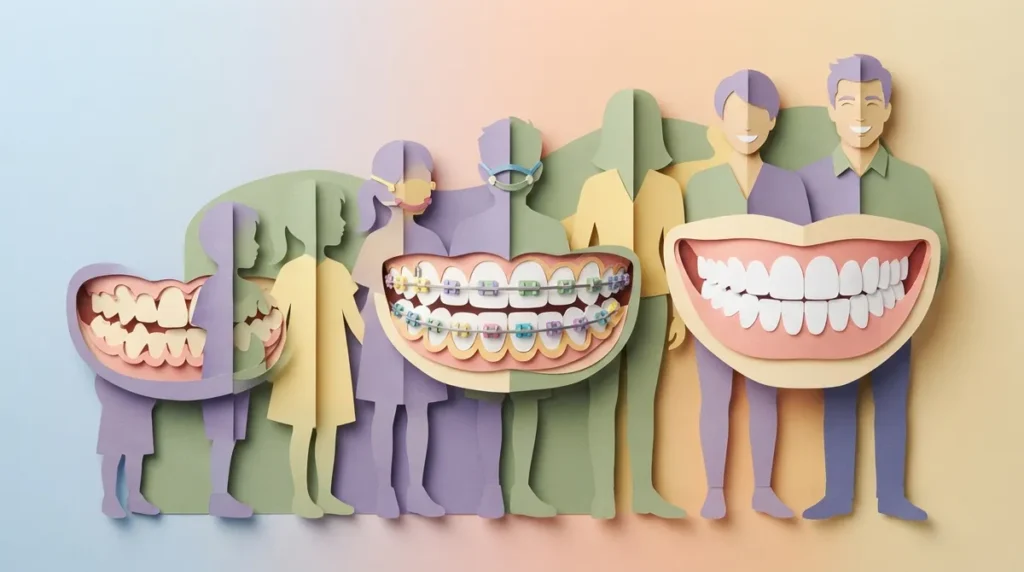
Key Takeaways
-
Schedule an orthodontic screening by age 7 to catch problems early while jaw growth can still be guided, but full braces typically start between ages 10-14 when permanent teeth are in place and bones are most responsive to treatment.
-
Adults of any age can get braces or clear aligners with no upper age limit; treatment may take longer than in children, but results are equally effective regardless of whether you start at 25 or 65.
-
Early interceptive treatment (Phase 1) between ages 6-8 may be needed for specific issues like severe crowding, crossbites, or prolonged thumb-sucking to simplify or shorten comprehensive treatment later.
-
Individual jaw growth timing and specific orthodontic problems matter more than a child’s birthday; a personalized evaluation by an orthodontist is essential rather than relying on age alone to determine treatment timing.
If you’ve ever caught yourself Googling “best age for braces” at 11 p.m. while your child grins at you with a snaggletooth, you’re in good company. Parents ask us this question almost every single day at our Lakewood Ranch office. And here’s the good news: there’s no single magic number. The best age for braces actually depends on your child’s teeth, jaw growth, and unique smile story. Adults ask us too, wondering if they’ve “missed the window” for a straighter smile (spoiler: they haven’t).
In this friendly guide, we’ll walk through 15 facts that break down exactly when braces work best for kids, teens, and adults. We’ll cover early screenings, the ideal treatment window, and why grown-ups can absolutely still get in on the smile transformation. Whether you’re a busy mom juggling soccer practice and orthodontist visits, or a professional eyeing clear aligners before a big wedding, this list is for you. Let’s dig in!
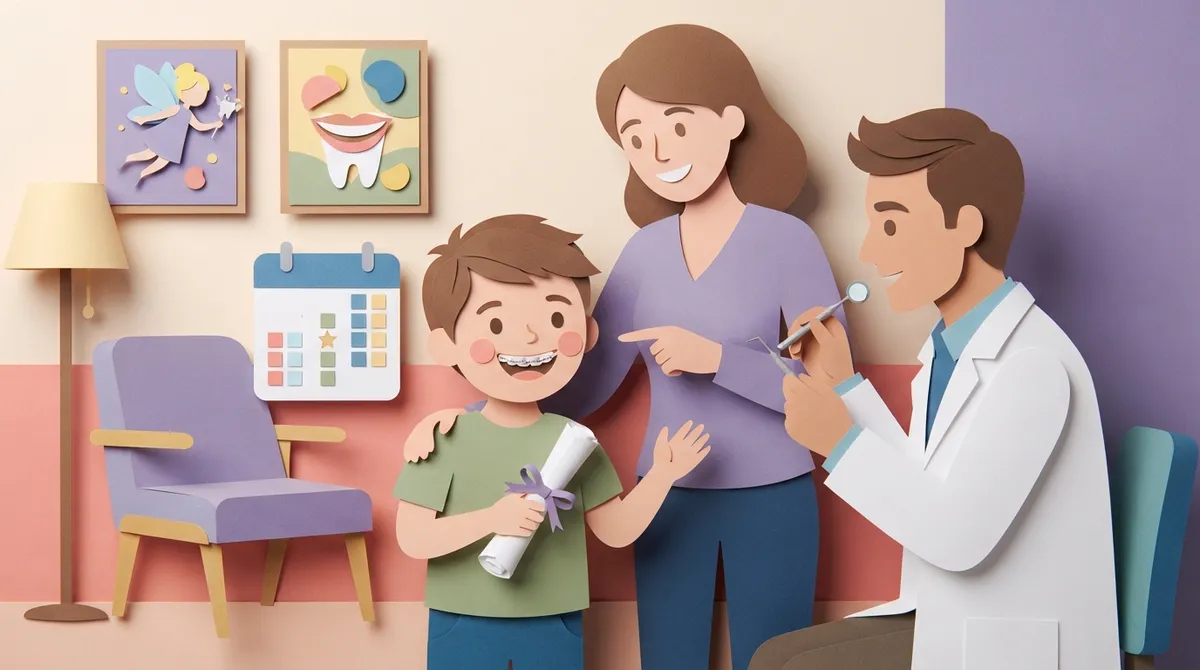
1. The American Association of Orthodontists Says Age 7 Is Key
The American Board of Orthodontics and the AAO both recommend that every child get their first orthodontic checkup by age 7. This isn’t about starting braces right away. It’s about catching problems early, while there’s still time to guide jaw growth and tooth eruption in the right direction.
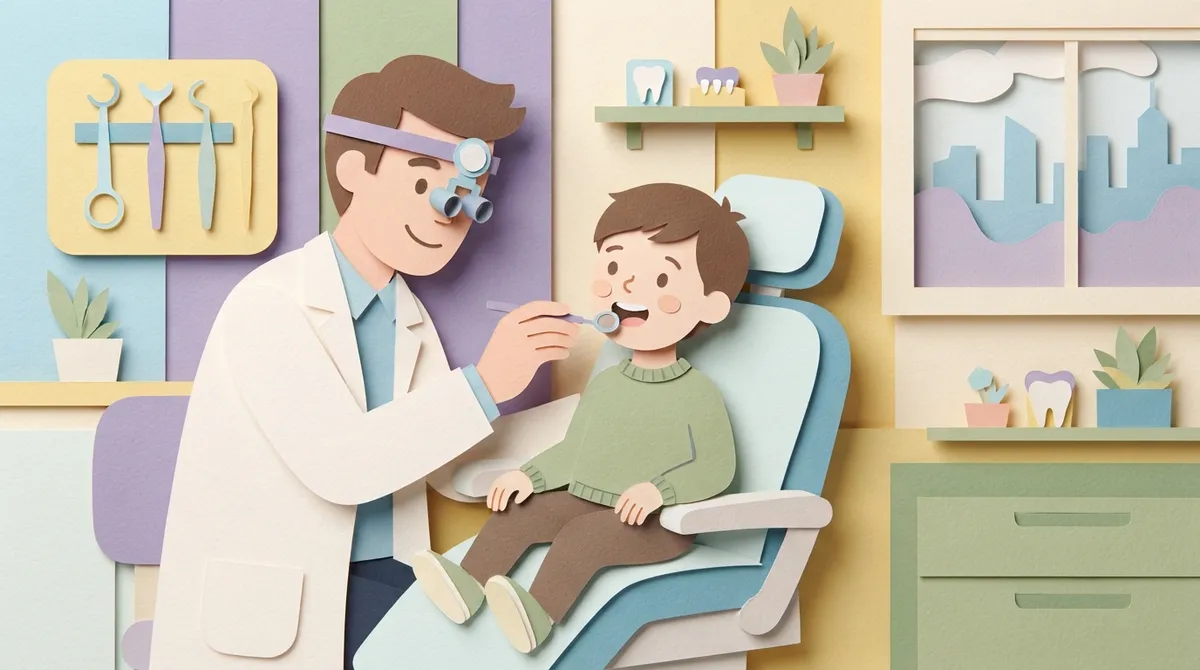
2. Age 7 Is for Screening, Not Full Treatment
Here’s a common mix-up: age 7 is a checkpoint, not a starting line. Most 7-year-olds get evaluated but don’t need braces yet. Dr. Segovia simply keeps an eye on how the bite is developing and flags any concerns before they grow into bigger issues.
3. Ages 10 to 14 Is the Real Sweet Spot
Most orthodontists agree that the ideal age for full braces treatment falls between 10 and 14 years old. At this stage, most permanent teeth have come in (except wisdom teeth), and the jaw is still growing enough to make tooth movement easier and often faster.
4. Why Pre-Teen Years Work So Well
During the pre-adolescent growth spurt, bones are more flexible and responsive to gentle pressure. This means braces can guide teeth into place more efficiently during these years compared to adulthood, when jawbones are fully set.
5. Early Interceptive Treatment (Phase 1) Has Its Own Timeline
Sometimes a child needs help even before age 10. Phase 1, or interceptive treatment, may start as early as age 6 to 8 for specific problems like severe crowding, crossbites, or thumb-sucking habits that are shifting teeth. This early step can simplify or shorten treatment later on. Learn more about early orthodontic treatment and how it works.
Signs Your Child Might Need Early Treatment
- Difficulty biting or chewing food comfortably
- Teeth that don’t meet properly when the mouth is closed
- Jaws that shift or make sounds when opening and closing
- Prolonged thumb-sucking or pacifier use past age 5
- Crowded, overlapping, or oddly spaced teeth
- Speech issues related to tooth position
6. Starting at 14 Is Not Too Late for Teens
Worried you waited too long? Relax. Age 14 is still well within the ideal treatment window for most teenagers. By this age, permanent teeth are usually all in place, making it a great time to start comprehensive orthodontic care. Check out our guide on teen orthodontic treatment for more details on what to expect.
7. Most Kids Start Between Ages 12 and 14
According to industry data, the average age for starting orthodontic treatment tends to center around 11 to 13 years old, with many kids beginning full braces closer to 12 to 14. This lines up nicely with when most permanent teeth have erupted.
8. Adults Can Get Braces at Any Age
Here’s something every grown-up should know: there is no upper age limit for braces. Adult jawbones are fully developed, so treatment might take a bit longer, but the results are just as rewarding. Whether you’re 28 or 58, straightening your teeth is always an option. Explore our adult orthodontics options to see what fits your lifestyle.
9. Why Busy Professionals Are Choosing Clear Aligners
Career-focused adults often want a discreet way to fix their smile without anyone noticing at the office. Clear aligners are a popular choice because they’re removable and nearly invisible. If you’re prepping for a big presentation or client meeting, nobody needs to know you’re mid-treatment. Take a look at our clear aligners page to learn how they work.
10. Angel Aligners Offer a Faster, Budget-Friendly Option
For adults who want efficient results without breaking the bank, Angel Aligners use a smart “7+3” wear schedule (seven days with a flexible tray, then three days with a firmer one) to speed up tooth movement. They’re frosted to reduce shine, flexible for comfort, and typically cost less than premium aligner brands while still using advanced 3D digital planning.
11. Jaw Growth Timing Matters More Than a Birthday
Every child’s biology is different. Some kids lose baby teeth earlier or later than others, and jaw growth spurts don’t follow a strict calendar. That’s why Dr. Segovia evaluates each child individually rather than relying on age alone. This personalized approach is part of what makes choosing the right orthodontist so important.
12. Braces Timing Depends on the Specific Problem
Not all orthodontic issues are created equal. A simple gap between teeth might wait until the pre-teen years, while a severe crossbite could need attention much sooner. Understanding common orthodontic problems can help parents know what to watch for.
Orthodontic Timing at a Glance
| Age Range | Typical Purpose | Common Treatment Type |
|---|---|---|
| Age 7 | First screening and monitoring | Evaluation only, usually no treatment |
| Ages 6-9 | Early interceptive care for severe issues | Phase 1 treatment, expanders, space maintainers |
| Ages 10-14 | Ideal window for comprehensive treatment | Traditional braces, WildSmiles, LightForce braces |
| Ages 15-25 | Great time for aesthetic-focused treatment | Clear aligners, ceramic braces |
| Age 25+ | Adult correction or relapse fix | Clear aligners, Angel Aligners, adult braces |
13. Life Events Can Influence When Adults Start Treatment
Weddings, graduations, and job promotions often push adults to finally book that consultation. If you’ve got a milestone coming up, starting sooner rather than later gives you more time to enjoy your new smile before the big day. Our LightForce Orthodontics system can even speed up treatment time by up to 45 percent, thanks to precision 3D-printed brackets.
14. Relapse Patients Have a Great Second Chance
Did you wear braces as a teen but skip your retainer as an adult? You’re definitely not alone. Many adults return for a second round of treatment to fix shifting teeth. The good news is that relapse patients tend to be highly motivated and see great results with orthodontic retainers or a short round of aligners.
15. The Right Orthodontist Makes All the Difference, Regardless of Age
No matter what age you or your child start treatment, working with a board certified orthodontist matters. Dr. Flor Segovia uses advanced orthodontic technology to create personalized plans for every patient, whether they’re 7 or 70.
Steps to Figure Out the Right Time for Braces
Not sure where to start? Here’s a simple process we recommend for every family:
- Schedule a first evaluation by age 7, even if braces seem far off.
- Watch for warning signs like crowding, crossbites, or jaw discomfort.
- Ask your orthodontist about Phase 1 treatment if issues appear early.
- Plan for comprehensive treatment between ages 10 and 14 for most kids.
- Consider clear aligners or adult braces at any age if you missed your window.
- Stick with retainers after treatment to protect your results long-term.
Why Choose Fun, Personalized Options for Kids
Getting kids excited about braces makes a huge difference in how well they care for their teeth during treatment. That’s where WildSmiles Braces come in. With shapes like stars, hearts, and even Mickey Mouse, kids actually look forward to their orthodontist visits. Plus, the unique bracket shapes make it easier to spot leftover plaque, encouraging better brushing habits.
What Makes Segovia Orthodontics Different
At Segovia Orthodontics, we believe every smile journey is personal. Dr. Flor Segovia offers bilingual care in English and Spanish, creating a welcoming space for the whole family. Whether your child needs their first orthodontic visit or you’re an adult exploring types of braces for the first time, our Lakewood Ranch team is here to help.
We also love connecting with our community! Follow along on our Facebook page for smile transformations and office updates, or check out our Instagram page for behind-the-scenes fun. And if you want to hear directly from happy patients, take a moment to visit us on Google — Segovia Orthodontics and read real reviews from Lakewood Ranch families.
Bringing It All Together
So, what’s the best age for braces? The honest answer is: it depends on the person. Kids should get screened by age 7, most benefit from full treatment between ages 10 and 14, and adults can start whenever they’re ready. There’s truly no wrong time to invest in a healthier, more confident smile.
If you’ve been wondering whether now is the right time for you or your child, we’d love to help you figure it out. Learn more about our orthodontist, Dr. Flor Segovia, and explore flexible orthodontic financing options that fit your budget. Ready to take the next step? Request an appointment today, or feel free to contact us with any questions. You can also call us at 941-557-1333 to speak with our friendly Lakewood Ranch team. Your best smile is closer than you think!
FAQs
Q: Is 7 years old too young for braces?
A: Not at all! Age 7 is actually the recommended time for a first orthodontic screening, not full braces. Dr. Segovia checks how the bite and jaw are developing so any issues can be caught early, even though braces themselves usually wait a few more years.
Q: What is the earliest age a child can get braces?
A: In some cases, kids as young as 6 to 8 years old can start early interceptive treatment, known as Phase 1, if they have serious issues like crossbites or severe crowding. This isn’t the norm for every child, but it can make a big difference for specific situations.
Q: Is 14 too late to start braces for a teenager?
A: Nope, 14 is right on time! Most permanent teeth have come in by this age, making it a great window for comprehensive treatment. Plenty of our happiest smile transformations start right around this age.
Q: Can adults get braces, and is there an age limit?
A: Absolutely, there’s no age limit for braces or clear aligners. Adult jaws are fully grown, so treatment might take a little longer, but the results are just as beautiful. We treat adults of all ages here at our Lakewood Ranch office.
Q: What are the signs my child needs braces sooner than age 10?
A: Watch for things like trouble chewing, a jaw that clicks or shifts, crowded teeth, or long-term thumb-sucking habits. If you notice any of these, it’s worth scheduling an evaluation sooner rather than later, even if your child is younger than 10.
Our Service Area