Key Takeaways
-
Orthodontics treats functional problems beyond aesthetics, including chewing, speaking, breathing issues, and jaw misalignment through specialized training beyond dental school.
-
Multiple treatment options now exist beyond traditional metal braces, including clear braces, clear aligners, and LightForce braces, with treatment durations ranging from 6-24 months depending on the option.
-
Orthodontic treatment is effective at all life stages: children by age 7 for early jaw guidance, teenagers during mixed dentition, and adults using discreet modern options.
-
Common treatable orthodontic problems include crowding, overbites, underbites, crossbites, open bites, and gapped teeth, all affecting oral function and confidence.
-
The orthodontic process follows predictable steps: initial consultation, treatment placement, regular 6-10 week adjustments, completion, and lifelong retainer use to maintain results.
-
Orthodontic treatment is now more affordable through dental insurance, flexible payment plans, HSA/FSA accounts, family discounts, and interest-free financing options.
Have you ever wondered what orthodontics actually is? Maybe your dentist just referred your child, or maybe you’ve been thinking about fixing your own smile. Either way, you’re in the right place! Understanding orthodontics doesn’t have to feel overwhelming. It’s actually a pretty fascinating field that does so much more than just straighten teeth. From helping kids develop healthy bites to giving busy adults the confidence to smile in meetings, orthodontics touches all stages of life. In this guide, we’ll walk you through six key things you really need to know about what orthodontics is, who it helps, and why it might be exactly what you or your family needs. Let’s make it simple, clear, and maybe even a little fun!
1. Orthodontics Is More Than Just Straight Teeth
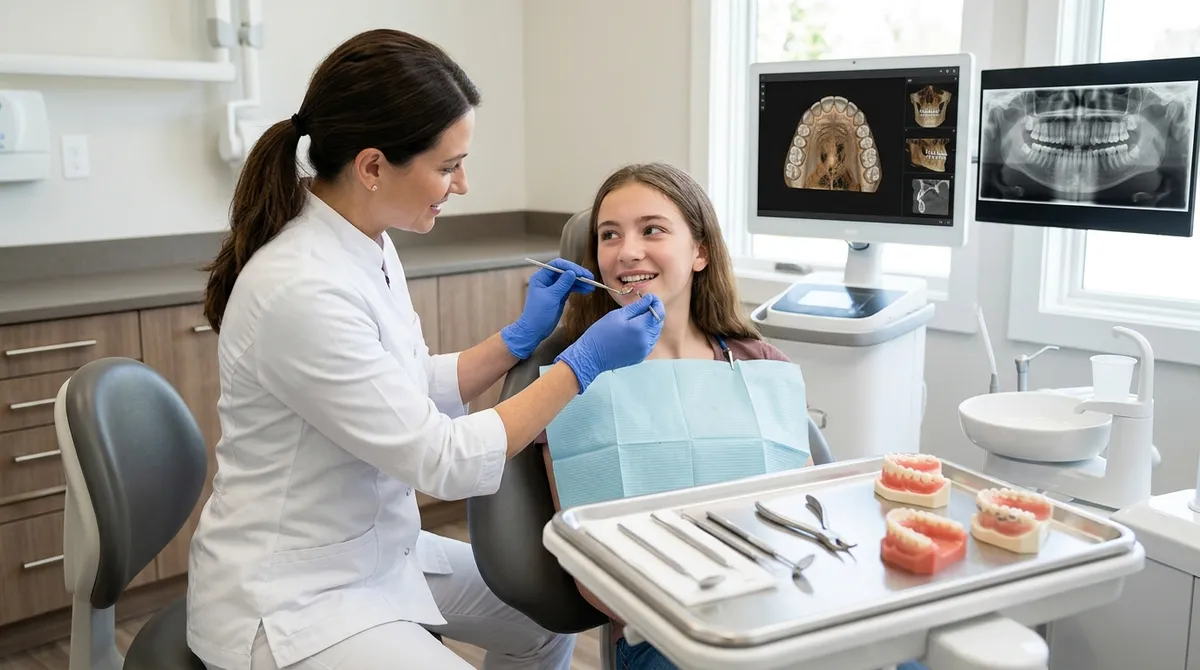
Most people think orthodontics is only about making teeth look straighter. That’s a big part of it, but it’s not the whole story. Orthodontics is a dental specialty focused on diagnosing, preventing, and treating problems with the alignment of teeth and jaws. When teeth or jaws don’t line up properly, it can affect how you chew, speak, and even breathe.
Orthodontists go through several extra years of specialized training beyond dental school. They study how teeth, jaws, and facial bones grow and develop together. This deep expertise is what makes orthodontic treatment so effective and safe. You can learn more about what a specialist offers by reading what an orthodontist actually does for your smile.
Here are some key issues orthodontics can address:
- Crooked or crowded teeth
- Overbites, underbites, and crossbites
- Gaps between teeth
- Jaw misalignment
- Problems with chewing or speaking
- Protruding teeth that risk injury
2. There Are Several Types of Orthodontic Treatments
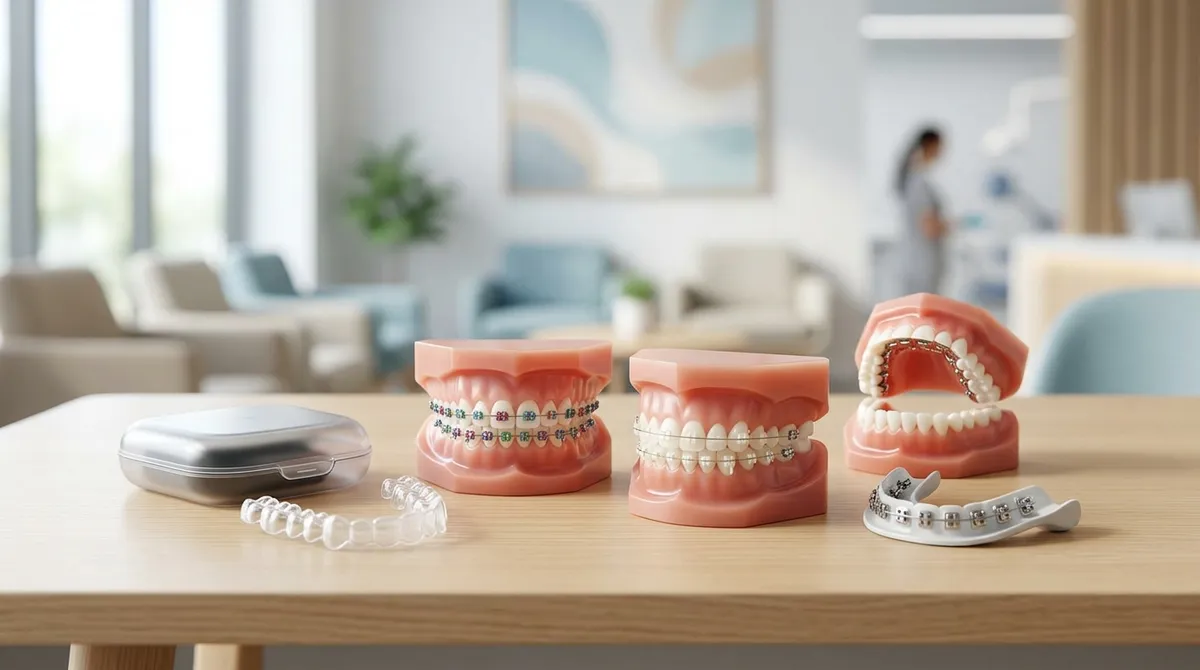
Orthodontics has come a long way! Gone are the days when metal braces were the only option. Today, patients can choose from a variety of treatments depending on their age, lifestyle, and goals. Whether you’re a busy professional, a teenager, or a parent looking for options for your child, there’s something for everyone.
Here’s a quick look at the most common types of orthodontic treatments available today:
| Treatment Type | Best For | Visibility | Typical Duration |
|---|---|---|---|
| Traditional Metal Braces | Children, teens, complex cases | Visible | 12–24 months |
| Clear Braces | Teens and adults who want subtlety | Less visible | 12–24 months |
| Clear Aligners | Teens and adults seeking discretion | Nearly invisible | 6–18 months |
| LightForce Braces | Patients wanting custom precision | Low profile | Varies by case |
| Orthodontic Retainers | Post-treatment maintenance | Varies | Ongoing |
For a deep dive into your options, check out these helpful guides on types of braces and clear aligners. If you want a side-by-side comparison, this article on braces vs. clear aligners is a great read.
3. Orthodontics Is for Every Age Group
One of the biggest myths about orthodontics is that it’s only for kids. The truth? Orthodontics is for everyone — children, teenagers, and adults alike. Each life stage has its own unique benefits when it comes to orthodontic care.
Here’s a breakdown by age group:
- Children (Ages 7–12): The American Board of Orthodontics recommends children have their first orthodontic evaluation by age 7. Early treatment can guide jaw development and prevent bigger problems later. Learn more about early orthodontic treatment.
- Teenagers (Ages 13–17): The teen years are the most common time for orthodontic treatment. Teens have a mix of adult and baby teeth, and their jaws are still growing, making it an ideal time to correct alignment. Explore teen orthodontic treatment options.
- Adults (Ages 18+): More adults are pursuing orthodontics than ever before! Whether it’s for the first time or to correct relapse from earlier treatment, adults benefit greatly from modern discreet options. Discover what adult orthodontics can do for you.
At Segovia Orthodontics, Dr. Flor Segovia and her team welcome patients of all ages. Whether you’re scheduling your child’s first visit or finally taking the step for yourself, the team is here to make you feel comfortable and supported every step of the way. Learn what to expect at your first orthodontic visit before you come in.
4. Common Orthodontic Problems Are More Common Than You Think
If you’ve ever looked in the mirror and wished something about your smile was different, you’re definitely not alone. Many people have orthodontic issues and don’t even realize they could be easily treated. Understanding what’s happening in your mouth is the first step toward getting help.
Some of the most common orthodontic problems include:
- Crowded teeth: When there isn’t enough space in the jaw for all teeth to fit properly
- Overbite: When the upper front teeth overlap too far over the lower teeth
- Underbite: When the lower teeth stick out further than the upper teeth
- Crossbite: When upper and lower teeth don’t align side by side
- Open bite: When upper and lower front teeth don’t meet when biting
- Gapped teeth: Spaces between teeth that affect both looks and function
These problems can affect your confidence, your oral hygiene, and even how you feel physically. The good news is that all of these issues are treatable. For more detail, read about common orthodontic problems and how they’re typically corrected. You can also explore what the most common orthodontic issues affecting smiles look like in real patients.
5. The Orthodontic Process Has Clear, Predictable Steps
Starting orthodontic treatment might feel like a big unknown. But the process is actually very structured and predictable. Knowing what’s ahead helps you feel confident every step of the way. Here’s how a typical orthodontic journey looks from start to finish:
- Initial Consultation: Your orthodontist examines your teeth, takes X-rays, and creates a custom treatment plan. This visit is usually free at many offices. Read more about what happens during an orthodontic evaluation.
- Treatment Begins: Braces are placed or aligners are fitted. Your orthodontist explains how to care for your appliances and what to expect in the first week.
- Regular Adjustments: You’ll visit your orthodontist every 6–10 weeks for check-ups and adjustments. These visits are quick and keep your treatment on track.
- Treatment Completion: Braces are removed or you finish your final aligner tray. You’ll love your new smile!
- Retainer Phase: Retainers are fitted to keep your teeth in their new positions. Wearing your retainer is key to maintaining your results long-term. Learn about orthodontic retainers and why they matter.
If you’re preparing for your first appointment, this guide on your orthodontics appointment: what to expect and how to prepare is incredibly helpful. You can also browse orthodontics before and after results to see what’s possible.
6. Orthodontics Is More Affordable and Accessible Than Ever
One of the biggest reasons people put off orthodontic treatment is cost. We completely understand that! But here’s some great news: orthodontics in 2026 is more affordable and accessible than at any other time in history. There are more payment options, financing plans, and insurance benefits available today that can make treatment fit almost any budget.
Here are some ways to make orthodontic treatment more affordable:
- Using dental insurance with orthodontic benefits
- Setting up flexible in-office payment plans
- Using a Health Savings Account (HSA) or Flexible Spending Account (FSA)
- Taking advantage of family discounts when multiple members are in treatment
- Asking about interest-free financing options
It’s also worth knowing that delaying treatment can sometimes lead to more complex (and costly) problems down the road. Treating issues early often saves money in the long run. For helpful guidance on budgeting, check out this article on orthodontic financing or read about affordable orthodontics and budget-friendly smile options. You can also explore how orthodontics payment plans actually work.
| Financing Option | Description | Best For |
|---|---|---|
| Dental Insurance | Covers a portion of orthodontic costs | Families with employer-sponsored plans |
| In-Office Payment Plans | Spread payments monthly with low/no interest | Everyone — very flexible |
| HSA / FSA Accounts | Pre-tax dollars used for medical expenses | Working adults with these benefits |
| Third-Party Financing | Extended loan options for larger balances | Those needing longer repayment terms |
Why Choosing the Right Orthodontist Matters
Understanding what orthodontics is also means understanding who you want guiding your treatment. Not all orthodontic providers are the same. Choosing a board-certified orthodontist means you’re working with someone who has met the highest standards in the field. It’s a mark of expertise and commitment to excellence that every patient deserves.
Dr. Flor Segovia at Segovia Orthodontics is a board-certified orthodontist who uses advanced orthodontic technology to deliver personalized, effective care for patients of all ages in the Lakewood Ranch area. Her bilingual practice provides a warm, welcoming environment where every patient feels valued. You can follow along with patient stories and behind-the-scenes moments on our Instagram page or connect with us on our Facebook page.
To see what patients are saying about their experience, visit us on Google — Segovia Orthodontics and read real reviews from the Lakewood Ranch community. When you’re ready to learn more about what makes this practice special, visit the why choose us page for a full overview.
Ready to Start Your Orthodontic Journey?
Now that you know what orthodontics is and what it can do for you and your family, the next step is simple. Whether you’re curious about options for your child, looking for a discreet adult treatment, or just ready to finally love your smile, the team at Segovia Orthodontics is here for you. We love helping patients of all ages take that exciting first step toward a healthier, more confident smile.
Don’t wait any longer — your best smile is closer than you think! Request your appointment today and let’s start building the smile you’ve always wanted together. You can also call us at 941-557-1333 to speak with our friendly team right away.
FAQs
Q: What is orthodontics exactly, and how is it different from general dentistry?
A: Orthodontics is a dental specialty focused on correcting the alignment of teeth and jaws. While general dentists handle overall oral health like cleanings and fillings, orthodontists go through extra years of specialized training to treat bite issues, crowding, and spacing problems using braces, aligners, and other appliances.
Q: At what age should a child have their first orthodontic evaluation?
A: Most orthodontists recommend a child’s first evaluation around age 7! At this age, there’s a good mix of baby and adult teeth, making it easier to spot potential issues early. Early evaluations don’t always mean early treatment — they just help your orthodontist keep a watchful eye on development.
Q: Is orthodontic treatment only for cosmetic purposes?
A: Not at all! While a beautiful smile is a wonderful benefit, orthodontic treatment also improves oral function, makes teeth easier to clean, and can reduce the risk of jaw problems, tooth wear, and even speech issues. It’s a health investment as much as it is an aesthetic one.
Q: How long does orthodontic treatment typically take?
A: Treatment time varies depending on the complexity of your case, but most patients complete treatment within 12 to 24 months. Simpler cases with clear aligners may finish in as little as 6 months, while more complex issues may take longer. Your orthodontist will give you a personalized timeline at your consultation.
Q: Can adults really benefit from orthodontic treatment in 2026?
A: Absolutely — and more adults than ever are doing it! With discreet options like clear aligners and low-profile braces, adults can straighten their smiles without disrupting their professional or social lives. Whether it’s your first time or a relapse correction, it’s never too late to invest in your smile!
Our Service Area