Key Takeaways
-
Rinse aligners with lukewarm water immediately after removal and brush gently daily with a soft toothbrush and small amount of toothpaste, avoiding hot water which warps the plastic and compromises fit.
-
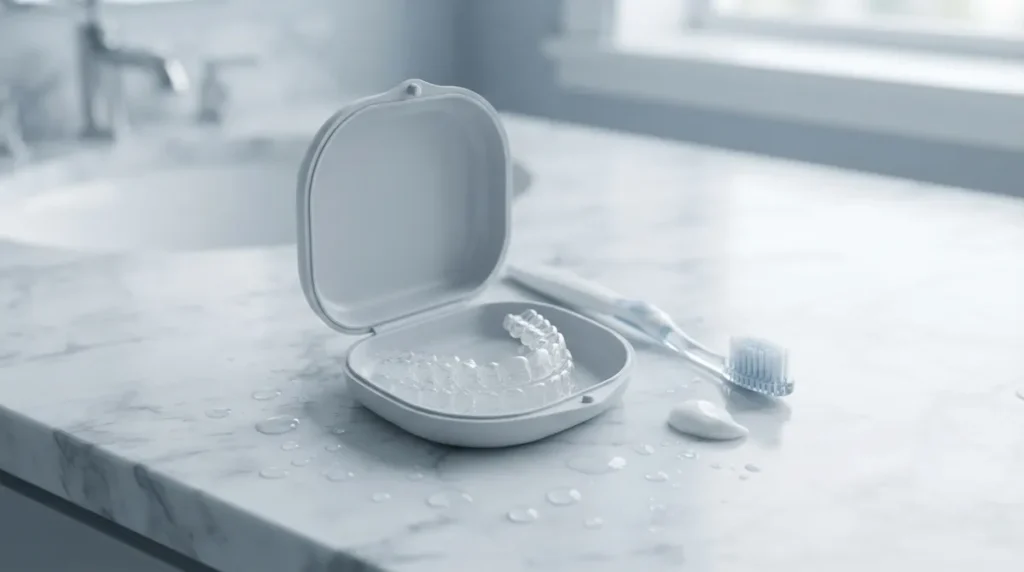
Always store aligners in their protective case in a cool, dry place—never in napkins, pockets, or on tables—to prevent loss, contamination, and damage from children or pets.
-
Remove aligners for all meals and drinks except plain water; trap food and sugary beverages against teeth increase cavity risk and can stain the trays permanently.
-
Avoid denture cleaners, mouthwash soaks, and abrasive scrubbing which damage the plastic surface and cause dullness or scratches that collect stains.
-
Clean your aligner case several times weekly by hand-washing with soap and water, then air drying completely, since a grimy case reintroduces bacteria to freshly cleaned trays.
-
Always follow your specific aligner brand's care instructions and your orthodontist's guidance, as different systems have varying requirements for cleaning crystals, tablets, and other products.
Let’s be honest: nobody signs up for clear aligners because they love the cleaning routine. You sign up for the straighter smile! But here’s the friendly truth. How you clean and store your trays matters almost as much as how often you wear them. A cloudy, smelly, or warped aligner can slow your progress and make treatment a lot less fun.
The good news? Great aligner cleaning and storage habits are simple. Whether you’re a busy parent juggling school pickups, a professional running from meeting to meeting, or an adult getting ready for a wedding or big event, a few small changes can protect your investment. At Segovia Orthodontics, we see the same easy-to-fix slip-ups again and again, and we’re here to help you dodge them.
In this guide, you’ll learn the seven most common mistakes, what to do instead, and quick answers to the questions patients ask us most. Let’s keep those aligners clear, fresh, and ready to work!
Why Aligner Cleaning and Storage Matter So Much
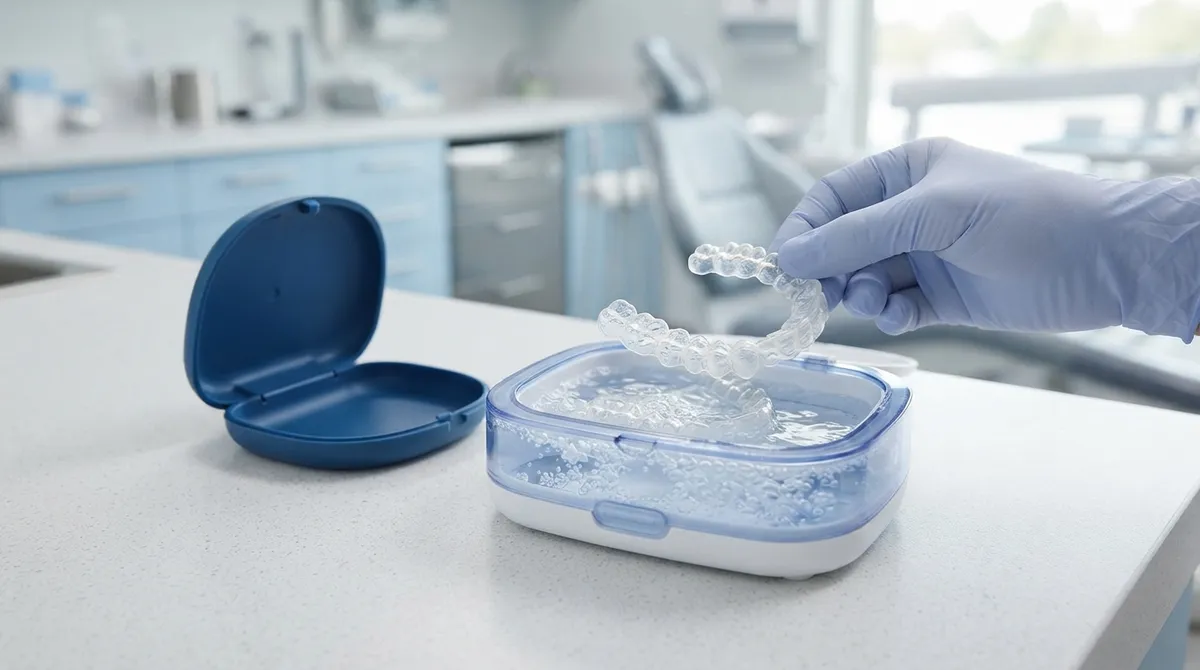
Your aligners sit snugly against your teeth for many hours every day. Invisalign’s patient guidance recommends wearing aligners for 20 to 22 hours per day, and your orthodontist may give you a slightly different plan. That means saliva, bacteria, and food bits get trapped against your teeth if the trays aren’t kept clean.
Good care does a few important things:
- Keeps them clear. Clean trays are far less likely to stain or look dull.
- Limits odor. Residue and bacteria are the usual cause of funky smells.
- Protects the plastic. Heat, harsh products, and rough handling can warp or scratch trays.
- Prevents loss. A case keeps aligners safe from napkins, trash cans, and curious pets.
Think of it like caring for a favorite pair of glasses. A little daily attention keeps everything working beautifully. If you’re still deciding on treatment, you can learn more about our clear aligners and how they fit into your lifestyle.
Mistake 1: Using Hot Water to Clean Your Aligners
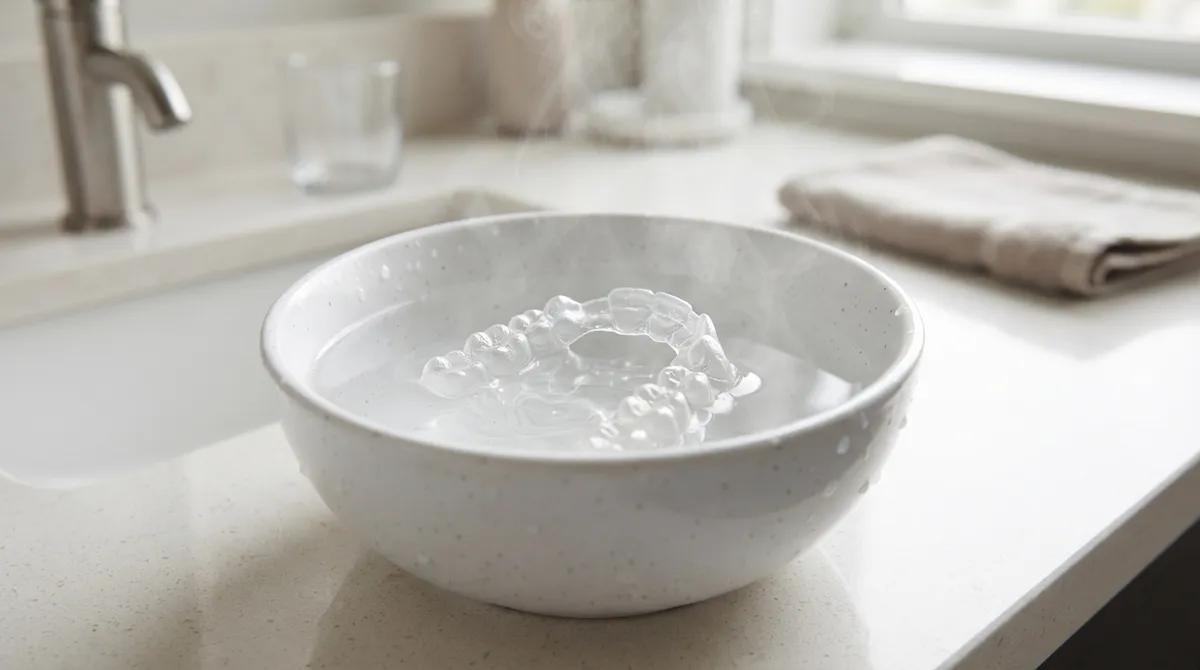
It seems logical, right? Hot water kills germs, so it must be great for cleaning. Unfortunately, aligners are made of plastic, and hot water can distort that plastic. Even slight warping can change how your trays fit and how well they move your teeth.
What to do instead
Rinse your aligners with lukewarm water every time you take them out. Lukewarm means comfortable to the touch, not steamy. This quick rinse removes saliva before it dries and turns into a stubborn film.
Skip the dishwasher, the microwave, and boiling water too. Those are all tray-warping traps!
Mistake 2: Skipping the Daily Brush
A rinse is a great start, but it isn’t a full clean. Invisalign’s current patient instructions advise brushing your aligners gently with a soft-bristled toothbrush, water, and a small amount of toothpaste, then rinsing thoroughly. Always follow the instructions for your specific aligner brand and your orthodontist’s guidance, since care steps can differ.
A simple daily cleaning routine
- Remove your aligners and rinse them with lukewarm water right away.
- Use a soft-bristled toothbrush (one just for aligners is ideal).
- Add water and a small amount of toothpaste, then brush gently inside and out.
- Rinse thoroughly until no toothpaste remains.
- Brush and floss your teeth before putting the aligners back in.
That last step matters. Putting aligners over teeth that still have food on them traps debris right against your enamel. If you’re wearing braces instead, our guide on how to properly brush teeth with braces covers a similar routine.
Mistake 3: Reaching for the Wrong Cleaning Products
When aligners look cloudy, it’s tempting to grab whatever is in the bathroom cabinet. But some products can do more harm than good.
Invisalign’s manufacturer guidance says not to use denture cleaners or soak aligners in mouthwash. These can damage the surface and make the plastic dull or more visible. Harsh chemicals and abrasive scrubbing can also leave tiny scratches that collect stains.
| Cleaning Method | Generally Okay? | Notes |
|---|---|---|
| Lukewarm water rinse | Yes | Do this every time you remove your trays |
| Soft toothbrush with water and a little toothpaste | Yes | Follows current Invisalign patient guidance |
| Aligner cleaning crystals | Yes, as directed | Manufacturer directions call for soaking at least 15 minutes, then rinsing well |
| Hot or boiling water | No | Can warp the plastic |
| Denture cleaners | No (for Invisalign) | May dull or damage the surface |
| Soaking in mouthwash | No (for Invisalign) | Can affect the surface and appearance |
| Abrasive scrubbing | No | Can scratch and cause staining |
One small note on research: a 2025 randomized clinical trial of 12 adults compared five daily cleaning methods over successive 10-day periods. It compared brushing with whitening toothpaste, diluted vinegar, cleansing tablets, cleaning crystals, and plain water. It reported favorable surface findings for cleaning crystals and whitening toothpaste. That’s interesting, but with such a small sample and short timeline, it shouldn’t replace your manufacturer’s or orthodontist’s instructions. When in doubt, ask us!
Mistake 4: Wrapping Aligners in a Napkin
Here’s a story we hear far too often. Someone takes their aligners out at lunch, wraps them in a napkin, sets them on the table, and then… they’re gone. Thrown out with the trash. It happens to the best of us, and replacement trays can mean delays and extra cost.
Where aligners should live when they’re out
Your aligners belong in their protective case any time they’re not in your mouth. A case helps reduce loss, contamination, and damage. Here’s how to store them well:
- Keep the case in a cool, dry place.
- Stash a case in your bag, car, and desk so you’re never caught without one.
- Keep trays away from children and pets, who love chewing on tiny plastic treasures.
- Never leave them in a pocket, on a tray table, or in direct sun.
Forgot your case at a restaurant? Don’t panic. Place the aligners somewhere safe and secure (not on the table or in a napkin) until you can get them into a clean case, and head back to your routine as soon as possible.
Mistake 5: Forgetting to Clean the Case
You wouldn’t store clean dishes in a dirty cabinet, right? The same idea applies here. A grimy case can reintroduce bacteria to freshly cleaned aligners.
Invisalign’s instructions say cases may be hand-washed with soap and water and should not be cleaned in a dishwasher. Let the case air dry fully before using it again. Make it a habit to wash it a few times a week, or more often if you notice buildup or odor.
Busy professionals and parents often find it easiest to tie this to an existing routine. Wash the case when you brush your teeth at night, and it becomes automatic.
Mistake 6: Eating or Drinking With Aligners In
This one is about protecting both your teeth and your trays. You should remove aligners for meals and for any drink other than plain water. Sugary, hot, or colored drinks can stain the plastic and trap sugar against your teeth.
After-meal routine
- Take your aligners out and place them in their case.
- Enjoy your meal or snack without worry.
- Brush and floss afterward when you can.
- If brushing isn’t practical, rinse your mouth and aligners, then clean your teeth as soon as you’re able.
- Pop the clean aligners back in.
Wondering about wearing aligners after eating without brushing? A quick rinse is better than nothing in a pinch, but it’s not a long-term plan. Trapped food and sugar can raise the risk of cavities. For more on keeping your smile healthy during treatment, check out our post on clear aligner mistakes that can ruin your smile results.
Mistake 7: Ignoring Your Brand’s Specific Instructions
Not every aligner system is cared for the same way. Some products and special designs have different restrictions, and what works for one brand might not suit another. For example, advice about cleaning crystals, denture tablets, or whitening toothpaste can vary depending on the manufacturer.
The safest move is to follow the care guide that came with your trays and your orthodontist’s advice. At Dr. Flor Segovia’s office, we’re always happy to walk you through the best care routine for your particular treatment, in English or Spanish. We also offer options like Angel Aligners, and we’ll tell you exactly how to care for whichever system you choose.
Quick Daily Care Checklist
Need something you can screenshot? Here’s your cheat sheet:
- Morning: Take trays out, rinse, brush your teeth, and clean aligners before reinserting.
- Mealtimes: Aligners out and in the case, never in a napkin.
- After meals: Brush and floss, or rinse until you can.
- Night: Brush aligners gently, rinse well, and wash the case.
- Weekly: Check for cloudiness, odor, or cracks and tell us if anything looks off.
What If You Notice a Problem?
Sometimes things go sideways even with the best habits. If an aligner cracks, warps, or goes missing, don’t try to fix it yourself. Contact your orthodontist so we can keep your treatment on track. If something feels urgent, our page on orthodontic emergencies can help you decide what to do next.
Staying in touch also helps you reach your goals, whether that’s a graduation, a wedding, or simply a smile you can’t stop showing off. The American Board of Orthodontics is a great resource if you’d like to learn more about orthodontic standards, and you can follow our everyday smile tips on our Instagram page and our Facebook page.
Keep Your Smile Journey on Track
Great aligner cleaning and storage doesn’t need to be complicated. Rinse with lukewarm water, brush gently, avoid hot water and harsh products, keep your trays in a clean case, and always follow your brand’s instructions. Do those few things and your aligners will stay clear, comfortable, and effective all the way to the finish line.
Have questions about your own routine? We’d love to help. See what our patients say when you visit us on Google — Segovia Orthodontics, then request an appointment or call us at 941-557-1333. Your best smile is closer than you think, and we’re excited to help you get there in Lakewood Ranch!
FAQs
Q: How often should I clean my clear aligners?
A: Rinse them with lukewarm water every time you take them out, and give them a gentle brush at least once a day. Always brush and floss your teeth before putting them back in. Following that simple routine keeps them clear and fresh!
Q: Can I use toothpaste, mouthwash, or denture tablets to clean my aligners?
A: A soft toothbrush with water and a small amount of toothpaste is part of current Invisalign patient guidance. However, the manufacturer says not to use denture cleaners or soak aligners in mouthwash, since these can dull the surface. Since care steps can vary by brand, check with your orthodontist first.
Q: Can hot water damage clear aligners?
A: Yes, it can! Hot water may distort the plastic, which can change how your trays fit. Stick with lukewarm water and you’ll protect both your aligners and your treatment progress.
Q: Where should I store my aligners when I take them out?
A: Always pop them into their protective case, never a napkin, pocket, or open table. Keep the case in a cool, dry spot away from kids and pets. This helps prevent loss, contamination, and damage.
Q: How do I clean my aligner case?
A: Hand-wash it with soap and water, rinse well, and let it air dry. Don’t put it in the dishwasher, as Invisalign’s instructions advise against it. Washing it a few times a week keeps bacteria from building up.
Our Service Area