Key Takeaways
-
Braces apply gentle, steady pressure to gradually move teeth into better positions, and treatment timelines typically range from several months to years depending on complexity and technology used.
-
Multiple brace options exist beyond traditional metal braces, including WildSmiles for kids, LightForce for faster digital precision (up to 45% faster), and Angel Aligners for removable clear alternatives.
-
Braces fix more than cosmetic issues—they address crowded teeth, gaps, overbites, underbites, crossbites, and jaw alignment problems while improving oral hygiene and chewing function.
-
Braces consist of interconnected components (brackets, archwire, ligatures, molar bands, elastics, hooks) that work together as a system to guide teeth alignment and correct bite issues.
-
Avoid hard, sticky, crunchy, and chewy foods like popcorn, candy, nuts, and bagels while wearing braces, and maintain rigorous brushing and flossing habits to prevent bracket damage and cavities.
-
Board-certified orthodontists provide customized treatment plans backed by advanced training, and flexible financing options are available to make orthodontic care more accessible for families and individuals.
Ever wonder what are braces really doing while they sit on your teeth for months? You’re not alone. Whether you’re a mom scheduling your child’s first orthodontic visit, a busy professional thinking about finally fixing that crooked smile, or someone getting ready for a big wedding or graduation, understanding braces helps you feel confident about the journey ahead. At Segovia Orthodontics in Lakewood Ranch, we love breaking down orthodontic care into simple, friendly terms. So let’s dig into the seven things you really need to know about braces, straight from the experts who see smiles transform every single day.
1. Braces Are Simple Tools That Move Teeth Gently
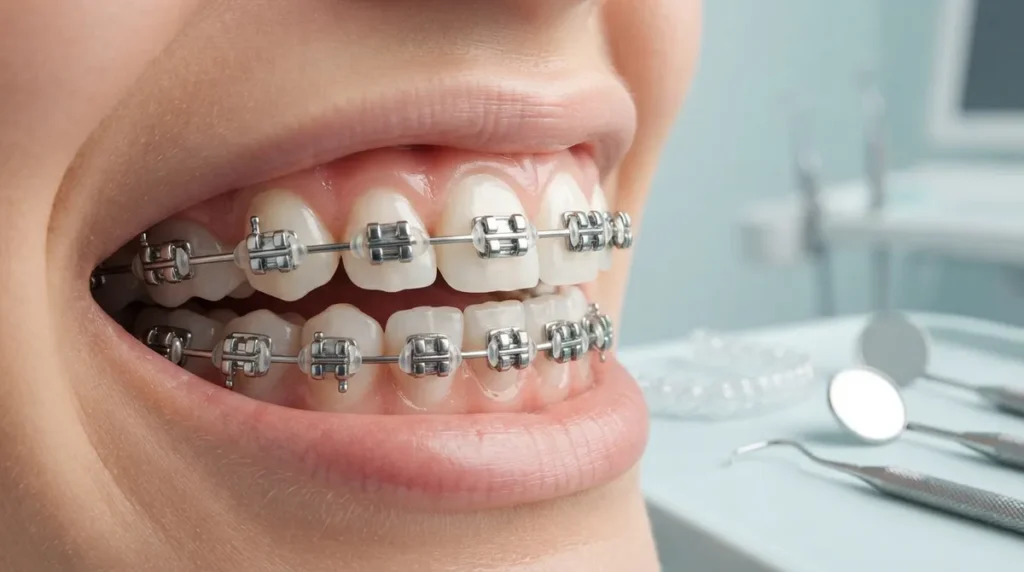
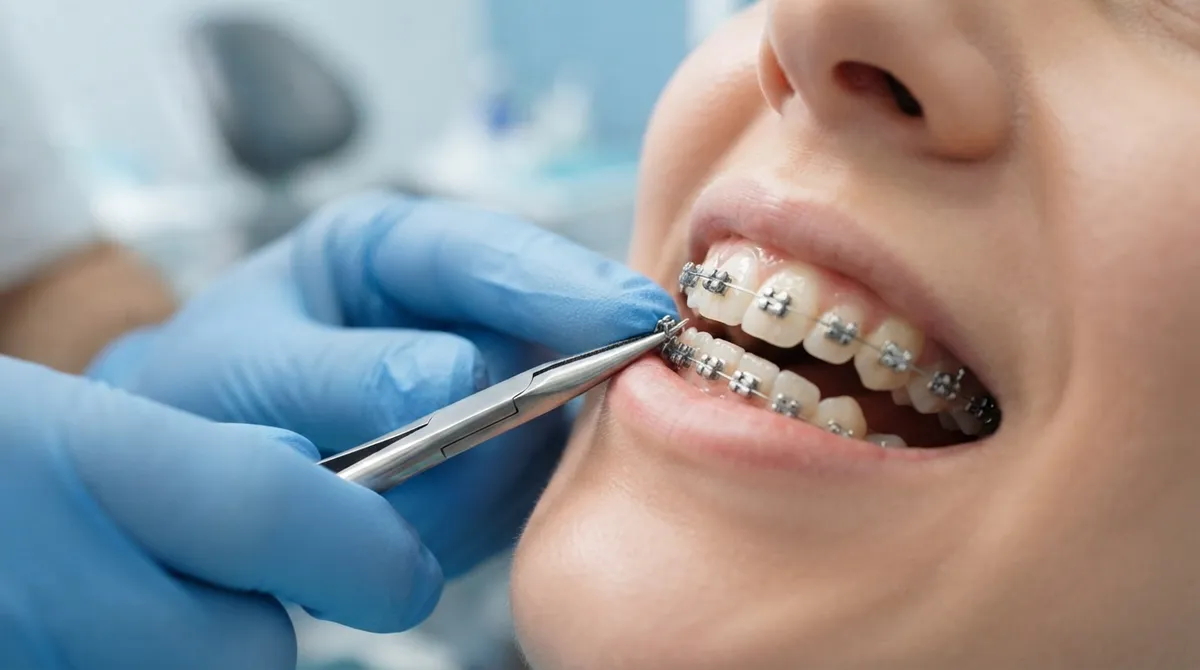
At their core, braces are orthodontic devices designed to straighten teeth and fix bite problems. They work by applying gentle, steady pressure over time, slowly guiding your teeth into better positions. Think of it like training a plant to grow a certain way. It doesn’t happen overnight, but with consistent, gentle guidance, the results are amazing.
According to the American Association of Orthodontists, braces are used to fix a wide range of issues, from crowded teeth to jaw alignment problems and bite issues. This broad use is exactly why Dr. Flor Segovia customizes every treatment plan based on each patient’s unique smile.
2. The Main Parts of Braces Work Together as a Team
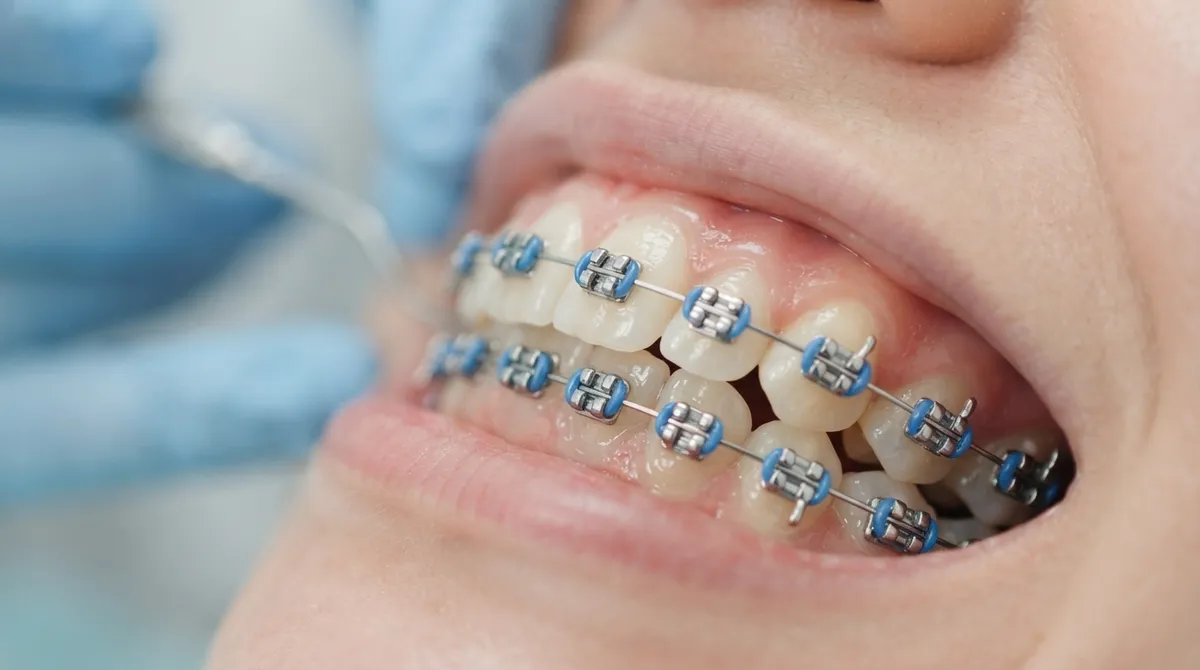
Traditional braces have a few key parts that work together to move your teeth. Understanding these pieces makes the whole process feel less mysterious.
- Brackets: Small pieces bonded directly onto each tooth
- Archwire: A thin metal wire that connects all the brackets
- Ligatures or ties: Small bands that hold the wire in place on each bracket
- Molar bands: Metal rings that wrap around back teeth for extra support
- Elastics: Rubber bands that help correct bite issues
- Hooks: Small attachments that anchor elastics where needed
Every piece has a job. The archwire pulls, the brackets guide, and the elastics fine-tune your bite. It’s a small system doing big work inside your mouth every day.
3. Braces Fix More Problems Than You Might Think
Many people assume braces are just for crooked front teeth. But orthodontic treatment covers so much more ground than that.
- Crowded teeth that overlap or twist
- Gaps or spacing issues between teeth
- Overbites, where upper teeth extend too far forward
- Underbites, where lower teeth sit in front of upper teeth
- Crossbites, where upper and lower teeth don’t align properly
- Rotated teeth that need to be turned back into place
- Jaw alignment issues affecting chewing and speech
If any of these sound familiar, you might benefit from learning more about common orthodontic problems and how treatment addresses each one specifically.
4. Not Every Type of Brace Looks the Same
Here’s some good news: braces have come a long way, and there are options for nearly every lifestyle and personality. This is especially exciting news for parents of kids who might feel nervous about getting braces.
WildSmiles Braces Make Treatment Fun for Kids
If your child is dreading braces, WildSmiles Braces can completely change that mindset. Instead of plain metal brackets, kids can choose fun shapes like stars, hearts, footballs, and even Mickey Mouse designs. Disney-inspired elastics from Frozen and Finding Nemo add another layer of excitement.
When kids actually enjoy their braces, they’re more likely to brush well, floss regularly, and avoid foods that could damage brackets. The unique shape of WildSmiles brackets also makes it easier to spot leftover plaque, so brushing habits naturally improve.
LightForce Braces Bring Digital Precision
For patients who want a more discreet, high-tech option, LightForce Orthodontics uses fully digital, 3D-printed brackets custom-made for each tooth. This isn’t a one-size-fits-all approach. Every bracket is designed specifically for your smile.
Some standout benefits of LightForce braces include:
- Treatment times that can be up to 45% faster
- Clear or white brackets for a subtler look
- Real-time digital adjustments for more accurate results
- Custom appliances delivered in under two weeks
This makes LightForce a wonderful fit for busy professionals and life event planners who want efficient results without sacrificing comfort.
Angel Aligners Offer a Clear, Removable Option
For patients who want something virtually invisible, Angel Aligners are custom-made, clear, removable trays that gently shift teeth over time. They use a smart “7+3” wear schedule, seven days with a flexible tray followed by three days with a firmer one, which can speed up movement and cut down on office visits.
Angel Aligners also feature a frosted finish to reduce shine, flexible materials for comfort, and built-in attachments that reduce the need for extra bonded pieces. They’re often more budget-friendly too, making them a smart choice for young professionals and adults returning for a second round of treatment after previous orthodontic relapse.
5. Braces Don’t Work Instantly, and That’s Okay
Patience is part of the process. According to NHS guidance, orthodontic treatment can take months or even years of steady pressure to move teeth into their ideal position. The exact timeline depends on how complex your case is and which treatment option you choose.
Here’s a general idea of how treatment often unfolds:
- Initial consultation and evaluation of your smile
- Custom treatment plan created based on your specific needs
- Braces or aligners placed and adjusted regularly
- Ongoing check-ins every few weeks to track progress
- Braces removed once teeth reach their final position
- Retainer phase to keep your new smile in place
Faster technology like LightForce can shorten this timeline, but every mouth moves at its own pace. Learning more about your first orthodontic visit can help set realistic expectations from day one.
6. Braces Do More Than Improve Your Smile’s Looks
Straight teeth are great for confidence, but braces offer benefits that go way beyond appearance. Properly aligned teeth are often easier to clean, which supports better long-term oral hygiene. Crowded or overlapping teeth can trap food and plaque, making cavities and gum issues more likely.
Correcting your bite can also improve how you chew food and, in some cases, how clearly you speak. This is one reason orthodontic care matters at every age, whether you’re guiding a child through early orthodontic treatment or exploring adult orthodontics for the first time.
7. Living With Braces Requires a Few Simple Habits
Once your braces are on, a little extra care goes a long way. The American Association of Orthodontists recommends avoiding foods that are hard, sticky, chewy, or crunchy since these can damage brackets and wires.
Foods to be mindful of include:
- Popcorn and hard chips
- Sticky candy like caramel or taffy
- Hard nuts and ice cubes
- Crunchy raw vegetables and apples (cut them into small pieces instead)
- Chewy bread or bagels
Good brushing and flossing habits matter more than ever with braces on. Taking a few extra minutes each day to clean around brackets and wires helps protect your smile throughout treatment.
Braces vs. Clear Aligners: A Quick Comparison
Many patients wonder whether traditional braces or clear aligners make more sense for their lifestyle. Here’s a simple breakdown to help you compare your options.
| Feature | Traditional Braces | Clear Aligners |
|---|---|---|
| Visibility | Visible metal or clear brackets | Nearly invisible |
| Removable | No, fixed to teeth | Yes, removable for eating |
| Best for | Complex bite issues | Mild to moderate cases |
| Maintenance | Regular in-office adjustments | Tray changes every 1-2 weeks |
| Food restrictions | Yes, several foods to avoid | None, trays are removed to eat |
Still unsure which route fits your life best? Our guide on braces vs. clear aligners breaks it down even further.
Why Choosing the Right Orthodontist Matters
Not all orthodontic care is the same. Working with a board certified orthodontist means your treatment plan is backed by rigorous training and ongoing education. Dr. Flor Segovia stays current with the latest tools and techniques, including advanced orthodontic technology, to make sure every patient gets a plan tailored to their needs.
The American Board of Orthodontics sets the standard for certification in this field, and choosing a board-certified specialist gives families extra peace of mind. If you’re comparing local providers, our page on why choose us explains what sets our Lakewood Ranch practice apart.
Making Braces Fit Your Life and Budget
Cost is often a big concern for families and individuals considering treatment. The good news is that flexible payment options exist to make braces more accessible. Many practices, including ours, offer orthodontic financing plans designed to spread out costs over time.
Whether you’re a parent budgeting for your teen’s smile or an adult finally investing in yourself, understanding your financing options ahead of time helps remove stress from the process. It’s worth asking about payment plans during your consultation so there are no surprises later.
A Warm, Family-Friendly Approach to Orthodontic Care
Here in Lakewood Ranch, we believe orthodontic care should feel comfortable, not intimidating. Dr. Segovia provides bilingual care in English and Spanish, making sure every family feels understood and supported. Whether you’re bringing in a nervous seven-year-old or scheduling your own consultation as a working professional, our goal is always the same: a welcoming, judgment-free environment.
Curious what other patients have experienced? You can visit us on Google — Segovia Orthodontics to read real reviews from families just like yours. We also love connecting with our community on our Facebook page and sharing smile transformations on our Instagram page.
Ready to Take the Next Step?
Now that you know what braces really do and how they work, you’re better equipped to make a confident decision for yourself or your family. Braces are more than metal and wire, they’re a proven path toward a healthier, more comfortable smile that lasts a lifetime.
If you’re ready to explore your options, our team would love to help. Feel free to request an appointment today, or reach out and contact us with any questions you have. You can also call us at 941-557-1333 to speak with our friendly Lakewood Ranch team directly. Your best smile is closer than you think!
FAQs
Q: What are braces used for in orthodontics?
A: Braces are used to straighten crooked or crowded teeth and fix bite problems like overbites, underbites, and crossbites. They gently guide teeth into healthier, more comfortable positions over time. Dr. Segovia customizes every treatment plan based on what your smile specifically needs.
Q: How do braces actually work to move teeth?
A: Braces apply gentle, continuous pressure through brackets and wires, slowly shifting teeth into new positions. It’s a gradual process, kind of like slowly training a plant to grow in a certain direction. Over weeks and months, this steady pressure creates lasting change.
Q: What’s the difference between braces and clear aligners?
A: Traditional braces are fixed to your teeth using brackets and wires, while clear aligners are removable trays you can take out to eat. Braces tend to work well for more complex cases, while aligners like Angel Aligners suit mild to moderate issues beautifully. Both are effective, it just depends on your specific smile goals.
Q: How long does it usually take for braces to work?
A: Treatment time varies, but it often ranges from several months to a couple of years depending on complexity. Advanced options like LightForce braces can speed things up by up to 45%. Your orthodontist will give you a personalized timeline during your first visit.
Q: What foods should I avoid while wearing braces?
A: It’s best to steer clear of hard, sticky, crunchy, or chewy foods that could damage brackets and wires. Think popcorn, hard candy, nuts, and chewy bagels. Cutting fruits and veggies into smaller pieces makes them much safer to enjoy during treatment.
Our Service Area