Key Takeaways
-
Clear aligners use gradual, controlled pressure instead of sudden tightening, resulting in 30-50% less discomfort compared to traditional braces, making them ideal for sensitive teeth.
-
Switch to desensitizing toothpaste with potassium nitrate or fluoride, change new trays at night to sleep through initial pressure, and avoid ice-cold drinks for 1-2 days after switching to minimize sensitivity.
-
Removable trays allow easier brushing and flossing without food traps around brackets, reducing plaque buildup and gum irritation that worsens sensitivity over time.
-
Contact your orthodontist if sensitivity lasts over two weeks, feels sharp instead of pressure-like, or is accompanied by swollen/bleeding gums, as these signs indicate underlying dental issues needing professional attention.
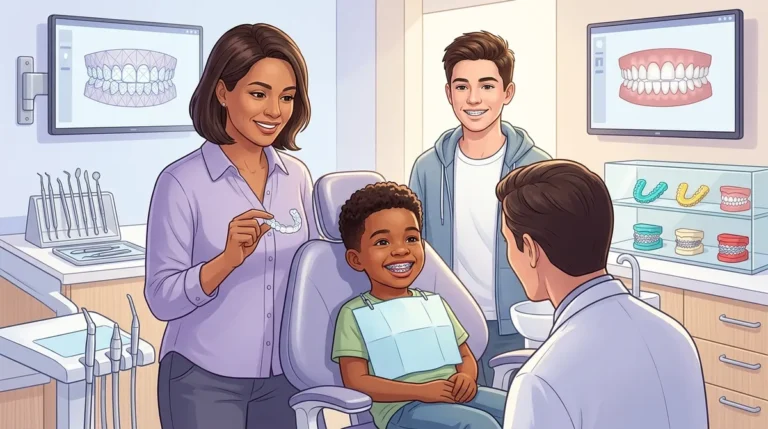
If you wince every time you sip iced tea or bite into something cold, you already know how frustrating sensitive teeth can be. Now imagine adding orthodontic treatment on top of that. The good news? Clear aligners for sensitive teeth are one of the gentlest ways to straighten your smile, and thousands of patients manage sensitivity comfortably every single day. At Segovia Orthodontics in Lakewood Ranch, we hear this concern often, and we love helping patients find a treatment plan that feels good, not just looks good.
Whether you’re a busy parent juggling soccer practice, a professional prepping for a big presentation, or an adult finally ready to fix that old relapse, sensitivity shouldn’t hold you back from a straighter smile. In this guide, we’ll walk through nine practical, friendly tips to help you manage sensitive teeth while wearing aligners. We’ll also cover what’s normal, what’s not, and when to call your orthodontist. Let’s get your smile journey started on the right foot.
Why Clear Aligners Are Often Gentler on Sensitive Teeth
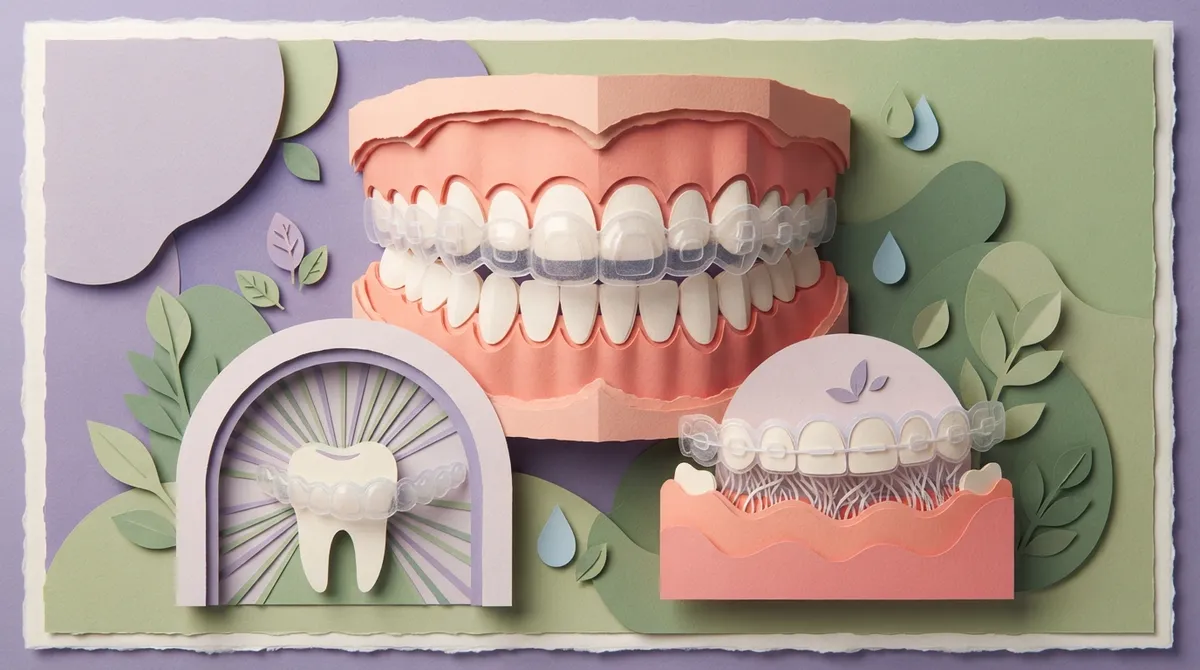
Clear aligners work differently than metal braces. Instead of brackets and wires pulling teeth all at once, aligners use smooth plastic trays that shift teeth gradually. This steady, controlled pressure tends to feel less jarring than the tightening adjustments required with fixed braces.
In fact, some orthodontic studies suggest aligner patients experience 30% to 50% less discomfort compared to patients wearing traditional braces. That’s a big deal if you already deal with sensitive teeth on a regular basis. You can learn more about how braces compare to clear aligners to see which option might suit your comfort needs best.
Removable Trays Mean Easier Cleaning
Because aligners pop in and out, brushing and flossing become much simpler. This matters a lot for sensitive teeth, since plaque buildup and gum irritation can make sensitivity worse. With traditional braces, food particles and plaque can get trapped around brackets, which sometimes irritates already-sensitive enamel or gums.
- Removable trays let you brush normally after every meal
- Flossing is easier without wires or brackets in the way
- Less plaque buildup means less irritation over time
- You can rinse and clean the trays themselves for extra freshness
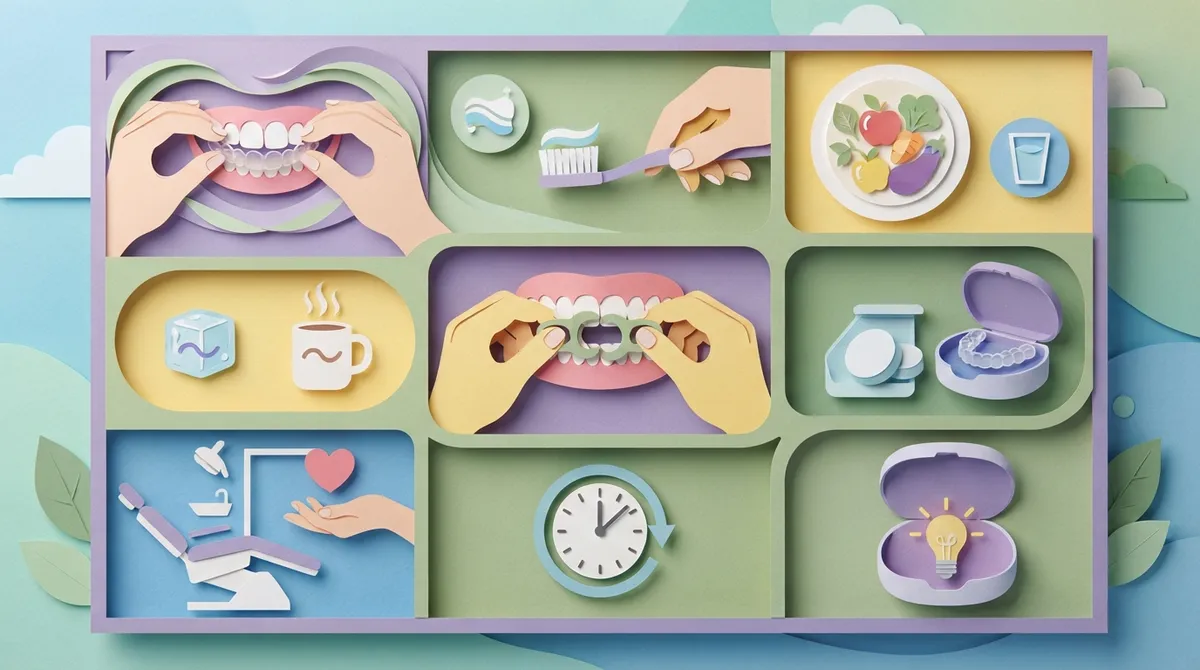
9 Tips for Managing Sensitive Teeth During Aligner Treatment
Ready for the good stuff? Here are nine tried-and-true tips that help patients stay comfortable while wearing aligners, especially during the first few days of a new tray.
- Switch to desensitizing toothpaste. Look for toothpaste with potassium nitrate or fluoride, which helps calm nerve sensitivity in your teeth over time.
- Use a soft-bristle toothbrush. Stiff bristles can wear down enamel and irritate sensitive gums, so gentle brushing matters more than ever.
- Change trays at night. Popping in a new aligner before bed means you sleep through the initial pressure, so you wake up already adjusting.
- Avoid ice-cold drinks for the first day or two. Cold temperatures can intensify sensitivity right after a tray change.
- Skip acidic foods and drinks temporarily. Citrus, soda, and vinegar-based dressings can wear on enamel and increase discomfort.
- Stick to soft foods when soreness peaks. Soups, smoothies, and mashed foods are easier on tender teeth during the first few days.
- Use an over-the-counter pain reliever if needed. A standard dose of ibuprofen or acetaminophen can ease mild soreness safely.
- Rinse with a fluoride mouthwash. This adds an extra layer of enamel protection between brushings.
- Keep up with regular orthodontic checkups. Your orthodontist can catch small issues before they become bigger problems.
Most patients notice soreness peaks within the first week of a new tray and settles down within three to seven days. New trays commonly cause light pressure or tenderness for just one to two days before things ease up. If you ever feel unsure about what’s normal, it’s always smart to contact us and ask.
What Causes Sensitivity to Get Worse During Treatment
Some habits and choices can make tooth sensitivity worse while you’re wearing aligners. Knowing what to avoid helps you stay comfortable throughout your treatment.
- Drinking very cold beverages right after switching trays
- Eating acidic foods like citrus fruits or tomato-based sauces
- Using teeth-whitening products while teeth are already sensitive
- Skipping regular brushing and flossing routines
- Grinding or clenching teeth at night, which adds extra pressure
- Ignoring early signs of gum irritation around the trays
Comparing Braces and Aligners for Sensitive Teeth
Choosing between braces and aligners often comes down to comfort, lifestyle, and treatment goals. Here’s a simple breakdown to help you decide what fits your needs best.
| Feature | Traditional Braces | Clear Aligners |
|---|---|---|
| Pressure Type | Fixed, sometimes sudden | Gradual and controlled |
| Cleaning Ease | Harder around brackets | Removable for easy brushing |
| Sensitivity After Adjustments | Often more noticeable | Usually milder |
| Appearance | Visible metal or ceramic | Discreet, nearly invisible |
| Diet Restrictions | Many food restrictions | Remove trays to eat anything |
If you’re weighing your options, our page on clear aligners covers everything you need to know about treatment timelines and what to expect.
Aligner Options at Segovia Orthodontics for Sensitive Smiles
At Segovia Orthodontics, we offer Angel Aligners, a clear aligner system known for its comfortable, frosted finish and flexible self-adapting material. This design helps reduce irritation to your gums and cheeks, which can be especially helpful if your teeth or soft tissue are sensitive.
Angel Aligners also use a smart “7+3” wear schedule, where you wear a flexible tray for seven days followed by a firmer tray for three days. This approach can speed up tooth movement while easing the adjustment period for sensitive patients. Many of our patients appreciate that Angel Aligners often cost less than premium aligner brands while still using advanced digital treatment planning.
Why Comfort Matters for Every Type of Patient
Comfort isn’t just a nice bonus. It’s often the difference between sticking with treatment and giving up early. Here’s how sensitivity-friendly aligners benefit different patients:
- Busy parents appreciate fewer emergency appointments for soreness or broken brackets
- Young professionals love that discreet trays don’t distract from meetings or interviews
- Teens preparing for big events can remove trays for photos without discomfort from metal wires
- Adults with treatment relapse often find aligners gentler the second time around
Dr. Flor Segovia, our board-certified orthodontist, uses advanced orthodontic technology to plan every treatment with your comfort in mind from day one. You can also read more about her background on our orthodontist Flor Segovia page.
When Sensitivity Is Normal vs. When to Call Your Orthodontist
Mild soreness after starting a new tray is completely normal. But there’s a difference between normal adjustment discomfort and a sign that something else is going on.
Signs Sensitivity Is Likely Normal
- Soreness starts within a day of a new tray and fades within a week
- Discomfort feels like pressure, not sharp pain
- Sensitivity is mild and manageable with over-the-counter relief
- Teeth feel fine again once you adjust to the new tray
Signs You Should Call Your Orthodontist
- Sensitivity lasts longer than two weeks without improving
- You notice sharp, shooting pain instead of general soreness
- Gums appear swollen, red, or are bleeding regularly
- You see visible enamel wear or notice a tooth looks different
- Pain is severe enough to disrupt eating or sleeping
Persistent or severe sensitivity isn’t something to just push through. It could point to enamel wear, exposed roots, decay, or another dental issue that needs attention. If anything feels off, don’t hesitate to request an appointment so we can take a closer look.
Simple Daily Habits That Support Sensitive Teeth
Building a few small habits into your routine can make a big difference in how your teeth feel throughout treatment.
- Brush gently with a soft-bristle brush twice daily
- Use fluoride toothpaste made for sensitive teeth
- Avoid whitening toothpaste until your treatment is complete
- Rinse trays daily to prevent bacteria buildup
- Stay hydrated with room-temperature water throughout the day
- Attend every scheduled checkup, even if things feel fine
These habits pair well with good general oral hygiene practices recommended by dental professionals everywhere, including guidance from the American Board of Orthodontics, which emphasizes consistent care throughout any orthodontic treatment plan.
Choosing the Right Orthodontic Partner in Lakewood Ranch
Sensitive teeth deserve a gentle, experienced hand. That’s exactly what you’ll find at Segovia Orthodontics, where Dr. Segovia’s bilingual, family-friendly team focuses on comfort at every step. From your first consultation to your final retainer fitting, we tailor every recommendation to your unique smile and comfort level.
Curious what other patients think? You can visit us on Google — Segovia Orthodontics to see real reviews from families and adults throughout Lakewood Ranch. We also share smile transformations and treatment tips on our Facebook page and our Instagram page, so feel free to follow along for more helpful updates.
What to Expect at Your First Visit
If sensitivity is a concern, mention it right away during your consultation. Our team will walk you through your first orthodontic visit and explain exactly how we customize treatment plans for comfort, whether that means Angel Aligners, WildSmiles braces, or LightForce technology.
Final Thoughts on Aligners for Sensitive Teeth
Sensitive teeth shouldn’t stop you from getting the smile you deserve. Clear aligners offer a gentle, flexible way to straighten teeth while keeping discomfort to a minimum. With the right habits, a little patience, and a supportive orthodontic team, most sensitivity fades quickly and becomes just a small part of your smile journey.
Ready to feel confident about starting treatment? Give us a call at 941-557-1333 to talk through your options with our friendly Lakewood Ranch team today.
FAQs
Q: Are clear aligners better than braces for sensitive teeth?
A: Many patients find aligners more comfortable because they use gentle, gradual pressure instead of the sudden tightening you get with braces. Plus, being removable makes it much easier to keep your teeth and gums clean, which helps reduce irritation over time.
Q: Can I get aligners if my teeth are already sensitive?
A: Absolutely! Many patients with sensitive teeth choose aligners specifically because they tend to feel gentler. Just be sure to mention your sensitivity during your consultation so we can tailor your treatment plan and offer helpful tips from day one.
Q: Why do my teeth feel more sensitive with new aligner trays?
A: This is totally normal! Each new tray applies slightly more pressure to keep teeth moving, which can cause mild soreness for a day or two. It usually fades quickly as your teeth adjust to the new position.
Q: How long does soreness last after switching aligners?
A: Most patients notice soreness peaks within the first few days and settles down within three to seven days. If discomfort lingers much longer than that, it’s a good idea to check in with your orthodontist.
Q: When should I call my orthodontist about aligner pain or sensitivity?
A: If sensitivity feels sharp, lasts more than two weeks, or comes with swollen or bleeding gums, it’s time to reach out. Don’t wait it out if something feels off—we’re always happy to take a look and make sure everything is on track.
Our Service Area