Key Takeaways
-
Research shows self-ligating braces don’t significantly speed up treatment compared to traditional braces, so don’t choose them purely for faster results.
-
Passive and active self-ligating brackets work differently; ask your orthodontist which type matches your specific bite, crowding, and treatment goals.
-
Self-ligating braces may reduce adjustment visits to 8-10 weeks instead of 4-6 weeks, but confirm your schedule with your orthodontist rather than assuming fewer appointments apply universally.
-
Maintain strict oral hygiene with self-ligating braces by brushing after meals, daily flossing, and using antibacterial mouthwash, since the absence of elastics doesn’t eliminate plaque buildup.
-
Ceramic self-ligating brackets offer a discreet alternative for professionals concerned about appearance during client meetings or job interviews.
-
Always choose a board-certified orthodontist through a proper consultation that reviews your history, digital scans, cost breakdown, and realistic timeline rather than selecting based on advertising or price alone.
Searching for self-ligating braces Bradenton families can trust? You’re not alone. Every week, moms, busy professionals, and adults ready for a second chance at a straight smile ask us the same question: are self-ligating braces really worth it? The truth is, this popular treatment option has a lot going for it, but only if you avoid a few common missteps along the way.
At Segovia Orthodontics, we’ve seen patients get amazing results with self-ligating braces. We’ve also seen folks make choices that slowed down their progress or left them feeling confused about their treatment plan. This guide walks you through the nine biggest mistakes people make when considering self-ligating braces in the Bradenton area, so you can move forward with confidence.
What Are Self-Ligating Braces, Anyway?
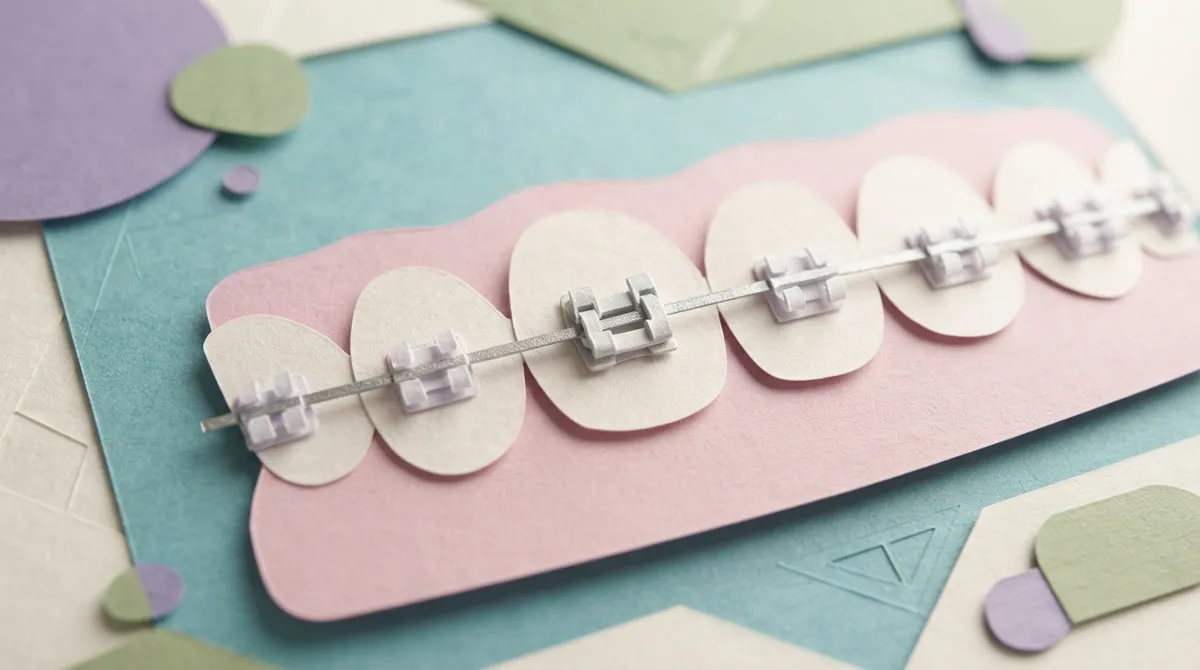
Before we jump into the mistakes, let’s get on the same page about what we’re talking about. Self-ligating braces are a type of braces that use a built-in clip or door to hold the archwire in place. This is different from traditional braces, which use tiny elastic bands called ligatures to keep the wire secured.
Think of it like this: traditional braces use rubber bands to hold things together, while self-ligating braces have a little built-in latch that snaps shut. No elastics needed. This small design change can make a real difference in your treatment experience, and it’s one of the reasons this option shows up in our types of braces lineup at our practice.
Passive vs Active Brackets
Not all self-ligating braces work the same way. There are two main styles:
- Passive brackets: These use a sliding door that applies very light force, creating less friction as teeth shift.
- Active brackets: These use a clip that presses gently against the wire, giving your orthodontist more control over specific tooth movements.
Your orthodontist will decide which type fits your smile goals best. This isn’t a one-size-fits-all decision, which brings us to our first mistake.
Mistake 1: Assuming All Self-Ligating Braces Are The Same
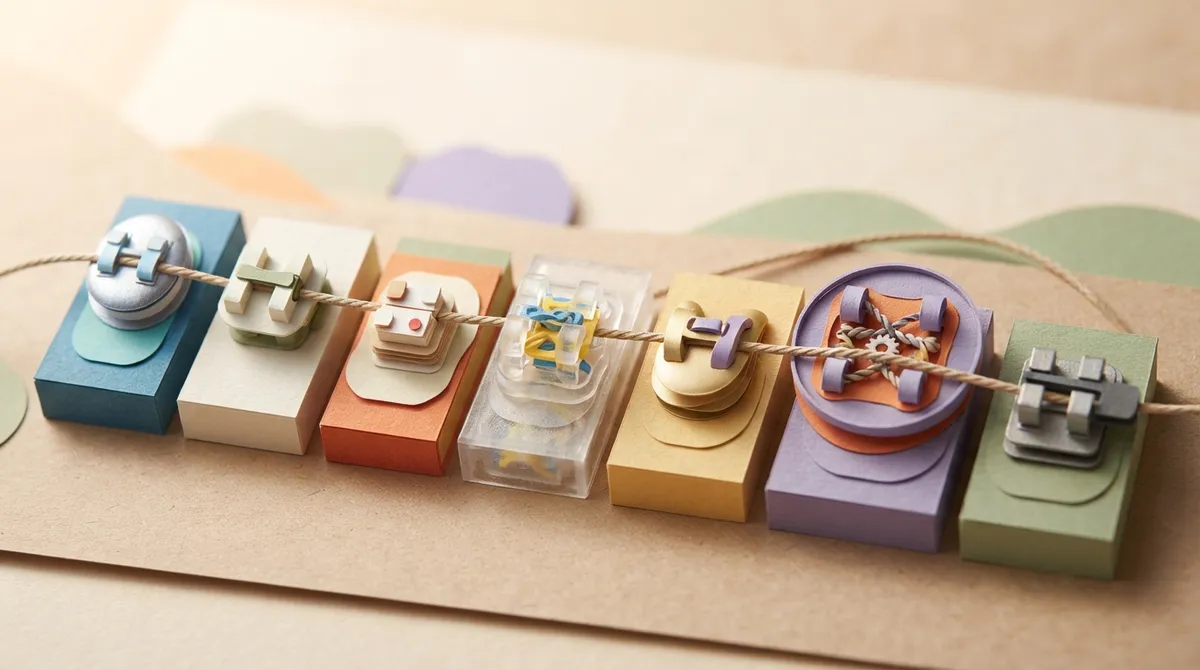
Many patients walk into a consultation thinking every self-ligating bracket works identically. That’s simply not true. Passive and active designs behave differently, and the right choice depends on your bite, your crowding, and your treatment goals.
Skipping this conversation with your orthodontist means you might not get the full benefit of the technology. Always ask which bracket type fits your specific smile needs before starting treatment.
Mistake 2: Believing Self-Ligating Braces Are Automatically Faster
This is probably the biggest myth we hear. Marketing often suggests self-ligating braces zoom through treatment faster than traditional braces. Here’s what the research actually shows.
According to a summary from Healthline, published studies show no significant differences in effectiveness between traditional and self-ligating braces. That doesn’t mean self-ligating braces are a bad choice. It just means you shouldn’t pick them purely because you think they’ll shave months off your treatment timeline.
Mistake 3: Skipping Fewer Adjustment Visits Without Confirming Your Schedule
One real perk of self-ligating braces is that they often need fewer adjustment appointments. Since there are no elastics to replace, some Bradenton-area practices space out appointments to 8 to 10 weeks instead of the usual 4 to 6 weeks.
The mistake happens when patients assume this applies universally. Every mouth is different, and your orthodontist may still want more frequent check-ins depending on your progress. Don’t skip a scheduled visit just because you heard self-ligating braces mean fewer appointments.
Why Fewer Visits Matters for Busy Families
For working parents and career-focused adults, fewer appointments can be a genuine time-saver. Less time in the chair means less time away from work, school pickups, or that important meeting. But remember, quality care always comes before convenience.
Mistake 4: Ignoring Oral Hygiene Because Braces Feel “Easier”
Some patients assume that because self-ligating braces have no elastics to trap food, they can slack off on brushing and flossing. This is a costly mistake. Plaque and food particles can still build up around brackets and wires.
Here’s a simple numbered routine to keep your smile on track:
- Brush after every meal, even with self-ligating braces.
- Floss daily using a floss threader or orthodontic flosser.
- Rinse with an antibacterial mouthwash to reduce bacteria buildup.
- Attend every scheduled cleaning and checkup.
- Avoid sticky, hard, or overly chewy foods that can damage brackets.
Good habits protect your investment and keep your treatment on schedule. Curious about food restrictions? Check out our guide on foods to avoid with braces for more details.
Mistake 5: Choosing Braces Based on Price Alone
We understand budget matters. But picking self-ligating braces just because you saw a low price online, without checking what’s included, can backfire. Costs vary based on your specific case, the practice you choose, and the technology used.
| Treatment Type | Typical Adjustment Frequency | Elastic Ties Needed | Common Material Options |
|---|---|---|---|
| Traditional Braces | 4 to 6 weeks | Yes | Metal, ceramic |
| Self-Ligating Braces | 6 to 10 weeks | No | Metal, ceramic |
| Clear Aligners | Varies by brand | No | Clear plastic trays |
Rather than chasing the cheapest option, ask about orthodontic financing plans that spread out payments while still giving you quality care.
Mistake 6: Overlooking Comfort Preferences
Comfort is deeply personal. Some patients love the smooth, low-friction feel of self-ligating brackets. Others find the small clip mechanism slightly bulkier than they expected. Don’t assume you’ll love (or hate) this style without discussing your specific concerns with your orthodontist first.
Clinical reviews note that self-ligating braces may feel more comfortable for many patients and may make cleaning easier, but comfort experiences do vary from person to person.
What This Means for Adults Returning to Treatment
If you’re an adult who had braces years ago and your teeth have shifted back, comfort matters even more the second time around. Adult relapse patients often appreciate the lower-friction feel of self-ligating systems since they’re already familiar with the general orthodontic process. Learn more about your options on our adult orthodontics page.
Mistake 7: Forgetting To Ask About Discreet Options
If you’re a young professional worried about how braces might look during client meetings or job interviews, don’t assume metal is your only choice. Self-ligating braces come in ceramic options too, blending more naturally with your teeth.
Here’s a quick checklist to bring to your consultation:
- Ask if ceramic self-ligating brackets are available.
- Ask how visible the brackets will be in photos.
- Ask about alternatives like LightForce Orthodontics, which offers clear or white custom-fitted brackets.
- Ask about treatment timelines for your specific case.
- Ask about clear aligners as another discreet alternative.
Mistake 8: Not Considering Kid-Friendly Options for Younger Patients
Concerned moms often ask us whether self-ligating braces work well for children and teens. They absolutely can. But don’t overlook other exciting choices that make treatment more fun for younger patients.
For example, WildSmiles Braces let kids choose fun bracket shapes like stars, hearts, and even Mickey Mouse designs. When kids enjoy their braces, they’re more likely to keep up with brushing and flossing. That enthusiasm matters just as much as the mechanical design of the bracket itself.
Mistake 9: Skipping a Proper Consultation With a Board-Certified Orthodontist
This is the biggest mistake of all. Some patients choose a provider based on advertising alone without checking credentials. Always confirm your orthodontist is board-certified through a recognized organization like the American Board of Orthodontics.
Dr. Flor Segovia is a board certified orthodontist who stays current with advanced techniques, including digital treatment planning and advanced orthodontic technology. A proper consultation means your treatment plan is built around your unique smile, not a generic template.
What a Good Consultation Should Cover
Here’s what to expect during a thorough evaluation:
- A full review of your dental and orthodontic history.
- Digital scans or X-rays to map out your treatment plan.
- An honest discussion of self-ligating braces versus other options.
- A clear breakdown of costs and financing choices.
- A realistic timeline based on your specific bite and alignment needs.
Want to see what our patients say about their experience? Check out Visit us on Google — Segovia Orthodontics for honest reviews from real families in the Lakewood Ranch and Bradenton area.
Comparing Your Braces Options at a Glance
Since self-ligating braces are just one piece of the puzzle, here’s a simple breakdown to help you compare choices before your consultation.
| Option | Best For | Visibility | Maintenance Level |
|---|---|---|---|
| Self-Ligating Braces | Patients wanting fewer elastic-related visits | Moderate (metal or ceramic) | Moderate |
| LightForce Braces | Patients wanting custom-fit, faster planning | Low (clear or white brackets) | Moderate |
| WildSmiles Braces | Kids and teens wanting fun designs | Higher (decorative shapes) | Moderate |
| Angel Aligners | Adults wanting a discreet, removable option | Very Low | Low, if worn as directed |
Why Bradenton Families Trust Local, Personalized Care
Choosing the right orthodontic partner matters just as much as choosing the right bracket style. Families across Bradenton and Lakewood Ranch want a practice that listens, explains options clearly, and offers flexible scheduling for busy lives.
That’s exactly what you’ll find at Segovia Orthodontics. From early treatment for kids to teen orthodontic treatment designed around school and sports schedules, our team builds a plan around your life, not the other way around. Learn more about our approach on our why choose us page.
We also love connecting with our community online. Follow along for smile transformations and helpful tips on our Facebook page and our Instagram page.
Your Next Step Toward a Confident Smile
Avoiding these nine mistakes puts you in a much stronger position to get real value from self-ligating braces. Whether you’re a parent exploring options for your child, a professional wanting a discreet path to straighter teeth, or an adult ready to fix relapse from years ago, the right plan starts with the right conversation.
Ready to see if self-ligating braces are the right fit for your smile? We’d love to help you figure that out. Feel free to contact us with your questions, or go ahead and request an appointment to get started. You can also call us at 941-557-1333 to speak with our friendly team today.
FAQs
Q: What are self-ligating braces?
A: Self-ligating braces are braces that use a small built-in clip or door to hold the archwire in place, instead of the little elastic ties used with traditional braces. This means fewer parts that can wear out and, often, a smoother feel throughout treatment.
Q: Are self-ligating braces better than traditional braces?
A: Not exactly better, just different! Research shows both types work about equally well for straightening teeth. Self-ligating braces may offer fewer adjustment visits and a bit more comfort, but your orthodontist can help you decide which style truly fits your smile goals.
Q: Do self-ligating braces hurt less?
A: Many patients report feeling a bit more comfortable with self-ligating braces since they create less friction on the teeth. That said, comfort really does vary from person to person, so it’s worth chatting with your orthodontist about your specific concerns.
Q: How much do self-ligating braces cost in Bradenton?
A: Costs depend on your specific treatment needs, how long you’ll need braces, and which practice you choose. The best way to get an accurate number is to schedule a consultation where your orthodontist can review your smile and walk you through financing options.
Q: Can adults get self-ligating braces?
A: Absolutely! Self-ligating braces work wonderfully for adults, including those returning to treatment after their teeth shifted back over the years. Many adults appreciate the lower-friction design and the potential for fewer office visits, which fits nicely into a busy schedule.
Our Service Area