Key Takeaways
-
White braces use ceramic brackets that blend with teeth but have elastic ties prone to staining; however, these ties are replaced at every adjustment visit, making staining temporary and easily fixed.
-
Ceramic brackets are slightly more prone to fracture than metal braces, especially on lower and back teeth, so many orthodontists recommend using them only on upper teeth paired with metal brackets below.
-
Avoid or rinse immediately after consuming coffee, tea, red wine, tomato-based sauces, curry, berries, and dark sodas to prevent staining of the elastic ligatures between adjustment appointments.
-
White braces cost more than traditional metal braces due to specialized ceramic materials and careful placement, but flexible financing options are available to make treatment affordable.
-
Treatment duration with white braces typically ranges from 18-30 months, similar to metal braces, as research shows no consistent difference in treatment outcomes between ceramic and metal bracket systems.
-
Wait until after braces are removed to whiten teeth, as brackets prevent whitening of covered enamel areas, which would result in uneven discoloration once the braces come off.
Thinking about white braces for your smile? You’re not alone! So many of our patients at Segovia Orthodontics ask us about ceramic or clear braces because they want a treatment that works hard but doesn’t shout for attention. Whether you’re a busy mom juggling soccer practice and orthodontist visits, a young professional prepping for a big presentation, or an adult finally fixing that relapse from years ago, white braces might be exactly what you’re looking for. Let’s walk through everything you need to know, friend to friend, before you commit.
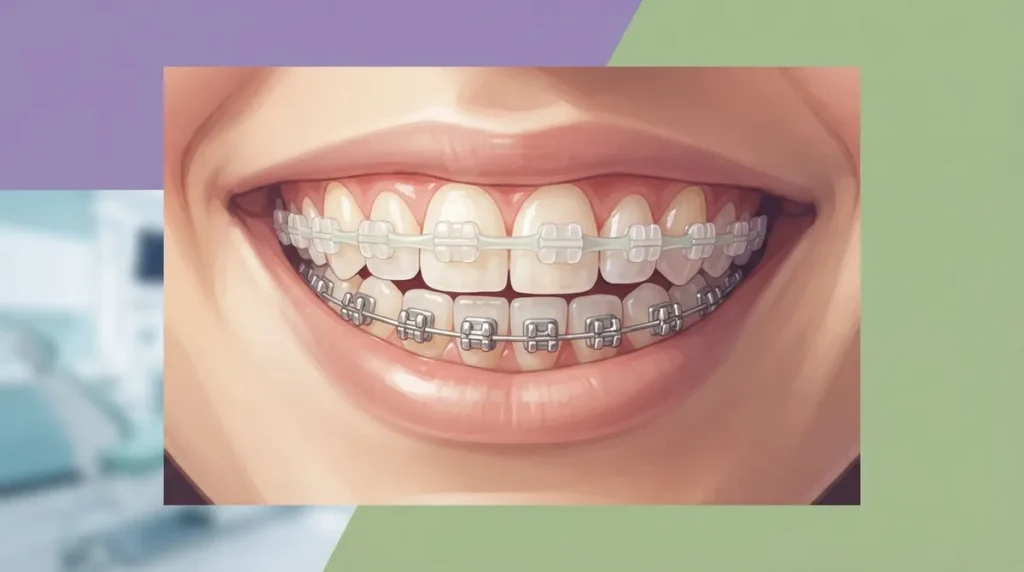
White braces (also called ceramic or clear braces) use tooth-colored brackets instead of shiny metal ones. They work the same way traditional braces do, using gentle pressure to guide your teeth into place. But because they blend in so well, they’ve become a favorite for teens heading to prom, adults returning to the dating scene, and anyone who wants straighter teeth without a mouth full of metal. Grab a cup of coffee (we’ll talk about that later!) and let’s dig into the nine things you really need to know.
1. What White Braces Are Actually Made Of
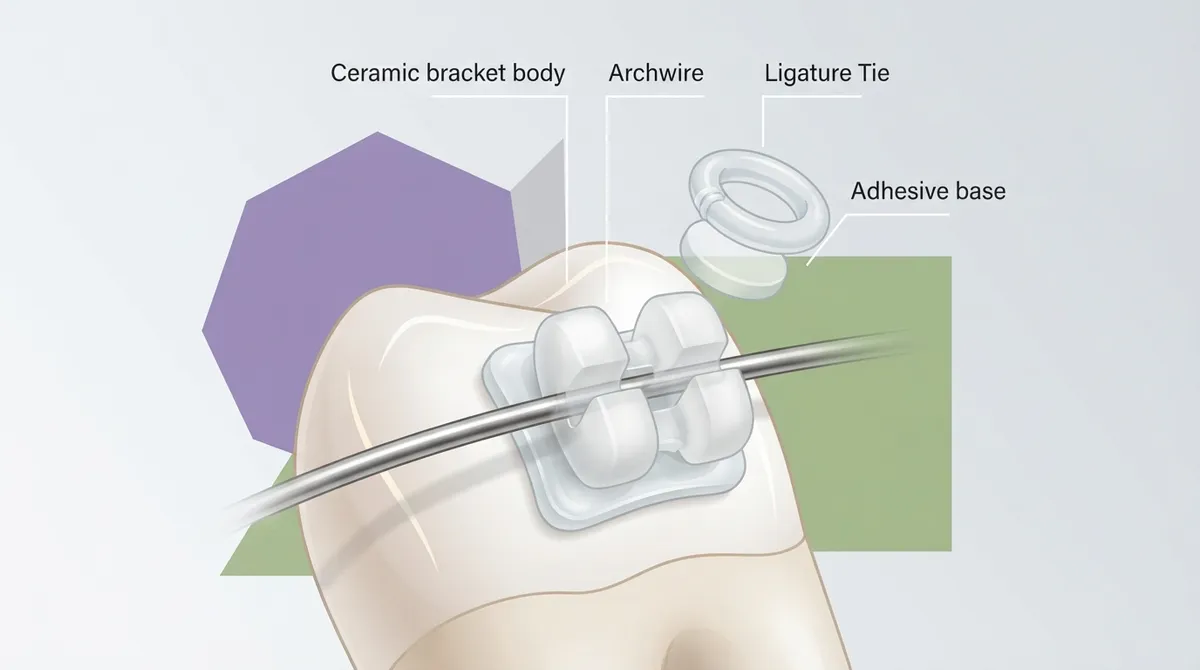
White braces typically use ceramic brackets made from a material called polycrystalline alumina. This material is strong enough to move teeth but light enough in color to blend with your natural enamel. Instead of the metallic glint you get with traditional braces, ceramic brackets sit much more quietly on your smile.
The wire that connects the brackets is still usually metal, since it needs to be flexible and strong. But many patients pair ceramic brackets with white or clear elastic ties, which hold the wire in place. This combination is what gives white braces their subtle, blended look. If you want to see how these compare to other bracket options, check out our guide on types of braces we offer.
2. Do White Braces Actually Stain or Turn Yellow?
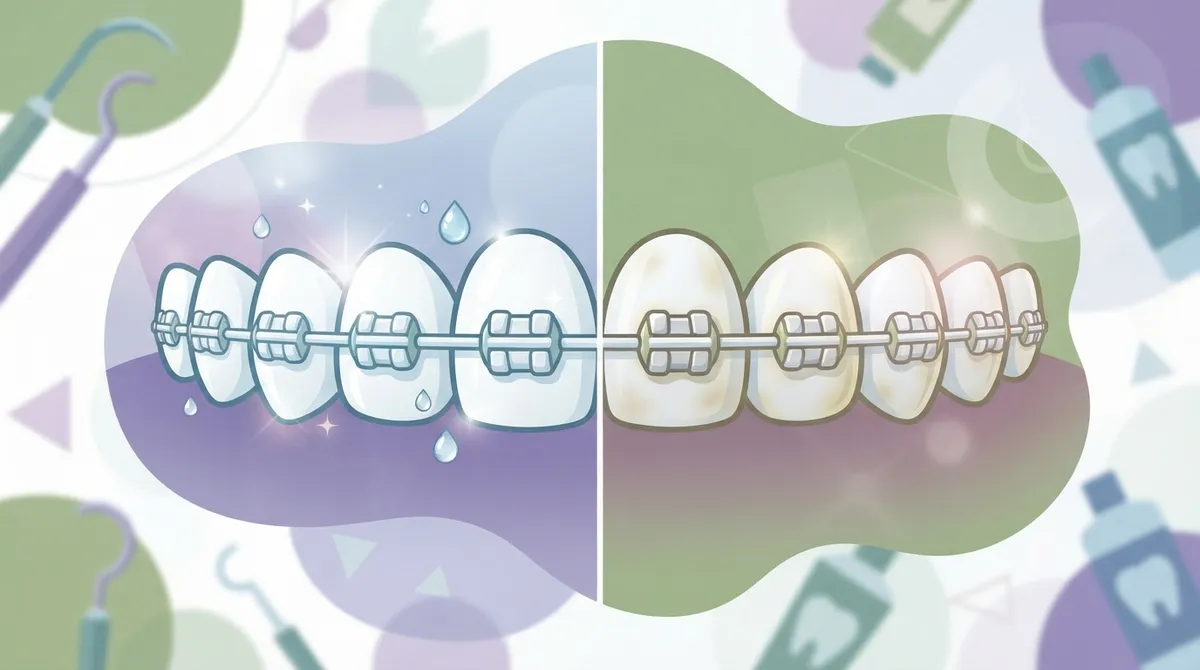
This is probably the question we hear most often. Here’s the honest answer: the ceramic brackets themselves resist staining pretty well. But the clear or white elastic ties that hold your archwire in place are a different story. These little rubber bands can soak up color from your food and drinks between adjustment visits.
A controlled six-month study comparing chromogenic exposure found that ceramic brackets showed less color change than plastic brackets when exposed to tea, coffee, and curry. Still, heavy exposure to these pigments caused measurable discoloration over time. The good news? Your ligatures get replaced at every adjustment appointment, so any staining is temporary and easily fixed.
3. Foods and Drinks That Stain White Braces
Let’s be real, some of our favorite foods are the worst offenders when it comes to staining those elastic ties. Here’s a quick list of common culprits to watch out for:
- Coffee and black tea
- Red wine
- Tomato-based sauces like marinara or ketchup
- Curry and turmeric-heavy dishes
- Berries, especially blueberries and blackberries
- Cola and dark sodas
- Tobacco products
You don’t have to avoid these completely, but a little strategy goes a long way. Rinse with water right after eating or drinking anything strongly pigmented. This simple habit can make a huge difference in keeping your smile looking bright between visits.
4. Can You Still Drink Coffee With Ceramic Braces?
Good news for the career-focused crowd who can’t function without their morning cup: yes, you can still drink coffee. Just be smart about it. Try using a straw when possible, and always rinse your mouth with water afterward. Brushing soon after your coffee break also helps keep those ligatures looking fresh.
Many of our adult patients juggling demanding jobs tell us this small adjustment barely disrupts their routine. It’s a small trade-off for a straighter, more confident smile that won’t hold you back at the office.
5. How to Keep White Braces Clean and Bright
Good oral hygiene matters more with ceramic braces because plaque buildup around brackets can lead to visible discoloration, enamel decalcification, and even cavities. Here’s a simple routine to follow:
- Brush at least twice a day with fluoride toothpaste, angling your brush to reach around each bracket.
- Use a floss threader or interdental brush to clean between your teeth and under the archwire.
- Rinse with water immediately after eating or drinking anything with strong color.
- Keep up with your regular dental cleanings alongside your orthodontic adjustments.
- Consider an antimicrobial mouthwash to help reduce plaque buildup between brushings.
If you ever feel unsure about your cleaning routine, our team can walk you through it at your next visit. Learn more helpful tips in our article on caring for your braces.
6. Are Ceramic Braces Better Than Metal Braces?
This depends entirely on what matters most to you. Ceramic braces aren’t automatically faster or more effective than metal braces. A systematic review and network meta-analysis found no consistent difference in treatment duration, number of visits, or outcomes among various bracket systems.
Here’s a simple comparison to help you decide:
| Feature | Ceramic (White) Braces | Metal Braces |
|---|---|---|
| Visibility | Low, blends with teeth | Noticeable, metallic |
| Staining Risk | Ligatures can stain, brackets resist | No staining concerns |
| Bracket Strength | Slightly more prone to fracture | Very durable |
| Cost | Generally higher | Generally lower |
| Best For | Upper teeth, aesthetic priority | All teeth, budget-conscious |
Dr. Segovia will help you weigh these factors based on your bite, budget, and lifestyle during your consultation. If you’re torn between options, our page on braces vs. clear aligners might help clear things up too.
7. Are Ceramic Braces More Expensive?
Yes, ceramic braces typically cost more than traditional metal braces. The materials are pricier, and the brackets require more careful handling during placement. However, many families find the investment worth it for the confidence boost that comes with less visible treatment.
The good news is that Segovia Orthodontics offers flexible financing options to help make any treatment fit your budget. We believe cost shouldn’t stand between you and the smile you deserve, whether you’re a parent planning for your teen or an adult ready to finally fix that smile you’ve been thinking about for years.
8. Can Ceramic Brackets Break More Easily?
This is a fair concern. A 2024 prospective clinical study reported statistically higher bracket-failure rates for ceramic brackets compared to metal brackets during the first 12 months of treatment. This risk was particularly noted in certain arches or tooth regions, especially the lower and back teeth.
Because of this, many orthodontists recommend ceramic brackets mainly for the more visible upper teeth, pairing them with metal brackets on the lower arch for extra durability. Dr. Segovia will discuss the best combination for your specific bite and lifestyle at your first visit. If you’re curious what happens at that first appointment, take a look at our first orthodontic visit guide.
9. Whitening Your Teeth During Treatment
Here’s something a lot of patients don’t think about until it’s too late: whitening your teeth while wearing fixed braces can lead to uneven results. The areas covered by brackets don’t whiten at the same rate as the exposed enamel around them. This can leave you with a spotty, uneven smile once your braces come off.
If teeth whitening is on your radar, talk to your orthodontist first. Many patients choose to wait until after treatment is complete, then whiten their whole smile evenly for the best results. It’s worth the wait, especially if you’re prepping for a graduation, wedding, or big career milestone.
How Long Does Treatment With White Braces Take?
Treatment time varies quite a bit depending on your specific case. Fixed-brace treatment is often estimated at 18 to 30 months, though this can be shorter or longer depending on complexity and how well you follow instructions.
One retrospective analysis found average treatment times of about 363 days for a ceramic-bracket group compared to 439 days for a metal-bracket group using a specific technique. However, this was a technique-specific study, not a broad comparison, so it shouldn’t be treated as a universal rule. Your timeline depends on your bite, your compliance, and the specific system your orthodontist recommends, whether that’s traditional ceramic braces or something like LightForce Orthodontics, which can reduce treatment time by up to 45% thanks to its custom-fitted, 3D-printed brackets.
Fun, Discreet Options Beyond Traditional White Braces
If you love the idea of a subtle smile transformation but want something a little different, we have options for every personality and lifestyle. For kids and teens who want to have fun with their treatment, WildSmiles Braces offer playful bracket shapes like stars, hearts, and even Mickey Mouse designs that make brushing and flossing something to look forward to.
For adults and busy professionals who want an even more discreet option than ceramic braces, clear aligners like Angel Aligners might be the perfect fit. These custom, removable trays use a unique wear schedule to speed up treatment while staying nearly invisible.
Why Choose Segovia Orthodontics for Your White Braces Journey
At Segovia Orthodontics in Lakewood Ranch, we know that choosing the right treatment is a big decision. Dr. Flor Segovia is a board-certified orthodontist who uses advanced technology to give every patient a treatment plan tailored just for them. Whether you’re bringing in your child for their first evaluation or exploring adult orthodontics for yourself, our team creates a warm, welcoming environment for every visit.
We proudly serve families throughout Lakewood Ranch and the surrounding communities, offering bilingual care in English and Spanish. You can read what our patients have to say by checking out Visit us on Google — Segovia Orthodontics, or follow along with real smile transformations on our Instagram page and our Facebook page. For more general information on treatment standards, the American Board of Orthodontics is a fantastic resource too.
Your Next Step Toward a Confident Smile
White braces offer a wonderful middle ground between the strength of traditional metal braces and the discreet look many patients crave. Yes, the ligatures can stain a bit between visits, but with a little extra care, your smile can stay bright throughout your entire treatment. Whether you’re a concerned parent, a bride-to-be, or an adult finally ready to fix that old relapse, this treatment option deserves a serious look.
Ready to find out if white braces are right for you or your family? We’d love to meet you and answer all your questions in person. Feel free to request an appointment today, or if you prefer to chat first, call us at 941-557-1333. Your best smile is closer than you think, and our Lakewood Ranch team can’t wait to help you get there!
FAQs
Q: Do white braces stain or turn yellow over time?
A: The ceramic brackets themselves resist staining pretty well, but the clear or white elastic ties can pick up color from coffee, tea, and other pigmented foods. Don’t worry though, these ligatures get replaced at every adjustment visit, so any staining is temporary!
Q: Can I still drink coffee if I get white braces?
A: Absolutely, you can still enjoy your morning coffee! Just try sipping through a straw when you can, and rinse with water afterward to help keep those ligatures looking bright between your appointments.
Q: Are ceramic braces more likely to break than metal braces?
A: Ceramic brackets can be a bit more prone to fracture than metal ones, especially on lower or back teeth. That’s why many orthodontists, including our team, often recommend them mainly for the upper teeth where they show the most.
Q: How much more do white braces cost compared to metal braces?
A: White braces typically cost more than traditional metal braces because of the specialized ceramic material and careful placement required. The good news is we offer flexible financing options to help make treatment affordable for your family.
Q: Can I whiten my teeth while wearing ceramic braces?
A: We’d recommend holding off on whitening until your braces come off. The areas covered by brackets don’t whiten at the same pace as your exposed enamel, which can leave you with an uneven result. Patience now means a beautifully even smile later!
Our Service Area