Key Takeaways
-
Wear aligners 20-22 hours daily; skipping hours adds up fast and can significantly extend treatment timeline beyond your original estimate.
-
Treatment duration ranges from 3-9 months for mild cases, 9-15 months for moderate cases, and 15-24+ months for complex cases depending on your specific smile goals.
-
Angel Aligners often work faster than other systems due to AI-driven planning, precise tooth mapping, and the flexible 7+3 wear method that accelerates certain movements.
-
Attend all scheduled progress checks and switch trays exactly on schedule; regular monitoring lets your orthodontist catch issues early and keep treatment on track.
-
Consistency with daily wear habits, case complexity, and adherence to your change schedule are the main factors you can control to keep treatment duration as short as possible.
-
Building aligner wear into your daily routine like brushing teeth, setting phone reminders, or using tracking apps helps maintain the 20-22 hour daily requirement for on-time results.
If you’re thinking about straightening your smile, one question probably comes up first: how long will this actually take? Whether you’re a busy parent squeezing in orthodontic visits between school pickups and soccer practice, or a young professional who wants a straighter smile before a big career move, understanding Angel Aligners duration helps you plan ahead with confidence. The good news? Angel Aligners duration is often shorter than many people expect, and knowing what affects your timeline puts you back in control.
At Segovia Orthodontics in Lakewood Ranch, we hear this question daily. Parents want to know when their teen’s smile will be ready for graduation. Adults want a clear finish line before a wedding or job interview. In this guide, we’ll walk through exactly what shapes Angel Aligners duration, how the daily wear schedule works, and what you can do to keep your treatment on track. Let’s get into it!
What Is Angel Aligners Duration, Exactly?
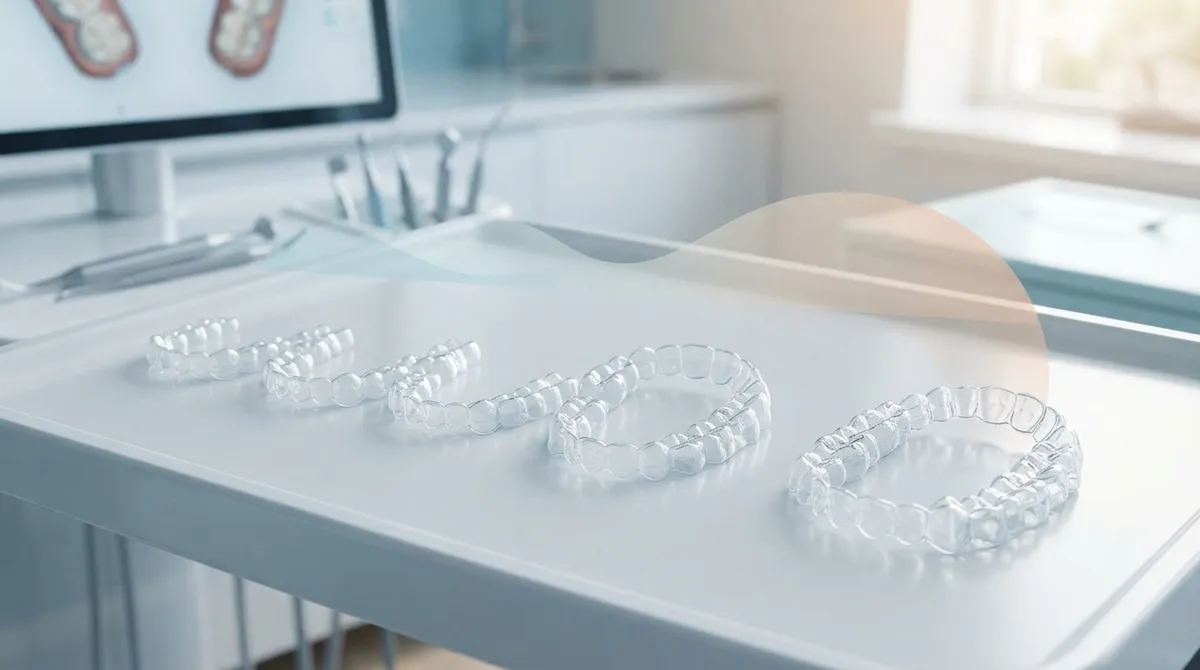
Angel Aligners duration refers to two things: how long you wear each set of aligners every day, and how long your entire treatment lasts from start to finish. These are two different clocks running at the same time, and both matter for a successful result.
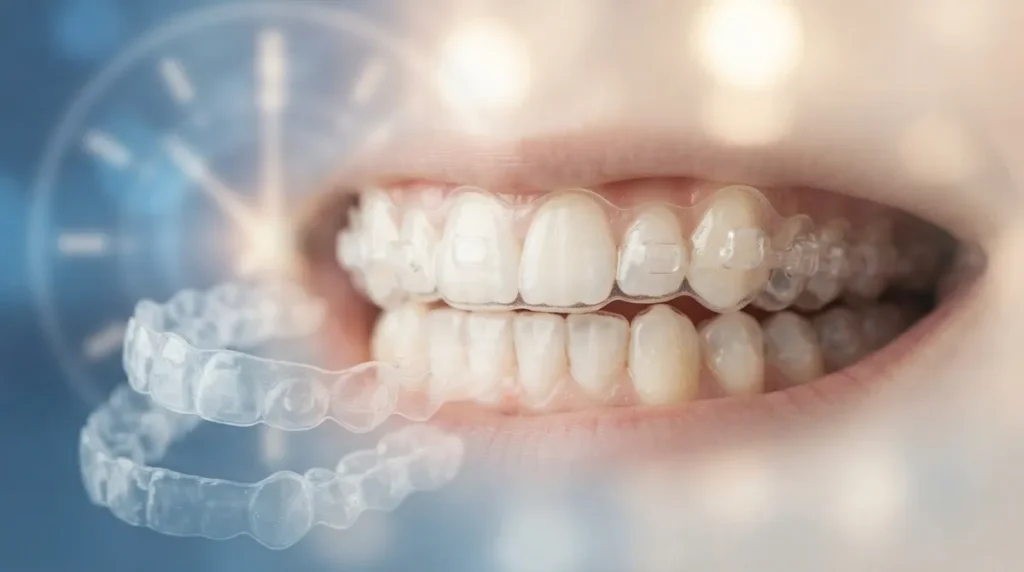
The daily wear time is simple. Most patients wear their aligners 20 to 22 hours per day, taking them out only to eat, drink anything besides water, and brush their teeth. Official Angel Aligner patient care instructions recommend 22 hours or more daily, or as your orthodontist directs.
The full treatment duration, on the other hand, depends on your specific smile goals. This is the bigger-picture timeline that tells you when you’ll be done wearing aligners altogether.
Typical Angel Aligners Duration by Case Type
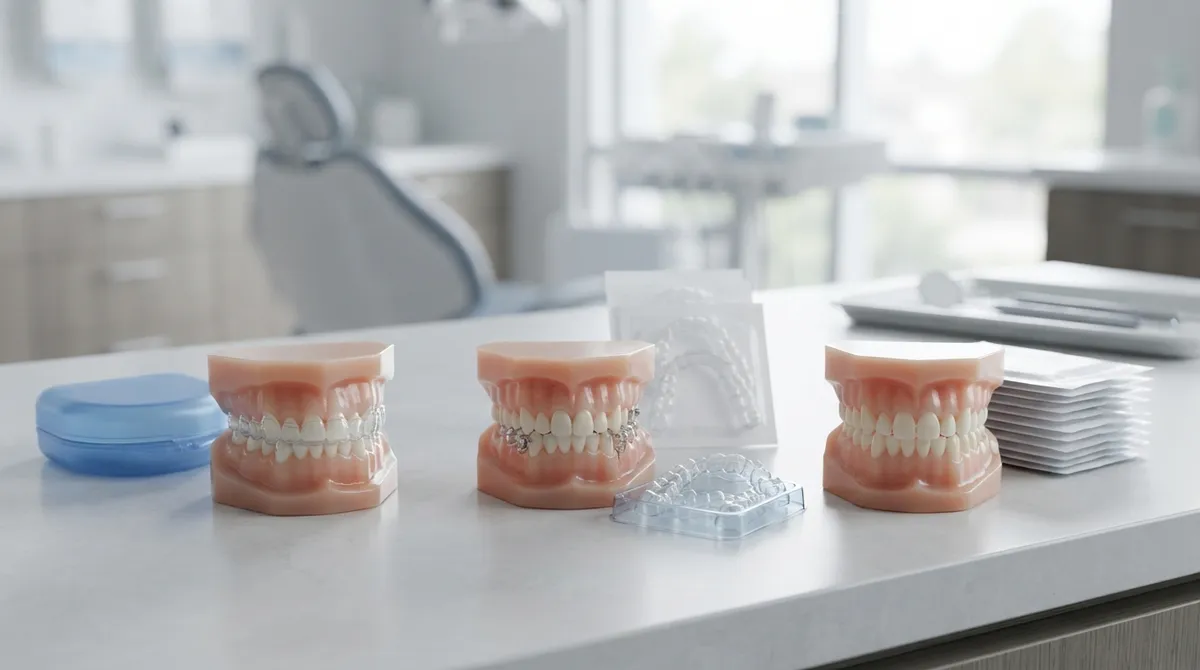
Not every smile needs the same amount of time. Your case complexity plays the biggest role in how long your clear aligners journey will last. Here’s a general breakdown based on common treatment patterns:
| Case Complexity | Typical Duration | Common Examples |
|---|---|---|
| Mild | 3–9 months | Minor crowding, small gaps, slight rotations |
| Moderate | 9–15 months | Moderate crowding, bite adjustments, spacing issues |
| Complex | 15–24+ months | Severe crowding, significant bite correction, multiple issues |
Keep in mind these are general ranges. Your orthodontist will give you a personalized estimate after a full evaluation, since every smile is unique. If you’re curious where you might fall, our team can walk you through what happens at your clear aligner start appointment so there are no surprises.
How Aligner Change Schedules Affect Your Timeline
One reason Angel Aligners duration can move faster than some other systems is the tray-change schedule. Instead of sticking with one tray for weeks on end, many patients switch to a new set on a shorter cycle.
- 7-10 day cycles: Some adult patients and monitored cases use this faster change schedule, moving teeth along more quickly.
- 1-2 week cycles: This is another common pattern reported across many clinics, balancing comfort with steady progress.
- 7+3 method: A popular approach where patients wear a more flexible tray for seven days, followed by a firmer tray for three days, which can help teeth settle into position more efficiently.
This flexible approach is part of why Angel Aligners are often praised for working a bit faster than some traditional aligner systems. The AI-driven planning behind each tray set helps map out tooth movement with precision, so fewer adjustments are needed along the way.
Factors That Influence Your Angel Aligners Duration
No two smiles are exactly alike, so no two treatment timelines look identical either. Here are the main factors that can speed up or slow down your Angel Aligners duration:
- How consistently you wear your aligners: Skipping hours here and there adds up fast and can stretch your treatment out.
- The complexity of your bite issue: Simple spacing fixes move quicker than complex bite corrections.
- Whether you need extra dental work first: Some patients need small procedures, like interproximal reduction, before aligners can begin.
- Your age and jaw growth: Teens still growing may see different timelines compared to adults with fully developed jaws.
- How well you follow your change schedule: Switching trays too early or too late without guidance can affect fit and progress.
- Attendance at progress checks: Regular check-ins let your orthodontist catch small issues before they become bigger delays.
Life happens, and sometimes wear time slips. That’s okay! The key is being honest with your orthodontist so they can adjust your plan if needed.
Progress Checks: Staying on Track
Throughout your treatment, you’ll have scheduled visits so your orthodontist can check how things are moving along. Some practices also use remote monitoring tools to confirm fit between visits, which can be a huge time-saver for busy professionals who can’t always make it in during work hours.
During these checks, your orthodontist may:
- Confirm your teeth are tracking with the digital treatment plan.
- Check that each tray fits snugly before moving to the next.
- Make small refinements if teeth aren’t moving exactly as predicted.
- Answer any questions about foods, cleaning, or wear time.
- Adjust your treatment plan if your timeline needs a tweak.
These visits are a great time to ask questions. If you want tips on what to bring up, check out our guide on how to ask the right orthodontic questions at your visit.
Angel Aligners vs. Other Clear Aligner Systems
Many patients want to know how Angel Aligners duration compares to other clear aligner brands. While every case is different, Angel Aligners are often noted for a few practical advantages:
- AI-driven treatment planning that maps out tooth movement with precision from day one.
- The 7+3 wear method, which can accelerate certain tooth movements.
- Built-in attachment options in some trays, reducing extra appointments for bonding.
- A frosted finish that helps aligners look more discreet during wear.
If you’re weighing your options, our article on Angel Aligners vs Invisalign breaks down the differences in more detail.
What Happens If You Don’t Wear Your Aligners Enough?
This is a big one, especially for busy parents managing a teen’s treatment or professionals juggling long workdays. If aligners aren’t worn for the recommended hours, teeth simply don’t move as planned. This can mean:
- Trays that no longer fit properly, requiring a refit or new impressions.
- Extended treatment time beyond your original estimate.
- Possible need for additional aligner sets, which adds cost and time.
- Slower progress toward your final smile goal.
The fix is simple: build wear time into your daily routine, just like brushing your teeth. Setting a phone reminder or tracking wear time in an app can help keep things consistent, especially for teens juggling school schedules.
Tips to Help Your Treatment Stay on Schedule
Want to make sure your Angel Aligners duration stays as short as possible? Here’s a simple numbered checklist to follow:
- Wear your aligners 20-22 hours daily, removing them only to eat and brush.
- Switch trays exactly on schedule, following your orthodontist’s instructions.
- Attend every scheduled progress check, even if things feel fine.
- Clean your aligners daily to avoid buildup that can affect fit and hygiene.
- Communicate quickly if a tray feels loose, cracked, or uncomfortable.
- Avoid smoking or frequent staining drinks while wearing trays, since this can discolor them.
Following these steps consistently makes a real difference. Patients who stick closely to their wear schedule tend to finish treatment closer to their original estimate, sometimes even a bit sooner.
Who Is a Good Candidate for Faster Treatment?
Some patients naturally see shorter Angel Aligners duration than others. Generally, good candidates for faster treatment include:
- Adults with mild to moderate crowding or spacing issues.
- Patients who are highly consistent with daily wear time.
- Those without complex bite issues needing extensive correction.
- Patients who attend all scheduled appointments and progress checks.
If you fall into one of these groups, ask your orthodontist whether a faster-track option makes sense for your smile. Our team at Segovia Orthodontics can review your specific situation during a consultation and help set realistic expectations from day one.
Why Timeline Transparency Matters
We know that waiting for a finished smile can feel long, especially when you’re preparing for a milestone event like a wedding, graduation, or big presentation at work. That’s why we believe in being upfront with every patient about their expected Angel Aligners duration from the very first visit.
Dr. Flor Segovia, a board-certified orthodontist, uses advanced orthodontic technology to map out realistic timelines and track progress closely throughout treatment. This kind of careful planning is part of what it means to be recognized by organizations like the American Board of Orthodontics, which sets high standards for orthodontic care and patient outcomes.
Curious what other patients have experienced? You can see what our Lakewood Ranch community shares by checking Visit us on Google — Segovia Orthodontics, or follow along with real smile transformations on our Facebook page and our Instagram page.
Bringing It All Together
Angel Aligners duration really comes down to two things: daily wear time and total treatment length. Wearing your trays 20-22 hours a day, sticking to your change schedule, and showing up for progress checks are the biggest things within your control. Case complexity plays a role too, but even complex smiles can move steadily forward with consistent habits.
Whether you’re a parent exploring options for your teen, a professional wanting a discreet solution, or an adult ready to fix relapse from years ago, understanding your timeline upfront helps you plan with confidence. No guessing games, no surprises, just a clear path toward your best smile.
Ready to find out your personalized Angel Aligners duration? Our friendly team at Segovia Orthodontics would love to walk you through it. Request an appointment today, or feel free to call us at 941-557-1333 to get your questions answered. We can’t wait to help you start your smile journey!
FAQs
Q: How long does Angel Aligner treatment usually take?
A: Most patients finish somewhere between 6 and 18 months, depending on how complex their smile goals are. Mild cases can wrap up in as little as 3 to 9 months, while more complex cases may take 15 to 24 months. Your orthodontist will give you a personalized estimate after your first evaluation!
Q: How many hours a day should I wear Angel Aligners?
A: You’ll want to aim for 20 to 22 hours a day, only removing them to eat, drink anything besides water, or brush your teeth. The official patient guidance actually recommends 22 hours or more for best results. Think of it like a nightly retainer habit, just extended through most of your day!
Q: How often do you change Angel Aligner trays?
A: Many patients switch to a new tray every 1 to 2 weeks, though some cases use a faster 7 to 10 day cycle. There’s also the popular 7+3 method, where you wear a flexible tray for seven days followed by a firmer one for three days. Your orthodontist will set the schedule that fits your specific case.
Q: What happens if I don’t wear my Angel Aligners long enough each day?
A: Skipping wear time can slow your progress and stretch out your overall treatment timeline. It might even mean needing extra trays or a refit down the road. The best fix is simple consistency, so try setting reminders to help build the habit!
Q: Can Angel Aligners work faster than Invisalign?
A: Many patients and orthodontists find Angel Aligners move at a comparable or sometimes faster pace, thanks to AI-driven treatment planning and the flexible 7+3 wear schedule. Every smile is different though, so results can vary from person to person. Chatting with your orthodontist about your specific case is the best way to know what to expect.
Our Service Area