Key Takeaways
-
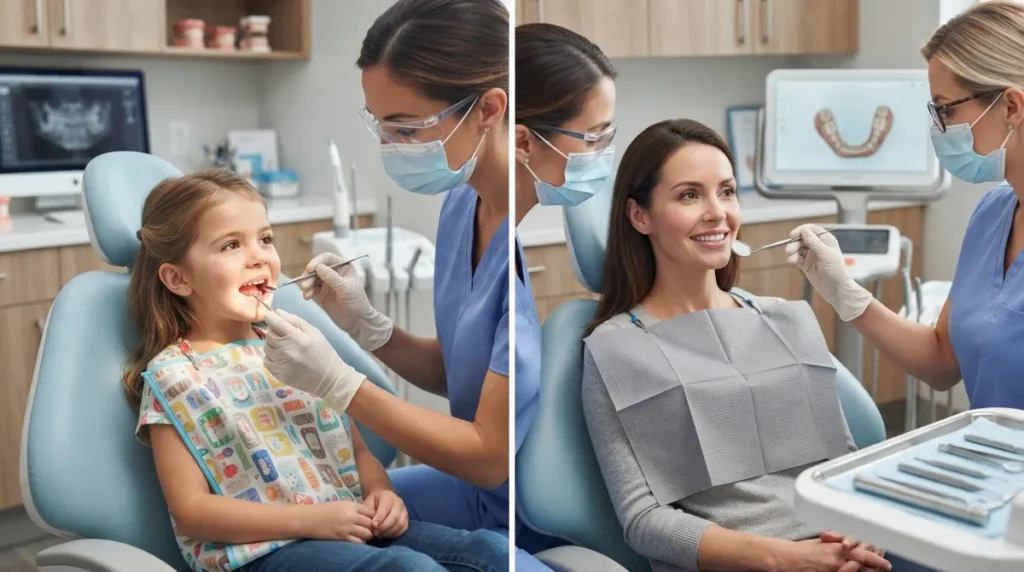
The American Association of Orthodontists recommends every child have their first orthodontic evaluation by age 7, though this doesn’t mean immediate braces—it’s for early problem detection while jaw growth can still guide treatment.
-
There is no upper age limit for braces; adults can start treatment at any age as long as their teeth, gums, and jawbone are healthy, making it never too late to straighten teeth.
-
Most children start full braces between ages 9-14, with the ideal window around 11-14 when permanent teeth are in place but jaw growth still helps treatment effectiveness and speed.
-
Specific dental issues like severe crowding, certain crossbites, and jaw growth problems benefit from earlier intervention before the standard pre-teen treatment window.
-
Modern orthodontic technology like 3D-printed custom brackets and clear aligners has reduced treatment time by up to 45% and made options more discreet, making age less of a barrier for both children and adults.
-
Clear aligners and smaller, less noticeable modern brackets have made adult orthodontics more appealing to working professionals and busy parents concerned about appearance during treatment.
If you’ve ever wondered whether there’s a magic number that determines when someone can get braces, you’re not alone. Parents ask us this question all the time, and honestly, so do adults who think they’ve “missed their window” for a straighter smile. Here’s the good news: the braces age requirement isn’t as strict as you might think, and understanding the real guidelines can help you make the best decision for your family.
At Segovia Orthodontics in Lakewood Ranch, we treat patients from age 7 all the way through retirement age. Dr. Flor Segovia has seen firsthand that timing matters differently for kids versus adults, and neither group should feel rushed or left behind. Let’s break down what age really means for orthodontic treatment, so you can stop guessing and start planning.
Is There a Real Braces Age Requirement?
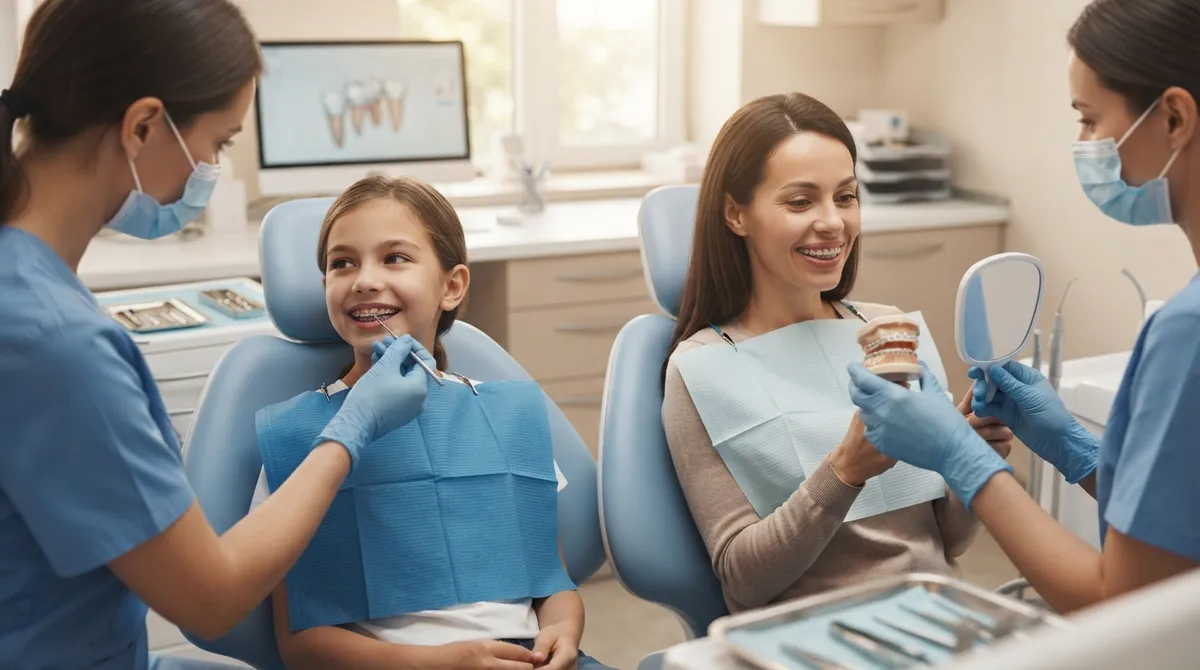
Here’s the short answer: there is no strict upper age limit for braces. As long as your teeth, gums, and jawbone are healthy, you can get braces at 8, 28, or 68. What actually matters is dental development, not a birthday.
For kids, though, timing does matter more. Growing jaws and emerging permanent teeth create windows where certain problems are easier to fix. That’s why orthodontists talk about ideal age ranges rather than hard rules. Think of it less like a driver’s license age limit and more like a recommended reading level—it’s a guide, not a locked door.
What the Experts Recommend for Kids
The American Association of Orthodontists suggests every child have their first orthodontic evaluation by age 7. This doesn’t mean your 7-year-old will walk out with a mouth full of metal. It means an orthodontist can spot potential problems early, like crowding or bite issues, while there’s still time to guide growth in the right direction.
Most children don’t start full braces until later. Many orthodontic sources point to ages 9 to 14 as the most common window, with the sweet spot often landing around 11 to 14 years old. This is when most permanent teeth have come in, but the jaw is still growing enough to respond well to treatment.
According to guidance referenced by the NHS, the ideal age for braces is often around 12 or 13. At this stage, a child’s mouth and jaw are still developing, which makes treatment more effective and often faster.
Why Early Evaluation Doesn’t Always Mean Early Braces
Here’s something that surprises a lot of moms: seeing an orthodontist at age 7 doesn’t guarantee braces right away. Often, we simply monitor how teeth and jaws are developing. Some kids need what’s called early orthodontic treatment, while others just need a watchful eye for a few years.
This phased approach is smart. It means your child only gets treatment when it will actually help, not before. If you want to learn more about what this looks like in practice, our page on your child’s first orthodontic visit walks through exactly what to expect.
Children’s Braces Timeline: A Step-by-Step Look
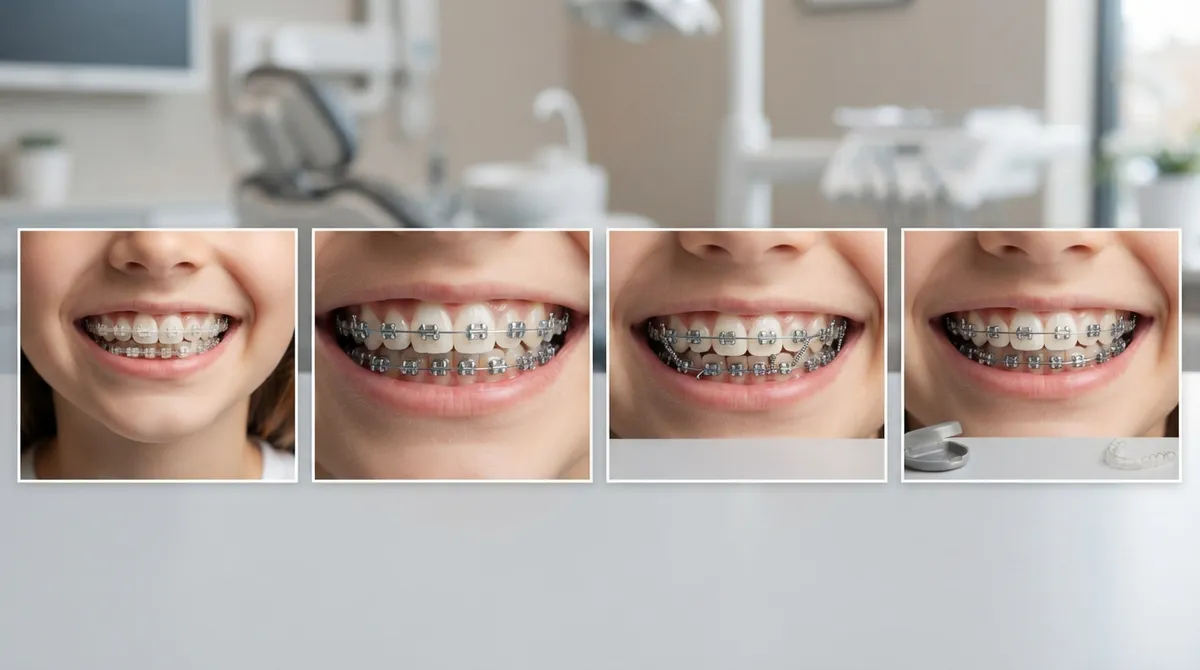
Understanding the general path helps parents feel less anxious about timing. Here’s a simple breakdown of how orthodontic care typically unfolds for kids:
- Age 7 evaluation: First check-up to screen for bite and jaw problems.
- Ages 7-10 monitoring: Some kids need interceptive treatment now; others just get watched.
- Ages 9-14 active treatment: Most braces or clear aligner treatment begins here.
- Ages 12-13 peak window: Many permanent teeth are in, and jaw growth still helps treatment.
- Post-braces retention: Retainers keep new smiles in place after braces come off.
This timeline isn’t set in stone for every child. Some kids need teen orthodontic treatment a little later, especially if their permanent teeth come in slower than average. That’s completely normal, and Dr. Segovia will tailor the plan to your child’s actual mouth, not a calendar.
Common Problems That Call for Earlier Treatment
While most kids wait until the pre-teen years, some issues genuinely benefit from earlier action. These include:
- Certain crossbites that affect jaw growth
- Severe crowding that’s blocking permanent teeth from coming in
- Jaw growth problems that get harder to fix with age
- Thumb-sucking habits causing bite changes
- Early loss of baby teeth affecting spacing
If any of these sound familiar, don’t wait for the standard age window. Reach out and request an appointment so we can evaluate your child’s specific situation. Catching these problems early often means shorter, simpler treatment later.
Braces for Adults: Breaking the Age Myth
Let’s talk about the grown-ups now, because this is where the biggest misunderstanding happens. Many adults assume braces are just for teenagers. That couldn’t be further from the truth.
There is truly no upper age limit for braces. What matters is whether your gums are healthy, your jawbone can support tooth movement, and you don’t have conditions like advanced gum disease that could complicate treatment. Age alone never disqualifies you.
Why More Adults Are Choosing Braces Now
We’re seeing more career-focused professionals and busy parents walk through our doors than ever before. Here’s why adult orthodontics has become so popular:
- Clear aligners offer a nearly invisible way to straighten teeth during work meetings
- Flexible financing makes treatment affordable on a working adult’s budget
- Modern brackets are smaller and less noticeable than the braces of decades past
- Many adults finally have the time and money to invest in themselves
- Correcting old orthodontic relapse feels achievable with today’s technology
If you’re a professional worried about how braces might look at work, our clear aligners page covers discreet options designed exactly for your lifestyle. And if you had braces as a teen but your teeth have shifted back, you’re not alone—check out our guide on adult orthodontics to see how we help with relapse cases.
Adults vs. Kids: Key Differences in Treatment
| Factor | Children | Adults |
|---|---|---|
| Jaw growth | Still developing, helps guide treatment | Fully developed, requires different approach |
| Treatment speed | Often faster due to active growth | May take slightly longer but still effective |
| Common goals | Bite correction, jaw guidance | Aesthetics, relapse correction, comfort |
| Popular options | Traditional braces, fun bracket designs | Clear aligners, discreet ceramic braces |
| Motivation | Parent-driven decision | Self-motivated, highly compliant |
Making Braces Fun: Options Kids Actually Love
One thing we love about treating kids is how creative orthodontic technology has become. Gone are the days when braces meant boring metal squares. We offer WildSmiles Braces, which feature fun shapes like stars, hearts, and even Mickey Mouse designs that kids genuinely get excited about.
Why does this matter for the braces age requirement conversation? Because when kids enjoy their treatment, they brush better, floss more, and stick with their care routine. That enthusiasm can make the entire treatment window—no matter what age it starts—go more smoothly.
Advanced Technology That Makes Any Age Easier
Whether you’re 9 or 45, modern orthodontic technology has changed the game. Dr. Segovia uses LightForce Orthodontics, a fully digital, 3D-printed bracket system custom-fitted to each patient’s teeth. This can speed up treatment time by up to 45% compared to traditional one-size-fits-all brackets.
For patients wanting a nearly invisible option, clear aligner systems like Angel Aligners use AI-driven planning and a flexible wear schedule to move teeth efficiently. These modern tools mean age is less of a barrier than it used to be, since treatment has become faster and more comfortable across the board.
Financing Braces at Any Age
Cost is often the real deciding factor, not age. Whether you’re a parent budgeting for your child’s smile or an adult investing in your own confidence, flexible payment plans can make treatment accessible. Learn more on our orthodontic financing page to see what options fit your family’s budget.
How to Know If It’s the Right Time
Still unsure whether now is the right moment for you or your child to start treatment? Here’s a simple checklist to help you decide:
- Has your child had their first evaluation by age 7?
- Are most permanent teeth in place, or is your child still losing baby teeth?
- Do you notice crowding, gaps, or bite issues that seem to be getting worse?
- As an adult, do you have healthy gums and no signs of active gum disease?
- Are you financially ready, or would a payment plan help make treatment possible?
- Do you have an upcoming life event, like a wedding or graduation, motivating you to start now?
If you answered yes to several of these, it’s probably time to schedule a consultation. You can browse our types of braces page to get familiar with your options before your visit.
Why Choose Segovia Orthodontics for Any Age
Dr. Flor Segovia is a board-certified orthodontist who treats patients from childhood through adulthood with the same care and attention. Our Lakewood Ranch practice offers bilingual support in English and Spanish, so every family feels comfortable and understood.
We know choosing an orthodontist is a big decision, which is why we encourage you to learn more about why families choose us and to meet Dr. Flor Segovia before committing to treatment. You can also see what real patients say by visiting our Segovia Orthodontics location on Google, or checking out our Facebook page and our Instagram page for smile transformations and community updates.
Visit us on Google — Segovia Orthodontics to read reviews from Lakewood Ranch families who found their perfect treatment timing with us, whether that was age 8 or age 48.
The Bottom Line on Braces Age Requirements
So, is there a braces age requirement? Not really. Kids benefit from an evaluation by age 7 and often start treatment between 9 and 14. Adults, meanwhile, can start whenever their teeth and gums are healthy enough to handle it. The American Board of Orthodontics confirms that treatment success depends far more on dental health than on a specific birthday.
Age is simply one piece of a bigger puzzle that includes your dental health, your goals, and your lifestyle. Whether you’re bringing in your 7-year-old for their first check-up or finally deciding to fix that relapse from your teenage braces, the right time is whenever you’re ready.
Ready to find out what treatment timeline makes sense for you or your child? Request an appointment with our Lakewood Ranch team today, or feel free to contact us with any questions. You can also call us at 941-557-1333 to speak with our friendly team and get started on your smile journey.
FAQs
Q: What is the best age to get braces?
A: For kids, most orthodontists recommend starting between ages 9 and 14, often around 11 to 13, when permanent teeth are in and jaw growth still helps treatment. That said, adults can get braces at any age if their teeth and gums are healthy, so there’s really no single “best” age for everyone.
Q: Can a child get braces at age 7?
A: It’s rare for a 7-year-old to get full braces, but age 7 is exactly when the American Association of Orthodontists recommends the first evaluation. Sometimes early treatment starts at this age for specific issues like severe crowding or crossbites, but most kids just get monitored until they’re a bit older.
Q: Is there an age limit for braces?
A: Nope, there’s no upper age limit at all! As long as your gums and jawbone are healthy, you can get braces in your 20s, 40s, or even later in life. We’ve helped plenty of adults finally get the smile they’ve always wanted.
Q: Do adults qualify for braces?
A: Absolutely, adults qualify for braces as long as their teeth and gums are in good shape. Many adults choose clear aligners for a more discreet option, while others prefer traditional braces for faster results—either way, age isn’t a barrier.
Q: What dental problems need early orthodontic treatment?
A: Certain crossbites, severe crowding, and jaw growth issues often benefit from early treatment before all baby teeth are lost. If you notice these signs in your child, it’s worth scheduling an evaluation sooner rather than waiting for the typical pre-teen window.
Our Service Area