Key Takeaways
-
Braces actively move teeth into correct positions over 12-18 months, while retainers are passive devices that only hold teeth in place after treatment—skipping retainers causes ‘relapse’ where teeth gradually shift back to original positions within months.
-
Retainers cannot straighten crooked teeth or fix overbites, gaps, or crowding; they can only make very minor adjustments, so patients with significant misalignment must get braces or clear aligners first before retainer use.
-
Without retainer compliance after braces, teeth can show noticeable relapse within months and may require a second round of expensive orthodontic treatment, wasting the original $5,000-$6,000 investment in braces.
-
Most patients must wear retainers full-time for 4-6 months immediately after braces removal, then transition to nighttime-only wear, potentially for life, to maintain their straightened smile permanently.
-
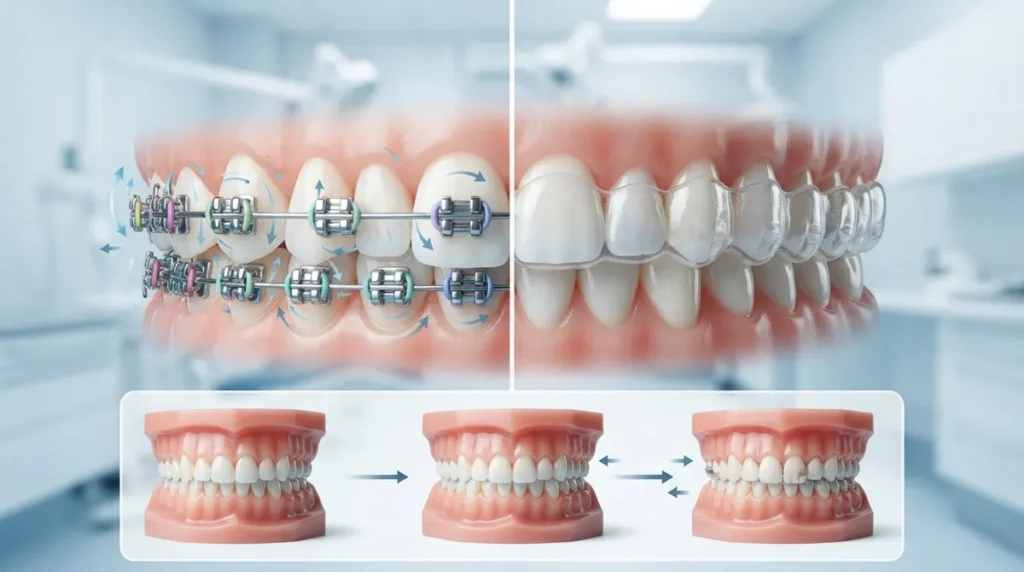
Clear plastic retainers look similar to clear aligners like Invisalign or Angel Aligners but serve completely different purposes—aligners actively move teeth while retainers only prevent movement after treatment is complete.
-
Retainers cost significantly less ($250-$600 per set) than braces ($5,000-$6,000) because they perform simple maintenance rather than active tooth movement, making them an affordable way to protect your orthodontic investment.
Ever wonder why your orthodontist keeps talking about two totally different devices for your teeth? You’re not alone. So many patients walk into our Lakewood Ranch office asking, “Can I just skip braces and get a retainer instead?” It’s a fair question, and honestly, we love that you’re curious about your treatment.
Here’s the short answer: braces and retainers are not competitors. They’re teammates. Braces do the heavy lifting of moving your teeth into place. Retainers step in afterward to keep everything exactly where it belongs. Think of braces as the movers and retainers as the security guards who make sure nothing gets rearranged once you’ve settled in.
Whether you’re a mom trying to figure out the best path for your teenager, a busy professional looking for discreet options, or an adult whose smile has shifted since your last round of treatment, understanding this braces vs retainer relationship will help you make smarter decisions. Let’s break it all down together, in plain language, so you can walk into your next appointment feeling confident.
What Braces Actually Do to Your Teeth
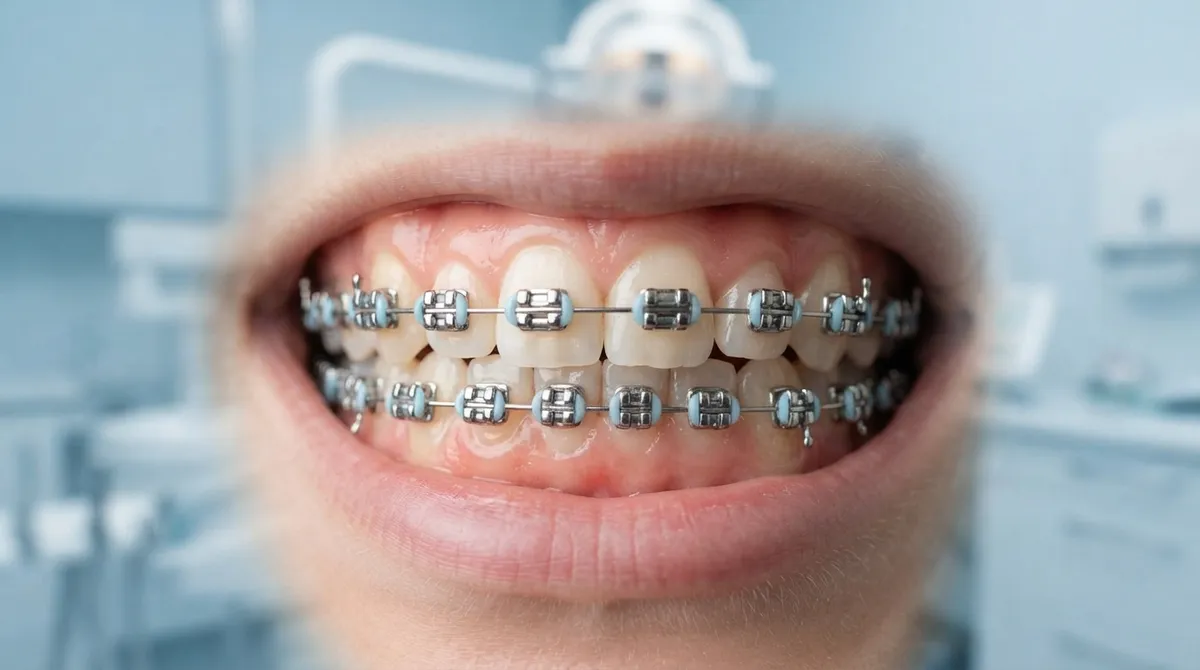
Braces are active devices. That means they’re constantly working, applying gentle and steady pressure to shift your teeth into a new position. Whether you choose traditional metal brackets or something more customized, braces are designed to correct real structural issues.
Braces can fix problems like:
- Overbites and underbites
- Crowded or overlapping teeth
- Gaps between teeth
- Crossbites
- Jaw alignment concerns
At Segovia Orthodontics, Dr. Flor Segovia offers a few different braces options depending on your needs and personality. For kids who want to have some fun with their treatment, WildSmiles Braces come in playful shapes like stars, hearts, and even Mickey Mouse designs. For patients who want precision and speed, LightForce Orthodontics uses 3D-printed, custom-fitted brackets that can cut treatment time by up to 45%.
Braces typically stay on for 12 to 18 months, sometimes longer depending on the complexity of the case. They’re bonded to your teeth and stay there around the clock, working every single day to guide your smile into its ideal position.
What Retainers Actually Do (And Don’t Do)
Retainers are passive devices. Unlike braces, they don’t move your teeth. Their entire job is to hold your teeth still after braces come off. Without a retainer, your teeth can slowly drift back toward their original crooked positions, a frustrating process orthodontists call “relapse.”
Why does this happen? Your teeth are held in place by ligaments and bone that need time to adjust to their new positions. Right after braces come off, those tissues are still soft and moldable. If you skip your retainer, gravity and everyday chewing forces can nudge your teeth right back to where they started.
Most patients wear their orthodontic retainers full-time for the first 4 to 6 months after braces removal. After that, your orthodontist will usually transition you to nighttime-only wear, sometimes for the rest of your life if you want to keep that smile looking its best.
Can Retainers Ever Straighten Teeth?
This is one of the most common questions we hear, and it makes sense given how similar retainers and clear aligners can look. The truth is retainers can only make very minor adjustments, like nudging one slightly crooked tooth back into line. They cannot fix crowding, overbites, or any significant misalignment. For that, you’d need actual orthodontic treatment like braces or clear aligners.
Braces vs Retainer: A Side-by-Side Comparison
Sometimes seeing the differences laid out clearly makes everything click. Here’s a simple breakdown of how these two devices compare.
| Feature | Braces | Retainer |
|---|---|---|
| Purpose | Actively moves teeth | Holds teeth in place |
| Wear Type | Fixed, worn 24/7 | Removable or fixed, part-time wear |
| Treatment Length | 12 to 18 months | Months to lifetime |
| Cost Range | $5,000 to $6,000 | $250 to $600 per set |
| Can Fix Overbites? | Yes | No |
| Can Fix Crowding? | Yes | Only very minor cases |
As you can see, the cost difference is significant. Braces represent a bigger upfront investment because they’re doing the actual corrective work. Retainers cost less because their job is simpler, but skipping them can waste all the money and time you spent on braces in the first place.
Why You Can’t Skip the Retainer Step
We get it. After 12 to 18 months of braces, you’re excited to be done. But skipping your retainer is one of the biggest mistakes patients make. Here’s what typically happens without one:
- Within weeks, your teeth begin shifting due to natural pressure from chewing and speaking.
- Within a few months, noticeable gaps or crowding can return.
- Within a year, you may need a second round of braces or aligners to fix the relapse.
- Your original investment in braces essentially gets undone.
- You end up spending more money and time correcting a problem that was already solved once.
This is why our team always emphasizes retainer compliance just as much as braces treatment. If you’ve ever dealt with orthodontic relapse yourself, you already know how frustrating it can be to watch your hard-earned smile slip away. Our adult orthodontics patients who are correcting relapse are some of the most motivated people we treat, precisely because they understand firsthand what happens when retainers get ignored.
Types of Retainers You Might Wear
Not all retainers look or function the same way. Depending on your case, Dr. Segovia may recommend one of these options:
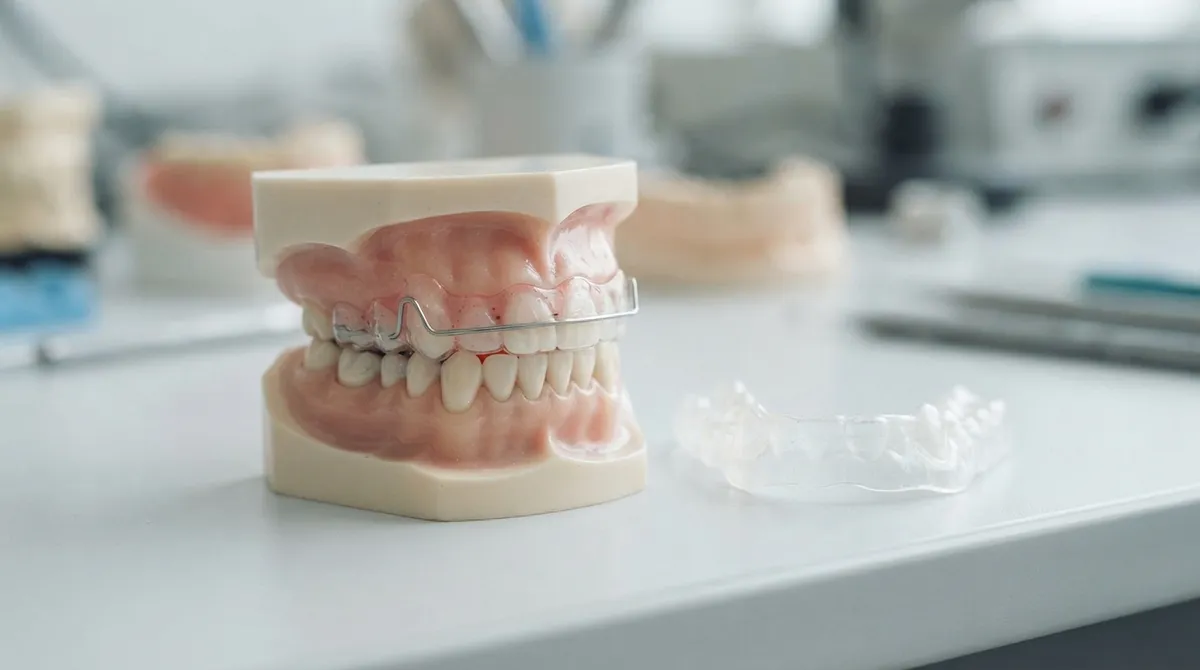
- Clear plastic retainers: Custom-molded trays that look similar to clear aligners but are meant only for holding teeth, not moving them
- Hawley retainers: A classic wire-and-acrylic design that’s adjustable and durable
- Fixed (permanent) retainers: A thin wire bonded behind your front teeth, often used for long-term stability
Clear plastic retainers are sometimes confused with Angel Aligners or Invisalign-style trays. While they may look alike, they serve very different purposes. Angel Aligners actively move your teeth using a gradual series of trays, while a retainer simply keeps teeth from moving after treatment is finished.
How Braces Lead to Long-Term Retainer Success
The relationship between braces and retainers is really a two-part story. Braces write the first chapter by correcting your bite and straightening your teeth. Retainers write the second chapter by protecting that investment for years to come.
For families considering treatment for their kids, understanding this full timeline matters. Many parents ask about early orthodontic treatment because starting sooner can sometimes mean simpler treatment later. Similarly, teen orthodontic treatment often requires extra encouragement around retainer wear, since teenagers are notorious for “forgetting” to put them in.
Tips for Making Retainer Wear Easier
Here are a few simple habits that help patients of all ages stick with their retainer routine:
- Keep your retainer case in the same spot every night, like your nightstand
- Clean your retainer daily to avoid bacteria buildup and bad odors
- Never wrap your retainer in a napkin at restaurants (it gets thrown away more often than you’d think)
- Bring your retainer to every checkup so your orthodontist can verify the fit
- Replace worn or cracked retainers right away instead of waiting
Who Should Consider Which Option?
Depending on where you are in your orthodontic journey, your needs will look different. Here’s a quick guide:
- If your teeth are visibly crooked or your bite doesn’t line up: You need braces or aligners, not a retainer, since retainers alone can’t correct these issues.
- If you just finished braces or aligner treatment: A retainer is mandatory to protect your results.
- If your teeth have shifted years after wearing braces as a teen: You may need a fresh round of treatment, followed by a new retainer.
- If you have one slightly rotated tooth and nothing else: A retainer might be enough, but only your orthodontist can confirm this after an exam.
If you’re unsure which category you fall into, that’s exactly what a consultation is for. Our team can look at your smile and map out exactly what you need, whether that’s traditional braces, clear aligners, or simply a retainer refresh.
The Technology Behind Modern Treatment
One reason patients trust Segovia Orthodontics is our commitment to advanced orthodontic technology. LightForce’s digital, 3D-printed brackets mean your braces are custom-built for your exact tooth shape, not a generic mold. This precision often leads to shorter treatment times and a smoother transition into retainer wear once your braces come off.
Dr. Segovia is a board certified orthodontist recognized by the American Board of Orthodontics, meaning she’s met rigorous standards for both skill and continuing education. That expertise carries through every stage of treatment, from your very first consultation all the way through your final retainer check.
What to Expect at Your First Visit
If you’re new to the process, your first orthodontic visit will include a full exam, digital scans, and a conversation about your goals. This is where Dr. Segovia determines whether braces, aligners, or eventually just a retainer are right for you.
Many of our patients love following our journey and seeing real smile transformations on our Facebook page and our Instagram page. It’s a great way to get a feel for what treatment actually looks like before you commit.
You can also visit us on Google — Segovia Orthodontics to see what other families in Lakewood Ranch have to say about their experience with our team.
Ready to Talk Braces vs Retainer for Your Smile?
Understanding the difference between braces and retainers isn’t just helpful trivia. It’s the key to protecting your smile for years to come. Braces do the hard work of straightening your teeth, while retainers make sure that work actually lasts. Skip one, and you risk undoing the other.
Whether you’re exploring braces for the first time, wondering about orthodontic financing options, or you need a retainer check after years without one, our Lakewood Ranch team is here to help. Feel free to contact us with any questions, or go ahead and request an appointment to get started. You can also simply call us at 941-557-1333 and our friendly staff will walk you through your options. Your best smile is worth protecting, and we’d love to help you get there.
FAQs
Q: Do retainers straighten teeth or just hold them in place?
A: Retainers are all about holding, not straightening! They keep your teeth exactly where your braces or aligners put them. If your teeth need actual movement, you’ll want braces or clear aligners first, then a retainer to lock in those beautiful results.
Q: Can I get a retainer instead of braces for my crooked teeth?
A: Unfortunately, no, and we totally understand wanting a shortcut! Retainers just don’t have the power to move crowded or crooked teeth into new positions. Braces or aligners are the tools that do the actual straightening, with retainers stepping in afterward to keep things in place.
Q: How long do I need to wear a retainer after getting braces off?
A: Most patients wear their retainer full-time for about 4 to 6 months right after braces come off. After that, nighttime wear usually continues for a long time, sometimes for life, to keep that gorgeous smile from shifting back.
Q: What is the cost difference between braces and retainers?
A: Braces typically run between $5,000 and $6,000 since they’re doing the heavy work of moving your teeth. Retainers are much more affordable, usually costing $250 to $600 per set, since their job is simply maintenance.
Q: Are clear plastic retainers the same as Invisalign or Angel Aligners?
A: They might look similar, but they’re not the same at all! Clear aligners like Invisalign or Angel Aligners actively move your teeth over time, while clear retainers just hold your teeth still after treatment is complete.
Our Service Area