Key Takeaways
-
Identify the root cause of your gap before treatment—whether it's a size mismatch, missing teeth, a prominent frenum, habits, bite issues, or gum disease—because closing gaps without understanding the cause can lead to reopening or gum problems.
-
LightForce Braces can reduce treatment time by up to 45% compared to traditional braces, while Angel Aligners use a 7+3 wear schedule to accelerate tooth movement and reduce office visits for adults seeking discreet correction.
-
Gaps in children under age seven are often normal as baby teeth make room for adult teeth, but new or widening gaps in adults warrant an orthodontist evaluation since they usually have a specific underlying cause.
-
For undersized teeth causing gaps, composite bonding or veneers can improve tooth proportions after or alongside orthodontic treatment to create a balanced smile without relying on tooth repositioning alone.
-
Retainer compliance is critical after gap closure—inconsistent wear or habits like tongue thrust and thumb-sucking can cause gaps to reopen, requiring a fresh evaluation and stronger retention plan to protect long-term results.
-
A frenectomy to adjust thick or low lip tissue may be recommended only when the frenum clearly contributes to the gap, and it's typically coordinated with orthodontic treatment for optimal outcomes.
Do you have a space between your front teeth that makes you cover your smile in photos? You’re not alone. Gaps between teeth, called diastema, are one of the most common reasons families visit our office. Whether you’re a parent noticing a new gap in your seven-year-old’s smile, or an adult whose old gap seems to be widening, gap teeth correction is one of the most rewarding treatments we offer at Segovia Orthodontics.
The good news? Most gaps can be treated. But the right fix depends on why the gap is there in the first place. In this guide, we’ll walk through what causes gaps, how orthodontists actually close them, and what you can expect during treatment. Grab a cup of coffee, and let’s talk smiles.
What Exactly Is a Diastema?
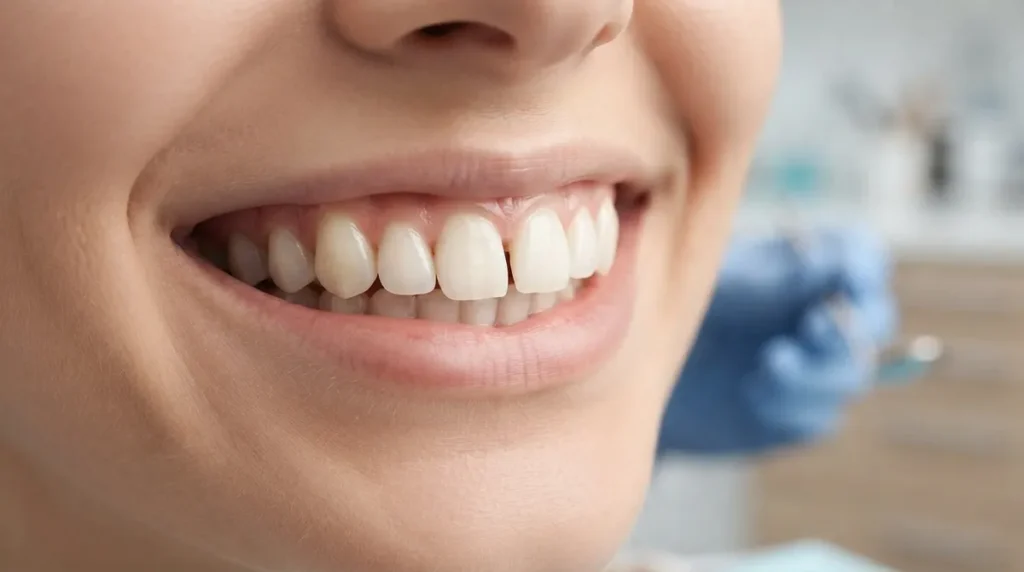
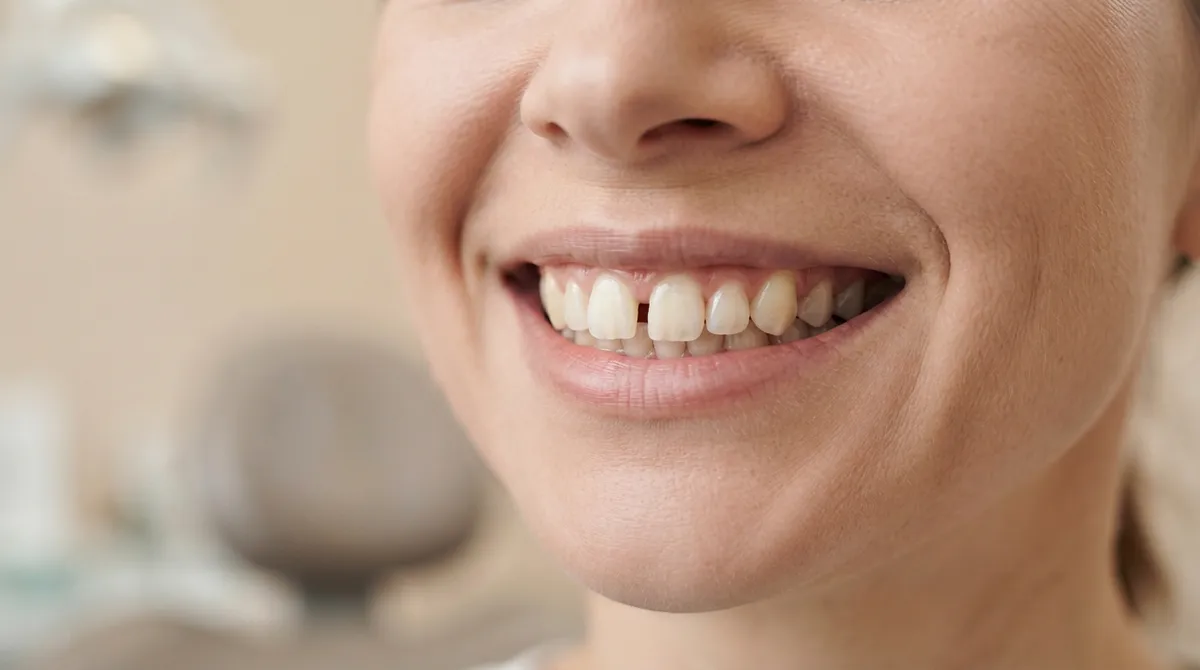
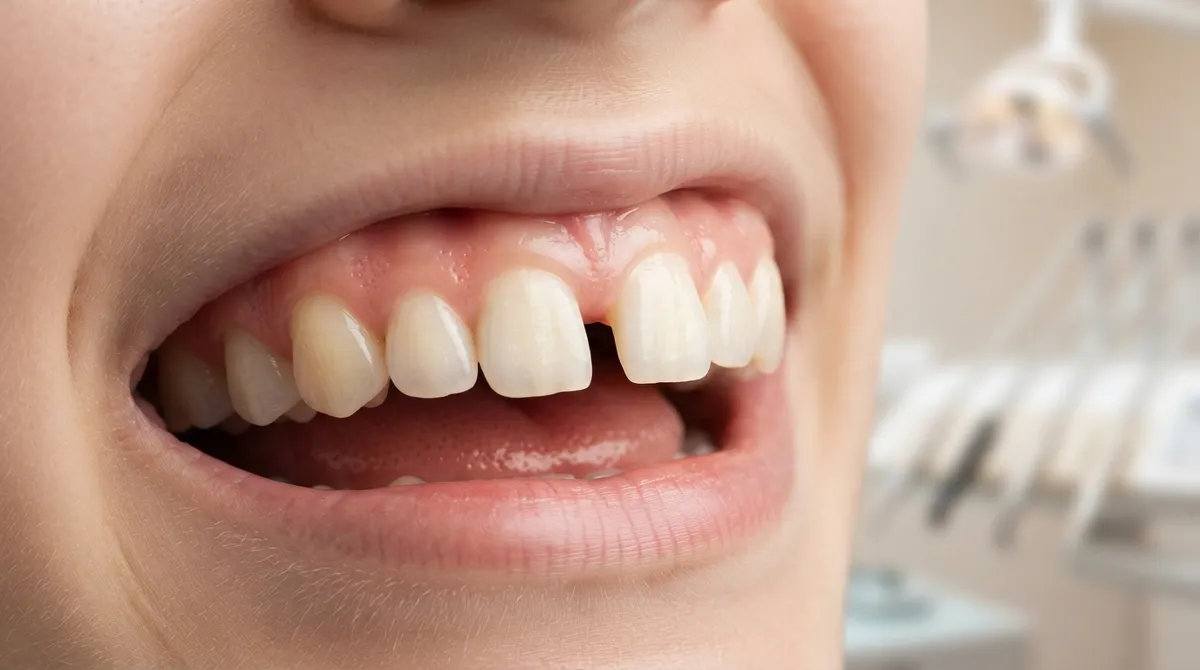
A diastema is simply a space between two teeth. Most people notice it between the upper front teeth, but gaps can show up anywhere in the mouth. Some folks have one small gap. Others have several spaces scattered across their smile.
Here’s something reassuring for parents: a gap in a young child’s smile is often totally normal. As baby teeth make room for adult teeth, spacing can appear and disappear on its own. But if you’re an adult and notice a new or widening gap, it’s worth getting it checked. That kind of change usually has a specific cause behind it.
Why Do Teeth Develop Gaps?
There isn’t just one reason gaps form. Our team at Segovia Orthodontics has seen just about every cause during exams, and understanding yours is the first step toward the right treatment. Here are the most common culprits:
- Size mismatch: Sometimes teeth are smaller than the jaw, leaving extra space between them.
- Missing or undersized teeth: A tooth that’s naturally small or never grew in can leave a noticeable gap.
- A prominent labial frenum: This is the small piece of tissue connecting your upper lip to your gums. If it’s thick or sits low, it can push teeth apart.
- Habits like thumb-sucking or tongue thrust: Repeated pressure from these habits can gradually widen a gap over time.
- Bite or tooth-position issues: Misaligned teeth sometimes create uneven spacing.
- Gum disease: When the bone supporting your teeth weakens, teeth can shift and drift apart.
This is exactly why a thorough evaluation matters so much. Closing a gap without knowing the cause can lead to problems down the road, including a gap that reopens or gum issues that go unnoticed. If you want to learn more about what factors contribute to spacing, our article on why gaps keep showing up between your teeth covers this in more detail.
How Common Are Gap Teeth, Really?
You might be surprised how often this comes up. Research on adult diastema prevalence found rates ranging widely, from about 1.6% up to 25.4% depending on the population studied, according to a review published in a 2017 orthodontic journal. A more recent 2025 study found gaps in 25% of its sample group. These numbers show that gap teeth are far from rare, and you’re in good company if you’re dealing with one.
Treatment Options for Gap Teeth Correction
Once we understand why your gap exists, we can build a plan around it. Here’s a look at the main approaches used in modern orthodontics.
Braces and Clear Aligners
For most patients, braces or clear aligners do the heavy lifting. These treatments gradually guide teeth into new positions, closing the space bit by bit. At our Lakewood Ranch office, we offer several options depending on your lifestyle and goals.
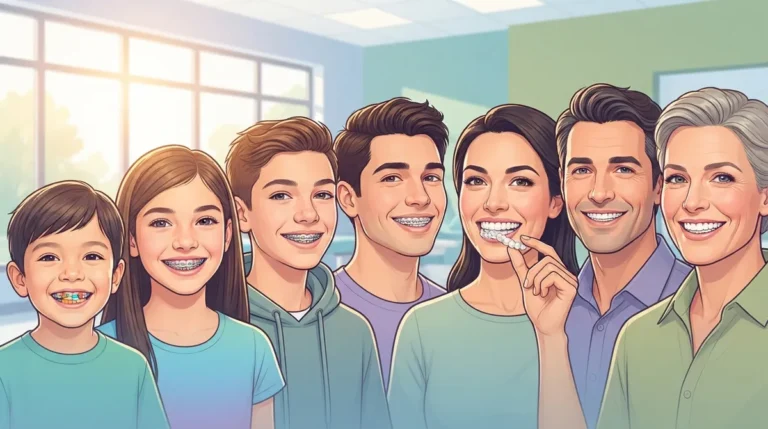
For kids and teens who want a bit of fun during treatment, WildSmiles Braces offer playful bracket shapes like stars, hearts, and even Mickey Mouse designs. These brackets aren’t just cute. Their unique shape actually helps kids brush more effectively, since visible plaque around the shapes is easy to spot.
For patients who want precision and comfort, LightForce Orthodontics uses 3D-printed, custom-fitted brackets designed specifically for your teeth. This digital approach can reduce treatment time by up to 45% compared to traditional one-size-fits-all brackets, while also offering clear or white bracket options for a more subtle look.
If you’re an adult who prefers something nearly invisible, Angel Aligners are a fantastic option. These clear, removable trays use a smart wear schedule (seven days with a flexible tray, then three days with a firmer one) to speed up movement and reduce office visits. Many patients also appreciate that Angel Aligners tend to cost less than premium aligner brands while still using advanced digital planning.
Restorative Options for Undersized Teeth
Sometimes a gap isn’t really about tooth position. It’s about tooth size. If your teeth are naturally small, orthodontic movement alone might not create the balanced look you want. In these cases, composite bonding or veneers can improve tooth proportions after or alongside orthodontic treatment.
Addressing Missing Teeth
When a missing tooth is behind the gap, we have two paths. We can close the space orthodontically by shifting nearby teeth together, or we can preserve the space for a future implant, bridge, or partial denture. Which path makes sense depends on your bite, your other teeth, and your long-term goals.
Frenectomy: When Is It Needed?
If a thick or low frenum is pulling your front teeth apart, a frenectomy (a simple procedure to adjust that tissue) might be part of your plan. This isn’t a universal fix for every gap. It’s typically recommended only when the frenum is clearly contributing to the space, and it’s often coordinated with orthodontic treatment for the best results.
Step-by-Step: What to Expect During Gap Teeth Correction
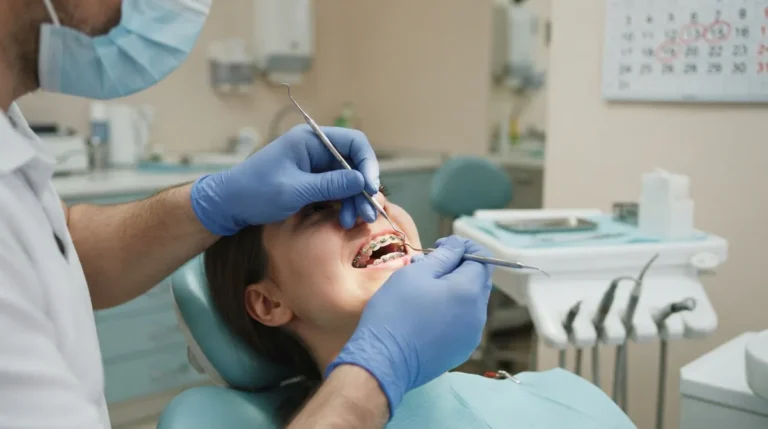
- Comprehensive evaluation: We assess your tooth position, bite, gum health, and any missing or undersized teeth.
- Diagnosis of the cause: We identify what’s driving the gap, whether it’s habit-related, structural, or gum-related.
- Custom treatment plan: Based on the cause, we recommend braces, aligners, restorative work, or a combination.
- Active treatment phase: Teeth gradually shift into place over months, with regular check-ins to track progress.
- Retention: Once the gap closes, a retainer helps keep it that way for good.
This step-by-step approach is why patients trust Segovia Orthodontics for gap correction. Dr. Flor Segovia, a board certified orthodontist, uses advanced orthodontic technology to make sure every plan fits the patient in front of her, not a generic template.
Comparing Your Gap Correction Options
| Treatment | Best For | Visibility | Typical Timeline |
|---|---|---|---|
| WildSmiles Braces | Kids and teens who want a fun experience | Visible, colorful designs | Varies by case |
| LightForce Braces | Patients wanting custom precision and faster results | Clear or white bracket options | Up to 45% faster than traditional braces |
| Angel Aligners | Adults and teens wanting a discreet option | Nearly invisible | Accelerated with 7+3 wear schedule |
| Composite bonding or veneers | Undersized teeth causing gaps | Blends with natural teeth | Often completed in one to two visits |
Life Milestones and Gap Teeth Correction
If you have a wedding, graduation, or big job interview coming up, timing matters. Some gap closures move quickly with focused orthodontic movement, especially with tools like LightForce or Angel Aligners. If you’re planning around a specific date, mention it during your consultation so we can talk through realistic timelines together.
For busy professionals, discreet treatment is often the top priority. Clear aligners let you keep straightening your smile without anyone noticing during meetings or client calls. Many of our adult patients say this flexibility is exactly why they finally started treatment after years of putting it off.
What About Gaps That Reopen After Braces?
This is a question we hear often, especially from adults who had braces as teenagers. Teeth can drift over time, especially if a retainer wasn’t worn consistently. Habits, gum health, and natural aging can all play a role too.
The fix usually involves a fresh evaluation to understand why the gap returned, followed by a new treatment plan and a solid retention plan to protect your results long term. If you’re in this boat, know that you’re not starting from zero. Many adult patients find round two of treatment faster than expected.
Why Choose Segovia Orthodontics for Your Gap Correction
At Segovia Orthodontics in Lakewood Ranch, we treat patients of every age, from young kids with early spacing to adults tackling relapse after years without a retainer. Dr. Segovia provides bilingual care in English and Spanish, and our team works hard to make every visit comfortable and welcoming.
We offer flexible scheduling for busy parents, discreet aligner options for professionals, and playful bracket choices for kids who want to have fun during treatment. Whatever your gap teeth situation looks like, we’ll build a plan around your specific cause, your goals, and your schedule. Learn more about why families choose us for their orthodontic care.
Curious what other patients say about their experience? You can visit us on Google — Segovia Orthodontics to read real reviews, or check out our Facebook page and our Instagram page to see smile transformations from our own patients. For general orthodontic credentials and standards, the American Board of Orthodontics is a helpful resource too.
Ready to Close Your Gap?
Gap teeth correction doesn’t have to feel complicated or overwhelming. With the right diagnosis and a plan built for your specific smile, closing a gap is one of the most satisfying transformations we get to be part of. Whether you’re considering braces for your child, clear aligners for yourself, or wondering if your old gap can finally be fixed for good, our team is ready to help.
Take the first step today by choosing to request an appointment at our Lakewood Ranch office. Have questions first? Feel free to contact us or call us at 941-557-1333 to speak with our friendly team. Your gap-free smile is closer than you think.
FAQs
Q: What is a diastema, and is a gap between front teeth normal?
A: A diastema is simply the fancy word for a gap between two teeth, most often the upper front ones. In kids, these gaps are frequently a normal part of growing up as adult teeth come in. But if you’re an adult and notice a new or growing gap, it’s a good idea to have it checked out by an orthodontist.
Q: Can braces or clear aligners really close a gap between front teeth?
A: Yes, braces and clear aligners are often the go-to solution for closing gaps. They gradually shift your teeth closer together over time. Options like LightForce Braces or Angel Aligners at our Lakewood Ranch office can make this process faster and more comfortable than ever.
Q: How long does gap teeth correction usually take?
A: It really depends on your specific gap and treatment method. Some patients see noticeable closure within several months, while more complex cases take longer. Technology like LightForce can speed things up by as much as 45%, and Angel Aligners use an accelerated wear schedule to help move things along too.
Q: Why do gaps sometimes reopen after braces come off?
A: This usually happens when a retainer wasn’t worn as recommended, or when habits, gum health, or natural shifting caused teeth to drift again. The fix is a fresh evaluation followed by a new plan and a solid retention routine to protect your results this time around.
Q: Can bonding or veneers fix a gap instead of braces?
A: If your gap is caused by naturally small or undersized teeth, bonding or veneers can improve the proportions and close the visual gap. However, if the gap is caused by tooth position or bite issues, orthodontic treatment is usually needed first, sometimes alongside restorative work for the best final result.
Our Service Area