Key Takeaways
-
Spacing between teeth (diastema) is usually caused by a mismatch between jaw size and tooth width; unless caused by gum disease, it typically doesn’t harm oral health and is often a normal variation.
-
Most gaps close within 6 weeks to 6 months using braces with elastic chains or clear aligners, though larger gaps or complex bite issues may require longer treatment timelines.
-
Multiple treatment options exist including traditional braces, clear aligners, dental bonding, porcelain veneers, and frenectomy for oversized labial frenum—choose based on gap size, age, and lifestyle preferences.
-
Gaps between baby teeth are completely normal and usually close on their own when adult teeth erupt; children past age 8 with persistent gaps in adult teeth should be evaluated by an orthodontist.
-
Retainer compliance is critical after treatment—skipping retainer wear is the number one reason gaps reappear in adults, so consistent use as directed prevents relapse.
-
Schedule a checkup if gaps are widening over time, gums are bleeding or receding, chewing feels uncomfortable, or you feel self-conscious about your smile, as these may signal underlying issues.
If you’ve ever noticed a gap between your two front teeth or spotted spacing between teeth popping up in unexpected places, you’re definitely not alone. This is one of the most common questions we hear from families and adults at our Lakewood Ranch practice. The good news? Spacing between teeth is usually easy to understand, often totally normal, and almost always treatable. Let’s walk through why gaps happen, what they mean for your smile, and how Dr. Flor Segovia and our team can help close them for good.

What Exactly Is Spacing Between Teeth?
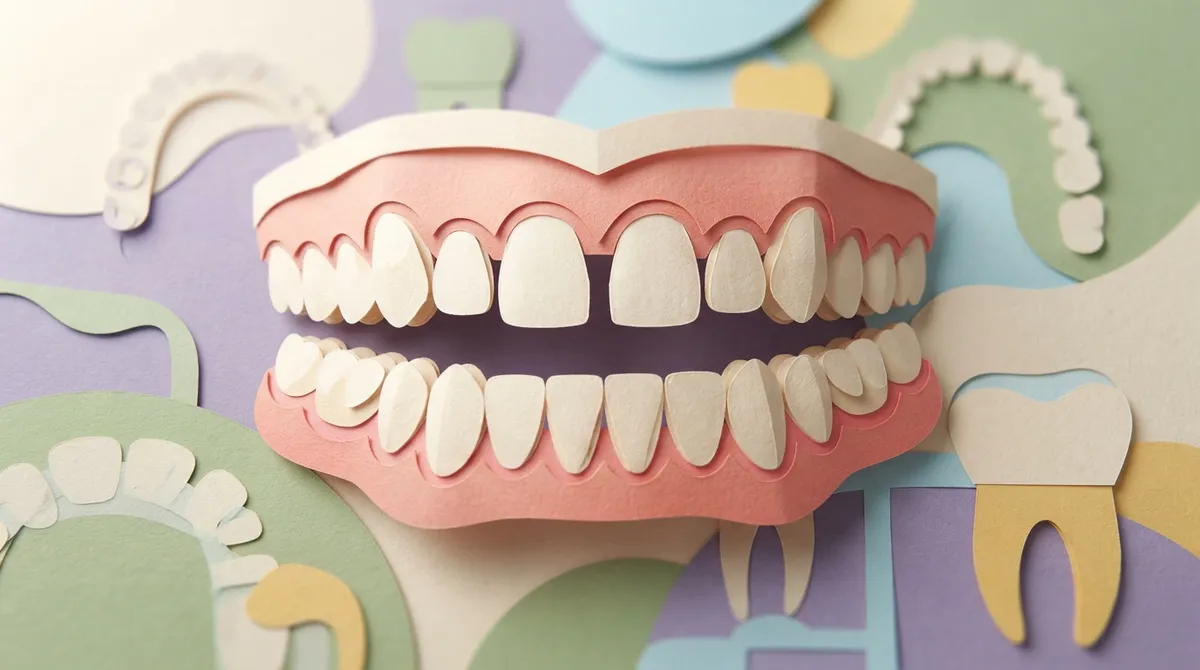
In orthodontics, spacing between teeth has a clinical name: diastema. It simply means there’s a gap where teeth don’t touch each other the way they normally would. The most common spot for this is right between the two upper front teeth, known as a midline diastema. But gaps can pop up anywhere in your mouth, including between molars or lower teeth.
Here’s a fun fact: your jaw and your teeth don’t always grow at the same rate. When your jawbone is a bit wider than the total width of your teeth, extra space is left behind. That space has to go somewhere, and often it shows up as a gap. This mismatch is the number one reason people develop spacing between teeth in the first place.
Common Causes of Gaps Between Teeth
There are several reasons spacing between teeth can develop, and understanding the cause helps us pick the right fix. Here are the most frequent culprits we see in our Lakewood Ranch patients:
- A jaw that’s larger than the space your teeth actually need
- Missing or undersized teeth that leave extra room
- Tongue thrusting, where the tongue pushes against the front teeth during swallowing or speaking
- An oversized labial frenum, which is the tissue connecting your upper lip to your gums
- Thumb sucking habits carried on past early childhood
- Gum disease (periodontitis) that weakens the bone supporting your teeth
If you want to learn more about how these issues stack up against other bite concerns, check out our guide on crowded teeth vs. normal spacing to see how they compare.
Is Spacing Between Teeth Bad for Your Oral Health?
Here’s something that might put your mind at ease: unless the gap is caused by gum disease, spacing between teeth usually doesn’t harm your oral health. Many dental professionals consider it a normal variation, much like having curly or straight hair. That said, gaps can sometimes make it harder to clean between teeth properly, and some patients simply don’t love how the spacing looks.
For parents watching their child’s smile develop, it helps to know that gaps between baby teeth are completely normal. Those little gaps typically close up on their own once the bigger adult teeth start coming in. So if your seven-year-old has a gap-toothed grin right now, there’s likely no need to panic.
When Gaps Signal It’s Time for a Checkup
While many gaps are harmless, a few situations mean it’s worth scheduling a visit with an orthodontist:
- The gap is getting noticeably wider over time
- You notice your gums bleeding or receding near the gap
- Chewing or biting feels uncomfortable or uneven
- Your child is past age eight and gaps between adult teeth haven’t started closing
- You feel self-conscious about your smile in photos, at work, or on social occasions
Our team offers a thorough first orthodontic visit where we take a close look and map out exactly what’s causing your spacing.
Why Braces Sometimes Create Gaps First
Here’s something that surprises a lot of patients: your braces might actually create temporary gaps before things get better. If your teeth started out crowded, braces work by gently shifting them apart to make room. This is a completely normal part of the process, and it’s a sign your treatment is working, not a mistake.
Most of these temporary gaps close up as treatment continues. But sometimes a gap sticks around longer than expected. This can happen because of tooth shape, a stubborn frenum, or interference from teeth in the opposite jaw. If you’re mid-treatment and worried about a gap that won’t budge, don’t hesitate to contact us so Dr. Segovia can take a look.
How Long Does It Take to Close a Gap?
Great news for anyone eager to see results: gaps often close faster than you’d think. Using tools like elastic chains attached to braces, many gaps shrink and disappear within six weeks to six months, depending on the size of the gap and your specific bite. Larger gaps or those affected by other alignment issues may take longer, especially if they’re part of a full smile makeover.
Treatment Options for Spacing Between Teeth
The good news is that you have plenty of options for closing gaps, no matter your age or lifestyle. Here’s a quick breakdown of what’s typically available:
| Treatment | Best For | Typical Timeline |
|---|---|---|
| Traditional Metal Braces | Larger gaps, complex bite issues, kids and teens | 6 months to 2+ years |
| Clear Aligners | Mild to moderate gaps, adults wanting discreet treatment | 4 months to 18 months |
| Dental Bonding | Small cosmetic gaps, quick fixes | 1 office visit |
| Porcelain Veneers | Cosmetic gaps with additional shape concerns | 2-3 visits |
| Frenectomy | Gaps caused by an oversized frenum | Simple in-office procedure |
Braces and Clear Aligners for Closing Gaps
For many of our patients, braces or aligners are the go-to solution because they treat the root cause rather than just masking the gap. We’re proud to offer WildSmiles Braces, which bring fun, custom bracket shapes to kids and teens who want their treatment to feel less clinical and more like self-expression. For patients who want cutting-edge precision, LightForce Orthodontics uses fully digital, 3D-printed brackets custom-fitted to your teeth, which can speed up treatment by as much as 45%.
If you’re an adult who wants a nearly invisible option, our clear aligners and Angel Aligners systems are worth exploring. Angel Aligners use a smart 7+3 wear schedule, alternating between a flexible tray and a firmer one, which can accelerate movement and cut down on office visits. They’re also budget-friendly, using efficient manufacturing to keep costs lower while still delivering that discreet, professional look busy adults love.
When a Frenectomy Might Be Necessary
Sometimes a gap between the two front teeth won’t close no matter what, and the reason is an oversized labial frenum. This is the little piece of tissue connecting your upper lip to your gums. When it’s too large, it can literally hold your teeth apart. A frenectomy is a simple procedure that removes or adjusts this tissue, allowing your teeth to come together properly during treatment. It’s often done alongside braces or aligners for the best results.
Spacing Between Teeth for Different Life Stages
Spacing shows up differently depending on your age and lifestyle, so treatment looks different too. Here’s how we typically approach it:
- Kids and Tweens: Gaps between baby teeth are normal and usually resolve on their own. We monitor early orthodontic treatment needs to catch bigger issues before permanent teeth arrive.
- Teens: Gaps from jaw growth or thumb sucking habits are common. Teen orthodontic treatment often uses braces or aligners designed around school and activity schedules.
- Young Professionals: Many want discreet options before a big event, like a wedding or graduation. Clear aligners are a popular pick here.
- Busy Career Adults: Fast, low-maintenance treatment matters most. LightForce braces and Angel Aligners both offer efficient timelines.
- Adult Relapse Patients: If your teeth shifted back after old braces, adult orthodontics combined with a proper orthodontic retainer plan can fix the gap and keep it closed this time.
Keeping Gaps Closed After Treatment
Once your gap is closed, the real key to keeping it that way is wearing your retainer as directed. Teeth naturally want to shift over time, and skipping retainer wear is the number one reason gaps reappear in adults who’ve had braces before. If you’re worried about relapse, we always recommend sticking closely to your retainer schedule and following up with regular checkups.
Why Choose Segovia Orthodontics for Your Spacing Concerns
Dr. Flor Segovia is a board-certified orthodontist, certified through rigorous standards set by the American Board of Orthodontics. She combines that expertise with advanced orthodontic technology to give every patient, from young kids to busy professionals, a treatment plan built around their specific gap and goals.
Our Lakewood Ranch office is known for creating a warm, welcoming environment where families feel comfortable asking questions. We also offer bilingual care in English and Spanish, making sure every patient and parent fully understands their treatment options. Curious what other patients think? You can visit us on Google — Segovia Orthodontics to read real reviews from our community.
Flexible Options That Fit Your Life
We know life gets busy, whether you’re juggling school pickups, a demanding job, or wedding planning. That’s why we offer orthodontic financing to make treatment affordable, along with a range of appointment times to fit your schedule. Want to see before-and-after transformations from patients just like you? Follow our Instagram page or check out our Facebook page for real smile stories from the Lakewood Ranch community.
Steps to Take If You’re Worried About Spacing Between Teeth
If you’ve noticed a gap and you’re not sure what to do next, here’s a simple game plan:
- Take note of when you first noticed the gap and whether it’s changing
- Check if you or your child have habits like tongue thrusting or thumb sucking
- Schedule a consultation to get a professional opinion on the cause
- Review treatment options together, from braces to aligners to bonding
- Choose a plan that fits your budget, timeline, and lifestyle
- Stay consistent with retainer wear once treatment is complete
Taking these steps early can save you time, money, and frustration down the road. Our team is always happy to walk you through what to expect at every stage.
Ready to Close the Gap?
Spacing between teeth is common, often harmless, and almost always fixable with the right plan. Whether you’re a parent noticing a gap in your child’s smile, a professional wanting discreet aligners before a big event, or an adult ready to fix old relapse, our Lakewood Ranch team is here to help. Ready to get started? Request an appointment today, or simply call us at 941-557-1333 to speak with our friendly team. Your best smile is closer than you think!
FAQs
Q: Why are there gaps between my teeth after braces?
A: Great question! Sometimes braces create temporary gaps while shifting crowded teeth into their new, correct positions. This is totally normal and usually closes up as your treatment progresses, so try not to worry if you spot one mid-treatment.
Q: What is the clinical term for gaps between teeth?
A: It’s called a diastema, and it’s most commonly seen between the two upper front teeth. It’s a totally normal dental term, and honestly, plenty of people rock a diastema as part of their unique smile.
Q: Can tongue thrusting cause spacing between teeth?
A: Yes, it definitely can! When the tongue pushes against the front teeth during swallowing or speaking, it can gradually push teeth apart over time. The good news is this habit can be addressed alongside orthodontic treatment for lasting results.
Q: How long does it take to close gaps between teeth with braces?
A: Many gaps close in as little as six weeks to six months using elastic chains with braces, though it depends on the gap size and your unique smile. Dr. Segovia will give you a personalized timeline at your consultation.
Q: Are gaps between baby teeth normal?
A: Absolutely, and it’s actually a good sign! Gaps between baby teeth usually mean there’s plenty of room for those bigger adult teeth to come in nicely later on.
Our Service Area