Key Takeaways
-
TMD orthodontists in Bradenton treat the root cause of jaw pain through bite correction with braces or aligners, rather than just masking symptoms with temporary solutions like night guards.
-
Orthodontists are often the right specialists for TMD linked to bite misalignment, as they can reposition teeth to reduce strain on jaw joints and prevent long-term complications.
-
Common TMD symptoms include jaw clicking, morning headaches, neck aches, and difficulty opening your mouth; early detection leads to simpler and faster treatment options.
-
Conservative treatments like night guards, physical therapy, and stress management come first; surgery is rarely needed and only considered when other approaches fail.
-
LightForce braces with 3D-printed custom brackets can reduce orthodontic treatment time by up to 45% for complex bite issues affecting the jaw joint.
-
Segovia Orthodontics offers family-friendly TMJ care with flexible financing, bilingual support in English and Spanish, and multiple treatment options including braces and clear aligners.
Does your jaw click when you chew? Do you wake up with headaches or a sore neck for no clear reason? You might be dealing with TMD, and you’re definitely not alone. Millions of people deal with jaw pain, and the good news is that a TMJ orthodontist in Bradenton can often help fix the real problem instead of just masking the symptoms. Let’s walk through what this actually means and how to find the right care for you or your family.
At Segovia Orthodontics, we understand that jaw pain isn’t just annoying, it can affect your whole day. Whether you’re a busy mom juggling school pickups, a professional prepping for a big presentation, or someone who’s noticed your smile shifting since your last set of braces, this guide will help you understand your options. Let’s get into it.
What Does TMJ Actually Mean?
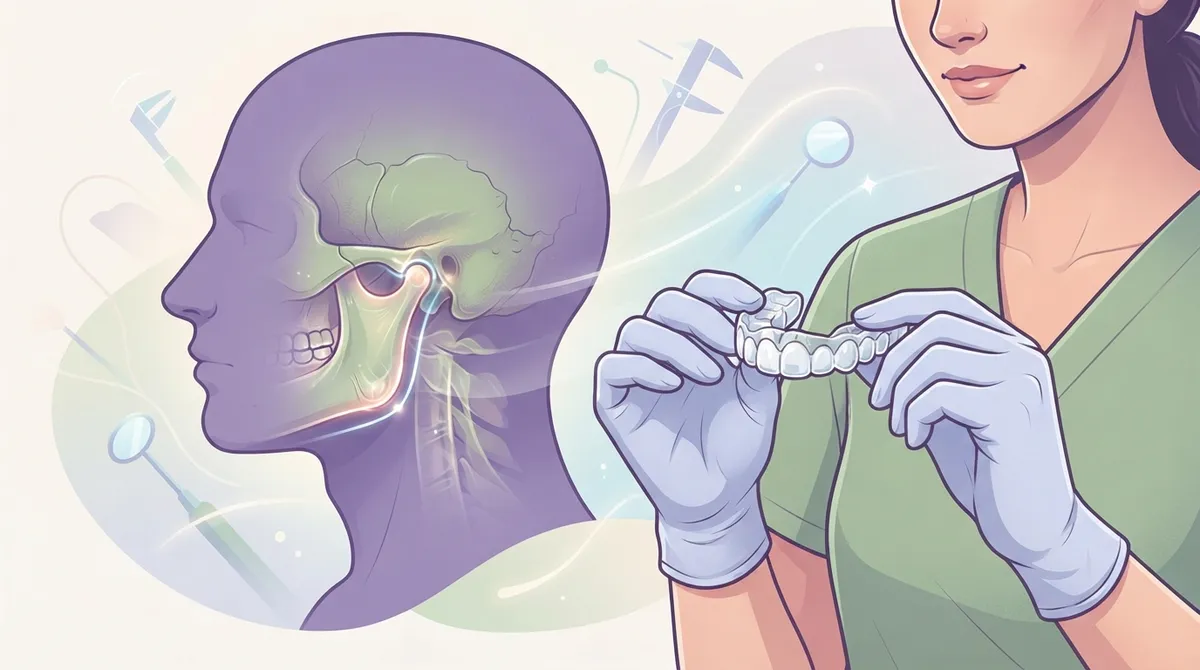
First, let’s clear up some confusion. TMJ stands for temporomandibular joint. It’s simply the name of the joint that connects your jawbone to your skull. Everyone has one on each side of their face.
TMD, or temporomandibular disorder, is the actual problem. This is when that joint (or the muscles around it) isn’t working right. People often say “TMJ” when they really mean “TMD,” and that’s totally fine. We’ll use both terms here so you know exactly what we’re talking about.
Why Does TMD Happen?
There are several common reasons jaw pain shows up. Understanding the cause helps your orthodontist pick the right fix. Here are the usual suspects:
- Jaw misalignment, where your upper and lower teeth don’t meet correctly
- Bruxism, or grinding and clenching your teeth (often at night)
- Arthritis affecting the jaw joint
- A past jaw injury from an accident or sports
- Stress, which causes people to tighten their jaw muscles without realizing it
Notice that a few of these causes are directly tied to how your teeth and jaw line up. That’s exactly why an orthodontist is often the right specialist to see.
Orthodontist vs. Dentist: Who Should Treat Your TMD?
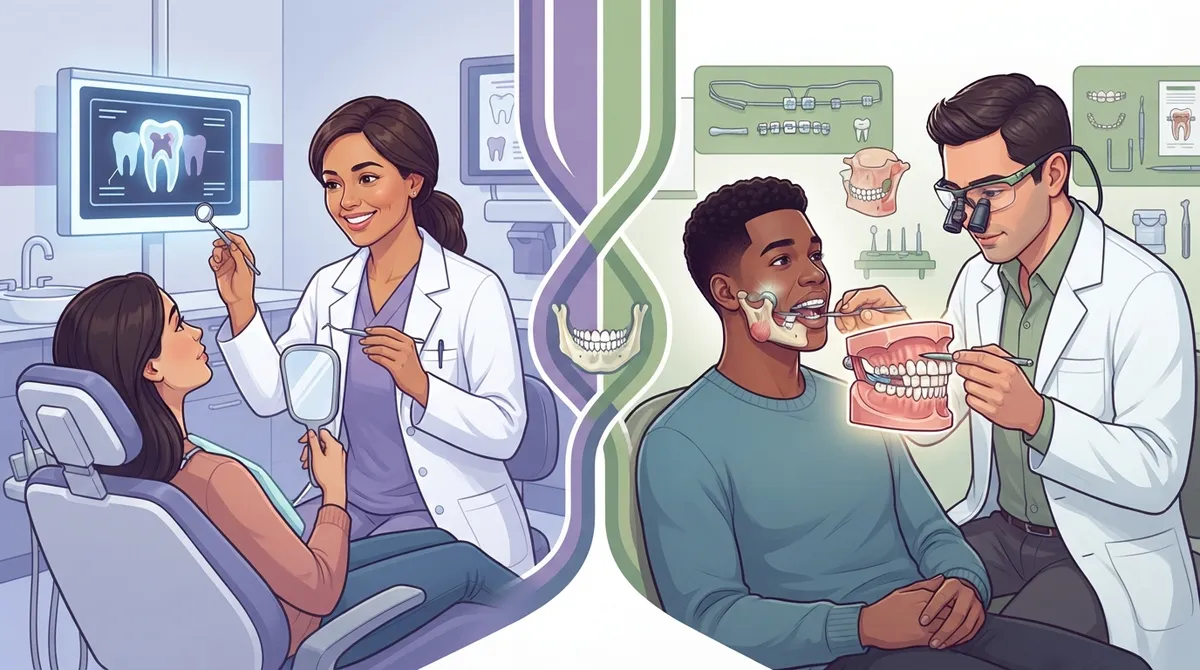
This is one of the most common questions we hear at our Lakewood Ranch office. Both dentists and orthodontists can help with jaw pain, but they usually approach it differently.
| Provider | Typical Approach | Best For |
|---|---|---|
| General Dentist | Night guards, pain management, referrals | Mild symptoms, quick relief |
| TMJ Orthodontist | Correcting bite and jaw alignment long-term | Moderate to severe TMD linked to malocclusion |
| Oral Surgeon | Surgical intervention | Severe cases that don’t respond to other treatment |
General dentists often start with conservative options like a night guard. That’s a smart first step for mild cases. But if your jaw pain keeps coming back, an orthodontist can look deeper. We check whether your bite itself, called malocclusion, is putting extra strain on your jaw joint. If you’re wondering more broadly which specialist fits your needs, our article on general dentist vs orthodontist breaks it down further.
How Orthodontic Treatment Helps With TMJ Pain
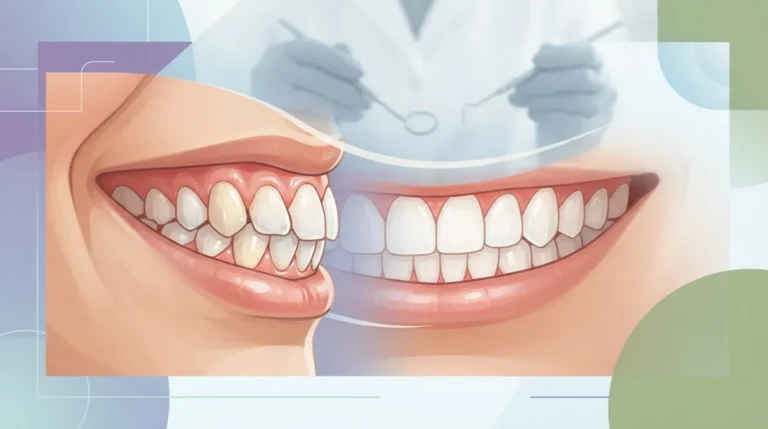
Here’s the part that surprises a lot of people. Braces and clear aligners aren’t just for straight teeth and pretty smiles. They can also help fix the bite problems that contribute to jaw pain.
When your teeth don’t fit together correctly, your jaw muscles have to work overtime to compensate. Over time, that extra strain leads to soreness, clicking, and headaches. By gently shifting your teeth into proper alignment, an orthodontist can help your jaw joints sit in a more balanced position.
Steps Involved in TMJ-Focused Orthodontic Care
- Comprehensive evaluation of your bite, jaw movement, and any clicking or popping sounds
- Digital imaging to see exactly how your teeth and jaw line up
- A custom treatment plan, which might include braces, aligners, or a combination approach
- Regular monitoring to track how your jaw responds as your teeth shift
- Follow-up care, including a retainer, to maintain your new alignment long-term
This process is very similar to what happens during any orthodontic evaluation, just with extra attention paid to your jaw joint and muscle function.
Common Symptoms That Point to TMD
How do you know if what you’re feeling is actually TMD? Here are the signs orthodontists look for:
- Pain or tenderness in your jaw, especially near your ears
- Clicking, popping, or grinding sounds when you chew or open your mouth
- Frequent headaches, especially in the morning
- Neck and shoulder aches that don’t have an obvious cause
- A jaw that feels stuck or locked at times
- Difficulty opening your mouth all the way
If several of these sound familiar, it’s worth scheduling a visit. Catching the problem early usually means simpler, faster treatment.
Conservative Treatments Come First
Here’s some reassuring news: surgery is rarely the first option. Most orthodontists, including our team at Segovia Orthodontics, start with gentle, non-invasive approaches. Only when those don’t work do we consider anything more involved.
Common first-line treatments include:
- Custom night guards to prevent grinding and clenching while you sleep
- Physical therapy exercises to relax and strengthen jaw muscles
- Dietary adjustments, like avoiding hard or chewy foods during flare-ups
- Stress management techniques, since tension often shows up in the jaw
- Orthodontic correction of the bite when misalignment is the root cause
Surgery is truly a last resort, reserved for cases that don’t improve with these more conservative steps.
Why Fixing the Bite Matters Long-Term
A night guard can ease pain temporarily, but it doesn’t fix the underlying issue. Think of it like a pair of crutches. Helpful in the moment, but not a permanent solution.
Orthodontic treatment, on the other hand, works to correct the actual alignment problem. That means once treatment is complete and you’re wearing your orthodontic retainer as directed, your jaw joint has a real shot at staying balanced for good.
Who Is Most Likely to Benefit From TMJ Orthodontic Care?
TMD doesn’t discriminate by age, but certain groups tend to notice symptoms more often. Here’s a quick rundown:
- Teens and young adults who grind their teeth due to stress from school or exams
- Adults in demanding careers who clench their jaw during long workdays
- Parents juggling multiple responsibilities, leading to tension headaches
- Adults who had braces years ago and are noticing their bite has shifted, sometimes called orthodontic relapse
- Anyone preparing for a big event, like a wedding or graduation, who wants to feel and look their best
If you fall into any of these categories, you’re exactly the kind of patient who benefits most from a thorough evaluation. And if it’s been a while since your last set of braces, our page on adult orthodontics mistakes to avoid is a great next read.
Treatment Options That May Help TMJ Symptoms
At Segovia Orthodontics, we offer a range of treatment options that can be part of a TMD-focused plan, depending on your specific needs.
LightForce Braces
LightForce Orthodontics uses fully digital, 3D-printed brackets custom-made for your teeth. This precision approach means Dr. Segovia can make real-time adjustments and often reduce treatment time by up to 45%. For patients whose jaw pain stems from a complex bite issue, this level of customization can make a real difference. Learn more about LightForce Orthodontics and how it works.
Angel Aligners
For adults who want a more discreet option, clear aligners like Angel Aligners can gently shift teeth into better alignment without visible metal brackets. Their unique wear schedule can speed up treatment, which is great news if you’re balancing a demanding job or busy family life.
WildSmiles Braces for Kids and Teens
If your child is dealing with jaw discomfort tied to a developing bite issue, WildSmiles Braces make the process more fun with customizable bracket shapes. Addressing bite problems early can help prevent more serious TMD symptoms down the road.
What to Expect at Your First Visit
Walking into a new office can feel a little nerve-wracking, especially if you’re already dealing with pain. Here’s what typically happens during your first orthodontic visit focused on jaw concerns:
- You’ll describe your symptoms and answer questions about when the pain started
- Dr. Segovia will examine your bite, jaw movement, and listen for clicking or popping
- Digital scans or X-rays may be taken to get a clear picture of your jaw joint
- You’ll discuss treatment options together, based on what’s causing your discomfort
- A personalized plan will be created, with realistic timelines and next steps
Dr. Flor Segovia is a board-certified orthodontist, meaning she’s completed extensive additional training beyond dental school. You can read more about her credentials on our Orthodontist Flor Segovia page, and you can verify board certification standards through the American Board of Orthodontics.
Why Choose a Family-Friendly Practice for TMJ Care
Jaw pain can affect anyone in your household, from a stressed-out teenager to a parent managing work deadlines. That’s why having a practice that treats every age group under one roof is so convenient.
Here’s what makes a family-focused approach so valuable:
- You can schedule appointments for multiple family members more easily
- Kids feel comfortable in an environment they’re already familiar with
- Bilingual care in English and Spanish makes communication easier for many families in our community
- Flexible orthodontic financing options help make treatment accessible
- Advanced technology means faster, more comfortable treatment for everyone
Our team uses advanced orthodontic technology to make every visit as smooth as possible, whether you’re there for jaw pain or a routine checkup.
Taking the Next Step Toward Relief
Living with jaw pain, headaches, or that annoying clicking sound doesn’t have to be your new normal. A skilled TMJ orthodontist can look past the symptoms and find the real cause, then build a plan to fix it for good.
If you’re in the Bradenton or Lakewood Ranch area and ready to feel better, our friendly team is here for you. You can request an appointment online, or simply call us at 941-557-1333 to chat with our team about your symptoms. We’d also love for you to visit us on Google — Segovia Orthodontics to see what our patients have to say, or follow along with our smile journeys on our Facebook page and our Instagram page. You deserve a comfortable jaw and a confident smile, and we’re honored to help you get there.
FAQs
Q: What is the difference between TMJ and TMD in orthodontic treatment?
A: Great question, and one we hear all the time! TMJ is just the name of the joint connecting your jaw to your skull. TMD is the actual disorder or dysfunction happening in that joint. So when people say they have TMJ, they usually mean TMD.
Q: Can orthodontics fix TMJ pain and jaw misalignment in Bradenton?
A: Yes, in many cases! When jaw pain comes from a misaligned bite, correcting that alignment with braces or clear aligners can ease the strain on your jaw joint. Our team at Segovia Orthodontics evaluates each case individually to see if this approach fits your needs.
Q: What are the symptoms of Temporomandibular Disorder (TMD)?
A: Common signs include jaw pain, clicking or popping when you chew, frequent headaches, and even neck or ear discomfort. Some people also notice their jaw feels stuck or hard to open fully. If this sounds familiar, it’s worth getting checked out.
Q: Is surgery necessary for TMJ treatment, or are there non-invasive options?
A: The good news is surgery is almost always a last resort. Most patients find relief through conservative options like night guards, physical therapy, and orthodontic bite correction. We always start gentle and only consider more involved options if needed.
Q: Do night guards help with TMJ disorder caused by teeth grinding?
A: Absolutely, night guards can be a helpful first step, especially if grinding happens while you sleep. They protect your teeth and ease muscle tension. That said, they treat the symptom, so pairing them with orthodontic care can address the root cause too.
Our Service Area