Key Takeaways
-
Spacing between teeth has multiple underlying causes—small teeth in large jaws, missing teeth, abnormal frenum attachment, thumb sucking, and gum disease—so orthodontists must diagnose the root cause before treatment to prevent relapse.
-
Modern treatment options include traditional braces (12-24 months), LightForce custom braces (up to 45% faster), and clear aligners like Angel Aligners (4-12 months for mild cases), allowing patients to choose based on severity and lifestyle needs.
-
Severe spacing cases are 21 times more likely to require aligner refinement compared to mild cases, and moderate cases are 5 times more likely, making early intervention and treatment compliance critical for success.
-
Gaps can reappear after treatment if the original cause isn't addressed and proper retention isn't maintained, particularly relevant for adults whose previous braces results have shifted over time.
-
About 51.8% of males and 45.5% of females experience spaced dentition, with spacing occurring in both upper and lower jaws in 49.5% of cases, making it a common orthodontic concern rather than an embarrassing abnormality.
-
An orthodontic evaluation includes visual exams, photographs, X-rays, and sometimes 3D digital scans to create a personalized treatment plan, with additional procedures like composite bonding, veneers, or frenectomy sometimes needed for complete correction.
Do you notice a gap between your front teeth every time you smile at a photo? You’re far from alone. Studies show spaced dentition shows up in about 51.8% of males and 45.5% of females, though it tends to become less common as people get older. If you’ve been searching for a spacing problem orthodontist, this guide will walk you through why gaps happen, how they get fixed, and what to expect along the way.
Whether you’re a busy mom watching your child’s smile change, a young professional tired of hiding your smile in photos, or an adult whose old braces results have started to shift, this article has answers for you. We’ll cover causes, treatment options, timelines, and how a practice like Segovia Orthodontics in Lakewood Ranch approaches spacing problems with care and precision.
What Exactly Is a Spacing Problem in Orthodontics?
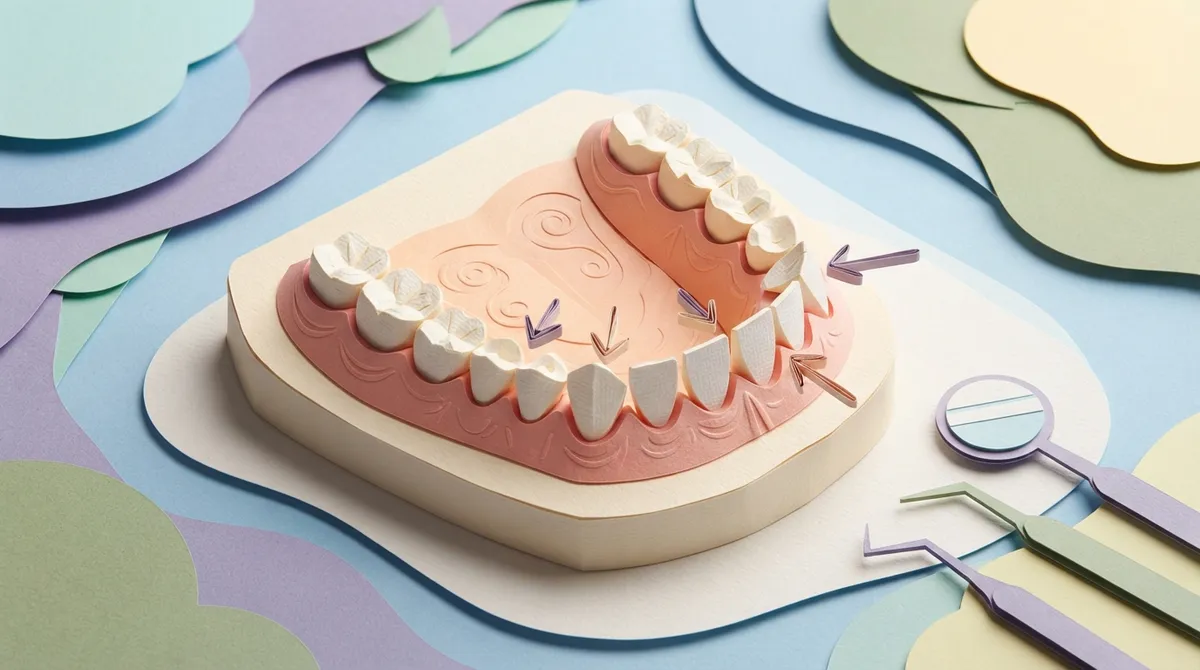
A spacing problem means there’s a visible gap between two or more teeth. When this gap sits between your two front teeth, dentists call it a diastema. But spacing can show up anywhere in your mouth, not just up front.
Here’s something interesting: spacing isn’t always a “problem.” Some patients have naturally spaced teeth that never cause issues. It only becomes a concern when it affects your bite, your speech, your gum health, or how confident you feel about your smile.
How Common Is Teeth Spacing, Really?
Spacing is more common than most people think. Research shows wide variation across different populations, with upper jaw spacing prevalence ranging anywhere from 1.8% to 62.2% depending on the group studied. In terms of where the gaps show up, one study found:
- Spaces in both the upper and lower jaw in 49.5% of cases
- Spacing only in the upper jaw in 34.3% of cases
- Spacing only in the lower jaw in 16.2% of cases
- Higher rates in younger patients compared to older adults
- Roughly even distribution between growing children and some adult populations
These numbers show that gaps between teeth are a normal part of many people’s orthodontic journey, not something to feel embarrassed about.
What Causes Spacing Between Teeth?
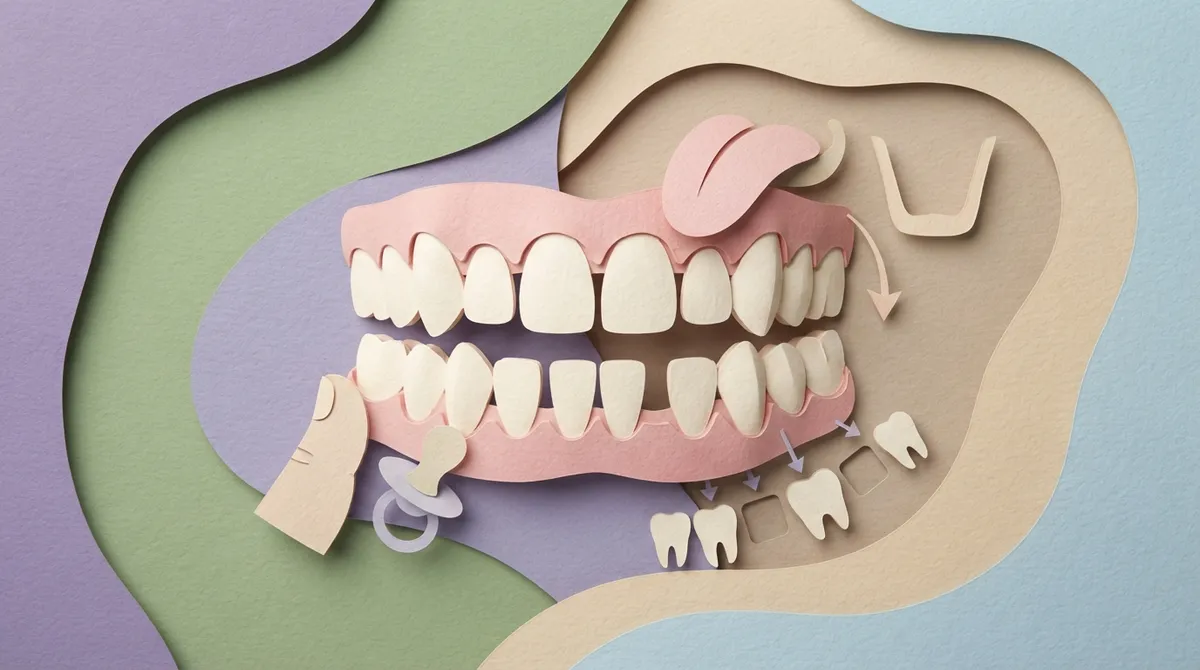
Before jumping into treatment, your orthodontist needs to know why the gap is there in the first place. The cause determines the fix. Here are the most common reasons behind spacing problems:
- Small teeth in a large jaw: When your teeth are smaller than the space available in your jawbone, gaps naturally form between them.
- Missing teeth: If a tooth never developed or was lost, the neighboring teeth may drift apart, leaving noticeable spaces.
- Jaw size mismatch: Sometimes the upper and lower jaws don’t line up in proportion, creating extra room that shows up as spacing.
- Abnormal frenum attachment: The frenum is the small piece of tissue connecting your lip to your gums. If it’s positioned too low, it can push teeth apart, especially the two front teeth.
- Habits like thumb sucking or tongue thrusting: Repeated pressure from these habits can gradually push teeth out of position.
- Gum disease: Periodontal issues can weaken the tissue and bone supporting your teeth, allowing them to shift and separate over time.
Because these causes are so different, your orthodontist will look closely before recommending anything. Our team walks through what happens during an orthodontic evaluation so you know exactly what to expect.
How Does an Orthodontist Diagnose a Spacing Problem?
Getting the diagnosis right matters just as much as the treatment itself. Here’s the typical process your orthodontist follows:
- A visual and hands-on clinical exam of your teeth, gums, and bite
- Photographs to document the current spacing and track future progress
- X-rays to check root positions, bone levels, and any hidden or missing teeth
- In some cases, 3D digital scans for a highly detailed treatment plan
- A discussion about your goals, habits, and any concerns you have
This full picture helps your orthodontist decide whether braces, aligners, or a combination approach will work best for your specific gap.
Treatment Options for Closing Gaps Between Teeth
The good news? Modern orthodontic care has excellent tools for closing spaces between teeth. Here’s a breakdown of your options.
Braces for Spacing Problems
Traditional metal braces have been closing gaps for decades because they offer precise, continuous control over tooth movement. If you have a child who needs treatment, our office also offers WildSmiles Braces, which use fun bracket shapes like stars, hearts, and even Mickey Mouse designs to make treatment more exciting for kids and teens.
For patients who want a more discreet option without sacrificing precision, LightForce Orthodontics offers fully custom, 3D-printed brackets designed specifically for your teeth. This advanced orthodontic technology can reduce treatment time by up to 45% compared to traditional approaches, while also offering clear or white brackets that blend in naturally.
Clear Aligners for Spacing Problems
Many young professionals and busy adults prefer clear aligners because they’re nearly invisible and removable for eating and brushing. Angel Aligners, one option available at our practice, uses a smart “7+3” wear schedule alternating between flexible and firmer trays, which can speed up tooth movement and reduce the number of office visits needed.
Here’s a quick comparison to help you understand the differences between treatment types:
| Treatment Type | Best For | Visibility | Typical Timeline |
|---|---|---|---|
| Traditional Metal Braces | Complex spacing, kids and teens | Visible | 12-24 months |
| LightForce Custom Braces | Precision cases, discreet look | Low visibility | Often faster, up to 45% quicker |
| Clear Aligners (Angel Aligners) | Mild to moderate spacing, adults | Nearly invisible | 4-12 months for mild cases |
| Combined Treatment | Missing teeth, frenum issues | Varies | Longer, case dependent |
Additional Treatments Sometimes Needed
Some spacing cases need more than braces or aligners alone. Depending on the cause, your orthodontist might recommend:
- Composite bonding to add width to smaller teeth after spaces close
- Veneers for a cosmetic finishing touch on front teeth
- A frenectomy, a simple procedure to adjust an abnormal frenum attachment
- Restorative options like a dental implant or bridge for a missing tooth
- Custom orthodontic retainers to prevent the gap from reopening
How Long Does It Take to Close a Gap?
Timelines vary quite a bit depending on how severe the spacing is. Mild spacing often closes in about 4 to 12 months. Broader spacing treated with braces may take 12 to 24 months to fully correct.
Research on adult spacing treatment also found something important: severe spacing cases were nearly 21 times more likely to need additional aligner refinement compared to mild cases. Moderate spacing cases were about 5 times more likely to need refinement. This is why patience and following your orthodontist’s plan really pays off.
Can Gaps Come Back After Treatment?
Yes, unfortunately they can, which is why retention is such a critical final step. If the original cause of the spacing (like a habit or an untreated frenum) isn’t addressed, teeth can drift back toward their old positions.
This is especially relevant for adult relapse patients who had braces years ago and are now seeing old gaps reappear. If this sounds like you, don’t feel discouraged. Plenty of adults revisit orthodontic treatment successfully, and our page on adult orthodontics covers exactly what that process looks like.
Who Should See a Spacing Problem Orthodontist?
Wondering if your gap is worth addressing? Consider scheduling a consultation if you notice any of these:
- A gap between your front teeth that bothers you cosmetically
- Food frequently getting stuck between certain teeth
- Difficulty biting or chewing properly
- Speech changes, like a slight whistle or lisp
- Gum irritation around spaced teeth
- A gap that seems to be getting wider over time
Parents often ask when to bring in kids for an evaluation. Early treatment can sometimes prevent spacing from becoming a bigger issue later. Our guide on early orthodontic treatment explains the ideal age range for a first visit.
Why Choose Segovia Orthodontics for Spacing Problems?
Dr. Flor Segovia is a board-certified orthodontist, credentialed through the rigorous standards set by the American Board of Orthodontics. She provides bilingual care in English and Spanish, which makes families across Lakewood Ranch feel comfortable and understood from the very first visit.
Whether your child needs playful WildSmiles brackets, you’re a professional wanting the discreet precision of LightForce braces, or you’re exploring Angel Aligners for a faster, budget-friendly path to a gap-free smile, our team tailors every plan around your goals. Learn more about why families choose us for their orthodontic care.
Curious what other patients experience here? You can visit us on Google — Segovia Orthodontics to read real reviews, or follow along with smile transformations on our Facebook page and our Instagram page.
Preparing for Your First Visit
If you’re ready to take the first step, here’s what typically happens at your first orthodontic visit:
- You’ll fill out a brief health and dental history form
- Dr. Segovia will examine your teeth, bite, and gum health
- Photos and X-rays will be taken to understand the full picture
- You’ll discuss treatment options that fit your lifestyle and budget
- A personalized plan and timeline will be created just for you
Many patients also want to know about cost. Our team offers flexible orthodontic financing options, so a beautiful, gap-free smile stays within reach no matter your budget.
Final Thoughts on Fixing Spacing Problems
Gaps between teeth are common, treatable, and nothing to feel self-conscious about. Whether the cause is small teeth, a stubborn habit, or a tooth that’s gone missing, there’s a path forward that fits your life and your smile goals.
From playful WildSmiles braces for kids to fast, discreet LightForce technology and budget-friendly Angel Aligners for adults, Segovia Orthodontics at Lakewood Ranch has treatment options for every age and every type of spacing concern. Ready to close that gap for good? Request an appointment today, or call us at 941-557-1333 to speak with our friendly team about your options.
FAQs
Q: What causes spacing between teeth?
A: Spacing can come from small teeth in a larger jaw, missing teeth, jaw size mismatches, an abnormal frenum attachment, habits like thumb sucking, or gum disease. Your orthodontist will figure out the exact cause before recommending treatment, so you get a plan built just for you.
Q: Can an orthodontist fix gaps between teeth?
A: Absolutely, yes! Orthodontists use braces, clear aligners, and sometimes combined treatments like bonding or a frenectomy to close gaps successfully. Most patients see real, lasting results with the right personalized plan.
Q: Do braces close spacing faster than clear aligners?
A: It really depends on the case. Mild spacing may close in 4 to 12 months with either option, while braces for broader spacing often take 12 to 24 months. Your orthodontist can give you a clearer timeline once they’ve evaluated your specific gap.
Q: Can tooth gaps come back after orthodontic treatment?
A: They can if the original cause isn’t fully addressed, like an untreated frenum or ongoing habit. That’s exactly why wearing your retainer as directed is so important for keeping your new smile in place long-term.
Q: Is a frenum the reason for a gap between front teeth?
A: Sometimes, yes! An abnormal frenum attachment (the tissue connecting your lip to your gums) can push front teeth apart. If this is the cause, a simple procedure called a frenectomy is often paired with braces or aligners for a lasting fix.
Our Service Area