Key Takeaways
-
Adult patients noticing new or widening gaps should seek prompt evaluation, as this can signal early periodontal disease requiring immediate attention rather than just cosmetic correction.
-
Modern treatment options like LightForce braces can reduce treatment time by up to 45% compared to traditional braces, while clear aligners like Angel Aligners use a 7+3 schedule to accelerate tooth movement and reduce office visits.
-
Small gaps of 1-1.5mm caused by tooth-size differences can often be closed with composite bonding in just 1-2 visits, offering a faster alternative to full orthodontic treatment for specific cases.
-
Children's gaps of 2mm or less may close naturally as permanent canine teeth erupt, but larger gaps typically require active orthodontic treatment to prevent long-term spacing issues.
-
Consistent retainer wear after treatment is essential to prevent relapse, as teeth naturally shift over time and gaps can reappear if the original cause wasn't fully addressed.
-
A thorough orthodontic evaluation using X-rays, digital scans, and bite assessment is critical to identify the root cause of spacing (frenum, missing teeth, gum disease, etc.) rather than treating only the visible symptom.
Ever caught yourself smiling with your lips pressed together to hide that gap between your front teeth? You’re definitely not alone. Whether you’re a parent watching your child’s smile change, a professional preparing for an important presentation, or an adult who’s noticed a gap widening over time, questions about teeth spacing correction pop up more often than you’d think. The good news? Modern orthodontic care makes fixing gaps easier, faster, and more comfortable than ever before.
At Segovia Orthodontics in Lakewood Ranch, we see patients of every age dealing with spacing concerns. Some gaps are harmless and even charming. Others signal something worth investigating. This guide walks you through what causes teeth spacing, how it’s diagnosed, and which treatments actually work. Let’s get you smiling with confidence again.
What Exactly Is Teeth Spacing?
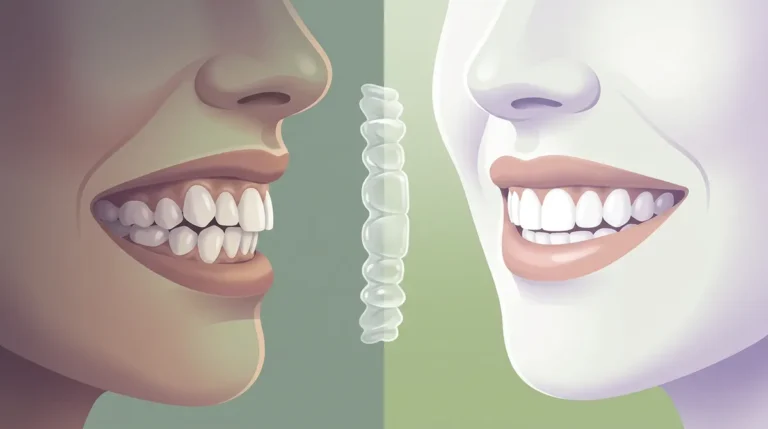
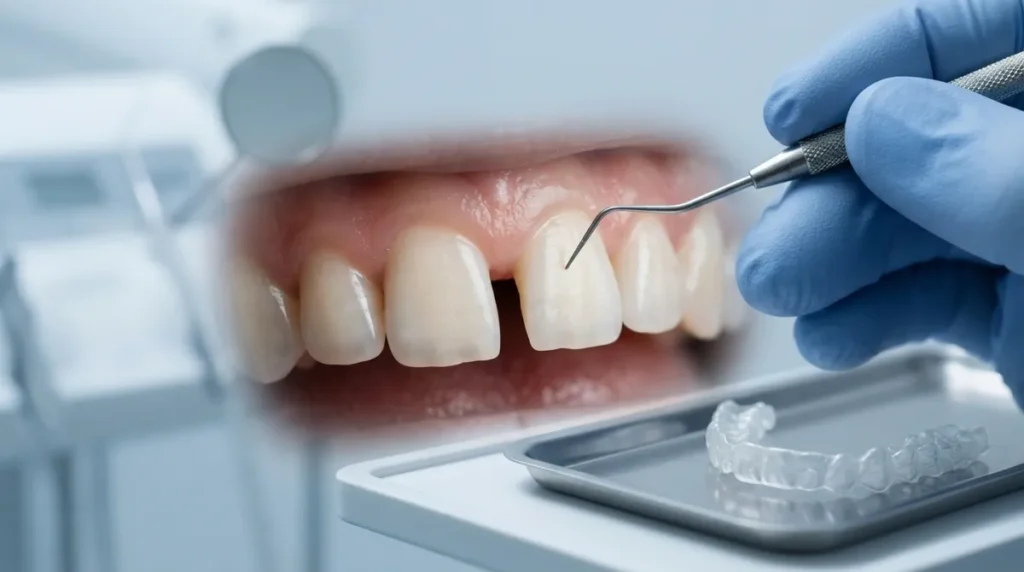
Teeth spacing, also called dental spacing or diastema, simply means there’s a visible gap between two or more teeth. The most common type is a midline diastema, which is the space between your two upper front teeth. You’ve probably seen this on celebrities and it can look totally natural.
But spacing isn’t always just a cosmetic quirk. Sometimes it points to an underlying dental issue that needs attention. That’s why an accurate diagnosis matters so much before jumping into any treatment plan.
Common Causes Behind Gapped Teeth
Gaps between teeth don’t just appear randomly. There’s usually a reason, and understanding the cause helps your orthodontist pick the right fix. Here are the most frequent culprits:
- Normal tooth development, especially in young children whose permanent teeth haven’t fully grown in yet
- Missing or undersized teeth that leave extra room in the smile
- A thick or low-positioned labial frenum (the tissue connecting your lip to your gums)
- Mismatched tooth size compared to jaw size
- Tongue-thrusting habits or resting the tongue against the front teeth
- Impacted or extra (supernumerary) teeth pushing others out of place
- Gum disease, which can cause teeth to shift and create new gaps
If you’re an adult and notice a new gap forming, or an existing one getting wider, don’t ignore it. This can be an early sign of periodontal disease, and it deserves a dental checkup sooner rather than later.
How Orthodontists Diagnose Spacing Issues
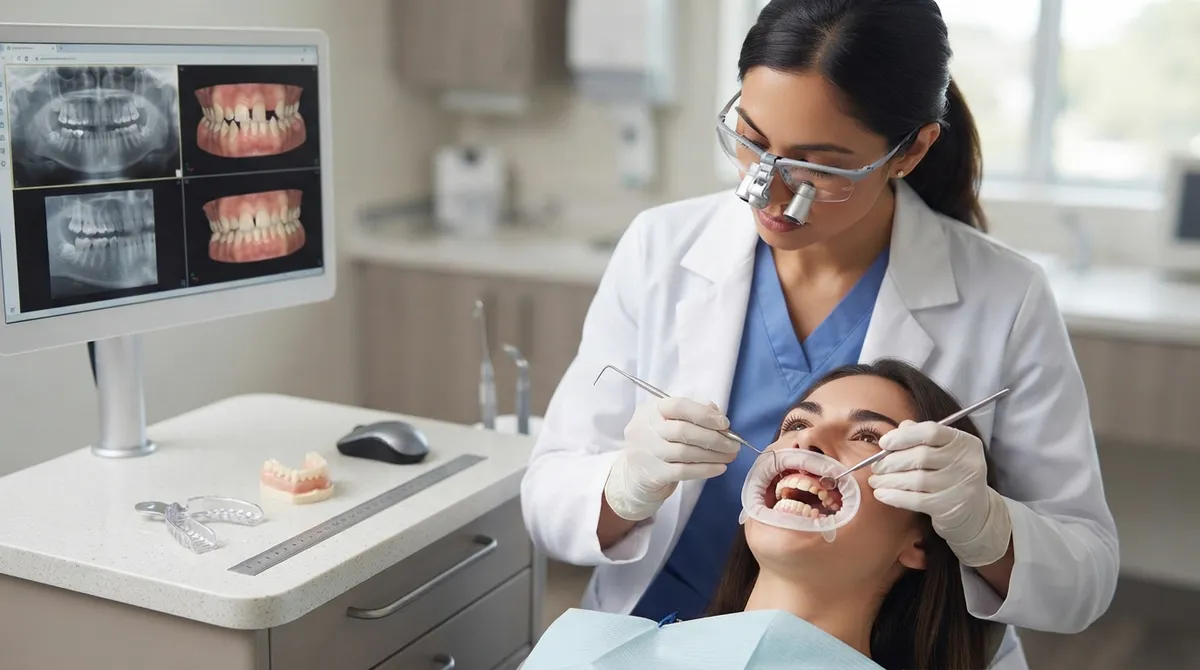
You might think a gap is just a gap, but there’s a lot more going on beneath the surface. A proper orthodontic evaluation looks at several factors before recommending treatment.
What Your Orthodontist Checks During an Evaluation
- The size and exact location of the gap or gaps
- How your teeth and jaw relate to each other
- Your bite alignment, including any overbite or crossbite concerns
- Whether there’s a tooth-size discrepancy affecting your smile
- Your gum and periodontal health
- Any missing, impacted, or extra teeth
- Your age and growth stage, especially important for kids and teens
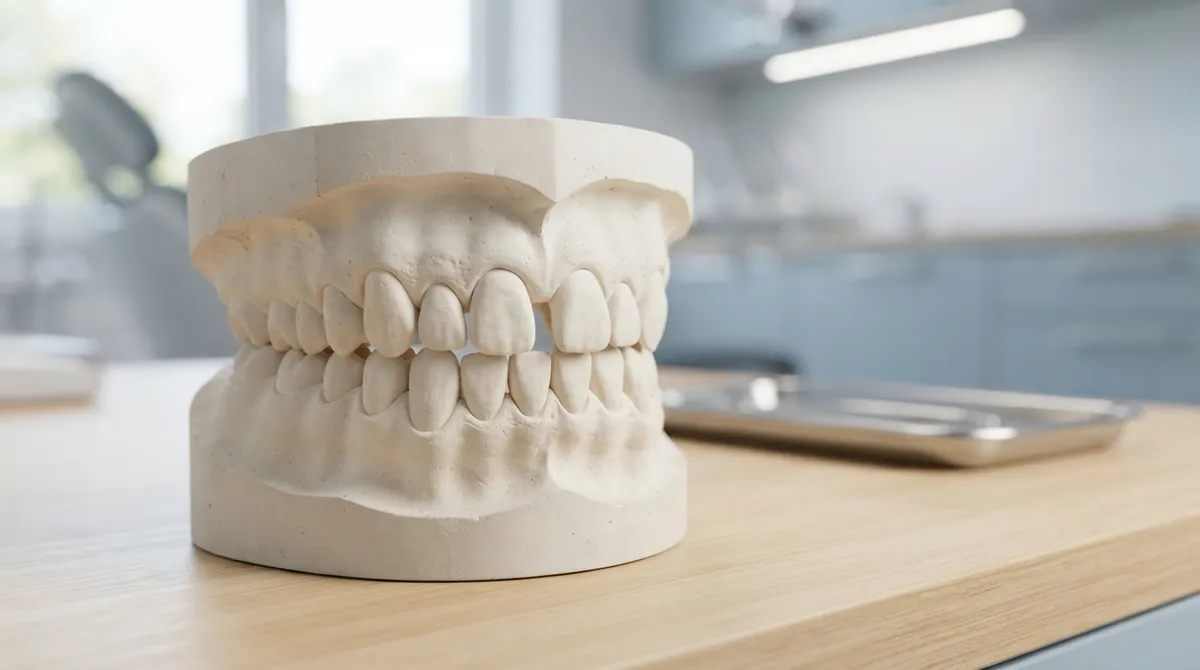
This assessment often includes photographs, digital scans or models, and dental X-rays. It’s a thorough process, but it ensures your treatment plan actually addresses the root cause instead of just the visible symptom.
Treatment Options for Closing Gaps
Once your orthodontist understands what’s causing your spacing, they can recommend the most effective treatment. The right choice depends on the gap’s size, cause, your age, and your overall dental health.
Traditional and Modern Braces
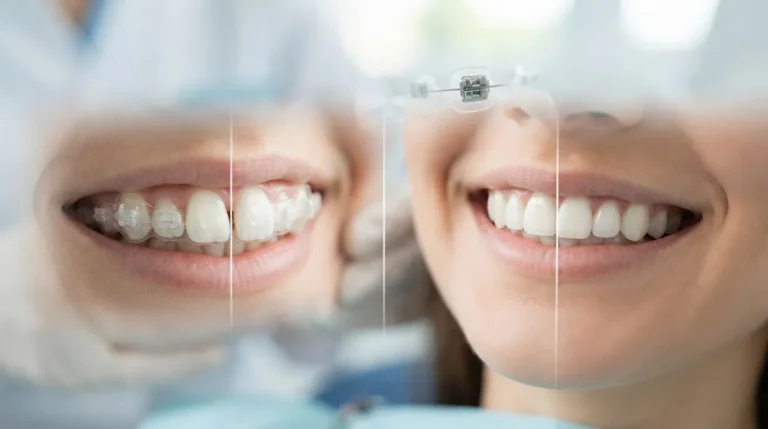
Braces remain one of the most reliable ways to close gaps, especially when spacing occurs alongside crowding, bite issues, or rotated teeth. At our office, we offer exciting options like WildSmiles Braces, which feature fun bracket shapes for kids and teens. Choices include Super-Star, Flower-Power, Baller, Wild-Hearts, Footballer, and Super-Diamond designs. Disney fans especially love the Mickey Mouse brackets paired with Frozen or Finding Nemo elastics.
WildSmiles brackets aren’t just fun to look at. Their unique shape actually helps reduce plaque buildup, making brushing more effective. If the bracket shape is clearly visible after brushing, that’s a great sign your child is doing a thorough job.
For patients wanting a more discreet, digitally customized option, LightForce Orthodontics offers fully custom, 3D-printed brackets designed to fit your exact tooth structure. This advanced system can reduce treatment time by up to 45% compared to traditional one-size-fits-all braces, while also offering clear or white bracket options for a subtler look.
Clear Aligners for Discreet Correction
Many adults and busy professionals prefer clear aligners for closing mild-to-moderate gaps without visible metal brackets. We offer Angel Aligners, which use a unique 7+3 wear schedule (seven days with a flexible tray, then three days with a firmer one) to help accelerate tooth movement. This can mean fewer office visits and a faster path to your goal.
Angel Aligners also feature a frosted finish that minimizes shine and visibility, plus flexible materials designed to reduce irritation. Many patients find them more budget-friendly than other premium aligner brands while still using comparable digital treatment planning technology.
A 2025 case report published in PMC described an adult patient whose multiple anterior spacing issues were corrected using clear aligners over 16 months. While every case is different, this shows how effective modern aligner technology can be for adult spacing concerns.
Restorative Options for Small Gaps
Not every gap requires full orthodontic treatment. Small spaces caused mainly by tooth-size differences might be treated with composite bonding or veneers instead. Research suggests gaps of roughly 1 to 1.5 millimeters may sometimes be closed restoratively with direct composite bonding, though the right approach always depends on your bite, enamel condition, and overall smile goals.
When a Frenectomy Might Be Needed
If an unusually thick or low frenum is contributing to a persistent gap between your front teeth, your orthodontist might recommend a frenectomy. This isn’t automatic for every diastema. It’s typically planned alongside orthodontic or restorative treatment when the frenum is clearly part of the problem.
Teeth Spacing Correction Timeline: What to Expect
One of the most common questions we hear is, “How long will this actually take?” The honest answer is that it varies quite a bit depending on your specific situation.
| Treatment Type | Typical Timeline | Best For |
|---|---|---|
| Composite bonding | 1-2 office visits | Small gaps (1-1.5mm) from tooth-size discrepancy |
| Clear aligners | 6-16+ months | Mild-to-moderate spacing, adult patients wanting discretion |
| Traditional or LightForce braces | 6-30 months | Spacing combined with crowding or bite issues |
| Frenectomy + orthodontics | Varies by case | Gaps caused by prominent frenum tissue |
According to NHS orthodontic guidance, treatment commonly produces good results within about 6 to 30 months. Simpler spacing-only cases may resolve faster, while more complex situations involving bite correction take longer. Your orthodontist will give you a personalized estimate after your evaluation.
Will My Child’s Gap Close on Its Own?
This is such a common worry for parents, and it’s a great question. According to a review from the American Academy of Pediatric Dentistry, gaps of 2 millimeters or less in the upper front teeth may close naturally as permanent canine teeth come in, especially when there’s no deep bite involved. Gaps larger than 2 millimeters more often need active treatment.
Lower jaw gaps are a bit different. These are commonly linked to tongue-thrust habits or resting the tongue too low. If you’re noticing this pattern with your child, an early orthodontic treatment evaluation can help determine if intervention is needed now or if watchful waiting makes more sense.
Preventing Relapse After Treatment
Here’s something we always tell our patients: closing a gap is only half the journey. Keeping it closed is just as important. Teeth naturally want to shift over time, and if the original cause of your spacing wasn’t fully addressed, that gap can slowly creep back.
This is why orthodontic retainers are non-negotiable after active treatment. Whether you get a fixed retainer, a removable one, or both, consistent wear (often nightly, long-term) is the best defense against relapse. Think of retainers as your smile’s insurance policy.
Quick Tips to Protect Your Results
- Wear your retainer exactly as instructed, even years after treatment ends
- Keep up with regular dental checkups to catch gum issues early
- Avoid habits like tongue-thrusting or nail-biting that can shift teeth
- Replace worn or damaged retainers right away instead of waiting
- Tell your orthodontist immediately if you notice any new spacing
Who Benefits Most From Spacing Correction?
Teeth spacing correction isn’t just about appearances, though a confident smile is a wonderful bonus. Here’s a quick breakdown of who tends to seek this treatment and why:
- Parents of young children: Want to know whether a gap is developmental or needs early intervention
- Young professionals: Prefer discreet clear aligner treatment that fits a busy work schedule
- Adults planning big life events: Weddings, graduations, and job interviews often motivate people to finally close a longstanding gap
- Adults with treatment relapse: Previously had braces but experienced shifting and want a lasting fix this time
- Anyone noticing a new or widening gap: Needs prompt evaluation to rule out gum disease
No matter which category you fall into, the first step is always the same: getting a proper evaluation from a qualified orthodontist. Dr. Flor Segovia, a board-certified orthodontist, has the training and experience to determine exactly what’s causing your spacing and which path makes the most sense for your lifestyle and goals. You can verify credentials for any orthodontist through the American Board of Orthodontics, which sets rigorous standards for the profession.
Why Choose Segovia Orthodontics for Your Smile Journey
We know choosing where to get treatment feels like a big decision. Our Lakewood Ranch practice combines advanced orthodontic technology with a warm, family-friendly atmosphere where patients of all ages feel comfortable. From WildSmiles braces that make kids excited about treatment to LightForce’s digital precision and Angel Aligners’ discreet comfort, we tailor every plan to fit your unique needs.
Curious what other patients think? You can visit us on Google — Segovia Orthodontics to read real reviews from our Lakewood Ranch community. We also love connecting with patients on our Facebook page and sharing smile transformations on our Instagram page.
Your Next Step Toward a Gap-Free Smile
Teeth spacing correction doesn’t have to be confusing or intimidating. Whether you’re dealing with a small cosmetic gap or a more complex spacing issue tied to bite problems, there’s a treatment path designed just for you. The key is starting with an honest, thorough evaluation from a trusted orthodontic team.
Ready to explore your options? Request an appointment with our Lakewood Ranch team today, or feel free to contact us with any questions. You can also simply call us at 941-557-1333 to speak with our friendly staff. Your confident, gap-free smile is closer than you think, and we can’t wait to help you get there.
FAQs
Q: What causes gaps between teeth to develop?
A: Gaps can come from lots of things, like normal growth, missing or small teeth, a thick frenum, tongue habits, or even gum disease. That’s why it’s so important to get a proper checkup instead of guessing what’s behind your gap!
Q: Can braces or clear aligners close teeth gaps permanently?
A: They absolutely can close gaps, but keeping them closed long-term really depends on wearing your retainer as directed. Think of your retainer as the loyal sidekick that protects all your hard-earned progress.
Q: How long does teeth spacing correction take?
A: It really depends on your unique case! Simple bonding might take just one visit, while braces or aligners can range from several months to a couple of years. Your orthodontist will map out a timeline just for you during your evaluation.
Q: Will a gap between my child’s front teeth close naturally?
A: Sometimes, yes! Gaps of 2mm or less often close up on their own as those permanent canine teeth come in. Anything larger usually benefits from a friendly chat with an orthodontist to see if early treatment makes sense.
Q: Why did my teeth gap reopen after braces, and how can I prevent it?
A: Teeth naturally want to drift over time, especially if the original cause wasn’t fully resolved or retainers weren’t worn consistently. The best fix moving forward is sticking to your retainer schedule and keeping up with regular checkups.
Our Service Area