

Key Takeaways
-
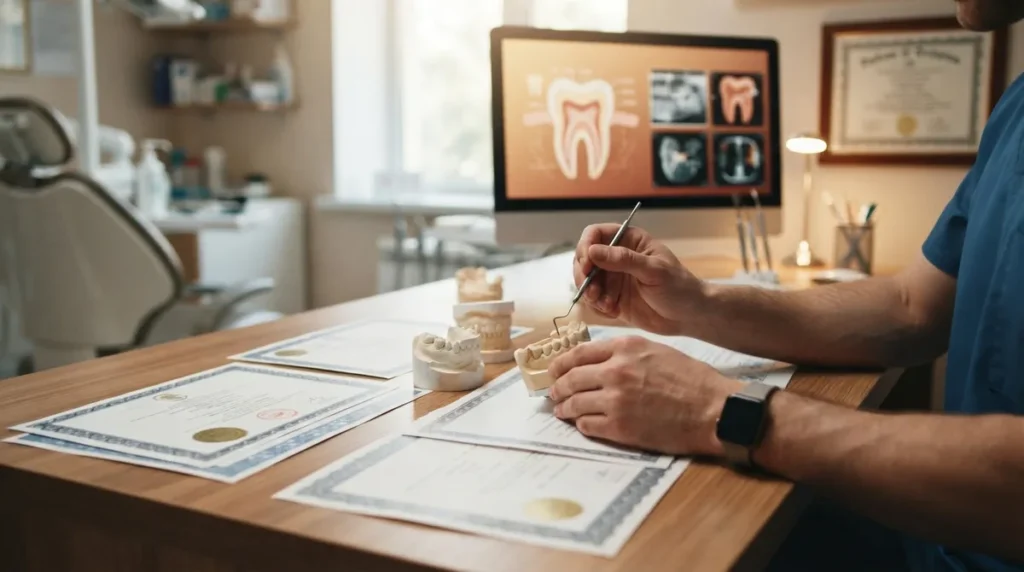
Board certification through the American Board of Orthodontics (ABO) is voluntary but shows an orthodontist has passed additional written and clinical exams beyond mandatory licensing, demonstrating extra commitment to skill and knowledge.
-
Verify your orthodontist's board certification in minutes using the ABO's free public locator tool on their website, then cross-check your state dental board for an active license before committing to treatment.
-
Becoming a certified orthodontist requires approximately 10-11 years of education and training, including dental school and a 2-3 year specialized residency, making certification a meaningful credential of dedication.
-
Board certification is not required to legally practice orthodontics—only a state dental license and completed residency are mandatory—so lack of certification doesn't necessarily indicate poor care quality.
-
Ask treatment providers specific questions about their credentials, training background, treatment options, emergency protocols, and financing during consultations rather than assuming titles alone indicate competency.
-
Red flags include vague answers about credentials, pressure to start treatment without thorough evaluation, unclear cost explanations, and no emergency care system in place between appointments.
Picking someone to straighten your smile is a big decision, and you deserve to feel confident about it. Maybe you’re a mom trying to find the right fit for your seventh grader’s crowded teeth. Maybe you’re an adult who wore braces years ago and now notices your smile has shifted. Or maybe you’re gearing up for a wedding and want a straighter smile before the big day. Whatever brought you here, one question probably keeps popping up: how do you know your orthodontist is actually qualified? Let’s walk through exactly what a certified orthodontist means, why it matters, and how you can check credentials before you commit to treatment.

What Does Certified Orthodontist Actually Mean?
The term “certified orthodontist” usually points to something specific: board certification through the American Board of Orthodontics (ABO). This is the recognized certifying body for the orthodontic specialty in the United States. It’s different from a state dental license, which every practicing orthodontist must have to legally treat patients.
Think of it like this: a license lets someone practice orthodontics legally. Board certification is an extra badge of honor that shows an orthodontist chose to go above and beyond. It’s completely voluntary, which makes it even more meaningful when a doctor pursues it.
The Difference Between Licensed and Board Certified
This mix-up trips up a lot of families, so let’s clear it up right away:
- A licensed orthodontist has completed dental school, finished an accredited orthodontic residency, and passed state licensing requirements.
- A board-certified orthodontist has done all of that, plus passed additional written and clinical exams through the ABO.
- Both types of orthodontists are legally allowed to treat patients.
- Board certification is renewed periodically, showing an ongoing commitment to skill and knowledge.
- Not holding board certification doesn’t mean an orthodontist provides poor care — it simply means they haven’t completed this optional process.
Knowing this difference helps you ask better questions during your first orthodontic visit instead of feeling confused by titles and credentials.
How Someone Becomes a Certified Orthodontist
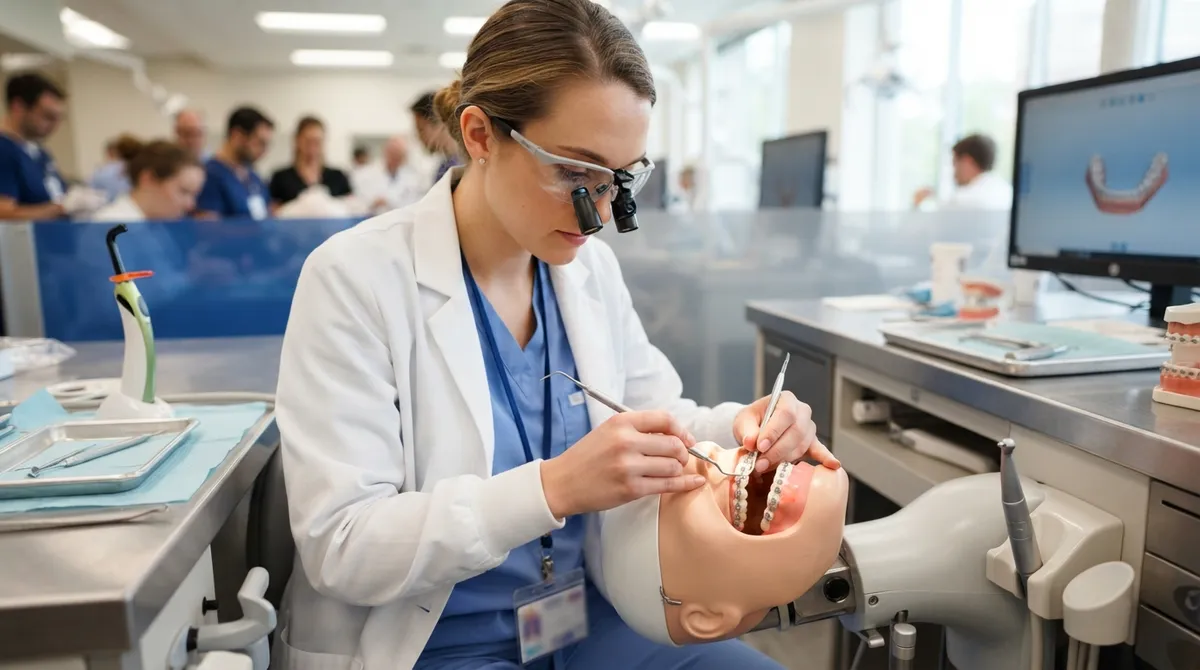
Becoming a certified orthodontist takes years of dedicated study. It’s not a quick certificate you earn over a weekend. Here’s the general path, step by step:
The Education and Training Journey
- Complete a four-year undergraduate degree, usually with a strong science background.
- Graduate from dental school and earn a DDS or DMD degree.
- Get accepted into a Commission on Dental Accreditation (CODA) approved orthodontic residency program.
- Complete two to three additional years of specialized training focused only on orthodontics and dentofacial orthopedics.
- Become eligible for the ABO written exam after finishing the residency, or after completing at least 18 months of it.
- Pass the written examination, which covers orthodontic knowledge, diagnosis, and treatment planning.
- Complete the clinical examination, which reviews real patient cases and treatment outcomes.
- Earn board certification once both exams are successfully passed.
- Renew certification every ten years to stay current, unless holding an older lifetime certification.
That’s roughly ten to eleven years of school and training just to start practicing, plus the extra step of certification. It’s a serious commitment, and it’s part of why choosing a board certified orthodontist gives many families peace of mind.
Why Board Certification Matters for Your Family
You might be wondering if this certification stuff really makes a practical difference. Here’s the honest answer: it’s one piece of a bigger puzzle, but it’s a meaningful piece.
What Board Certification Shows You
- The orthodontist chose to be evaluated by peers on real clinical cases, not just paperwork.
- They’ve committed to ongoing learning and periodic renewal of their skills.
- They’ve demonstrated sound judgment in diagnosis and treatment planning.
- They’ve met a nationally recognized standard beyond basic licensing requirements.
- They stay connected to a professional community focused on best practices.
For busy parents juggling soccer practice and homework, knowing your child’s provider has this extra layer of accountability can bring real comfort. For adults returning for a second round of treatment after their teeth relapsed, it can mean trusting the process a little more easily.
How to Verify Board Certification Yourself
Here’s the good news: you don’t have to just take someone’s word for it. Verifying credentials is simple and only takes a few minutes.
Steps to Check an Orthodontist’s Credentials
- Visit the American Board of Orthodontics website and use their public orthodontist locator tool.
- Search by the orthodontist’s name or practice location.
- Confirm their certification status and renewal date.
- Check your state’s dental board website to confirm an active license.
- Ask the practice directly about their doctor’s training and residency background.
- Look at how long they’ve been practicing and what kind of cases they’ve treated.
Don’t be shy about asking questions at your consultation. A good practice will happily walk you through their doctor’s credentials and training. You can also contact us directly if you have questions about Dr. Flor Segovia’s background and certification.
Credential Comparison at a Glance
Sometimes a simple table makes things click. Here’s a quick breakdown of what each credential really means:
| Credential | Required to Practice? | What It Confirms |
|---|---|---|
| State Dental License | Yes, mandatory | Legal authorization to practice dentistry and orthodontics |
| Orthodontic Residency (CODA-accredited) | Yes, mandatory for specialty practice | Two to three years of specialized orthodontic training |
| ABO Board Certification | No, voluntary | Additional written and clinical exams reviewed by peers |
| Certification Renewal | No, but expected every 10 years for certified doctors | Ongoing commitment to current techniques and standards |
Choosing the Right Orthodontist for Your Situation
Board certification is important, but it’s not the only factor. Here are other things worth considering as you compare providers:
Questions Worth Asking During a Consultation
- What treatment options do you offer, including types of braces and clear aligners?
- How do you handle scheduling for busy families or working professionals?
- What happens if I have an orthodontic emergency after hours?
- Do you offer flexible orthodontic financing options?
- What kind of technology do you use during treatment planning?
- Do you offer bilingual care if that matters for your family?
At Segovia Orthodontics in Lakewood Ranch, Dr. Flor Segovia combines board certification with advanced orthodontic technology, offering families a comfortable and modern experience. Whether you’re exploring LightForce Orthodontics for its custom-fitted, digitally designed brackets, or considering WildSmiles Braces to make treatment more fun for kids, having a certified, experienced doctor guiding the process matters.
Treatment Options a Certified Orthodontist Might Recommend
Once you’ve confirmed credentials, the next step is understanding your treatment choices. A certified orthodontist typically evaluates several factors before recommending a path forward.
Common Treatment Paths
- Traditional metal braces for reliable, budget-friendly correction.
- Clear braces for a more subtle appearance during treatment.
- Clear aligners for adults and teens wanting a discreet option.
- Custom orthodontic retainers to protect results after active treatment ends.
- Early interceptive treatment for younger children showing bite issues.
Every treatment plan should start with a thorough evaluation, addressing everything from crowding and spacing to jaw alignment and bite concerns. A trustworthy provider will walk you through the reasoning behind their recommendation instead of pushing a one-size-fits-all solution.
What This Means for Different Patients
Let’s break down why this topic matters differently depending on where you’re starting from.
For Parents of Kids and Teens
You want a provider who’s not only skilled but also patient with young patients. Board certification paired with a family-friendly office atmosphere makes appointments smoother for everyone involved.
For Young Professionals Seeking Discreet Options
If you’re focused on clear aligners for aesthetic reasons, you’ll want a certified orthodontist experienced specifically in aligner therapy, not just braces.
For Adults Returning After Relapse
If your smile shifted after previous treatment, you already know what commitment to orthodontic care looks like. A board-certified provider brings extra confidence that your second treatment will be planned carefully.
For Life Event Planners
Whether it’s a wedding or graduation on the calendar, ask about faster treatment technology, since some certified orthodontists use tools that can shorten overall treatment time.
Curious what real patients think? You can visit us on Google — Segovia Orthodontics to read reviews from Lakewood Ranch families, or check out our Facebook page and our Instagram page for smile transformations and office updates.
Red Flags to Watch For
While most orthodontic practices are trustworthy, it helps to know what raises concern:
- Vague answers when you ask about credentials or training background.
- Pressure to start treatment immediately without a thorough evaluation.
- No clear explanation of costs, financing, or payment plans.
- Lack of communication about what to expect during each treatment phase.
- No system in place for emergency situations between appointments.
Trust your gut. A good orthodontic office should make you feel informed, not rushed or confused.
Final Thoughts on Finding a Certified Orthodontist
Choosing the right orthodontist is about more than checking a box. It’s about finding someone who combines strong credentials with genuine care for your comfort and goals. Board certification through the American Board of Orthodontics is a wonderful sign of dedication, but pairing that with clear communication, modern technology, and a welcoming office truly makes the difference.
If you’re in the Lakewood Ranch area and ready to take the next step, our team would love to meet you and your family. Feel free to request an appointment today, or call us at 941-557-1333 to ask any questions before booking. Your smile journey deserves a team that’s both qualified and genuinely excited to help you shine.
FAQs
Q: What is a certified orthodontist?
A: A certified orthodontist is someone who has earned voluntary board certification from the American Board of Orthodontics, on top of their required dental license and residency training. It shows they’ve gone through extra written and clinical exams to prove their skills.
Q: Is board certification required to practice orthodontics?
A: Nope! Board certification is completely voluntary. An orthodontist only needs a state dental license and completed residency training to legally practice, but certification shows an extra level of commitment.
Q: How can I verify if my orthodontist is board certified?
A: You can visit the American Board of Orthodontics website and use their public locator tool to search by name or location. It’s quick, free, and gives you real peace of mind before starting treatment.
Q: How long does it take to become a certified orthodontist?
A: It typically takes about ten to eleven years total, including undergraduate studies, dental school, and a two- to three-year orthodontic residency, plus additional time to complete certification exams.
Q: Does board certification guarantee better treatment results?
A: Not exactly, but it does show a strong commitment to ongoing education and clinical excellence. Many wonderful orthodontists without certification still provide excellent care, so it’s one factor among several worth considering.
Our Service Area

