Key Takeaways
-
Verify orthodontist credentials through AAO membership and ABO board certification before booking; these credentials confirm specialized training and commitment to ongoing education, not just flashy marketing.
-
Specialist orthodontists complete 2-3 years of accredited residency training beyond dental school focused on tooth movement and jaw alignment—this specialized education is essential for safe, effective treatment.
-
A quality first consultation should include a full clinical exam, clear diagnosis, multiple treatment options tailored to your lifestyle, honest timeline, and written cost estimate—not a single 'only choice' recommendation.
-
Treatment success depends heavily on practice convenience including flexible appointment times, accessible location, responsive staff, and digital scheduling; patients who find appointments manageable show better compliance and faster results.
-
Adult orthodontic treatment is rapidly growing with clear aligner and discreet bracket options available; modern techniques like 3D-printed custom braces can reduce treatment time by up to 45% compared to traditional methods.
-
Always confirm upfront whether retainers are included in your total treatment cost and establish post-treatment follow-up plans; skipping this detail can lead to teeth shifting back and additional unexpected expenses.
Searching for the best orthodontist can feel a little like online dating—lots of profiles, lots of star ratings, and no clear way to know who’s actually right for you. Should you pick the practice with the flashiest ads? The one your neighbor used? Or is there a smarter way to sort through your options? Good news: there is, and it’s simpler than you think.
Whether you’re a mom trying to squeeze appointments between soccer practice and homework, a young professional dreaming of a discreet smile makeover before a big promotion, or an adult whose teeth have quietly shifted since your teenage braces came off, this guide is for you. We’ll walk through exactly what separates a truly qualified orthodontist from someone who just happens to sell braces. By the end, you’ll feel confident picking a provider who fits your life, your budget, and your smile goals.
What Actually Makes an Orthodontist “the Best”?
Here’s a truth that might surprise you: the best orthodontist isn’t automatically the cheapest one or the one with the most five-star reviews. Those things matter, but they don’t tell the whole story. The real answer involves a mix of training, experience, communication, and how well a practice fits your everyday life.
Think of it like choosing a great mechanic. You wouldn’t just pick the one with the shiniest sign. You’d want someone trained, trustworthy, and easy to reach when something goes wrong. Orthodontic care deserves that same careful thinking, especially since treatment often lasts months or even years.
Specialist Training Is Non-Negotiable
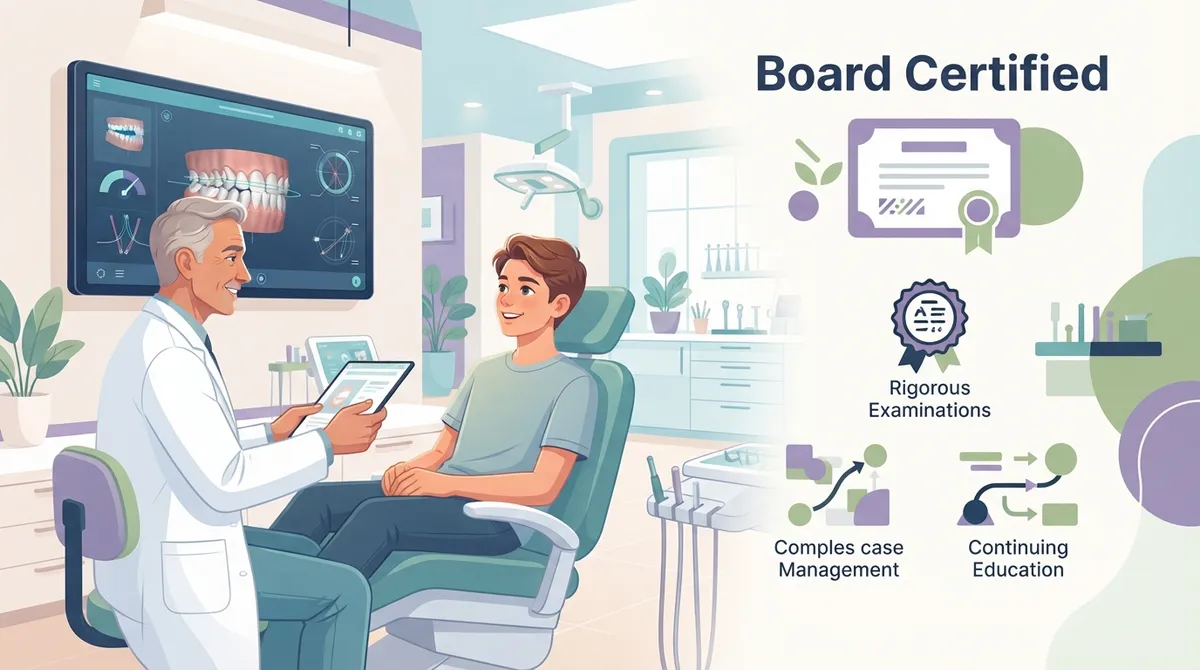
An orthodontist isn’t just a dentist with a fancy title. They’ve completed dental school, then gone on to finish two to three more years of full-time residency training focused only on tooth movement, jaw alignment, and bite correction. This extra training happens in programs accredited by CODA, the group that sets standards for dental education.
This matters because straightening teeth involves more than just moving them into a nicer-looking row. It involves understanding how your jaw grows, how your bite functions, and how to avoid problems down the road. That level of expertise comes from specialized education, not a weekend course.

How to Verify Credentials Before You Book
You wouldn’t hire a babysitter without checking references, so why pick an orthodontist without checking theirs? Luckily, verifying credentials is easier than you might expect.
- Check if the orthodontist is a member of the American Association of Orthodontists. Membership is limited to specialists who completed accredited orthodontic residency programs.
- Look for board certification through the American Board of Orthodontics. This voluntary certification means the orthodontist passed both written and clinical exams.
- Ask how the orthodontist stays current with new technology, like digital scanning or 3D-printed braces.
- Search the AAO Orthodontist Locator tool to confirm specialty training.
- Read patient reviews, but treat them as a bonus, not your main decision-maker.
Board certification isn’t required by law, but it does show something important: this orthodontist chose to go above and beyond. Certification requires renewal every 10 years, meaning they must keep learning throughout their career, according to the American Board of Orthodontics.
AAO Membership vs. Board Certification: What’s the Difference?
People often confuse these two credentials, so let’s clear it up simply.
| Credential | What It Means | Is It Required? |
|---|---|---|
| AAO Membership | Confirms specialist orthodontic training was completed | Voluntary, but limited to true specialists |
| ABO Board Certification | Shows the orthodontist passed extra written and clinical exams | Completely voluntary |
| State Dental License | Legal requirement to practice dentistry or orthodontics | Mandatory |
Both AAO membership and ABO certification are strong signs of a dedicated professional. Neither one alone guarantees perfection, but together they paint a pretty reassuring picture.
Why the Numbers Show More People Need Good Orthodontic Care
Orthodontic treatment isn’t a rare thing anymore. In 2024, roughly 8.45 million patients were in active treatment across the U.S. and Canada, according to AAO research. That’s a lot of smiles in progress.
Even more interesting, adult treatment is climbing fast. The number of adults getting braces or aligners from AAO members jumped from about 1.64 million in 2022 to 1.91 million in 2024. If you’ve been putting off treatment because you think you’re “too old,” you’re actually part of a growing, confident crowd.
- Nearly 9% of U.S. kids ages 8-17 are in treatment with AAO members
- Average patient load per orthodontist rose 21% between 2022 and 2024
- Clear aligner use has expanded treatment options significantly
- Adult treatment numbers continue rising year over year
These numbers tell us something simple: qualified orthodontic care is in high demand, and picking the right provider matters more than ever.
What a Great Consultation Should Look Like
A strong first visit tells you a lot about a practice. If you walk out with more questions than answers, that’s a red flag. Here’s what a thorough consultation typically includes:
- A full clinical exam of your teeth, jaw, and bite
- Clear diagnosis explaining what’s going on and why
- A discussion of your personal goals for treatment
- Recommended treatment options, not just one “only choice”
- An honest timeline for how long treatment will take
- Risks of treatment, and risks of skipping treatment altogether
- Retainer plans for after treatment ends
- A written estimate covering fees and insurance coverage
If you want to understand exactly what happens during an orthodontic evaluation, it helps to walk in prepared with questions. Curious about what to ask? This guide on how to ask the right orthodontic questions can help you feel ready.
Comparing Treatment Options: One Size Never Fits All
A good orthodontist doesn’t push one product on every patient. Instead, they match treatment to your specific teeth, lifestyle, and goals. At Segovia Orthodontics, patients can explore several paths depending on what fits best.
Traditional and Custom Braces
Metal braces remain a reliable, affordable option for many patients, especially kids and teens who need dependable, steady results. For families who want treatment to feel less clinical and more fun, WildSmiles Braces offer playful bracket shapes like stars, hearts, and even Mickey Mouse designs. This small detail can make a big difference in how excited kids feel about brushing and caring for their braces.
For patients who want precision and speed, LightForce Orthodontics uses fully digital, 3D-printed brackets custom-made for each tooth. This approach can cut treatment time by up to 45% compared to traditional one-size-fits-all brackets, while also offering more discreet, clear or white bracket options.
Clear Aligners for Busy, Image-Conscious Adults
If you’re a professional worried about how braces might look during client meetings, clear aligners might be your best friend. Angel Aligners, for example, use a unique 7+3 wear schedule and AI-driven planning to speed up results while keeping costs more manageable than many premium aligner brands.
Curious how aligners stack up against brackets? This comparison of braces vs. clear aligners breaks it down simply.
Questions Every Patient Should Ask Before Starting Treatment
Before committing to any orthodontic plan, ask these questions to avoid surprises later:
- Who will actually perform my adjustments and checkups?
- How often will I need to come in for appointments?
- What happens if I have an emergency, like a broken wire?
- Will missing an appointment delay my treatment timeline?
- Are retainers included in my treatment cost?
- How long will follow-up care continue after treatment ends?
If you ever face a sudden issue with your braces, knowing how to handle an orthodontic emergency ahead of time can save you a lot of stress.
Convenience Matters More Than You Think
Let’s be honest: even the most skilled orthodontist won’t help you if getting to appointments feels like a part-time job. Convenience plays a bigger role in treatment success than most people realize.
- Flexible morning, afternoon, or evening appointment slots
- A location close to work, school, or home
- Friendly, responsive staff who answer questions quickly
- Bilingual communication for Spanish-speaking families
- A kid-friendly office that makes younger patients feel comfortable
- Digital reminders and easy online scheduling
Practices that check these boxes tend to have patients who show up more consistently, follow instructions better, and finish treatment on schedule. If you’re comparing local options, this article on why choose us highlights what a family-focused approach looks like in practice.
When Should Kids First See an Orthodontist?
Here’s a fact that surprises a lot of parents: the American Association of Orthodontists recommends kids have their first orthodontic checkup by age 7. That doesn’t mean your child will need braces right away. It simply means an orthodontist can spot early issues while there’s still time to guide growth.
Catching problems early can sometimes mean shorter, simpler treatment later. Learn more about what early orthodontic treatment involves and why timing really does matter.
Signs Your Child Might Need an Evaluation
- Losing baby teeth very early or very late
- Difficulty chewing or biting food
- Thumb-sucking that continues past age 5
- Crowded, crooked, or misplaced teeth
- Jaws that shift or make sounds when opening and closing
Adults Deserve Great Orthodontic Care Too
Maybe you had braces as a teenager, but your teeth have slowly shifted back over the years. You’re definitely not alone. Many adults return for a second round of treatment, often more motivated and consistent than they were the first time around.
Modern adult orthodontics options focus on discretion and efficiency, perfect for professionals who can’t afford a big change in appearance. And if you’re prepping for a wedding, graduation, or big career move, starting sooner rather than later gives your smile time to transform before the big day.
Understanding Costs, Financing, and Insurance
Cost is often the biggest worry for families and adults alike. The good news is that many practices offer flexible plans to make treatment more manageable.
- Ask for a full written estimate before starting treatment
- Confirm what’s included, like retainers or emergency visits
- Check whether your dental insurance covers orthodontic care
- Explore in-house payment plans if insurance coverage is limited
- Ask about any hidden fees for X-rays or consultations
If budgeting feels overwhelming, this guide on orthodontic financing walks through practical ways to make treatment affordable without sacrificing quality.
Retainers: The Step People Forget
Finishing active treatment feels amazing, but it’s not quite the finish line. Retainers keep your teeth from drifting back to their old positions. Always confirm whether retainers are included in your treatment package, and how long you’ll need to wear them.
Explore different retainer options and care tips through this resource on orthodontic retainers to protect your investment long-term.
Reviews and Before-and-After Photos: Helpful, Not Everything
It’s tempting to judge an orthodontist entirely by their Google star rating or Instagram photos. These resources genuinely help you understand communication style and real results. In fact, checking Visit us on Google — Segovia Orthodontics can give you a sense of what real patients experience daily.
You can also follow along with patient transformations and office updates through our Facebook page or see smile journeys unfold on our Instagram page. Just remember, reviews should support your decision, not replace an in-person exam and honest diagnosis.
Putting It All Together: Your Simple Checklist
Feeling ready to start your search? Here’s a quick recap to guide your decision-making process.
- Confirm specialist training through dental school plus orthodontic residency
- Check for AAO membership and ABO board certification
- Attend a consultation and ask detailed questions
- Compare treatment options instead of settling for just one
- Evaluate convenience, communication, and office atmosphere
- Get a written estimate covering all fees and retainers
- Read reviews and photos as a bonus, not your only proof
Choosing wisely now means fewer surprises later and a smoother path to the smile you actually want.
Ready to Take the Next Step?
Finding the best orthodontist doesn’t have to feel stressful or confusing. With the right questions and a little research, you can feel confident about your choice from day one. Dr. Flor Segovia and her team bring board-certified expertise, bilingual care, and family-friendly energy to every visit in Lakewood Ranch, FL.
Whether you’re exploring options for your child, considering a discreet adult treatment, or simply ready to finally fix that relapse from years ago, now’s a great time to reach out. Feel free to contact us with any questions, or go ahead and request an appointment to get started. Prefer to talk it through first? You can always call us at 941-557-1333 and our friendly team will help you figure out the best next step for your smile.
FAQs
Q: How do I find the best orthodontist near me?
A: Start by checking credentials like AAO membership and ABO board certification, then book a consultation to see how the practice communicates and treats patients. A little research goes a long way, and honestly, trusting your gut after meeting the team matters too!
Q: What is the difference between a dentist and an orthodontist?
A: A dentist handles general oral health, like cleanings and fillings, while an orthodontist completes extra years of specialized training focused only on straightening teeth and correcting bites. Think of orthodontists as the specialists you see for anything related to alignment and jaw positioning.
Q: Is an AAO member or board-certified orthodontist better?
A: Both are great signs of a qualified provider! AAO membership confirms specialist training, while ABO board certification shows they went the extra mile with additional exams. Many wonderful orthodontists hold both credentials, which gives you extra peace of mind.
Q: Are retainers included after braces or clear aligners?
A: This varies by practice, so always ask during your consultation. Some offices include retainers in the total treatment cost, while others charge separately, so getting a clear written estimate upfront saves you from surprises later.
Q: At what age should my child see an orthodontist?
A: The American Association of Orthodontists recommends an evaluation by age 7. It doesn’t always mean treatment starts right away, but it gives the orthodontist a chance to catch potential issues early, which can make future treatment easier.
Our Service Area