Key Takeaways
-
Most teens wear braces for 12-24 months after permanent teeth erupt; treatment success depends on consistent appointment attendance and following care instructions like wearing rubber bands or aligners.
-
Braces can correct crowding, spacing, overbite, underbite, crossbite, and open bite; only an orthodontist can determine if treatment is needed and which approach fits your teen's dental development.
-
After braces come off, retainers are essential to prevent teeth from drifting back; wear schedules vary but typically start full-time then transition to nighttime wear.
-
Today's teens have multiple options including metal/ceramic braces, custom 3D-printed LightForce braces, fun WildSmiles brackets, or clear aligners; fixed braces work 24/7 while aligners require consistent daily wear.
-
Daily care routine includes careful brushing around brackets, flossing with threaders or water flossers, avoiding hard/sticky/chewy foods, and maintaining regular dental checkups during treatment.
-
First orthodontic evaluation is relaxed and pressure-free, involving health history review, tooth/bite/jaw assessment, digital scans, and discussion of treatment options; flexible appointment scheduling accommodates school and sports.
If your teen just heard the words “you might need braces,” you are probably both feeling a mix of nerves and curiosity. That is completely normal! The good news is that teen braces treatment is one of the most common and well-understood parts of growing up, and with the right plan, it can be a smooth, even fun, journey.
Here is the big picture. Teen braces treatment uses orthodontic appliances to improve how teeth line up and how the bite fits together. The plan and timing are tailored to each teen’s dental development, jaw growth, and goals. Most teens start comprehensive treatment once most of their permanent teeth have come in, and many wear braces for about 12 to 24 months before moving on to retainers.
In this friendly guide, we will walk you through each step, from knowing when to start to caring for braces day to day. Think of it as a roadmap you can share with your teen, so everyone feels ready and excited for that new smile.
Step 1: Understand What Teen Braces Treatment Actually Fixes
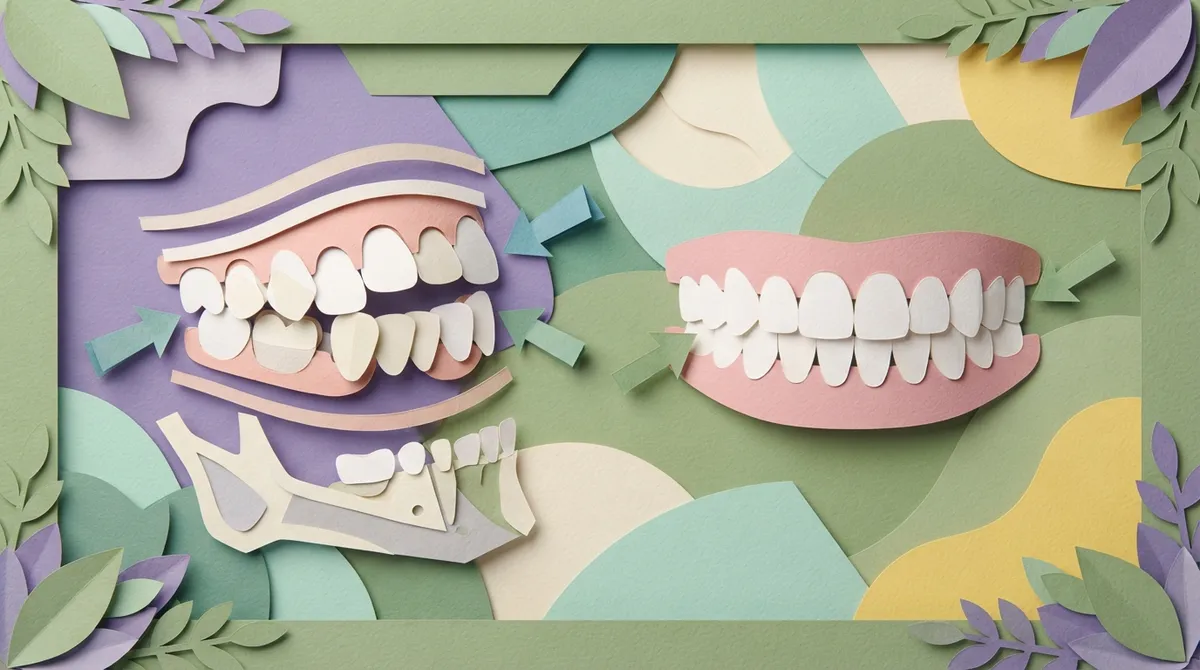
Before choosing anything, it helps to know what braces are designed to do. An orthodontist looks at both the position of the teeth and the way the upper and lower jaws meet. Teen braces treatment can correct many common concerns, such as:
- Crowding: teeth that overlap or twist because there is not enough room.
- Spacing: gaps between teeth that may affect looks or bite.
- Overbite: upper front teeth that stick out too far over the lower teeth.
- Underbite: lower teeth that sit in front of the upper teeth.
- Crossbite: upper and lower teeth that do not line up the way they should.
- Open bite: front teeth that do not touch when the mouth is closed.
Only an orthodontist can tell you whether treatment is needed and which approach fits your teen best. If you are curious about the issues we see most often, our guide to common orthodontic problems is a great place to start.

Step 2: Pick the Right Time to Start
Many parents ask, “Is my teen too early or too late?” Here is the reassuring truth: there is no single perfect age. The American Association of Orthodontists recommends a first orthodontic check-up by age 7. That visit is about early screening, not about putting braces on young kids.
For most families, comprehensive teen braces treatment begins in adolescence, often after most permanent teeth have erupted. Timing depends on:
- Tooth development: Which baby teeth are still hanging around and which adult teeth are in.
- Bite pattern: Some bite problems are easier to correct at certain stages.
- Jaw growth: Growing jaws can sometimes be guided more easily.
- The specific problem: Some issues need early attention, while others can wait.
If you want to learn how early evaluations work, take a look at our page on early orthodontic treatment. And if you are wondering what to look for at home, our article on the signs you need braces can help.
Step 3: Book a First Visit and Know What to Expect
The first appointment is simply a conversation and a close look at your teen’s smile. It is relaxed, and there is no pressure to decide anything on the spot. Dr. Flor Segovia, a board-certified orthodontist, takes time to listen to your teen’s goals and answer your questions.
During an evaluation, you can generally expect:
- A review of your teen’s dental and health history.
- A check of tooth alignment, bite, and jaw position.
- Digital images or scans to map out the teeth.
- A clear explanation of treatment options, timing, and costs.
To feel fully prepared, read what happens at a first orthodontic visit. Busy families will also be glad to know we offer flexible appointment times, so school and sports schedules stay on track.
Step 4: Compare Your Teen’s Braces Options
Today’s teens have more choices than ever. The right one depends on the orthodontic diagnosis and on your teen’s ability to follow instructions. Fixed braces stay in place all day, every day. Removable aligners only work if they are worn consistently.
| Option | How It Works | Best For | Things to Consider |
|---|---|---|---|
| Metal or ceramic braces | Brackets and wires are fixed to the teeth | A wide range of cases, including more complex bite issues | Need extra cleaning care; some food limits |
| LightForce braces | Custom 3D-printed brackets designed for each tooth | Teens wanting a precise, tailored, discreet look | Fixed in place; digital planning |
| WildSmiles braces | Fun bracket shapes that make braces feel personal | Teens who want to show off their style | Fixed in place; great motivation for brushing |
| Clear aligners | Removable, clear trays worn most of the day | Teens who are responsible and want a discreet option | Must be worn consistently to work |
At Segovia Orthodontics, we offer fixed options and removable options, so your teen can find a good fit. You can explore all of them on our types of braces page, or dig deeper into WildSmiles braces and LightForce orthodontics.
Braces or Clear Aligners: Which Is Better for Teens?
Neither one is better for everyone. Clear aligners are popular because they are discreet and removable, but they rely on your teen wearing them as directed. Fixed braces work around the clock, which can be a plus for teens who might forget or misplace trays. Our comparison of braces vs. clear aligners can help you weigh the pros and cons, and our guide on how to choose the right braces for teens adds even more detail.
Step 5: Get Ready for Braces Day
Getting braces is usually quicker and easier than teens expect. There are no needles involved, and most appointments are simple and comfortable. Here is a quick look at what typically happens:
- Teeth are cleaned and dried.
- Brackets are placed on each tooth (or aligners are fitted and explained).
- Wires are added and secured.
- You and your teen receive care instructions and tips.
Soreness for a few days is normal as teeth begin to move. Soft foods, cool drinks, and over-the-counter relief, if your orthodontist approves, can make things easier. For a full preview, check out what happens at the braces start appointment.
Step 6: Build a Daily Care Routine That Works
Braces make cleaning a bit trickier, but a simple routine goes a long way. Healthy habits protect your teen’s teeth while they are straightening. Encourage your teen to:
- Brush carefully: Use fluoride toothpaste and take time around every bracket and along the gumline.
- Clean between teeth daily: Floss threaders, water flossers, and small interdental brushes make this easier.
- Limit sugary snacks and drinks: Sugar feeds plaque, and plaque can lead to cavities and stained spots.
- Keep up regular dental visits: Routine checkups and cleanings still matter during treatment.
Not sure what to skip? Here is our handy list of foods to avoid with braces. In general, hard, sticky, and chewy foods are the main troublemakers. For more daily habits, see our tips on how to care for your braces.
Step 7: Stay Consistent With Appointments
Think of adjustment visits like a team huddle. Each one keeps treatment moving in the right direction. Many people wear braces for about 12 to 24 months, according to the American Association of Orthodontists, though some cases take less time and others take more. Visits are often spaced several weeks apart, and the exact schedule varies by case and provider.
Treatment time depends on a few things:
- How complex the bite or crowding is.
- How well your teen follows instructions, including wearing rubber bands or aligners.
- How closely they keep up with brushing and cleaning.
- Whether appointments are kept on schedule.
Teens who show up on time and follow the plan often finish smoothly. That is why we like to treat every teen as a partner in the process.
Step 8: Know How to Handle Bumps in the Road
Even with great care, small surprises can happen. Poking wires, loose brackets, or mouth irritation are common and usually easy to manage. Soft orthodontic wax can cushion rough spots, and saltwater rinses may soothe sore areas.
Contact your orthodontist if you notice:
- A broken bracket, wire, or appliance.
- Pain that does not ease up after a few days.
- Swollen, red, or bleeding gums that seem worse than usual.
When in doubt, call us. Our page on orthodontic emergencies explains what counts as urgent, and our article on common emergency situations with braces walks through simple fixes.
Step 9: Protect Your Results With a Retainer
Here is a part many families overlook: the finish line is not when the braces come off. After active treatment, retainers help hold teeth in their new positions. Without them, teeth can slowly drift back.
Your orthodontist will tell you which type of retainer is best and how long to wear it each day. Some teens wear removable retainers, while others have a thin wire bonded behind their teeth. Whichever you get, follow the schedule closely. Learn more about your options on our orthodontic retainers page.
Quick retainer tips for teens:
- Always keep it in its case when it is not in your mouth, never wrapped in a napkin.
- Keep it away from heat, pets, and hot cars.
- Clean it gently as directed by your orthodontist.
Step 10: Plan for Cost and Coverage
Cost is a real question for most families, and it is smart to ask early. The total cost of teen braces treatment depends on the type of appliance, how long treatment takes, and your insurance benefits. Many plans offer some orthodontic coverage, so it is worth checking your policy.
Ask about:
- What your insurance may cover and any lifetime limits.
- Down payment amounts and monthly payment options.
- Whether HSA or FSA funds can be used.
Our team is happy to help you sort through it. Browse our orthodontic financing options and read how orthodontics payment plans actually work to feel more confident about your budget.
Tips to Help Your Teen Feel Great About Braces
Braces are about more than teeth. They are also about confidence. A few simple ideas can help your teen feel good from day one:
- Let them choose: Picking colors or bracket styles makes braces feel personal.
- Make a care kit: A small bag with a travel toothbrush, floss picks, and wax for school or sports.
- Celebrate milestones: A check-in photo every few months shows real progress.
- Talk about it: Remind your teen that lots of friends have braces too.
For busy parents, it also helps to choose a practice that feels welcoming and organized. You can see why families choose us on our why choose us page, or meet Dr. Flor Segovia. We offer bilingual care in English and Spanish, so the whole family can feel comfortable asking questions. For more parent-friendly reading, try our post on teen orthodontics facts every parent should know.
Ready to Start Your Teen’s Smile Journey?
Teen braces treatment does not have to feel overwhelming. When you know what to expect, from the first visit to the retainer stage, the whole process becomes a lot more manageable. Every teen’s path is a little different, so a personalized plan from an experienced orthodontist makes all the difference.
At Segovia Orthodontics in Lakewood Ranch, we love helping teens feel proud of their smiles in a warm, supportive setting. You can learn more about our teen orthodontic treatment options, follow us on our Facebook page and our Instagram page for real smile stories, and learn about Dr. Segovia’s credentials through the American Board of Orthodontics. You can also visit our Segovia Orthodontics location on Google to see what local families are saying.
Ready to take the first step? Request an appointment today, or call us at 941-557-1333 to chat with our friendly team. We cannot wait to meet you and your teen!
FAQs
Q: When should a teenager get braces?
A: There is no single perfect age. Most teens start comprehensive treatment once most of their permanent teeth have come in, but timing depends on tooth development, bite, and jaw growth. An orthodontist can tell you the best moment for your teen.
Q: How long do teens usually have to wear braces?
A: Many people wear braces for about 12 to 24 months, according to the American Association of Orthodontists. Some cases finish sooner and others take longer, depending on how complex the problem is and how well your teen follows the plan.
Q: Are clear aligners or traditional braces better for teens?
A: It depends on your teen’s needs and habits. Clear aligners are discreet and removable but must be worn consistently, while fixed braces work all day without extra effort. Your orthodontist will recommend the option that fits the diagnosis and your teen’s lifestyle.
Q: How long does a teen need to wear a retainer after braces?
A: Your orthodontist will give you a personalized retainer schedule, which often starts with full-time wear and then moves to nights. Teeth can shift if retainers are not worn as directed, so following the plan helps protect your results.
Q: What foods should teens avoid with braces?
A: Teens should skip hard, sticky, and chewy foods, such as hard candy, caramel, popcorn, and ice, since they can bend wires or break brackets. Limiting sugary snacks and drinks also helps keep teeth healthy during treatment.
Our Service Area