Key Takeaways
-
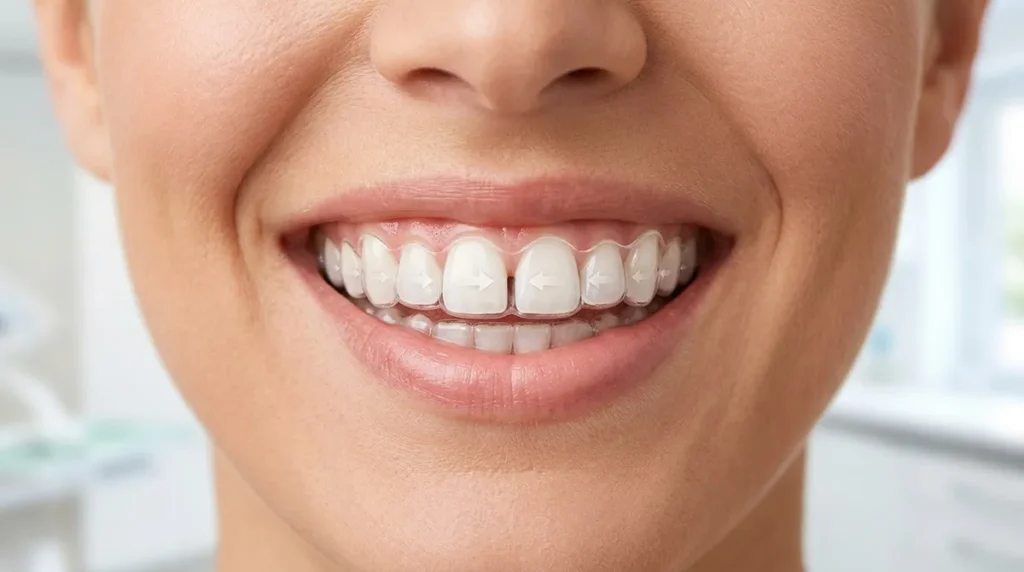
Clear aligners can effectively close mild-to-moderate gaps (diastema) between front teeth by applying gentle, steady pressure over time, with small gaps potentially closing in just a few months and larger spaces taking up to a year or longer.
-
Wearing aligners at least 22 hours daily is critical for success; they should only be removed for eating, drinking non-water beverages, brushing, and flossing, making compliance essential to achieving results.
-
A professional orthodontic evaluation is necessary before starting treatment because understanding the root cause of your gap (tooth-size mismatch, missing teeth, prominent frenum, gum issues, or tongue thrusting) determines whether aligners will provide lasting results or if the gap may reopen.
-
Retainers are essential after treatment to prevent gaps from reopening, as teeth naturally shift over time; regular follow-up visits help catch any small shifts early before they become larger problems.
-
Clear aligners may not be suitable for all cases; braces or hybrid approaches work better for multiple large gaps, complex bite problems, rotated teeth, or patients who struggle with consistent 22-hour daily wear compliance.
-
Alternative cosmetic options like composite bonding or veneers exist for very small, purely cosmetic gaps, but orthodontic movement (aligners or braces) is generally recommended when gaps relate to bite issues or underlying dental health concerns.
Got a gap between your two front teeth and wondering if you have to live with it? Good news: you probably don’t! That little space, called a diastema, is one of the most common things we help patients fix here in Lakewood Ranch. And here’s the fun part—clear aligners have made closing these gaps easier and way more comfortable than ever before.
Whether you’re a busy mom juggling school drop-offs, a young professional prepping for job interviews, or an adult who’s finally ready to invest in yourself, this guide walks you through exactly how clear aligners work for gap teeth. We’ll cover what causes gaps, how treatment actually works, how long it takes, and what happens after your gap closes. Grab a coffee and let’s get into it together.
What Exactly Is a Diastema (And Why Do You Have One)?
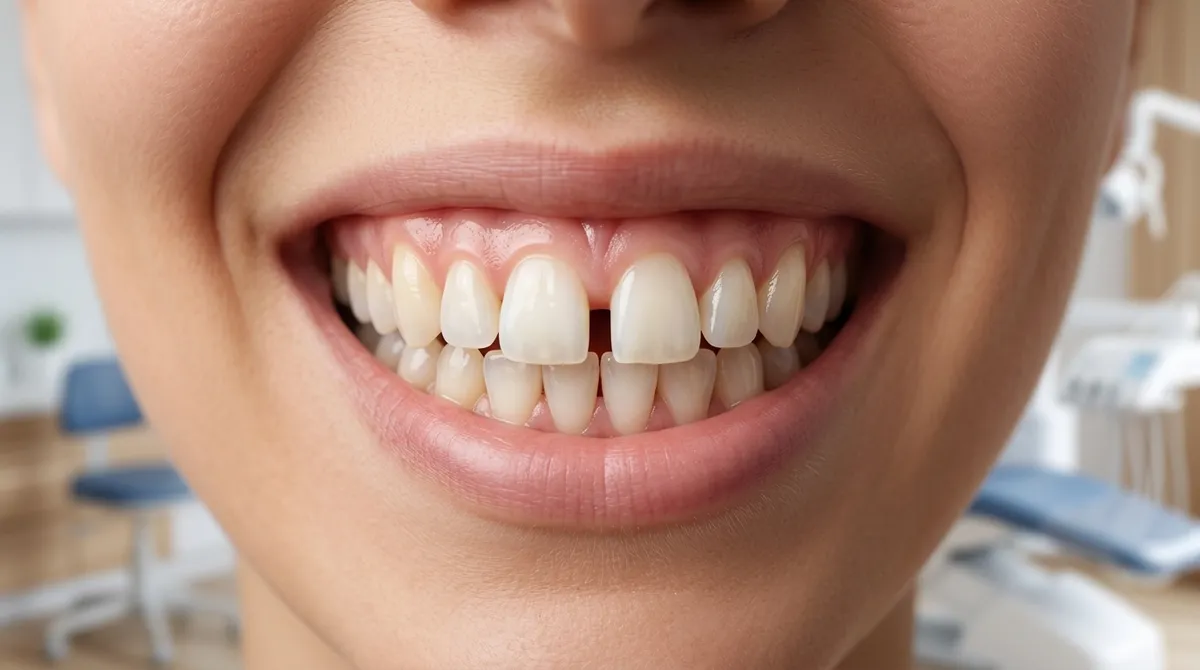
A diastema is simply the fancy dental word for a gap between two teeth. It shows up most often between the upper front teeth, but it can pop up anywhere in your smile. Before jumping into treatment, it helps to understand why the gap is there in the first place.
According to the American Association of Orthodontists, teeth spacing can come from several different sources. Knowing the cause matters because it affects which treatment will actually work for you.
Common Causes of Gaps Between Teeth
- Tooth-size mismatch: Sometimes teeth are just smaller than the jaw, leaving extra room and gaps.
- Missing or small teeth: If a tooth never grew in, or grew in undersized, neighboring teeth may drift apart.
- A prominent frenum: That little tissue band between your front teeth and upper lip can sometimes push teeth apart.
- Gum or periodontal issues: Bone loss around teeth can cause them to shift and create spacing.
- Tongue thrusting or habits: Repeated pressure from the tongue can gradually widen a gap over time.
This is exactly why an orthodontist should take a look before starting any treatment. Treating the visible gap without understanding the root cause could mean the space comes back later. If you’re curious what a professional evaluation involves, our page on what happens during an orthodontic evaluation breaks it down step by step.
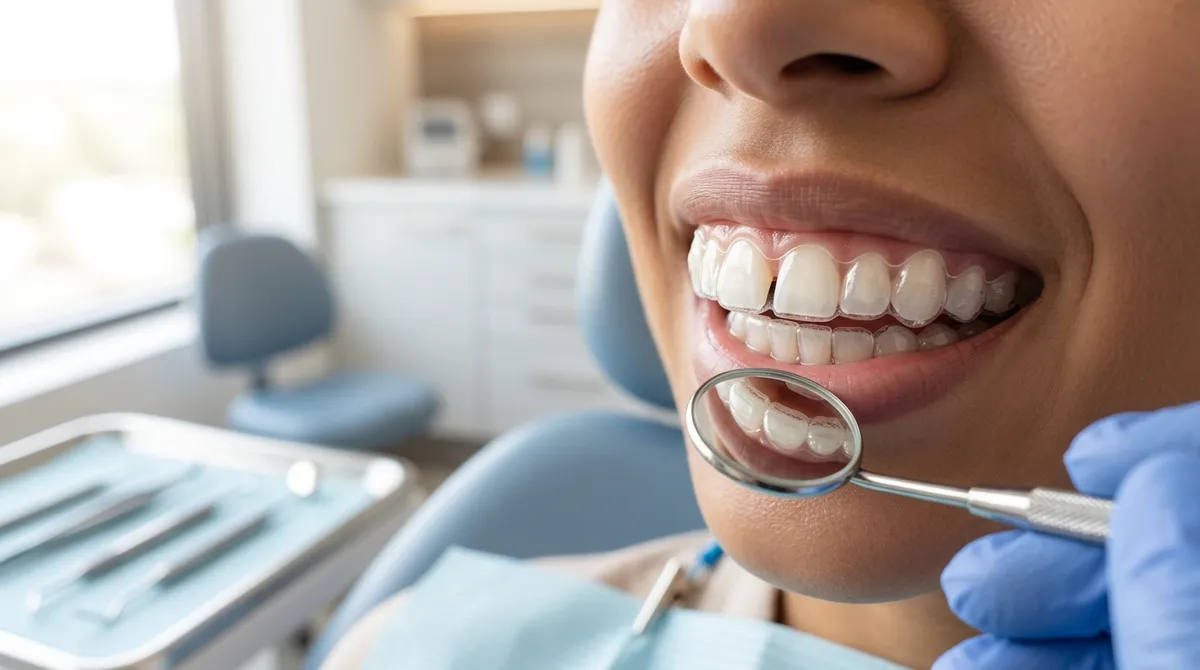
Can Clear Aligners Actually Close a Gap Between Your Front Teeth?
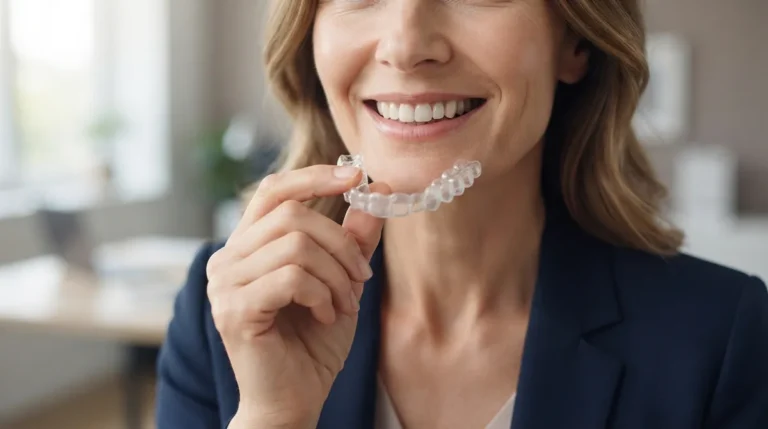
Yes, in many cases! Clear aligners are custom-made trays that apply gentle, steady pressure to slowly move teeth into a new position. For mild-to-moderate gaps, aligners are often a fantastic option because they’re removable, comfortable, and far less noticeable than metal brackets and wires.
That said, not every gap is the same. Suitability depends on:
- The size of the gap (small vs. large spacing)
- The cause behind the spacing
- Your bite alignment and jaw relationship
- Your overall dental and gum health
- How consistently you’ll wear your trays
A 2025 case report described an adult with several spaces between the front teeth treated mostly with clear aligners over 16 months. That’s just one story, not a guaranteed timeline for everyone, but it shows aligners can handle more complex spacing when the plan is right. Our clear aligners page has more details on how we personalize treatment for each smile.
How Clear Aligner Treatment Works Step by Step
Once you and Dr. Segovia decide aligners are right for you, here’s generally what to expect:
- Digital scan and treatment plan: We take precise images of your teeth and map out how they’ll move.
- Custom tray series created: You receive a sequence of trays, each one slightly different from the last.
- Daily wear: The AAO recommends wearing aligners at least 22 hours a day, removing them only to eat, drink anything besides water, brush, and floss.
- Tray changes: Most patients switch to a new tray about every one to two weeks, though your specific schedule may vary.
- Progress check-ins: You’ll visit us periodically so we can track how well the gap is closing.
- Refinements if needed: Some cases need extra aligners near the end to fine-tune results.
- Retainer phase: Once your gap closes, a retainer helps lock in your new smile.
One option we’re excited about is Angel Aligners, which use a smart “7+3” wear schedule—seven days with a flexible tray followed by three days with a firmer one. This approach can speed up tooth movement and may mean fewer office visits for you. Because of efficient manufacturing, Angel Aligners also tend to be more budget-friendly than premium brands while still using detailed 3D digital planning.
How Long Does It Take to Close a Gap With Aligners?
This is probably the question we hear most! Honestly, it depends on your specific case. Small, single-tooth gaps might close in just a few months. Larger or multiple gaps can take considerably longer, sometimes over a year.
A 2023 systematic review and meta-analysis found that clear aligners can be useful for mild-to-moderate cases, though the research noted some limitations in overall evidence across different studies. There isn’t one universal number that fits every gap-teeth patient, which is exactly why a personalized evaluation matters so much.
When Braces Might Work Better Than Aligners
Clear aligners are wonderful, but they’re not the answer for every situation. Some cases genuinely need more control than aligners alone provide.
| Situation | Better Suited For |
|---|---|
| Small to moderate single gap | Clear aligners |
| Multiple large spaces | Braces or aligners with attachments/refinements |
| Complex bite problems (overbite, crossbite) | Braces or a hybrid approach |
| Rotated or tipped teeth needing precise control | Braces |
| Patient wants a discreet, removable option | Clear aligners |
| Difficulty committing to 22-hour daily wear | Braces (fixed, no compliance needed) |
Some cases also benefit from a combination approach, using elastics, attachments, or a mix of aligners and braces to achieve the movement needed. If you’re weighing your options, our comparison guide on braces vs. clear aligners can help you decide what fits your lifestyle and goals.
A Quick Note on Digital Previews
Many clear aligner systems show you a digital preview of your expected results before you even start. It’s exciting to see, but remember: it’s a simulation, not a guarantee. Real results depend on how your teeth actually respond and how consistently you wear your trays.
Will the Gap Come Back After Treatment?
This is a fair worry, and it’s a smart one to ask about. Teeth naturally want to shift over time, especially right after active treatment ends. That’s why retainers are such a big deal.
After your gap closes, you’ll typically need to wear a retainer, at least at night, to help keep your teeth in their new position. Skipping this step is one of the most common reasons gaps reopen. We always walk patients through proper care, and you can learn more on our orthodontic retainers page. Attending your follow-up visits also lets us catch any small shifts early, before they become bigger problems.
Are There Other Options Besides Aligners for Gap Teeth?
For some cosmetic cases, composite bonding or veneers can be used to change the shape of the teeth rather than physically moving them. These options work well for very small, purely cosmetic gaps where the bite is otherwise healthy.
However, if the gap relates to bite issues, crowding elsewhere, or an underlying dental health concern, orthodontic movement (through aligners or braces) usually addresses the root cause more thoroughly. It’s a conversation worth having at your first orthodontic visit, where we can look at your whole smile and recommend what actually makes sense for you long-term.
Why Families and Professionals in Lakewood Ranch Choose Segovia Orthodontics
Dr. Flor Segovia is a board-certified orthodontist who stays current with the latest techniques in both braces and clear aligners. She offers bilingual care in English and Spanish, and the whole office is built around making patients of every age feel comfortable and heard.
Whether you’re a teen prepping for prom, a bride-to-be wanting a picture-perfect smile for your wedding day, or a working professional who needs discreet treatment that fits a packed schedule, we’ve got options tailored to you. We even offer orthodontic financing so a great smile fits your budget too. Curious what other patients think? You can visit us on Google — Segovia Orthodontics to read real reviews from our Lakewood Ranch community.
Getting Started: What to Expect at Your Consultation
Ready to see if clear aligners can close your gap? Here’s what typically happens when you come in:
- A friendly conversation about your smile goals and concerns
- Digital scans or X-rays to assess your teeth, bite, and gum health
- A discussion of the likely cause of your specific gap
- A personalized treatment recommendation, whether that’s Angel Aligners, another clear aligner system, or braces
- An honest timeline and cost estimate, with financing options explained
We also love connecting with our community online. Check out our Facebook page for patient stories and smile transformations, or follow our Instagram page for a behind-the-scenes look at life in our office. And if you ever want to double check a provider’s credentials, the American Board of Orthodontics is a great resource for verifying board certification.
Your Gap-Free Smile Starts With One Conversation
Closing a gap between your teeth doesn’t have to mean months of metal and wires. For many patients, clear aligners offer a comfortable, discreet, and effective path to a smile you’ll love showing off. The key is starting with a proper evaluation so your treatment plan actually fits your unique smile.
You deserve to feel confident every time you smile, laugh, or take a photo. Ready to find out if clear aligners are the right fit for your gap? Request an appointment with our Lakewood Ranch team today, or call us at 941-557-1333 to get your questions answered. We can’t wait to meet you and start this journey together!
FAQs
Q: Can clear aligners close a gap between my front teeth?
A: In many cases, yes! Clear aligners work great for mild-to-moderate gaps by gently guiding teeth back together over time. The best way to know for sure is to come in for a checkup so we can look at the size and cause of your specific gap.
Q: How long does it take clear aligners to close a gap?
A: It really depends on your gap size and overall bite. Small single gaps might close in just a few months, while larger or multiple spaces can take a year or more. We’ll give you a personalized timeline once we’ve seen your smile.
Q: How many hours a day do I need to wear aligners for gap teeth?
A: The American Association of Orthodontists recommends wearing aligners at least 22 hours a day for the best results. That means only taking them out to eat, drink something other than water, brush, and floss. Sticking to this schedule really does make a difference!
Q: Will my gap reopen after clear-aligner treatment?
A: Teeth can shift back over time if you skip wearing your retainer, so yes, this is a real possibility without proper care. That’s exactly why we recommend a retainer schedule and regular follow-up visits after your gap closes. Think of it as the easy part that protects all your hard work!
Q: Are braces or clear aligners better for closing a diastema?
A: Both can work well, and it really comes down to your specific gap and lifestyle. Aligners are great for people who want something removable and discreet, while braces might be recommended for larger or more complex spacing. We’ll walk you through the pros and cons during your consultation so you can pick what feels right for you.
Our Service Area