Key Takeaways
-
Open bite affects only 0.6% of the U.S. population but is one of the toughest malocclusions to correct and keep corrected, making experienced provider selection critical.
-
Two distinct types exist: dental open bites (caused by habits like thumb sucking or tongue thrusting) respond well to braces/aligners alone, while skeletal open bites (caused by jaw growth) may require orthodontics combined with jaw surgery.
-
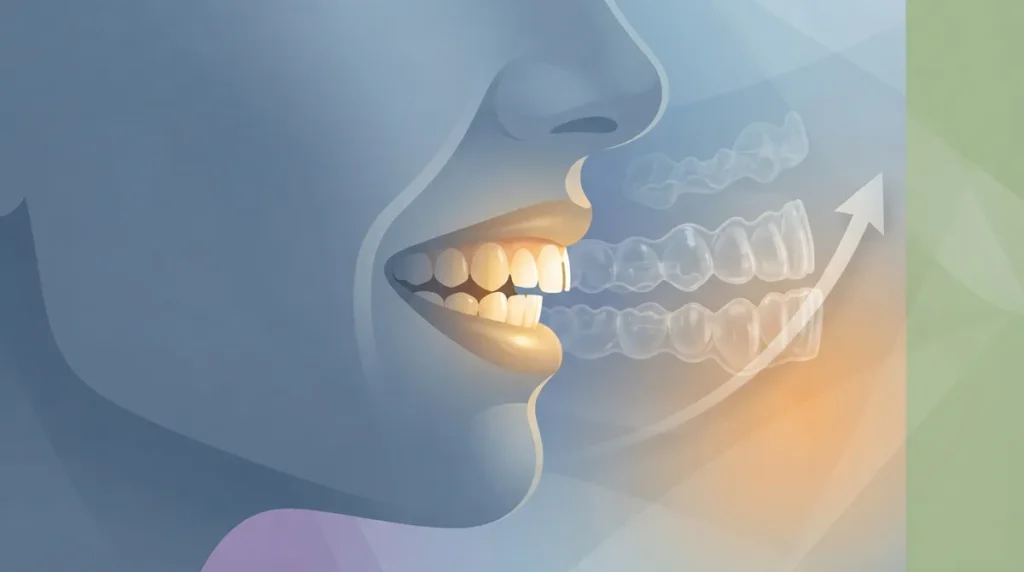
Clear aligners achieve a 94% success rate in correcting open bites in adult non-extraction cases, offering a discreet alternative to traditional braces for mild to moderate cases.
-
Treatment timelines range from 12-18 months for mild cases to 24-36 months for severe skeletal cases, with success heavily dependent on compliance with wearing aligners and breaking contributing habits.
-
Untreated open bites lead to functional problems including difficulty chewing, speech issues with ‘s’ and ‘th’ sounds, and accelerated wear on back teeth, making early intervention especially important for professionals and students.
-
Consistent retainer wear after treatment is essential to prevent relapse, which is common in adults who had braces years ago and stopped wearing their retainers regularly.
Ever notice a little gap between your top and bottom front teeth, even when your mouth is fully closed? That’s called an open bite, and you’re definitely not alone in wondering what to do about it. Whether you’re a parent watching your child’s thumb-sucking habit linger a little too long, or an adult who’s noticed this gap creeping back years after your last round of braces, this guide is here to walk you through everything in a friendly, no-pressure way. We’ll cover what causes an open bite, how it’s treated, and what you can expect along the way. At Segovia Orthodontics, we’ve helped families across Lakewood Ranch tackle this exact concern, and we promise it’s more manageable than it might feel right now.
Grab a cup of coffee (or let your kiddo grab a juice box) and let’s dig into the details together. By the end of this article, you’ll understand your options, know what questions to ask, and feel a lot more confident about your next steps.
What Exactly Is an Open Bite?
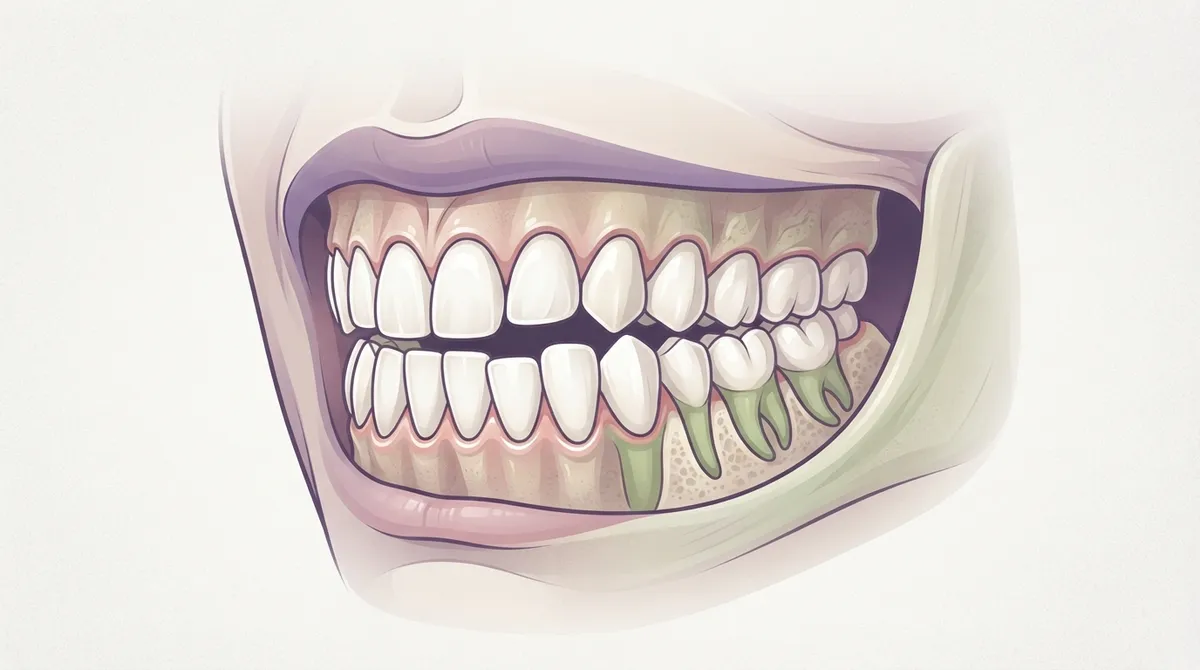
An open bite happens when your upper and lower front teeth don’t touch or overlap when you bite down. Your back teeth might meet just fine, but that front gap stays open no matter how hard you try to close it. It’s one of those orthodontic issues that’s easy to spot but can be trickier to fix than people expect.
According to research, open bite affects roughly 0.6% of the population in the United States, making it a relatively rare but persistent challenge among common orthodontic problems. It’s also considered one of the toughest malocclusions to correct and keep corrected, which is exactly why working with an experienced provider matters so much.
Dental vs. Skeletal Open Bite
Not all open bites are created equal. There are actually two main types, and knowing the difference helps explain why treatment plans can look so different from patient to patient.
- Dental open bite: Caused by tooth position or habits, like thumb sucking or tongue thrusting.
- Skeletal open bite: Caused by how the jaw itself grew, often involving an increased mandibular plane angle.
- Dental open bites tend to respond well to braces or aligners alone.
- Skeletal open bites may need a combination of orthodontics and jaw-related treatment.
- Both types can occur together, which is why a thorough evaluation matters so much.
What Causes an Open Bite?
Parents often ask us this question first, and honestly, it’s a great one to start with. Open bite doesn’t have one single cause. Instead, it’s usually a mix of habits, genetics, and growth patterns working together.
Common Contributing Factors
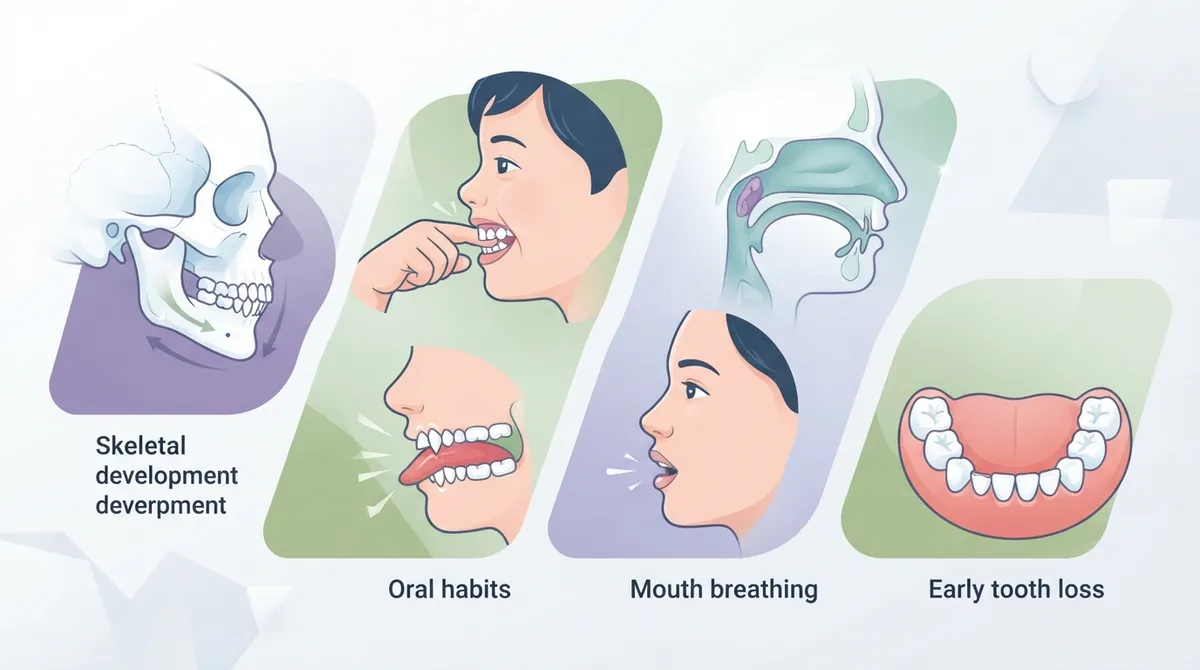
- Thumb or finger sucking: Prolonged sucking habits in early childhood can push teeth forward and prevent proper closure.
- Tongue thrusting: Pushing the tongue against or between the front teeth during swallowing or speech puts constant pressure that keeps the bite open.
- Mouth breathing: Chronic mouth breathing, often linked to allergies or enlarged tonsils, can influence jaw and tooth development over time.
- Genetics: Sometimes it simply runs in the family, with jaw growth patterns inherited from parents.
- Prolonged pacifier use: Similar to thumb sucking, pacifiers used well past toddler years can contribute to the same issue.
If any of these sound familiar, don’t panic. Catching things early is one of the best things you can do, which is why early orthodontic treatment exists in the first place. Many habits can be gently redirected before they cause lasting changes to the bite.
Why You Shouldn’t Ignore an Open Bite
We get it, life is busy, and a small gap in your smile might not seem urgent. But an untreated open bite can lead to some frustrating problems down the road.
- Difficulty biting into and chewing certain foods
- Speech issues, especially with sounds like “s” and “th”
- Increased mouth breathing, which can dry out gums and increase inflammation
- Extra wear and stress on your back teeth from doing all the biting work
- Self-consciousness about your smile during photos, interviews, or big life events
For young professionals prepping for job interviews or life event planners getting ready for a wedding or graduation, these functional and cosmetic concerns can feel especially pressing. The good news? None of this has to be permanent.
How Is an Open Bite Treated?
Treatment really depends on your age, the severity of the open bite, and whether it’s mostly dental, skeletal, or a mix of both. Let’s break down the most common approaches.
1. Braces or Clear Aligners for Mild to Moderate Cases
For many patients, especially those with a dental open bite, braces or clear aligners can do the heavy lifting. Research shows that clear aligner treatment achieved a positive overbite in up to 94% of adult non-extraction cases, which is a pretty encouraging statistic if you’re weighing your options.
Dr. Flor Segovia often recommends exploring our clear aligners for adults who want a more discreet path to closing that gap. For younger patients, WildSmiles braces add a fun, personalized twist to treatment with fun bracket shapes that make brushing easier to track and treatment more exciting for kids.
2. Habit-Breaking Appliances for Kids
If tongue thrusting or thumb sucking is the main culprit, we may recommend a specific appliance designed to gently discourage the habit while guiding teeth into better position. These work best when started early, which ties back into why we love talking to parents about teen orthodontic treatment and childhood checkups well before the teenage years.
3. Temporary Anchorage Devices (TADs)
For more moderate to severe cases, tiny screws called TADs can be used to help intrude, or gently push up, the back molars. This shift can help close the front bite without surgery in many patients, making it a great non-surgical alternative worth discussing at your consultation.
4. Orthognathic Surgery for Severe Skeletal Cases
When the open bite is largely skeletal and severe, a combined approach of orthodontics plus jaw surgery is often considered the gold standard. This isn’t the path for everyone, but for certain patients it offers the most stable, long-term correction. Our team will always walk you through whether this is even a consideration for your specific case, and we’ll coordinate closely with any specialists involved.
How Long Does Open Bite Treatment Take?
This is one of the most common questions we hear, and rightfully so. Nobody wants to commit to something without knowing the general timeline.
| Case Severity | Typical Treatment Length | Common Approach |
|---|---|---|
| Mild dental open bite | 12–18 months | Braces or clear aligners |
| Moderate open bite | 18–24 months | Braces, aligners, or TADs |
| Severe skeletal open bite | 24–36 months | Orthodontics plus surgery |
Keep in mind these numbers can shift depending on your compliance with wearing aligners, breaking habits, and attending regular appointments. Consistency really is everything here.
Braces vs. Clear Aligners for Open Bite Correction
We know this is a big decision, so let’s compare the two most common non-surgical routes side by side.
| Feature | Traditional Braces | Clear Aligners |
|---|---|---|
| Best for | Complex tooth movement, kids and teens | Mild to moderate cases, discreet adult treatment |
| Visibility | More visible, though fun designs exist | Nearly invisible |
| Compliance needed | Low, since they’re fixed in place | High, must wear 20-22 hours daily |
| Great option | LightForce Orthodontics | Angel Aligners or Invisalign-style trays |
If you’re leaning toward something more discreet, our guide on choosing the best Invisalign alternative might be a helpful next read. Angel Aligners in particular use a smart 7+3 wear schedule that can speed things along while keeping costs friendlier on your wallet.
Steps to Take If You Suspect an Open Bite
Not sure if what you’re seeing is actually an open bite? Here’s a simple checklist to help you figure out your next move.
- Look in the mirror and bite down naturally, front teeth touching or not touching?
- Notice if you or your child struggle to bite into foods like sandwiches or apples.
- Pay attention to speech patterns, especially lisping sounds.
- Check for ongoing mouth breathing, especially during sleep.
- Schedule a consultation with a board-certified orthodontist for a full evaluation.
- Ask about imaging or digital scans to determine if the issue is dental, skeletal, or both.
- Discuss treatment timelines, costs, and financing options before committing.
Our team walks new patients through this exact process during a first orthodontic visit, so you’ll never feel like you’re guessing what comes next.
What About Adults Dealing with Open Bite Relapse?
If you had braces years ago and now notice that old gap slowly reappearing, you’re in good company. Adult relapse is more common than most people realize, especially if a retainer wasn’t worn consistently after initial treatment.
The encouraging part is that adult treatment today is faster, more discreet, and often more comfortable than what you may remember from your teenage years. Many adults find success with adult orthodontics options like clear aligners, especially when paired with a properly fitted orthodontic retainer afterward to protect your results long term.
Preventing Open Bite Relapse After Treatment
Once your open bite is corrected, keeping it that way is just as important as the treatment itself. Here are a few habits worth adopting.
- Wear your retainer exactly as instructed, even after your teeth look perfectly straight
- Address any lingering tongue thrusting habits with guidance from your orthodontist
- Treat mouth breathing causes, like allergies, with help from an ENT if needed
- Attend all follow-up appointments so we can catch small shifts early
- Avoid skipping retainer wear even during busy or stressful life seasons
Why Choose Segovia Orthodontics for Open Bite Treatment
Dr. Flor Segovia is a board-certified orthodontist who genuinely enjoys helping patients of every age feel confident about their smiles. Using advanced orthodontic technology, our Lakewood Ranch team creates individualized treatment plans rather than one-size-fits-all solutions.
We also proudly offer bilingual care in English and Spanish, making sure every family in our community feels comfortable asking questions and understanding their treatment. To see why so many local families trust us, check out why patients choose us for their orthodontic journey, or read what real patients say when you visit us on Google — Segovia Orthodontics.
You can also follow along with real patient transformations and behind-the-scenes moments on our Facebook page or our Instagram page. It’s a great way to see what treatment really looks like from patients just like you.
Finding the Right Orthodontist for Your Open Bite
Whenever you’re researching providers, it helps to check credentials. Organizations like the American Board of Orthodontics certify specialists who’ve gone through rigorous additional training beyond dental school, giving you extra peace of mind that you’re in capable hands.
Whether you’re comparing types of braces or trying to understand all about braces before committing, we’re always happy to answer questions during a consultation. There’s no such thing as a silly question when it comes to your smile.
Ready to Take the Next Step?
An open bite might feel like a big deal right now, but with the right team and the right plan, it’s absolutely fixable. Whether you’re bringing in your child for their very first checkup, exploring discreet aligners for yourself, or dealing with relapse after years without a retainer, we’re here to help every step of the way.
Ready to get started? Request an appointment with our Lakewood Ranch team today, or feel free to contact us with any questions you have. You can also simply call us at 941-557-1333 to speak with our friendly team directly. Your best smile is closer than you think, and we can’t wait to help you get there.
FAQs
Q: What causes an open bite in adults vs. children?
A: In kids, open bite is often linked to thumb sucking, pacifier use, or tongue thrusting habits. In adults, it’s usually either a lingering childhood issue that was never fully corrected, or relapse after braces when a retainer wasn’t worn consistently. Either way, it’s very treatable at any age!
Q: Can Invisalign fix an open bite without surgery?
A: Yes, in many mild to moderate cases, clear aligners can absolutely correct an open bite without surgery. Studies even show up to a 94% success rate for adult non-extraction cases. Severe skeletal cases sometimes need extra help, but we’ll always start with the least invasive option that makes sense for you.
Q: Is open bite considered a skeletal or dental problem?
A: It can honestly be either, or sometimes both at the same time! Dental open bites come from tooth position or habits, while skeletal open bites stem from how your jaw grew. A thorough exam helps us figure out exactly what’s going on with your unique smile.
Q: How long does it take to correct an open bite with braces?
A: Most open bite cases take somewhere between 12 and 36 months, depending on severity and how consistently you follow your treatment plan. Milder cases tend to wrap up faster, while more complex skeletal cases naturally take a bit longer.
Q: What are the risks of leaving an open bite untreated?
A: Untreated open bites can lead to chewing difficulties, speech issues, extra wear on your back teeth, and ongoing mouth breathing. It’s nothing to panic over, but addressing it sooner rather than later usually makes treatment easier and faster.
Our Service Area