Key Takeaways
-
Early evaluation around age 7 is ideal for crossbite treatment in children, as the jaw is still developing and can be corrected more easily, potentially eliminating the need for future surgery.
-
Braces alone can correct most dental crossbites without surgery, but posterior crossbites often require a palatal expander to widen the upper jaw before or alongside braces.
-
Treatment timelines vary significantly: mild crossbites take 6-18 months with braces alone, while posterior crossbites with expanders take 12-24 months, and adult cases often require 18-36 months.
-
Modern discreet options like clear aligners and low-profile braces make crossbite correction feasible for adults and professionals, though traditional braces work better for complex skeletal cases.
-
Crossbite correction in Bradenton typically costs $4,000-$7,500 for braces alone or $5,000-$8,500 with expanders, with flexible payment plans available to spread costs throughout treatment.
-
Untreated crossbites can lead to uneven tooth wear, jaw pain, and facial asymmetry, making early professional evaluation and treatment important for preventing long-term complications.
If you’ve noticed your child’s back teeth don’t quite line up right, or your own bite feels a little off when you chew, you might be dealing with a crossbite. The good news? You’re definitely not alone, and braces for crossbite Bradenton families trust are more effective and comfortable than ever. Whether you’re a busy mom juggling school pickups, a young professional eyeing a straighter smile before a big career move, or an adult ready to fix something that’s bothered you for years, this guide will walk you through everything you need to know.
Crossbites happen when your upper and lower teeth don’t meet the way they should. Sometimes it’s just a few teeth. Other times, it’s the whole jaw. Either way, braces are often the key tool orthodontists use to bring everything back into proper alignment. At Segovia Orthodontics at Lakewood Ranch, Dr. Flor Segovia and her team help patients of all ages in the Bradenton area get bites that work well and smiles that look great. Let’s dig into how braces fix crossbites, what to expect, and how to get started.
What Exactly Is a Crossbite?
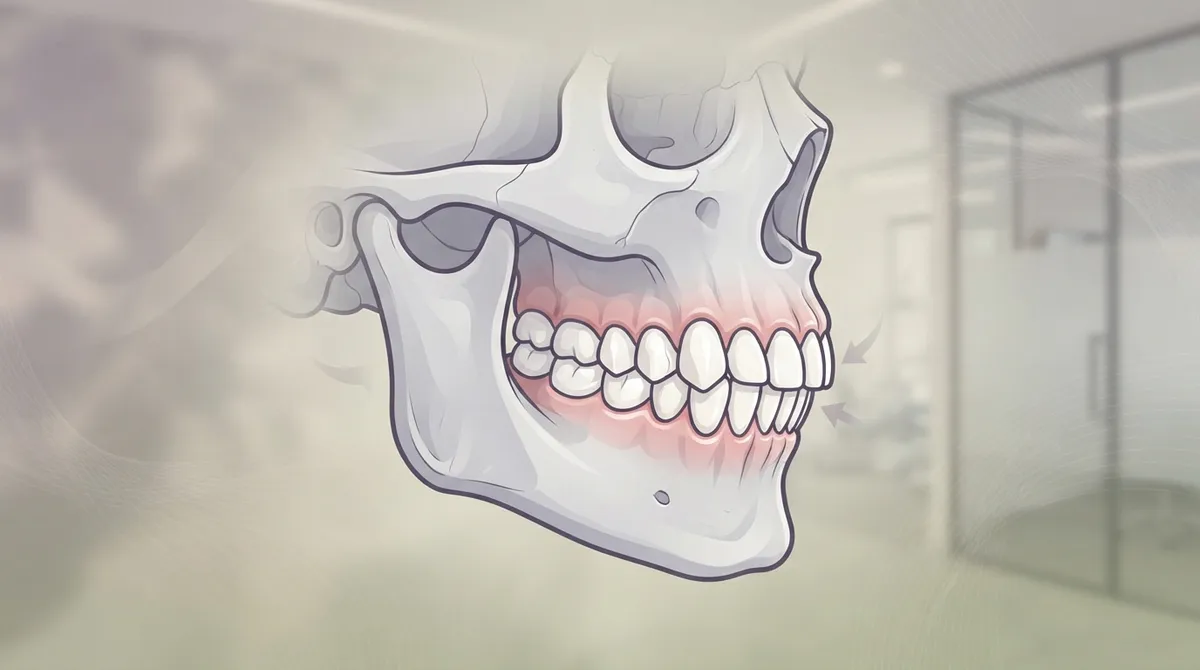
A crossbite is when one or more upper teeth sit inside the lower teeth instead of outside them, which is the normal, healthy position. It can affect just the front teeth (anterior crossbite) or the back teeth (posterior crossbite). Left untreated, a crossbite can lead to uneven tooth wear, jaw pain, and even facial asymmetry over time.
Understanding the type of crossbite you or your child has is the first step toward the right treatment plan. Here are the two main categories:
- Dental crossbite: The teeth are misaligned, but the jaw bones themselves are positioned normally.
- Skeletal crossbite: The upper and lower jaws are mismatched in size or position, not just the teeth.
- Anterior crossbite: Front teeth are affected, often making the bite look uneven when smiling.
- Posterior crossbite: Back teeth are affected, which can cause a noticeable shift in the jaw when biting down.
Knowing the difference matters because it changes the treatment approach. A quick visit for an orthodontic evaluation can clear up exactly what you’re working with.
Can Braces Fix a Crossbite Without Surgery?
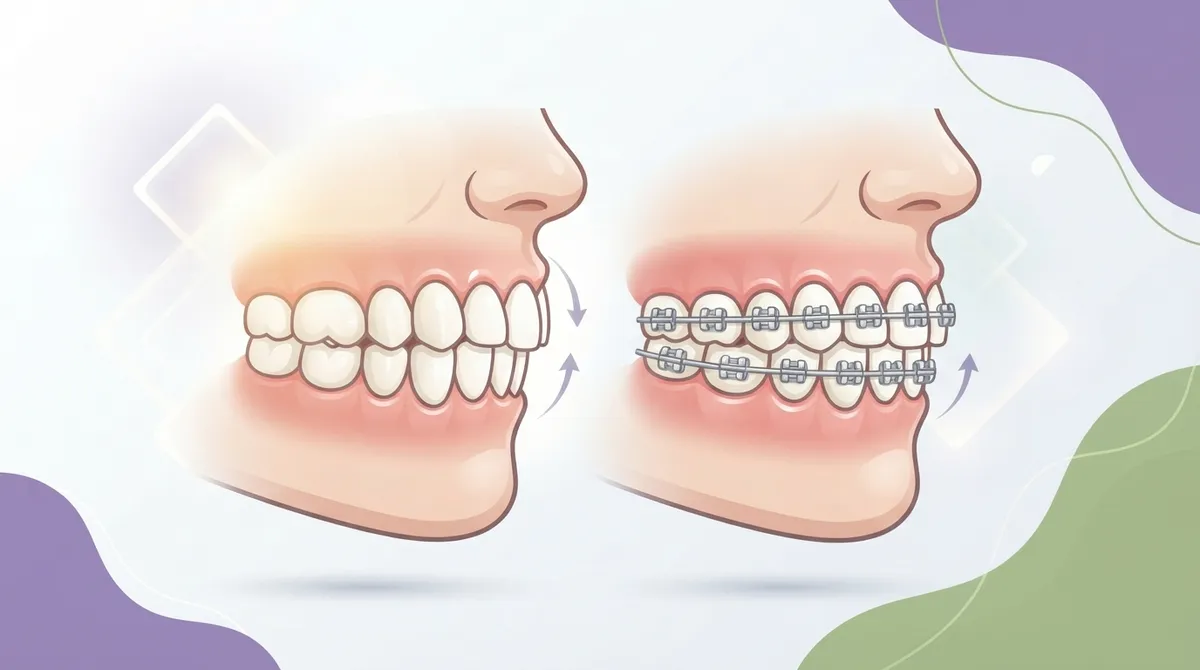
For many patients, yes! Braces alone can correct a crossbite, especially when the problem is dental rather than skeletal. Braces gently and gradually move teeth into their correct position over time, using controlled pressure through wires and brackets.
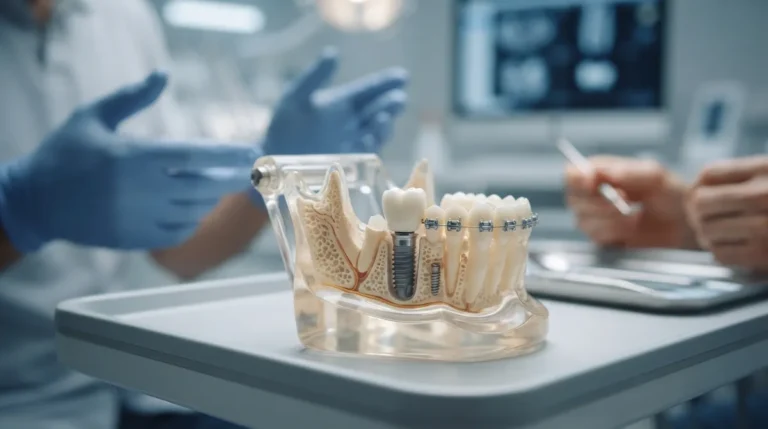
However, more complex cases, especially posterior crossbites caused by a narrow upper jaw, often need extra help. This is where expanders come into play. A quad-helix or rapid palatal expander widens the upper jaw so the teeth can fit together properly. Research reviews have found that fixed quad-helix appliances tend to work a bit better than removable expansion plates for correcting posterior crossbites in children, so your orthodontist may recommend one based on your child’s specific needs.
Here’s a simple breakdown of common crossbite treatment approaches:
| Crossbite Type | Common Treatment | Typical Timeline |
|---|---|---|
| Mild dental crossbite | Braces alone | 6 to 18 months |
| Posterior crossbite (children) | Palatal expander plus braces | 12 to 24 months |
| Anterior crossbite | Braces, bite pads, or elastics | 6 to 18 months |
| Moderate adult crossbite | Braces, sometimes with elastics | 18 to 36 months |
| Severe skeletal crossbite | Braces plus jaw surgery | Varies by case |
Why Age Matters for Crossbite Treatment
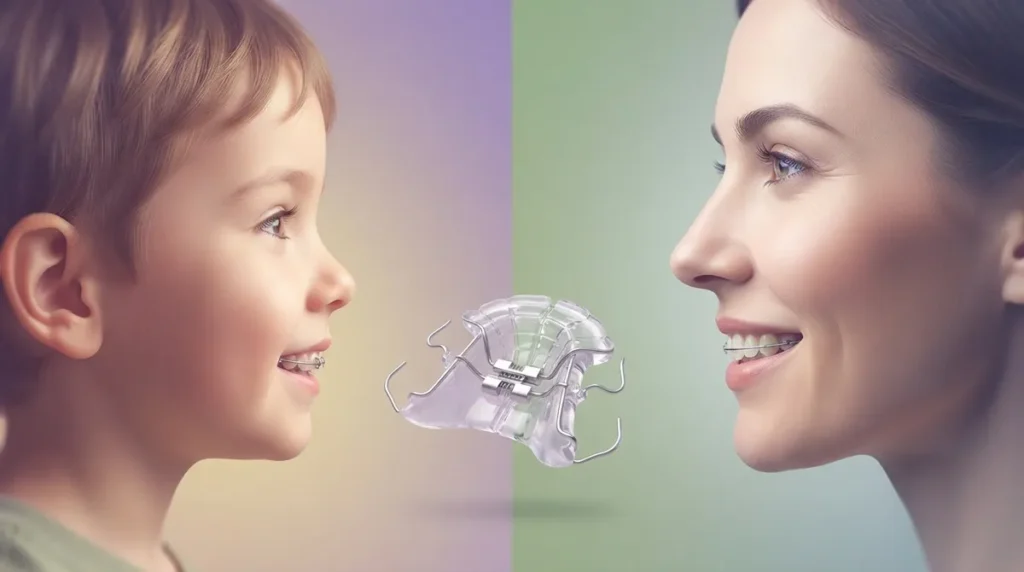
Here’s something every parent should know: the best age for early evaluation is around 7 years old. At this age, your child’s jaw is still growing, which makes correcting a crossbite much simpler. Waiting too long can mean the jaw has already grown into an uneven shape, making treatment longer and sometimes more complex later on.
If you notice your child’s jaw shifting to one side when they bite down, or their teeth just don’t seem to meet right, don’t wait. Early orthodontic treatment can catch these issues while they’re still easy to fix. Here’s why early evaluation makes such a big difference:
- The jaw is still developing, so expanders and appliances work more efficiently.
- Early treatment can reduce or eliminate the need for future surgery.
- It gives your child a healthier bite before permanent teeth fully come in.
- It often shortens the overall treatment time needed later as a teen.
- It helps prevent uneven jaw growth and facial asymmetry.
Crossbite Treatment for Teens: Fitting Braces Into a Busy Life
Teenagers have a lot going on between sports, school, and social lives. The good news is that modern teen orthodontic treatment options are designed to fit into busy schedules without slowing anyone down.
Fun fact: braces don’t have to be boring. WildSmiles Braces offer bracket shapes like stars, hearts, and even Mickey Mouse designs, which can make the whole process feel a lot less like a chore and a lot more like self-expression. For teens who want their braces to feel personal, this is a great option to bring up at your consultation.
For teens who prefer a more discreet look, LightForce Orthodontics offers custom 3D-printed brackets that are clear or white, blending naturally with the teeth. Treatment times can be up to 45% faster thanks to precise digital planning, which is great news for anyone with a big event on the calendar, like homecoming or graduation.
Crossbite Correction for Adults: It’s Never Too Late
Plenty of adults assume braces are just for kids, but that couldn’t be further from the truth. Adult orthodontics is one of the fastest-growing areas of care, and crossbite correction is a big part of it.
Adults dealing with a crossbite often experience jaw discomfort, uneven tooth wear, or self-consciousness about their smile. Braces can still shift teeth effectively at any age, though treatment for moderate crossbites in adults often takes about 18 to 36 months since jaw bones are no longer growing. In more severe skeletal cases, jaw surgery may be needed alongside braces, but this is far less common than simple dental corrections.
If you’re a professional worried about how braces might look during meetings or presentations, discreet options are available. Clear aligners and low-profile braces let you address your bite issue without drawing attention. Many career-focused adults find that the confidence boost from finally fixing their bite is well worth the short-term adjustment.
What About Clear Aligners for Crossbite?
Clear aligners can work for some crossbite cases, especially mild dental crossbites in adults. Clear aligners use a series of custom trays to gradually shift teeth, offering a nearly invisible way to fix your bite.
One option worth asking about is Angel Aligners, which use a unique wear schedule to speed up tooth movement compared to standard aligner systems. This can mean fewer office visits and a more budget-friendly path to a corrected bite. That said, more complex or skeletal crossbites usually respond better to traditional braces, sometimes paired with an expander, since aligners have limits on how much they can shift back teeth.
Here are a few factors that help determine whether aligners or braces are the better fit:
- Severity of the crossbite (mild dental issues respond better to aligners)
- Whether jaw expansion is needed (braces work better with expanders)
- Your commitment to wearing aligners as directed for 20-22 hours a day
- Your lifestyle and aesthetic preferences
- Your orthodontist’s recommendation after a full evaluation
What Does Crossbite Treatment Cost in Bradenton?
Cost is always a fair question, and it’s smart to plan ahead. Based on typical 2026 practice estimates, full braces for crossbite correction generally run about $4,000 to $7,500. If a palatal expander is needed alongside braces, combined treatment often falls between $5,000 and $8,500.
The good news is that orthodontic financing options make these costs much more manageable. Many families spread payments out over the course of treatment instead of paying everything upfront. Here are some steps to help you budget wisely:
- Schedule a consultation to get an accurate, personalized estimate.
- Ask about payment plans that break costs into manageable monthly amounts.
- Check whether your dental insurance covers any orthodontic treatment.
- Ask about any current promotions or new patient specials.
- Compare the cost of early treatment versus waiting, since early care can sometimes reduce total treatment needs later.
What Happens During Your Crossbite Consultation
Walking into your first appointment can feel a little nerve-wracking, especially if you’re not sure what to expect. Here’s a simple rundown of what typically happens during a crossbite evaluation:
- A friendly welcome and quick chat about your concerns or your child’s bite issues.
- Digital X-rays and photos to get a clear picture of the teeth and jaw.
- A hands-on bite check to see how the upper and lower teeth line up.
- A discussion of treatment options, including braces, expanders, or aligners.
- A cost breakdown and financing options tailored to your situation.
Dr. Segovia uses advanced orthodontic technology to make this process quick, accurate, and comfortable. As a board-certified orthodontist recognized by the American Board of Orthodontics, she brings a high level of expertise to every crossbite case she treats, whether it’s a 7-year-old’s first evaluation or an adult finally addressing a bite issue from childhood.
Tips for a Smooth Crossbite Treatment Journey
Once you start treatment, a few simple habits can make the whole process go more smoothly. Keep these tips in mind:
- Wear any prescribed elastics or expanders exactly as directed, even when it feels inconvenient.
- Keep up with regular adjustment appointments to stay on track.
- Practice good oral hygiene since braces make brushing and flossing a bit trickier.
- Reach out right away if you experience unusual pain or a loose appliance, since orthodontic emergencies are best handled quickly.
- Stay patient. Crossbite correction takes time, but the results are worth it.
Curious what other Bradenton-area families and adults are saying about their experience? You can visit us on Google to see Segovia Orthodontics reviews and get a feel for what treatment is really like. You can also follow along on our Facebook page or check out smile transformations on our Instagram page for a behind-the-scenes look at real patient journeys.
Choosing the Right Orthodontist for Crossbite Care
Not every orthodontic office treats crossbites the same way, so it helps to know what to look for. A great fit for your family should check these boxes:
- Board certification and ongoing training in the latest techniques
- A range of treatment options, from traditional braces to clear aligners
- Flexible appointment times that work with school and work schedules
- A warm, welcoming office atmosphere for both kids and adults
- Clear, upfront communication about cost and treatment timelines
To learn more about what sets a great practice apart, take a look at why families choose us or read more about Dr. Flor Segovia and her approach to personalized, board-certified orthodontist care.
Ready to Get Started?
A crossbite doesn’t have to hold you or your child back from a comfortable, confident smile. Whether you need braces, an expander, or clear aligners, the team at Segovia Orthodontics is here to guide you through every step with warmth and expertise. If you’re ready to take the next step, request an appointment today, or feel free to get in touch with our team with any questions. You can also call us at 941-557-1333 to speak with a friendly member of our staff and start your journey toward a beautifully aligned smile.
FAQs
Q: Can braces fix a crossbite without surgery?
A: Yes, in most cases! Braces alone often correct dental crossbites by gradually guiding teeth into the right position. Surgery is usually only needed for severe skeletal crossbites where the jaw bones themselves are mismatched.
Q: How long does crossbite treatment with braces take?
A: It really depends on the severity. Mild crossbites often take about 6 to 18 months, while more complex cases involving expanders can take 12 to 24 months or longer. Your orthodontist will give you a personalized timeline after your evaluation.
Q: What is the best age to treat a crossbite in children?
A: Many orthodontists recommend an evaluation around age 7. At this age, the jaw is still growing, which makes correcting a crossbite easier and often prevents more complex treatment later on.
Q: Do you need a palatal expander for a crossbite?
A: Not always! Expanders are typically used for posterior crossbites caused by a narrow upper jaw. If your crossbite only affects tooth position, braces alone may do the trick without any expansion needed.
Q: How much do braces for crossbite cost in Bradenton?
A: Full braces for crossbite correction generally range from about $4,000 to $7,500, while combined expander-and-braces treatment often runs $5,000 to $8,500. Flexible financing options can help make these costs easier to manage.
Our Service Area