Key Takeaways
-
Dental crowding severity is measured in three categories (mild: <4mm, moderate: 4-8mm, severe: >8mm), and this measurement directly determines which treatment option will be most effective for your case.
-
LightForce custom braces can reduce treatment time by up to 45% compared to traditional braces, making them ideal for busy professionals who want precision without years of visible orthodontic treatment.
-
Clear aligners work best for mild to moderate crowding and typically take 6-18 months, with AI-driven options like Angel Aligners offering faster results at more manageable costs than premium brands.
-
Early orthodontic evaluation for children while their jaw is still developing can sometimes eliminate the need for tooth extractions later, making prevention more cost-effective than correction.
-
Interproximal reduction (tooth enamel stripping) is a safe, minimally invasive option for mild crowding that gently creates extra space without removing teeth or requiring prolonged treatment.
-
Post-treatment retainer compliance is critical—many adult patients experience relapse because they stopped wearing retainers years earlier, so consistent retention protects your investment in orthodontic results.
Do you avoid smiling in photos because your teeth feel too tight and overlapped? You are not alone. Crowded teeth are one of the most common concerns families bring to our office. The good news is that dental crowding solutions have come a long way, and there is likely a treatment that fits your life, your budget, and your smile goals. Whether you are a busy mom juggling school pickups, a young professional who wants a discreet fix, or an adult ready to correct a childhood relapse, this guide will walk you through everything you need to know.
At Segovia Orthodontics in Lakewood Ranch, we see patients of all ages who want the same thing: a healthy, confident smile without unnecessary stress. Dr. Flor Segovia and her team believe treatment should be personal, not one-size-fits-all. Let’s break down how dental crowding happens, what your options are, and how to pick the right path forward.
What Is Dental Crowding, Really?
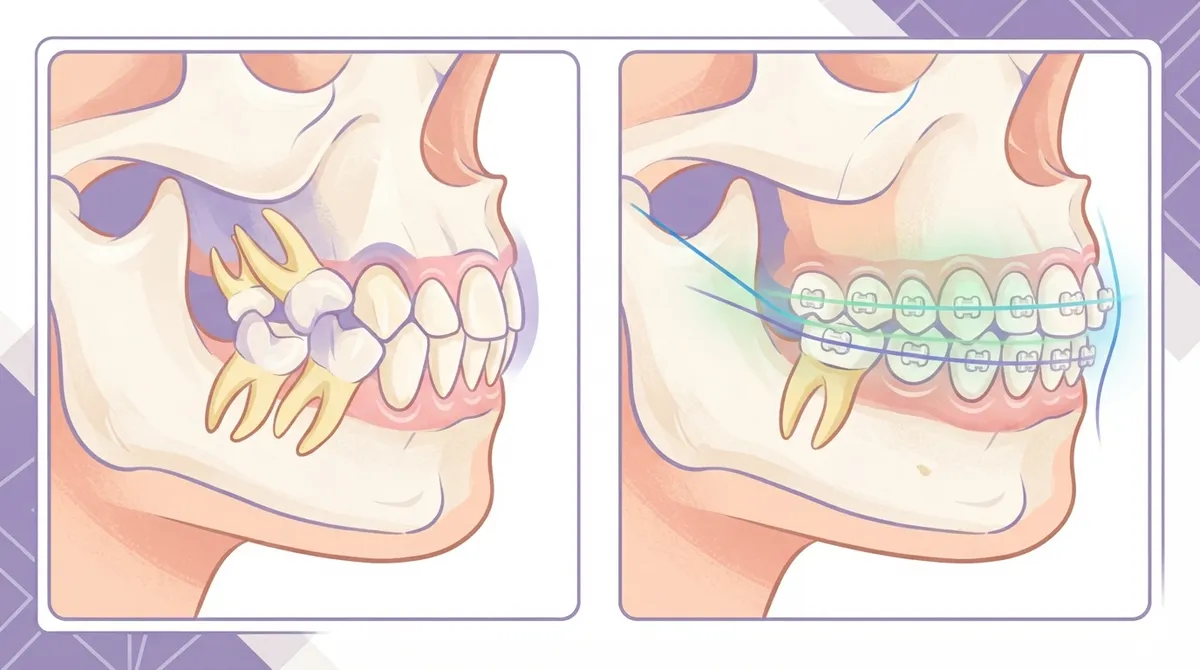
Dental crowding happens when your jaw doesn’t have enough room for all your teeth. Teeth twist, overlap, or push forward because they are competing for space. It can affect just a few teeth or your entire smile.
Crowding isn’t just a cosmetic issue. It can make brushing and flossing harder, trap food and plaque, and even contribute to bite problems over time. Understanding the common orthodontic problems like crowding is the first step toward fixing them.
How Orthodontists Measure Crowding Severity
Orthodontists usually sort crowding into three categories based on how much space is missing:
- Mild crowding: Less than 4mm of space needed
- Moderate crowding: Between 4mm and 8mm of space needed
- Severe crowding: More than 8mm of space needed
This measurement helps guide which treatment will work best. A mild case might just need small adjustments, while severe crowding often calls for a bigger plan.
How to Fix Crowded Teeth: 7 Treatment Options
There isn’t a single “best” fix for everyone. The right dental crowding solution depends on your age, the severity of your case, and your bite. Here are the main approaches Dr. Segovia may recommend.
1. Traditional Metal Braces
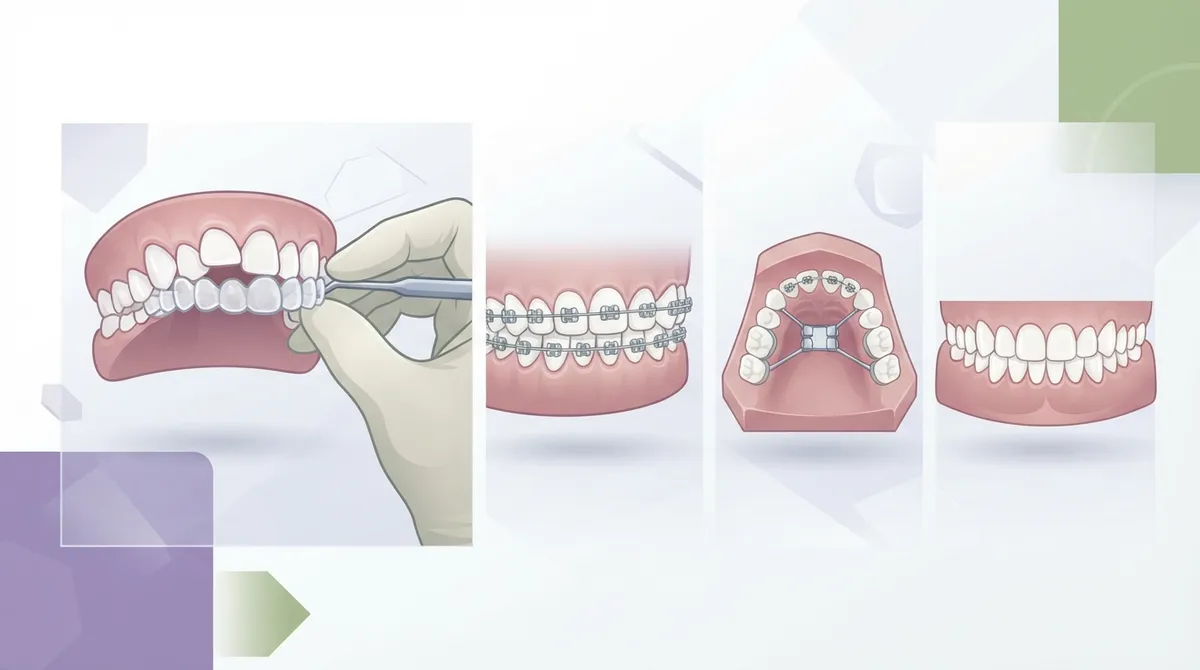
Braces remain the gold standard for moderate to severe crowding. They give the most control over tooth movement and can handle complex cases that clear aligners sometimes cannot. Many parents choose WildSmiles Braces for their kids because fun bracket shapes make treatment something to look forward to instead of dread.
2. LightForce Custom Braces
If you want precision without sacrificing speed, Lightforce Orthodontics uses 3D printed, fully customized brackets designed just for your teeth. This technology can cut treatment time by up to 45% compared to traditional methods, which is a huge win for career-focused adults who don’t want braces hanging around for years.
3. Clear Aligners
For mild to moderate crowding, clear aligners are often the go-to choice, especially for young professionals and adults who want something discreet. Treatment with clear aligners typically takes about 6 to 18 months, depending on your case. Angel Aligners, one option we offer, use an AI-driven “7+3” wear schedule that can speed up tooth movement while keeping costs more manageable than some premium brands.
4. Interproximal Reduction (Stripping)
This sounds more intense than it is. Interproximal reduction gently removes tiny amounts of enamel between teeth to create extra space. It’s often used for mild crowding, sometimes combined with braces or aligners, and is considered a safe, well-studied technique when done by a trained orthodontist.
5. Palatal Expanders
For growing kids and teens, an expander can widen the upper jaw and create more room naturally. This works best while the jaw is still developing, which is why early evaluation matters so much. Expansion can sometimes help kids avoid extractions later in life.
6. Tooth Extraction
In cases of severe crowding, removing one or more teeth may be necessary to create enough space for proper alignment. This is usually combined with braces afterward to guide the remaining teeth into place.
7. Combined Approaches
Sometimes the best plan uses more than one method. For example, braces plus extractions, or expansion plus aligners. Severe cases occasionally require orthognathic (jaw) surgery when the jaw structure itself is contributing to the crowding.
Comparing Your Dental Crowding Solutions
Here’s a quick side-by-side look to help you understand how these treatments stack up.
| Treatment | Best For | Typical Timeline | Visibility |
|---|---|---|---|
| Traditional Braces | Moderate to severe crowding | 12–24 months | Visible |
| LightForce Braces | All severities, faster results desired | Up to 45% faster than traditional | Subtle (clear/white brackets) |
| Clear Aligners | Mild to moderate crowding | 6–18 months | Nearly invisible |
| Palatal Expanders | Growing children and teens | Several months to a year | Visible but temporary |
| Interproximal Reduction | Mild crowding | One or few visits | Not visible |
How Age Changes Your Treatment Options
Age plays a huge role in which dental crowding solutions make the most sense. Let’s break it down by life stage.
Children and Early Intervention
If you’re a mom watching your child’s teeth come in crooked, don’t panic, but don’t wait too long either. Early orthodontic treatment can guide jaw growth while there’s still room to work with. Catching crowding early sometimes means avoiding extractions down the road entirely.
Teens Balancing School and Social Life
Teenagers have busy schedules, and they care about how their smile looks during high school milestones. Teen orthodontic treatment can be customized around sports, activities, and social events like homecoming or prom.
Adults Seeking Discreet Fixes
Adult jaws have stopped growing, so treatment relies more on tooth movement than growth guidance. Adult orthodontics often favors clear aligners or LightForce braces because they blend into a professional lifestyle without drawing attention.
Steps to Getting Started With Treatment
Ready to fix your crowded teeth? Here’s what the process typically looks like from start to finish.
- Schedule a consultation to have your bite and crowding evaluated
- Get X-rays and digital scans to measure exact space needed
- Review your treatment options with Dr. Segovia
- Choose a plan that fits your lifestyle and budget
- Begin treatment with regular check-in appointments
- Wear a retainer after treatment to protect your results
Every step is designed to keep you informed and comfortable. If you’re unsure where to start, our page on your first orthodontic visit walks you through exactly what to expect.
Why Choose Segovia Orthodontics for Crowded Teeth
Dr. Flor Segovia is a board-certified orthodontist who stays current with the latest technology, including LightForce’s digital bracket system and Angel Aligners’ AI-driven planning. Her bilingual, family-friendly approach makes treatment feel welcoming for every generation.
We also know that cost is a real concern for many families. That’s why we offer orthodontic financing options designed to make treatment accessible. According to the American Board of Orthodontics, choosing a board-certified specialist gives you confidence that your treatment plan follows the highest clinical standards.
Signs You Might Need Treatment Sooner Rather Than Later
Not sure if your crowding needs attention now? Watch for these signs:
- Teeth that overlap or twist noticeably
- Difficulty flossing between certain teeth
- Food constantly getting stuck in the same spots
- A crowded appearance that seems to be getting worse
- Jaw discomfort or an uneven bite
- Your dentist mentioned crowding at a recent checkup
If any of these sound familiar, it might be time to contact us for an evaluation. Catching issues early usually means simpler, faster treatment.
Caring for Your Smile During and After Treatment
Whatever solution you choose, good habits matter just as much as the treatment itself. Here’s a quick list of tips to keep your progress on track:
- Brush after every meal to keep brackets and aligners clean
- Floss daily, even if it takes a little extra time with braces
- Wear your retainer as instructed once treatment ends
- Avoid sticky or hard foods that can damage braces
- Keep every scheduled adjustment appointment
After your teeth are aligned, protecting your results with orthodontic retainers is essential. Many adult relapse patients come to us because they skipped this step years ago. It’s never too late to fix it again, this time for good.
What Makes Our Lakewood Ranch Practice Different
We believe orthodontic care should feel personal, not rushed. Our office uses advanced orthodontic technology to create precise, comfortable treatment plans for every patient who walks through our doors. You can learn more about our approach on our why choose us page, or explore Dr. Flor Segovia’s background and philosophy of care.
Curious what other Lakewood Ranch families think? You can visit us on Google to see reviews from Segovia Orthodontics patients, or follow along with real patient smiles on our Facebook page and our Instagram page. While you’re planning your smile makeover, local families also love supporting community businesses like Buckhorn Power Wash for keeping their homes looking just as fresh as their new smiles.
Ready to Fix Your Crowded Teeth?
Crowded teeth don’t have to be something you just live with. Whether you need braces, aligners, or a combination approach, there is a dental crowding solution that fits your life. Dr. Segovia and our Lakewood Ranch team are here to guide you every step of the way, from your first consultation to your final retainer check.
Don’t wait to start loving your smile again. Request an appointment today, or call us at 941-557-1333 to speak with our friendly team about the best treatment option for you or your child.
FAQs
Q: What is the best treatment for dental crowding?
A: Honestly, it depends on your case! Mild crowding often responds well to clear aligners or a little enamel reshaping, while moderate to severe crowding usually needs braces, and sometimes extractions. The best way to know for sure is to get a personalized evaluation with Dr. Segovia.
Q: Can clear aligners fix crowded teeth?
A: Yes, clear aligners work great for mild to moderate crowding cases. Treatment usually takes about 6 to 18 months, and options like Angel Aligners can even speed things up with smart, AI-driven planning.
Q: When are tooth extractions necessary for crowding?
A: Extractions are typically reserved for severe crowding cases, when there simply isn’t enough room to align teeth another way. Your orthodontist will only recommend this after carefully reviewing your bite, jaw size, and overall dental health.
Q: Do children need early treatment for dental crowding?
A: Not always, but early evaluation is a smart move! Catching crowding while a child’s jaw is still growing can sometimes mean simpler treatment later, and it may even help avoid extractions down the road.
Q: How long does orthodontic treatment for crowded teeth usually take?
A: It varies quite a bit! Clear aligners for mild to moderate cases often take 6 to 18 months, while braces for more complex crowding typically run 12 to 24 months. Technologies like LightForce can sometimes cut that time down significantly.
Our Service Area