Key Takeaways
-
More than half of kids and adults worldwide experience bite problems, but modern bite correction offers comfortable, effective solutions tailored to your specific needs and lifestyle.
-
Bite correction improves not just appearance but also function: it enhances chewing, speech clarity, reduces jaw discomfort, and simplifies oral hygiene maintenance.
-
Treatment duration averages 18-24 months for moderate cases, but timelines vary significantly based on severity, jaw growth status, and chosen appliance (braces vs. clear aligners vs. surgery).
-
LightForce custom 3D-printed braces can reduce treatment time by up to 45% compared to traditional braces, while clear aligners offer nearly invisible correction for mild to moderate cases.
-
Early evaluation around age 7 allows orthodontists to guide jaw growth and prevent severe problems, though comprehensive single-phase treatment after permanent teeth erupt often works as well as early two-phase treatment.
-
Board-certified orthodontists have specialized training beyond dental school; consistent retainer wear after treatment is essential since teeth naturally drift back to original positions without it.
Ever catch yourself chewing on one side because the other feels off? Or maybe you’ve noticed your front teeth don’t quite line up when you smile. You’re not alone. More than half of kids and adults worldwide deal with some kind of bite problem, according to a major review of global dental research. The good news? Bite correction has come a long way, and there’s likely a comfortable, effective solution waiting for you.
Whether you’re a parent watching your child’s smile change, a busy professional eyeing clear aligners before a big presentation, or an adult whose teeth have shifted since your teenage braces came off, this guide walks you through everything you need to know. We’ll cover what bite correction actually means, the different types of bite problems, treatment options, and how long it all takes. Grab a cup of coffee and let’s get into it together.
What Is Bite Correction, Exactly?
Bite correction is the process of fixing how your upper and lower teeth fit together. In dental terms, an improper bite is called malocclusion. It simply means your teeth or jaws don’t line up the way they should.
This isn’t just about looks, though a straighter smile is a wonderful bonus. A properly aligned bite helps you chew food more easily, speak clearly, and avoid unnecessary wear on your teeth. It can also ease jaw discomfort and make brushing and flossing much simpler. Learning what an orthodontist actually does for your smile can help you understand why this process matters so much.
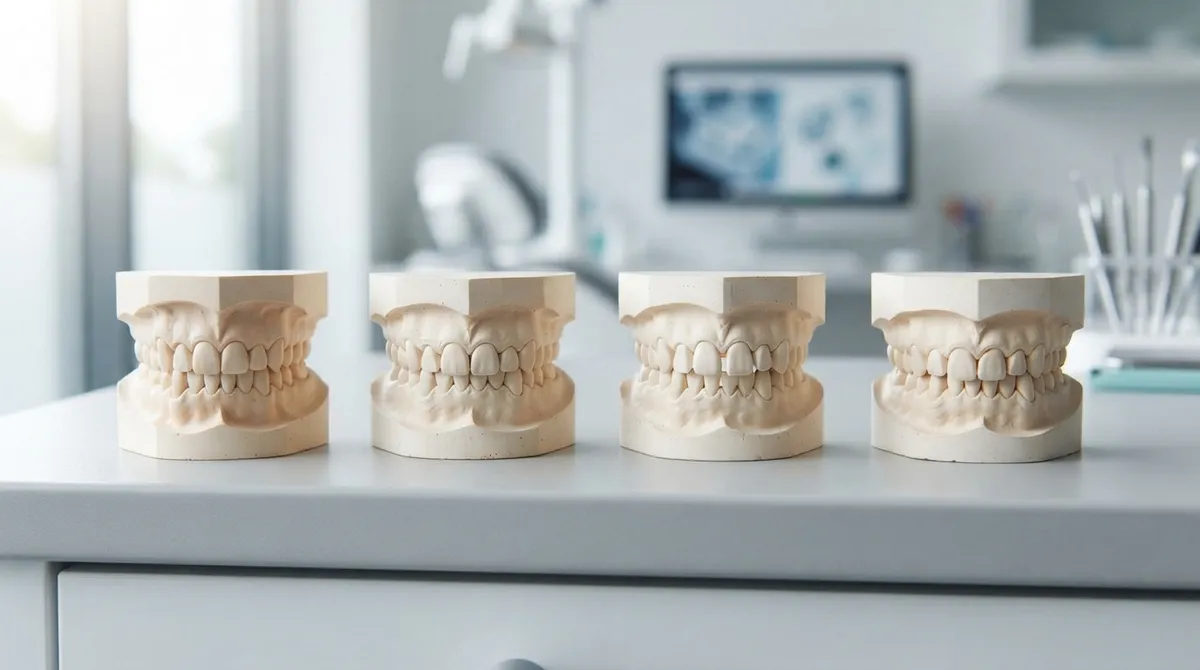
Common Types of Bite Problems
There isn’t just one kind of bad bite. In fact, many people have more than one issue happening at the same time. Here are the most common types orthodontists see every day:
- Overbite (deep bite): Upper front teeth cover the lower teeth too much when you bite down.
- Overjet: Upper front teeth stick out further than normal, sometimes called “buck teeth.”
- Underbite: Lower teeth sit in front of the upper teeth.
- Crossbite: Some upper teeth sit inside the lower teeth instead of outside.
- Open bite: Upper and lower front teeth don’t touch when the mouth is closed.
- Crowding: Teeth don’t have enough room, so they overlap or twist.
- Spacing: Noticeable gaps between teeth.
A thorough evaluation can pinpoint exactly which of these issues you’re dealing with. If you’re curious about your own smile, our page on common orthodontic problems breaks each one down in more detail.
What Causes Bite Problems in the First Place?
Bite issues can come from several sources, and often it’s a mix of a few. Understanding the cause helps your orthodontist choose the right fix.
- Genetics: Jaw size and shape often run in families.
- Childhood habits: Prolonged thumb sucking, pacifier use, or tongue-thrusting can shift teeth over time.
- Early tooth loss: Losing baby teeth too soon can cause neighboring teeth to drift.
- Mouth breathing: This can affect how the jaw and palate develop, especially in growing children.
- Injury or trauma: A fall or accident can knock teeth out of alignment.
- Impacted teeth: Teeth that don’t erupt properly can push others out of place.
Because the causes vary so much, every treatment plan should be personalized. That’s exactly the approach Dr. Flor Segovia takes with each patient at Segovia Orthodontics in Lakewood Ranch.
How Orthodontists Diagnose Bite Problems
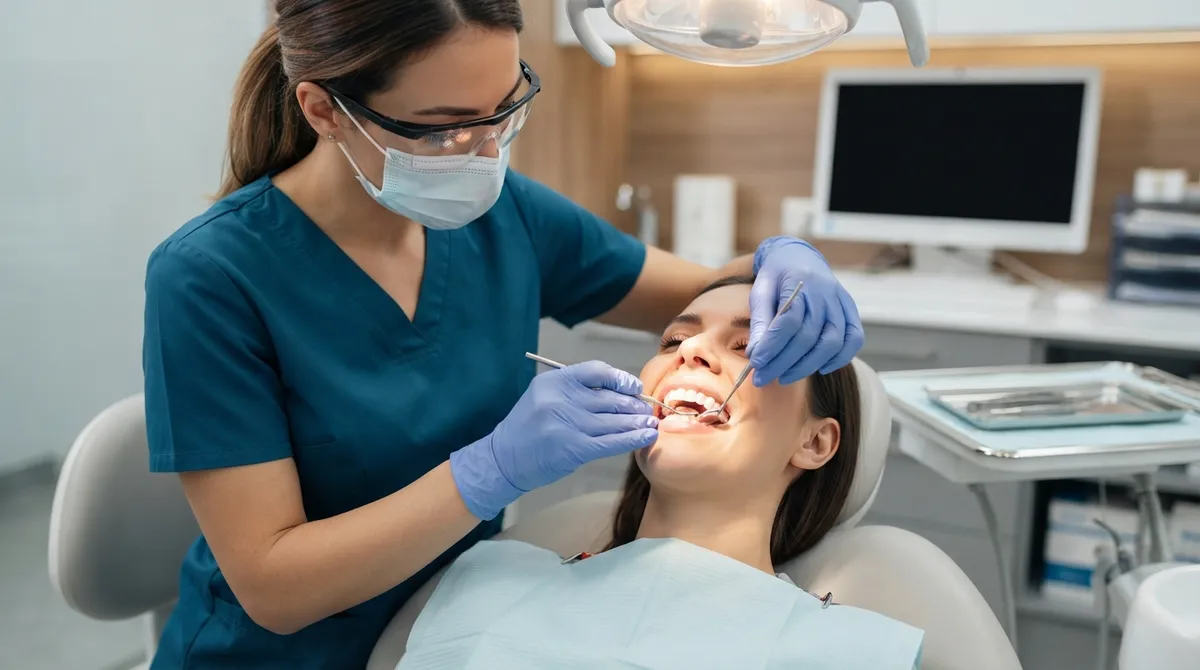
A proper diagnosis is the first step toward a healthier smile. During a bite-correction consultation, your orthodontist will typically:
- Perform a clinical exam of your teeth, gums, and jaw
- Take photographs and digital scans or impressions
- Capture X-rays to see root positions and jaw structure
- Review your facial growth patterns and bite relationship
- Discuss your goals, concerns, and lifestyle needs
This full picture allows your orthodontist to recommend the most effective treatment. Curious what this visit looks like step by step? Check out our guide on what happens during an orthodontic evaluation.
Treatment Options for Bite Correction
Traditional Braces
Metal braces remain one of the most reliable ways to correct complex bites, especially for kids and teens whose jaws are still growing. At Segovia Orthodontics, we offer fun, personality-packed options like WildSmiles Braces, featuring shapes like stars, hearts, and even Mickey Mouse brackets for young Disney fans. These braces don’t just look fun. Their unique shape actually helps kids brush more thoroughly, since it’s easy to spot plaque buildup around the bracket edges.
LightForce Custom Braces
For patients who want precision and speed, LightForce Orthodontics is a fully digital, 3D-printed bracket system custom-made for your teeth. Because each bracket is designed specifically for your smile, treatment can move up to 45% faster than traditional methods. The brackets also come in clear or white options, making them far less noticeable than standard metal braces.
Clear Aligners
For teens and adults who want a nearly invisible option, clear aligners are a popular choice. We also offer Angel Aligners, which use a smart “7+3” wear schedule (seven days on a flexible tray, then three days on a firmer one) to speed up tooth movement. They’re often more budget-friendly than other clear aligner brands while still using advanced 3D digital planning.
Other Appliances
Depending on your bite issue, your orthodontist might also recommend:
- Palatal expanders for narrow upper jaws
- Elastics (rubber bands) to correct jaw relationships
- Functional appliances for growing children
- Space maintainers after early tooth loss
- Orthognathic jaw surgery for severe skeletal discrepancies
Comparing Bite Correction Options
| Treatment | Best For | Visibility | Typical Duration |
|---|---|---|---|
| Traditional Metal Braces | Complex bites, growing kids and teens | Visible | 18-24+ months |
| LightForce Braces | Precision cases wanting speed and subtlety | Low (clear/white options) | Often reduced by up to 45% |
| Clear Aligners (Angel Aligners) | Mild to moderate cases, discreet adult treatment | Nearly invisible | Varies, often 12-18 months |
| Jaw Surgery + Braces | Severe skeletal bite problems | Visible during phase | 18-32 months total |
How Long Does Bite Correction Take?
This is one of the most common questions we hear, and it makes sense since everyone wants a timeline. Generally speaking, moderate bite problems treated without surgery take about 18 to 24 months. This isn’t a hard rule though. Your timeline depends on things like:
- How severe your bite issue is
- Whether your jaw is still growing
- Which appliance you’re using
- How consistently you wear aligners or attend appointments
- Whether surgery is part of your plan
Complex skeletal cases that require orthodontics combined with jaw surgery may take anywhere from 18 to 32 months across both the presurgical and postsurgical phases. Your orthodontist will give you a personalized estimate after your evaluation, not a generic number pulled from a chart.
Is There a Best Age for Bite Correction?
Many parents wonder when they should bring their child in for an evaluation. The general recommendation is around age 7, even though treatment usually doesn’t start right away. This early check allows your orthodontist to spot problems like severe crossbites or crowding while there’s still time to guide jaw growth.
That said, a 2023 scoping review found that early two-phase treatment isn’t always better than treating everything in one comprehensive phase after more permanent teeth come in. Early treatment tends to work best for specific situations, such as harmful oral habits or major growth discrepancies. Learning more about early orthodontic treatment can help you decide what’s right for your child.
Can Adults Fix Their Bite Too?
Absolutely, and adults make up a growing share of orthodontic patients. Since jaw growth is complete by adulthood, treatment may take a bit longer or require managing other factors like gum health, missing teeth, or old dental work. Clear aligners handle many mild-to-moderate adult cases beautifully, though braces or other appliances may still be needed for more complex movements.
If you had braces as a teen and your teeth have since shifted, you’re definitely not alone. Many adults return for a tune-up years later. Our page on adult orthodontics covers discreet options designed around busy schedules and professional appearances.
What About Retainers After Treatment?
Here’s something that surprises a lot of patients: finishing active treatment isn’t the end of the story. Teeth naturally want to drift back toward their original position, a process called relapse. That’s why orthodontic retainers are so important. Wearing your retainer as instructed protects the investment you just made in your smile, keeping everything exactly where it should be.
Possible Risks to Know About
Bite correction is generally safe, but like any treatment, it comes with a few things to watch for:
- Temporary soreness after adjustments or new aligner trays
- Cavities or enamel damage if hygiene slips during treatment
- Gum inflammation around brackets or wires
- Root shortening in rare cases
- Appliance-related irritation to cheeks or gums
- Relapse if retainers aren’t worn as directed
- A friendly welcome and quick review of your dental and health history
- A visual exam of your teeth, gums, and jaw alignment
- Digital scans or X-rays if needed
- A conversation about your concerns and goals
- A personalized treatment plan with cost and timeline estimates
Your orthodontist will walk you through your specific risks and how to avoid them. Staying consistent with cleanings and check-ups makes a huge difference. For guidance backed by rigorous training standards, the American Board of Orthodontics is a great resource on what qualified specialty care looks like.
Why Choose a Board-Certified Orthodontist for Your Bite Correction
Not every provider offering orthodontic treatment has the same level of specialized training. Choosing a board certified orthodontist means you’re working with someone who has gone through extra years of focused education beyond dental school. Dr. Flor Segovia brings that expertise, along with bilingual care in English and Spanish, to every patient who walks through our doors.
We also use advanced orthodontic technology to make diagnosis and treatment planning as accurate and comfortable as possible. From digital scans to precision-crafted brackets, we’re always looking for ways to make your experience smoother.
What to Expect at Your First Visit
Feeling nervous about that first appointment is completely normal. Here’s a simple rundown of what typically happens:
Want more detail? Our page on your first orthodontic visit walks through the entire process so you know exactly what to expect.
Finding Support in Lakewood Ranch
If you’re in Lakewood Ranch or the surrounding Bradenton and Sarasota area, you don’t have to figure out your bite issues alone. Our team genuinely enjoys getting to know families and helping every patient, from young kids to working professionals, feel confident about their smile journey. You can visit us on Google — Segovia Orthodontics to see what real patients have to say about their experience with us.
We also love connecting with our community online. Follow along on our Facebook page or check out real smile transformations on our Instagram page for a behind-the-scenes look at life in our office.
Ready to Get Started?
Your smile deserves a bite that works as well as it looks. Whether you’re exploring options for your child, considering clear aligners before a big life event, or finally addressing a bite that’s bothered you for years, we’re here to help every step of the way. Reach out to contact us with any questions, or go ahead and request an appointment to get your personalized bite-correction plan started. You can also simply call us at 941-557-1333 and our friendly team will take great care of you. We can’t wait to help you smile with confidence.
FAQs
Q: What is bite correction in orthodontics?
A: Bite correction is the process of fixing how your upper and lower teeth and jaws fit together. It can improve chewing, speech, comfort, and appearance, and it often involves braces, clear aligners, or other appliances depending on your specific needs.
Q: How do I know if I need bite correction?
A: Common signs include teeth that don’t line up when you bite down, jaw discomfort, uneven wear on your teeth, or trouble chewing certain foods. The best way to know for sure is a friendly evaluation with an orthodontist who can take a close look and guide you from there.
Q: Can adults correct an underbite or deep bite without surgery?
A: In many cases, yes! Mild to moderate bite issues in adults can often be treated with braces or clear aligners alone. More severe skeletal problems may need jaw surgery, but your orthodontist will always explore the least invasive option first.
Q: How long does orthodontic bite correction take?
A: Moderate cases typically take about 18 to 24 months, though this varies based on severity, your age, and the appliance used. Complex cases involving jaw surgery can take longer, often 18 to 32 months across all treatment phases.
Q: Will I need to wear a retainer after bite correction?
A: Yes, retainers are a key part of keeping your new smile in place. Teeth naturally want to shift back over time, so wearing your retainer as recommended helps protect all the progress you’ve made.
Our Service Area