Key Takeaways
-
Most bite problems can be treated with braces or clear aligners without surgery; modern options like 3D-printed LightForce braces can reduce treatment time by up to 45% compared to standard braces.
-
Children should receive their first orthodontic evaluation by age 7 to catch bite issues early while jaw growth is still occurring, though not all children need immediate treatment.
-
Adults can successfully correct bite problems at any age using discreet options like clear aligners and tooth-colored brackets, with higher success rates due to better compliance with retainer wear.
-
After active treatment ends, wearing a retainer as prescribed is essential to prevent teeth from shifting back to their original positions.
Do you ever catch yourself chewing on one side of your mouth? Or maybe you’ve noticed your front teeth don’t quite line up when you smile in photos. If so, you might be dealing with a bite problem. Don’t worry, though—you’re definitely not alone, and the good news is that bite correction treatment can help.
At Segovia Orthodontics in Lakewood Ranch, we see families and adults every week who want to fix these exact issues. Whether you’re a busy mom watching your child’s teeth come in a little crooked, or you’re an adult ready to finally fix that overbite you’ve had since childhood, this guide will walk you through everything you need to know. Let’s dig in together!
What Is Bite Correction Treatment, Exactly?
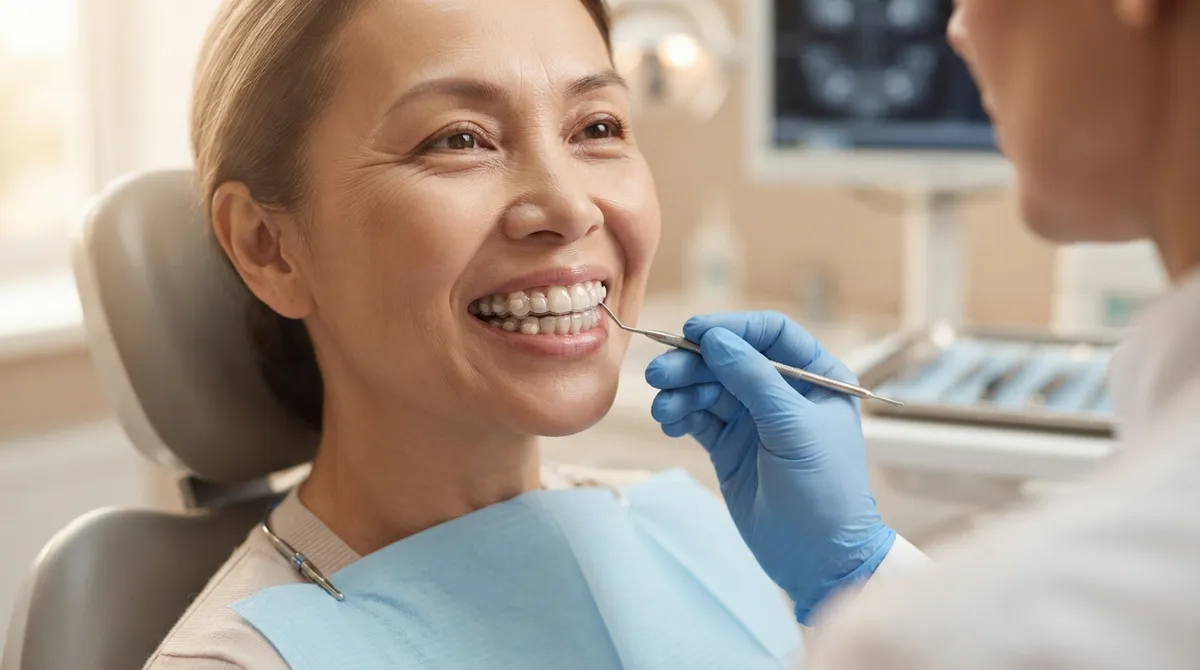
Bite correction treatment is orthodontic care that fixes how your upper and lower teeth meet. Dentists call this a “malocclusion,” which is just a fancy word for a bad bite. When your teeth don’t line up right, it can cause problems with chewing, speaking, and even jaw comfort.
There are several common bite patterns that orthodontists like Dr. Flor Segovia see every day:
- Overbite: Your top teeth stick out too far over your bottom teeth
- Underbite: Your bottom teeth stick out past your top teeth
- Crossbite: Some upper teeth sit inside your lower teeth instead of outside
- Open bite: Your front teeth don’t touch at all when your mouth is closed
- Overjet: Your upper teeth jut forward at an angle
Any of these sound familiar? If so, you’re reading the right article. Learning more about common orthodontic problems can help you understand exactly what you’re dealing with before your first visit.
How Do Orthodontists Figure Out What’s Wrong?
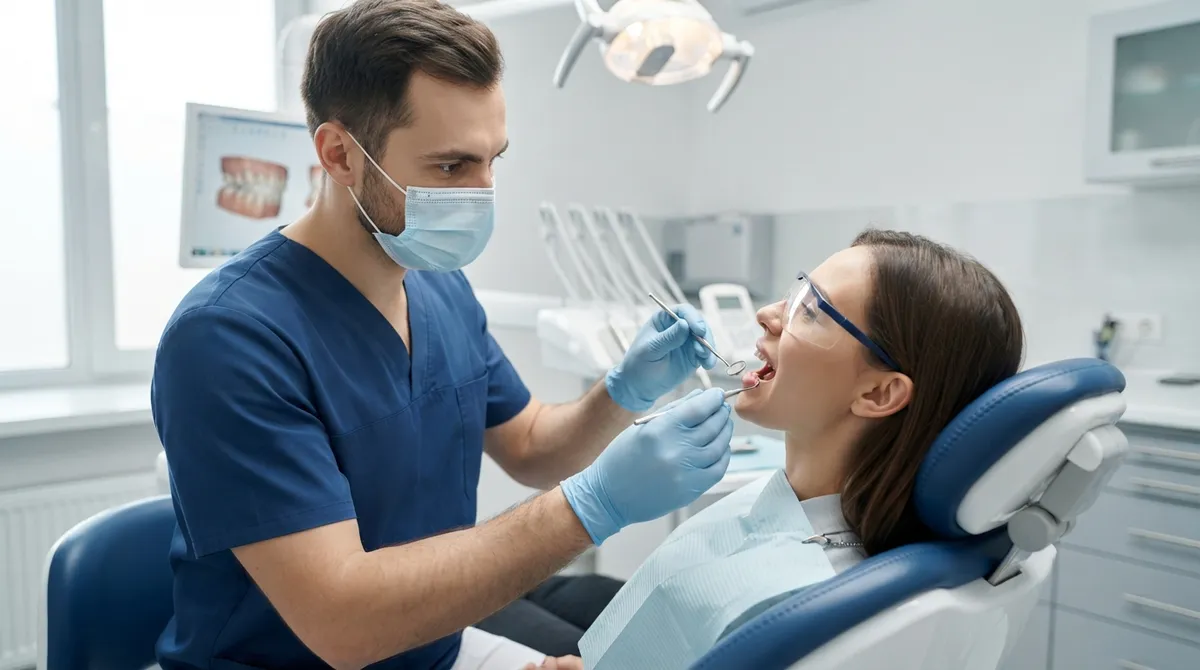
Before anyone starts fixing your bite, they need to know exactly what’s causing the problem. This is where a thorough orthodontic evaluation comes into play.
Here’s what typically happens during this assessment:
- The orthodontist examines your teeth, gums, and jaw alignment
- X-rays and digital scans map out your bite and bone structure
- The doctor checks whether your growth stage matters (especially for kids)
- They determine if the issue is mainly about tooth position or jaw structure
- A custom treatment plan gets built around your specific needs
This last point is really important. Some bite problems come from teeth being crowded or misaligned. Others come from the jaw bones themselves growing unevenly. Knowing the difference changes everything about your treatment plan.
Treatment Options: Braces, Aligners, and More
The good news? Most bite problems can be treated without surgery. Fixed braces and clear aligners can move teeth into much better positions for many common bite issues.
Traditional and Modern Braces
At our office, we offer a few different types of braces depending on what fits your lifestyle and smile goals. WildSmiles Braces bring a fun twist to treatment, especially for kids and teens, with shapes like stars, hearts, and even Mickey Mouse brackets. This makes brushing easier to check and treatment way more exciting for younger patients.
For patients who want cutting-edge technology, LightForce Orthodontics uses 3D printing to create brackets custom-fitted to your exact teeth. This can speed up treatment time by up to 45% compared to standard braces. Pretty amazing, right?
Clear Aligners
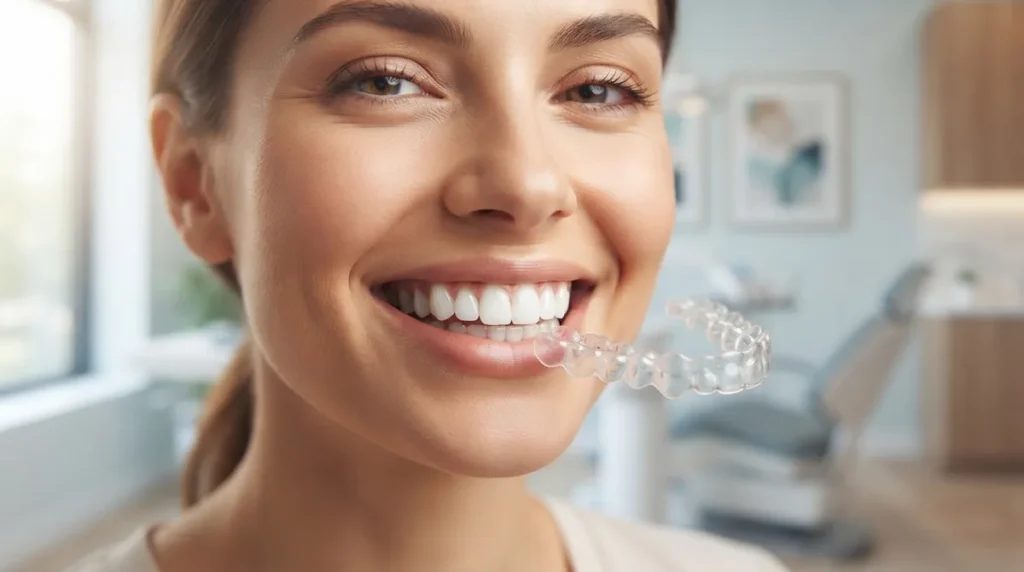
Many young professionals and adults prefer clear aligners because they’re nearly invisible. Angel Aligners, one option we offer, use a smart “7+3” wearing schedule. You wear a flexible tray for seven days, then a firmer one for three days. This approach can speed up tooth movement and mean fewer office visits for you.
Clear aligners work great for many bite issues, but not every case is right for them. An orthodontist needs to check if your specific bite problem can be treated this way.
Extra Tools for Tricky Bites
Sometimes braces or aligners alone aren’t enough. Your orthodontist might also use:
- Rubber bands (elastics) to pull teeth into better position
- Expanders to widen a narrow jaw
- Functional appliances that guide jaw growth in kids
- Small anchors called temporary anchorage devices for extra support
- Tooth removal in some crowded cases
| Treatment Type | Best For | Typical Age Group |
|---|---|---|
| Traditional Braces | Complex bite issues, jaw guidance | Kids, Teens, Adults |
| Clear Aligners | Mild to moderate bite problems | Teens, Adults |
| Growth Appliances | Jaw development issues | Growing children |
| Braces + Jaw Surgery | Severe skeletal discrepancies | Adults (post-growth) |
When Should Kids Get Checked for Bite Problems?
If you’re a parent, you might be wondering when to bring your child in. The American Association of Orthodontists suggests kids get their first orthodontic check by age 7. This doesn’t mean every child needs treatment right away.
Some kids benefit from early orthodontic treatment because their jaws are still growing. This growth window allows orthodontists to guide bone development in ways that simply aren’t possible once growth stops. Other kids just need monitoring until they’re a bit older.
Not every child needs early treatment, and that’s perfectly okay. A qualified orthodontist can tell you honestly whether your child’s bite needs attention now or can wait. We always recommend checking out our first orthodontic visit page so you know what to expect.
Can Adults Fix Their Bite Too?
Absolutely! We treat plenty of adults at Segovia Orthodontics who assumed it was “too late” for them. Spoiler alert: it’s never too late. Adult orthodontics has come a long way, with more discreet options than ever before.
This is especially great news for career-focused professionals who want results without anyone noticing they’re in treatment. Clear aligners and tooth-colored brackets mean you can straighten your bite while still looking polished for that big meeting or client presentation.
We also see many adults who had braces as teenagers but experienced relapse—meaning their teeth shifted back over time. If this is you, you’re actually a great candidate for treatment. Adults tend to be highly compliant with wearing retainers and following instructions, which leads to excellent results.
When Is Jaw Surgery Necessary?
For most patients, braces or aligners alone do the trick. But sometimes, when there’s a significant mismatch between the upper and lower jaw, orthodontics alone can’t fully correct it.
In these cases, your orthodontist might recommend combining braces with orthognathic surgery, which is another term for corrective jaw surgery. According to information from the NHS East Lancashire Hospitals, this type of treatment often takes about two and a half to three and a half years total. Surgery typically happens around two-thirds of the way through treatment, followed by another six to nine months of braces to fine-tune the results.
This sounds like a long process, but remember: every treatment plan varies based on your specific needs. Board-certified orthodontists, like Dr. Flor Segovia, work closely with oral surgeons to coordinate care so your results look and feel natural.
Steps to Starting Your Bite Correction Journey
Feeling ready to get started? Here’s a simple roadmap:
- Schedule a consultation with a board-certified orthodontist
- Get a full evaluation including X-rays and digital scans
- Discuss your options based on your specific bite issue
- Choose a treatment plan that fits your lifestyle and budget
- Begin treatment with regular check-ins to track progress
- Wear your retainer after treatment to protect your results
Speaking of retainers, this step is not optional! After your active treatment ends, you’ll need to wear orthodontic retainers to keep your teeth from drifting back. Your orthodontist will tell you exactly how often and how long to wear yours.
Why Choose Segovia Orthodontics for Your Bite Correction?
We know choosing an orthodontist is a big decision. Here’s why so many Lakewood Ranch families trust us with their smiles:
- Board-certified expertise from Dr. Flor Segovia, verified through the American Board of Orthodontics
- Bilingual care in English and Spanish for comfortable communication
- Advanced orthodontic technology including digital scanning and 3D-printed braces
- Flexible orthodontic financing options to fit real-life budgets
- A warm, family-friendly atmosphere for patients of every age
Want to see what real patients think? Check out our Facebook page and our Instagram page for smile transformations and helpful tips. You can also visit us on Google — Segovia Orthodontics to read reviews from our Lakewood Ranch community.
Ready to Fix Your Bite?
Living with a misaligned bite doesn’t have to be your forever story. Whether you’re a concerned parent, a busy professional, or someone getting ready for a big life event like a wedding or graduation, bite correction treatment can help you feel more confident every time you smile.
Our team at Segovia Orthodontics genuinely cares about making this process smooth, comfortable, and even a little fun along the way. So why wait any longer? Reach out today to request an appointment, or feel free to contact us with any questions you have. You can also call us at 941-557-1333 to speak with our friendly team directly. We can’t wait to help you start your smile transformation!
FAQs
Q: What is bite correction treatment?
A: Bite correction treatment is orthodontic care that fixes how your upper and lower teeth meet when your mouth closes. It can involve braces, clear aligners, growth appliances, or in some cases, jaw surgery combined with braces. Your orthodontist will figure out the best approach based on your unique smile!
Q: Can braces or clear aligners fix an overbite, underbite, or crossbite?
A: Yes, in many cases! Braces and clear aligners can correct a wide range of bite issues by gently moving teeth into better positions. However, some jaw-related discrepancies may need extra tools like expanders or, in severe cases, surgery alongside orthodontic treatment.
Q: How long does orthodontic bite correction take?
A: It really depends on how complex your bite issue is. Simple cases might take a year or so, while more involved treatments combining braces with jaw surgery can take two and a half to three and a half years. Your orthodontist will give you a personalized timeline at your consultation.
Q: When should a child be evaluated for bite problems?
A: Most orthodontists, including our team, recommend a first checkup around age 7. This doesn’t mean treatment starts right away—it just helps catch potential issues early while there’s still time to guide jaw growth if needed. Not every child needs treatment immediately, so don’t stress!
Q: Do I need to wear a retainer after bite correction treatment?
A: Yes, retainers are a must after active treatment ends. They help keep your teeth from shifting back to their old positions. Your orthodontist will let you know exactly how often and how long you should wear yours based on your specific case.
Our Service Area