


Key Takeaways
-
Gum health must be treated and stabilized before starting orthodontic treatment in seniors; active gum disease requires 3-6 months of healing after deep cleanings or surgery before braces can be applied.
-
Age alone doesn’t prevent teeth from moving; orthodontic success depends on gum health, jawbone strength, and overall medical stability, meaning a healthy 70-year-old may be a better candidate than a younger adult with gum disease.
-
Senior orthodontic treatment requires longer adjustment intervals (10-12 weeks vs. 8 weeks for teens) and more frequent x-ray monitoring (yearly) due to slower bone remodeling and increased risk of root resorption.
-
Clear aligners are popular with seniors for their removability, invisibility, and fewer office visits, though traditional or ceramic braces may be better for complex bite issues that require fixed appliances.
-
Senior orthodontic treatment typically takes 8-12 months for mild cases and 12-18 months for standard cases, with treatment costs averaging around $5,500 for both braces and aligners across the United States.
-
Before treatment, orthodontists must evaluate gum health, bone density, existing dental work like crowns or implants, medications affecting healing, and medical conditions to create a personalized, safe treatment plan for older patients.
Think braces are just for kids and teens? Think again. More adults over 60 are walking into orthodontic offices today than ever before, and they’re leaving with straighter teeth and brighter smiles. In fact, nearly one in four orthodontic patients today is over 18, and a growing slice of that group is well into their senior years. If you’ve been dreaming of a straighter smile but assumed you’d “missed your window,” we have good news: that window is still wide open.
Senior orthodontics is a real, safe, and increasingly popular path to a healthier bite and a smile you feel proud of. Whether you’re helping an aging parent, considering treatment for yourself, or simply curious, this guide walks you through everything you need to know. We’ll cover safety, timelines, treatment options, and what makes senior care a little different from teen or young adult treatment. Let’s dig in.

Is There Really No Age Limit for Braces?
Here’s the simple truth: your age alone does not stop your teeth from moving. The biological process that shifts teeth into new positions works the same way at 65 as it does at 15. What actually matters is the health of your gums, the strength of your jawbone, and your overall medical stability.
This means a healthy 70-year-old with strong gums may be a fantastic orthodontic candidate. Meanwhile, a much younger adult with untreated gum disease may need extra steps before starting treatment. Age is just a number here. Your dental health tells the real story.
What Doctors Actually Check Before Treatment
Before recommending braces or clear aligners, your orthodontist will look closely at a few key things. This isn’t just a formality. It’s how they make sure your treatment will be safe and successful.
- Gum health and presence of any active periodontal disease
- Bone density around the teeth and jaw
- Existing dental work like crowns, bridges, or implants
- Any medications that affect bone healing or gum tissue
- Overall medical stability and chronic conditions
- History of tooth loss or wear patterns from grinding
If you want to learn more about what happens during this review process, our orthodontic evaluation guide walks through each step in detail.
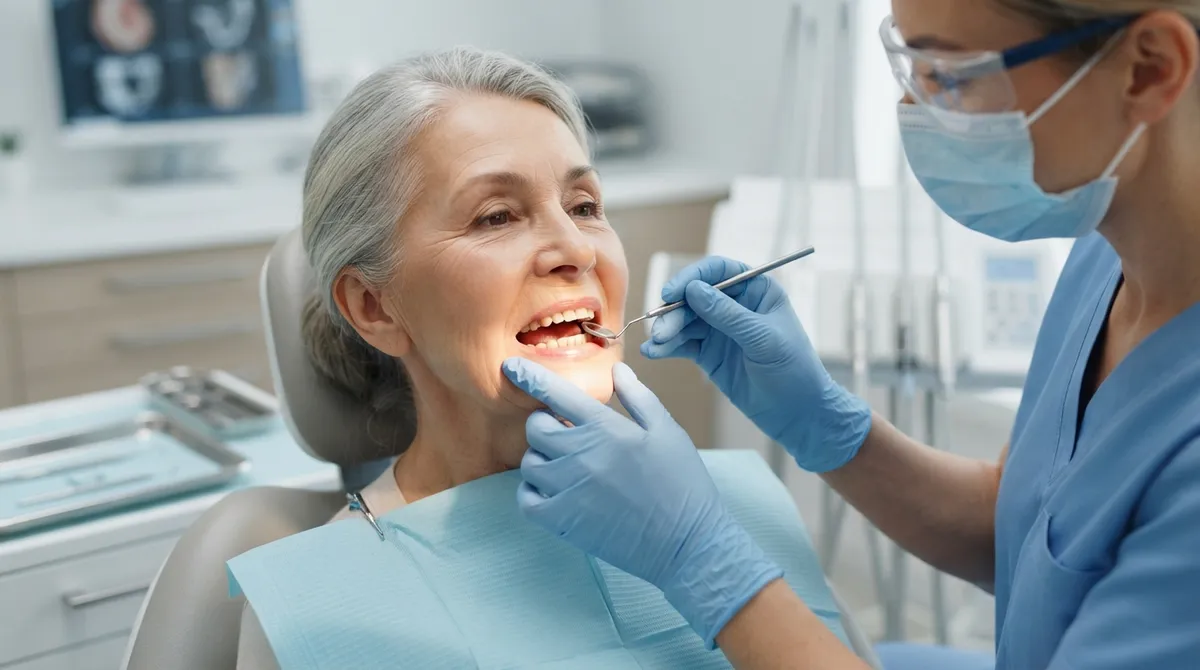
Why Gum Health Comes First
If you have active gum disease, called periodontitis, this needs to be treated before braces go on. Your orthodontist and dentist will likely recommend deep cleanings, called scaling and root planing, or in some cases minor gum surgery.
After treatment, your gums need time to heal and stabilize. Most patients need a three to six month waiting period to confirm the gums are healthy and steady before orthodontic movement begins. Skipping this step can lead to bone loss or loose teeth, so it’s worth the patience.
Why This Step Matters So Much for Older Patients
As we age, our gums and bone naturally become a bit more fragile. Moving teeth puts gentle pressure on the surrounding bone, and if that bone is already compromised, treatment can become risky. That’s why a thorough gum health check is non-negotiable for senior patients.
How Senior Treatment Differs From Teen Treatment
Your teenager’s orthodontic experience and a senior’s experience share the same goal, a straighter, healthier smile, but the path there looks a little different. Here’s a side-by-side comparison to help clarify things.
| Factor | Teen Patients | Senior Patients |
|---|---|---|
| Bone remodeling speed | Fast | Slower, requires patience |
| Adjustment intervals | Every 8 weeks | Every 10-12 weeks |
| X-ray monitoring | Every 18-24 months | Every 12 months |
| Common goals | Bite correction, aesthetics | Bite alignment, protecting existing dental work |
| Popular treatment type | Traditional braces | Clear aligners or discreet braces |
Because bone remodels more slowly later in life, your orthodontist will space out adjustments and take things at a gentler pace. This isn’t a setback. It’s simply the smart, careful way to protect your smile for the long haul.
What Are the Risks for Patients Over 65?
Every medical treatment carries some level of risk, and orthodontics is no exception. But for most healthy seniors, the risks are manageable with proper planning. Here are the main things your orthodontist will watch closely.
- Root resorption, which is a gradual shortening of the tooth root, is monitored more frequently with yearly x-rays.
- Bone density concerns are addressed through slower force application and longer healing windows between adjustments.
- Existing dental restorations like crowns or bridges are factored into the treatment plan to avoid unwanted movement or damage.
- Dry mouth, common with certain medications, is managed with extra hygiene guidance to protect enamel during treatment.
- Slower healing means your orthodontist may recommend gentler forces overall, extending treatment slightly but improving safety.
The good news? None of these risks are dealbreakers. They just mean your treatment plan will be personalized to fit your body’s needs. This is exactly the kind of careful, individualized care you’ll find with our board certified orthodontist team.
Clear Aligners vs. Braces: What’s Better for Seniors?
This is one of the most common questions we hear. Both options work well, but each has its own perks depending on your lifestyle and goals.
| Feature | Clear Aligners | Traditional or Ceramic Braces |
|---|---|---|
| Visibility | Nearly invisible | Ceramic braces are subtle; metal is more visible |
| Office visits | Fewer visits needed | More frequent adjustments |
| Removable for eating | Yes | No |
| Best for | Mild to moderate cases | Complex bite issues |
| Comfort with dentures/implants | Generally easier to manage | Requires careful bracket placement |
Many seniors gravitate toward clear aligners because they’re easy to remove for meals and cleaning, and they blend in beautifully with everyday life. If you want to dig deeper into this comparison, check out our article on braces vs. clear aligners.
That said, some senior patients with more complex bite issues do better with fixed braces. Options like LightForce Orthodontics offer custom-fitted, 3D-printed brackets that are subtle in appearance and can shorten treatment time significantly, sometimes by up to 45 percent compared to traditional systems.
Why Seniors Choose Orthodontic Treatment
It’s not just about looks, though a confident smile is a wonderful bonus. Many seniors pursue orthodontics for practical, health-focused reasons.
- Protecting existing dental implants or bridges from added stress caused by misalignment
- Improving bite function to make chewing more comfortable
- Reducing strain on the jaw joint that can lead to headaches or jaw pain
- Making it easier to clean teeth properly and prevent future decay
- Preserving what dentists call “biological capital,” meaning the natural teeth and bone you still have
- Feeling more confident in photos, social settings, and everyday interactions
Straight teeth are simply easier to keep clean. That alone can make a big difference in avoiding future dental problems, which is a huge win for long-term oral health.
How Long Does Senior Orthodontic Treatment Take?
Treatment length varies from person to person, but here’s a general roadmap you can expect.
- Mild cases, like small gaps or minor crowding, often wrap up in 8 to 12 months.
- Standard cases, involving moderate misalignment, typically take 12 to 18 months.
- Complex cases involving bite correction or multiple dental restorations may take longer, simply because bone density and healing time factor into the pace.
- Retainer wear follows treatment completion to keep your new smile stable for years to come.
Because seniors often need longer intervals between adjustments, around 10 to 12 weeks instead of the standard 8, treatment can take a bit more patience. But most patients agree the wait is well worth the results. Learn more about maintaining your results with our guide to orthodontic retainers.
Can Seniors With Dental Implants Get Braces?
Yes, but with a few important considerations. Dental implants don’t move the way natural teeth do, since they’re fused directly to the jawbone. This means your orthodontist has to plan carefully around them.
In many cases, implants actually serve as helpful anchor points during treatment. Your orthodontist will map out a plan that moves your natural teeth into better alignment while working around implants safely. This is a great example of why personalized treatment planning matters so much for older patients.
What Does Senior Orthodontic Treatment Cost?
Cost varies depending on the complexity of your case and the treatment option you choose. According to a 2020 American Dental Association survey, the average cost of braces and aligners for adults was estimated around $5,500, though this can shift based on your location and specific needs.
The good news is that many practices, including ours, offer flexible payment plans to make treatment more manageable. If cost has been holding you back, take a look at our orthodontic financing options designed to fit real-life budgets.
Tips for a Smooth Senior Orthodontic Journey
Starting orthodontic treatment later in life comes with its own rhythm. Here are a few friendly tips to help things go smoothly from day one.
- Keep up with regular dental cleanings throughout treatment to protect gum health
- Ask your orthodontist about any medications that might affect healing or bone density
- Be patient with slower adjustment schedules; they’re designed to protect you
- Choose clear aligners if you want a low-visibility, flexible option that fits your lifestyle
- Attend every check-up so your orthodontist can monitor root and bone health closely
- Communicate openly about any discomfort so adjustments can be made quickly
Our team takes pride in creating a warm, supportive environment for patients of every age. You can learn more about why families and seniors alike choose our practice right here in Lakewood Ranch.
What to Expect at Your First Visit
Feeling a little nervous about your first appointment? That’s completely normal, and we promise the process is simple and welcoming. Here’s what typically happens.
- A friendly consultation where you’ll discuss your smile goals and any concerns
- A full evaluation of your teeth, gums, and jaw using digital imaging
- A conversation about which treatment option fits your lifestyle best
- A clear breakdown of timeline, cost, and next steps
You can read more about what to expect during your first orthodontic visit to feel fully prepared before you arrive.
According to the American Board of Orthodontics, working with a board-certified specialist ensures you’re getting care backed by rigorous training and ongoing education, something especially valuable when treatment plans need to be customized for older patients.
Why Choose Segovia Orthodontics for Senior Care
At Segovia Orthodontics in Lakewood Ranch, Dr. Flor Segovia brings both expertise and warmth to every patient relationship, whether you’re 8 or 80. Our practice is built on the belief that everyone deserves a smile they love, at every stage of life. We offer bilingual care in English and Spanish, advanced technology, and a genuinely welcoming atmosphere for patients and families throughout the Lakewood Ranch and Bradenton area.
Curious what real patients have to say? You can visit us on Google — Segovia Orthodontics to read reviews from our community. You can also connect with us on our Facebook page or follow along on our Instagram page for smile transformations and helpful tips.
Bringing It All Together
Senior orthodontics isn’t a trend, it’s a smart, safe path toward a healthier, more confident smile at any age. With proper gum health, careful monitoring, and a treatment plan tailored just for you, there’s truly no reason to wait. Whether you’re drawn to discreet clear aligners or custom-fitted braces, the right option is out there waiting for you.
Ready to take the next step toward the smile you deserve? Request an appointment with our friendly team today, or feel free to contact us with any questions. You can also call us at 941-557-1333 to speak with someone directly. We can’t wait to help you smile with confidence.
FAQs
Q: Is there an age limit for getting braces as a senior?
A: Nope, there’s no upper age limit for orthodontic treatment! As long as your gums and jawbone are healthy, your teeth can move safely at any age. Your orthodontist will simply check your overall dental health first to build a plan that’s right for you.
Q: What are the risks of orthodontic treatment for patients over 65?
A: The main things to watch are root resorption, bone density, and slower healing, but these are all manageable with careful monitoring. Your orthodontist will likely schedule yearly x-rays and slower adjustment intervals to keep everything safe and on track.
Q: How does Invisalign compare to braces for senior patients?
A: Clear aligners like Invisalign are popular with seniors because they’re removable, nearly invisible, and require fewer office visits. That said, traditional or ceramic braces may work better for more complex bite issues, so it really depends on your specific needs.
Q: Do seniors need to treat gum disease before getting braces?
A: Yes, active gum disease needs to be fully treated and stable before starting orthodontic treatment. This usually means a three to six month healing period after any deep cleanings or gum procedures, just to make sure your foundation is solid.
Q: How long does orthodontic treatment take for elderly patients?
A: Mild cases can wrap up in as little as 8 to 12 months, while standard cases usually take 12 to 18 months. Treatment may take a bit longer than it would for a teenager, simply because bone remodels more slowly as we age.
Our Service Area

