Key Takeaways
-
Wear your retainer full-time for the first several months after braces or aligners, then switch to nighttime-only wear long-term; skipping wear even briefly allows teeth to shift noticeably within weeks.
-
Choose between three retainer types: clear removable (discreet for professionals), Hawley wire-and-acrylic (durable and adjustable), or fixed bonded (no-maintenance for forgetful teens).
-
Clean your retainer daily by rinsing with lukewarm water and brushing gently with a soft toothbrush; soak in cleaning solution several times weekly and store in a protective case to extend lifespan to 1-3 years.
-
Schedule regular follow-up visits during your first year (typically up to four appointments) to verify proper fit, check for tooth shifting, and ensure your retention plan is working effectively.
-
If your retainer feels tight or won’t fit after a break in wear, contact your orthodontist immediately rather than forcing it; you may need a replacement, temporary aligner therapy, or adjusted wear schedule.
-
Replacement retainers can be obtained quickly through new scans of your current teeth position; ask your orthodontist about financing options if cost is a concern, as prices vary by retainer type.
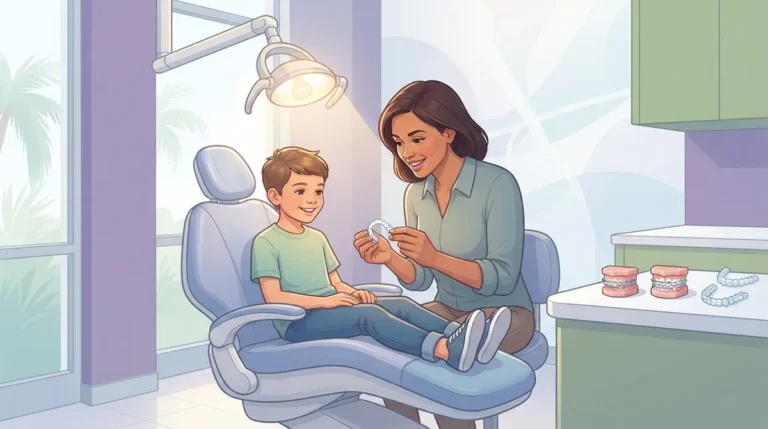
So, you finally got your braces off or finished your last aligner tray. Congrats! That’s a huge moment worth celebrating. But here’s a little secret many people don’t hear enough: your smile journey isn’t quite over yet. Retainers Lakewood Ranch patients receive after treatment are what actually lock in all that hard work. Skip this step, and your teeth might slowly drift back to where they started. Nobody wants that after months (or years) of effort.
Whether you’re a busy mom juggling three kids’ schedules, a young professional who just finished clear aligners before a big promotion, or someone getting ready for a wedding, retainers matter. This guide walks you through everything you need to know about retainers in Lakewood Ranch, from types and costs to care tips that actually work. Let’s get into it.
What Are Retainers and Why Do You Need One
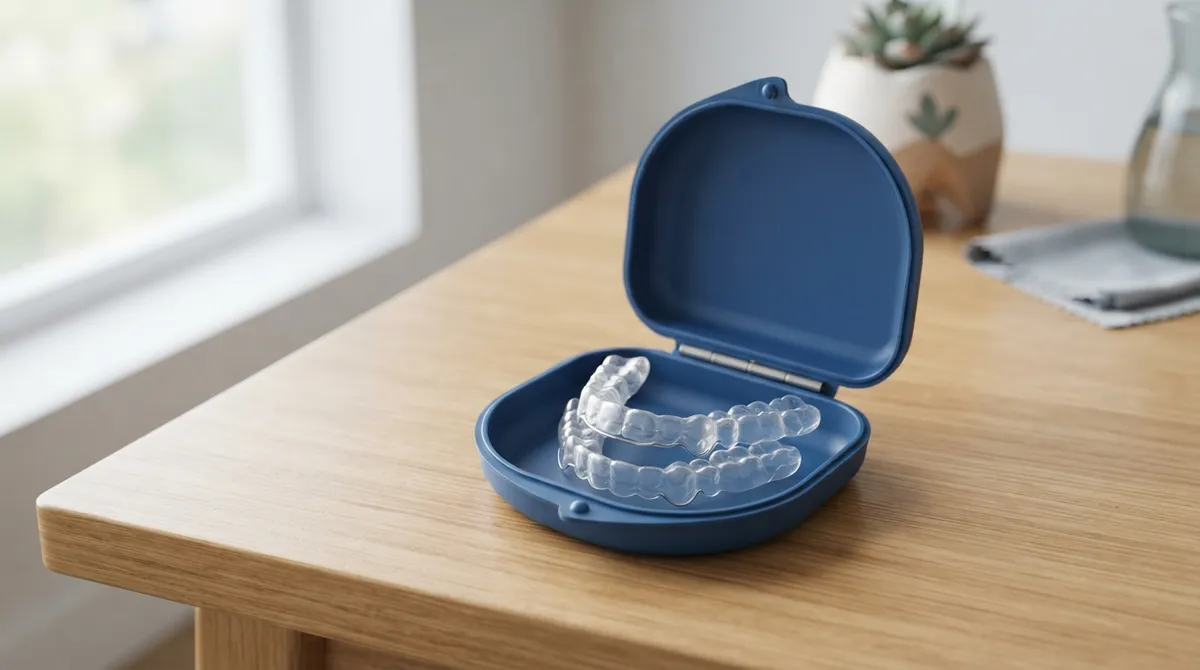
A retainer is a custom-made dental appliance that holds your teeth in their new position after braces or clear aligners. Think of it like a seatbelt for your smile. Your teeth sit in bone and gum tissue that needs time to settle into place. Without a retainer, that tissue can shift right back, undoing months of progress.
Here’s the honest truth: braces and aligners move your teeth, but retainers keep them there. This is why every good orthodontic treatment plan includes a retention phase. At Segovia Orthodontics, Dr. Flor Segovia makes sure every patient understands this step before finishing active treatment, so nobody is caught off guard.
Why Relapse Happens Without Retainers
Teeth are surprisingly mobile even after treatment ends. Natural aging, jaw growth, and everyday habits like chewing and talking all put pressure on your teeth. Without something holding them steady, they can slowly creep back toward their original spots within just a few months.
- Bone and gum tissue need time to fully stabilize around newly positioned teeth.
- Wisdom teeth coming in later can push front teeth out of alignment.
- Natural aging causes minor shifting even in people who never had braces.
- Nighttime grinding or clenching can speed up unwanted movement.
- Tongue and lip habits can gradually nudge teeth over time.
Types of Retainers Available in Lakewood Ranch
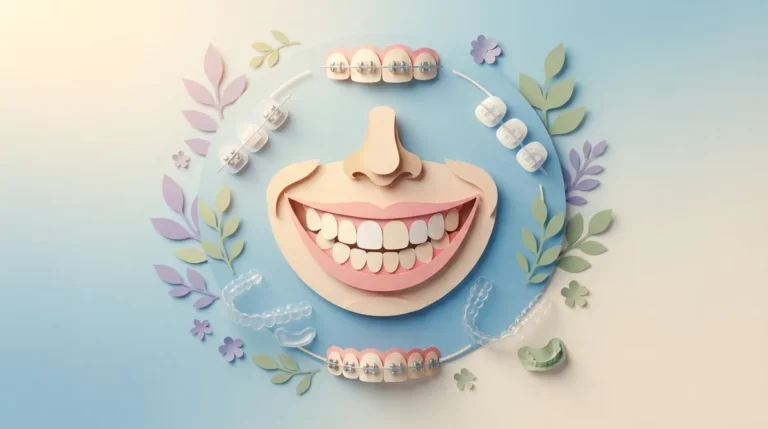
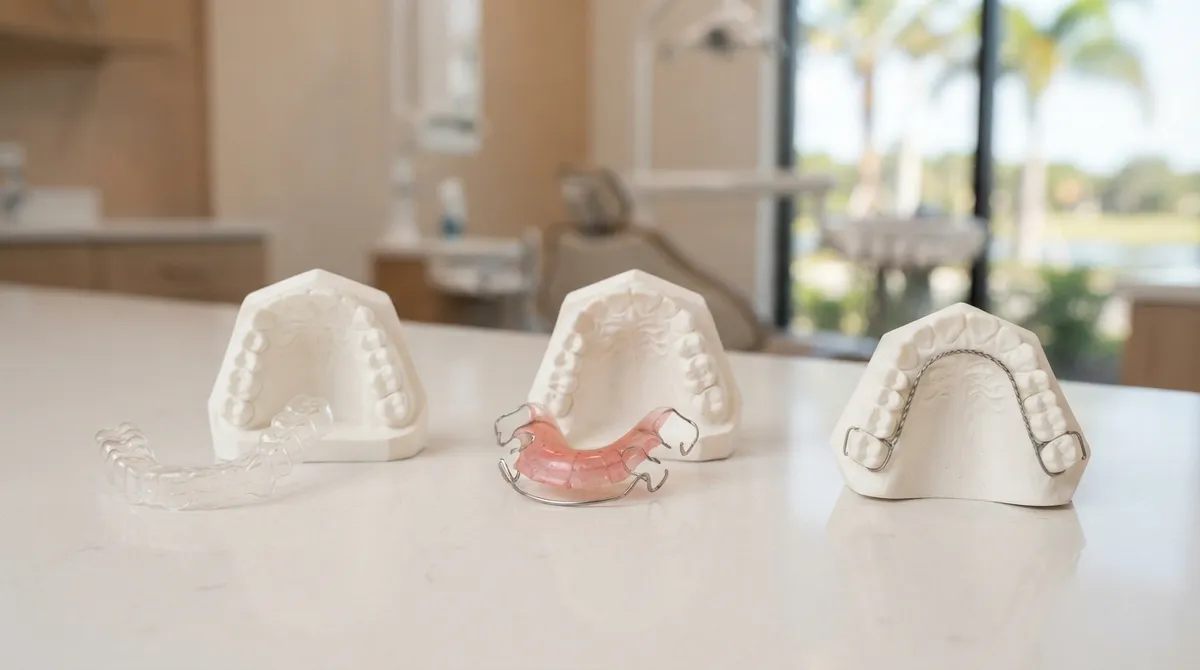
Not all retainers look or work the same way. Depending on your case, your orthodontist may recommend one type over another. Here’s a quick breakdown of what’s commonly offered at Lakewood Ranch orthodontic practices.
| Retainer Type | Description | Best For |
|---|---|---|
| Clear Removable Retainer | Thin, transparent plastic tray molded to your teeth | Patients wanting a nearly invisible option |
| Hawley Retainer | Acrylic and wire retainer that’s adjustable and durable | Patients needing long-term durability |
| Fixed/Bonded Retainer | Thin wire bonded behind the front teeth | Patients who want a no-maintenance option |
Clear retainers tend to be the most popular choice among young adults and career-focused professionals who want something discreet. Hawley retainers, with their classic wire-and-acrylic design, are known for being sturdy and easy to adjust if needed. Fixed retainers stay in place permanently, which some parents love for their teens since there’s no chance of losing them. You can learn more about the differences in our guide on Hawley retainer vs clear retainer options.
Removable vs Fixed Retainers: Quick Comparison
- Removable retainers are easier to clean since you take them out.
- Fixed retainers require no daily compliance, which is great for forgetful teens.
- Removable options let you eat and drink without restriction.
- Fixed retainers can sometimes trap food, needing extra flossing care.
- Removable retainers can be lost or damaged more easily than fixed ones.
How Long Do You Need to Wear a Retainer
This is probably the most common question we hear. The honest answer is: it depends on your case, but there are general patterns most Lakewood Ranch orthodontic practices follow.
- Full-time wear for the first several months (often close to a year) right after braces come off.
- Gradual reduction to nighttime-only wear as teeth stabilize.
- Long-term nighttime wear, sometimes indefinitely, to prevent any future shifting.
- Periodic check-ins with your orthodontist to confirm your retainer still fits properly.
- Replacement retainers as needed if the fit changes or the appliance wears out.
Some Lakewood Ranch providers describe a protocol of full-time wear for about six months, followed by reduced wear over the following years. Others recommend wearing retainers as much as possible during the entire first year. Either way, consistency is key. If you’re unsure about your specific schedule, it’s worth scheduling a visit or asking during your next checkup. You can always contact us if you have questions about your retention plan.
Retainer Follow-Up Visits: What to Expect
Retention isn’t a one-and-done deal. Many Lakewood Ranch orthodontic offices build in follow-up visits during the first year to check that everything is staying put. In fact, one local practice describes offering up to four retainer follow-up visits during that critical first year.
These visits typically include:
- Checking the fit of your current retainer.
- Making sure your teeth haven’t shifted since your last visit.
- Answering any questions about wear schedules or care.
- Discussing replacement options if your retainer is worn out or lost.
These check-ins give both patients and parents peace of mind. It’s especially reassuring for concerned moms who want to know their child’s investment in braces is truly protected long-term. Our orthodontic retainers page has more details on what our retention program includes.
How to Care for Your Retainer Properly
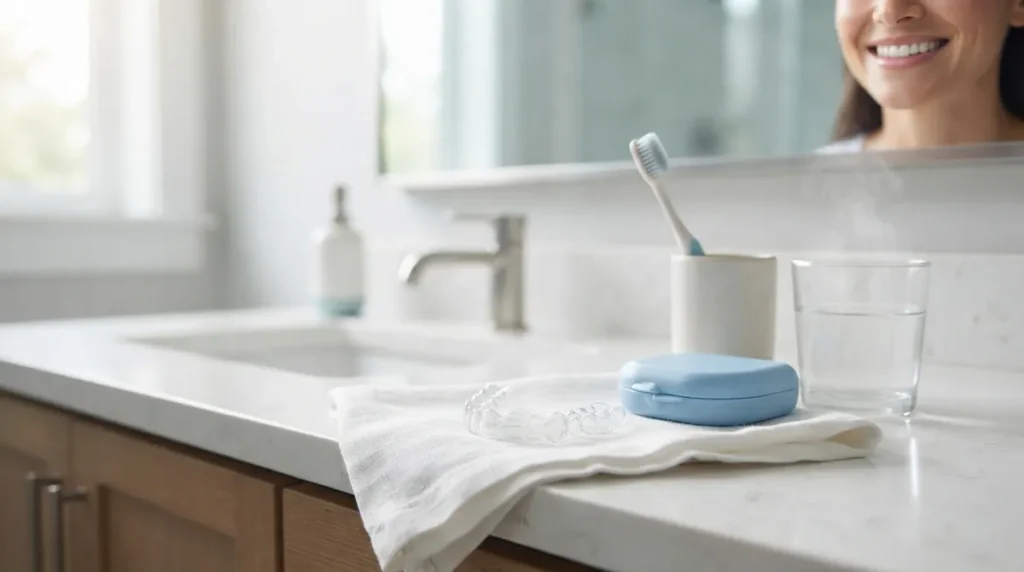
Taking care of your retainer isn’t complicated, but it does require some daily attention. Here’s a simple routine that works well for most patients.
- Rinse your retainer with lukewarm water every time you take it out.
- Brush it gently with a soft toothbrush (avoid regular toothpaste, which can scratch it).
- Soak it in a retainer-cleaning solution a few times a week.
- Store it in its protective case whenever it’s not in your mouth.
- Avoid hot water, dishwashers, or leaving it in a hot car, since heat can warp the plastic.
- Keep it away from pets, who love to chew on retainers left out in the open.
A little daily care goes a long way toward making your retainer last. Most removable retainers last about one to three years before they need replacing, depending on how well you care for them and how much wear they get.
Common Retainer Mistakes to Avoid
- Forgetting to wear it consistently, especially in the first few months.
- Leaving it wrapped in a napkin at a restaurant (a classic way retainers get lost).
- Skipping cleaning routines, which can lead to bacteria buildup.
- Not reporting a cracked or loose retainer right away.
- Switching wear schedules without checking with your orthodontist first.
If you want a deeper dive into avoidable errors, check out our article on orthodontic retainer mistakes to avoid.
What Happens If You Stop Wearing Your Retainer
We get it, life gets busy. But skipping retainer wear, even for a few weeks, can allow teeth to shift noticeably. Some patients find their retainer suddenly feels tight or won’t seat properly after a break in wear. This is often a sign that teeth have already started moving.
If this happens, don’t panic and don’t force the retainer into place. Instead, reach out to your orthodontist as soon as possible. Depending on how much movement occurred, you might need a new retainer, a short round of aligner therapy, or simply more consistent wear to nudge things back. This is one reason why adult relapse patients often become some of the most reliable, motivated patients once they return to treatment.
Replacement Retainers: What to Know
Lost your retainer? Left it on a plane? Dog got a hold of it? You wouldn’t be the first, and Lakewood Ranch orthodontic offices are used to handling these situations quickly. Most practices emphasize fast replacement turnaround since going too long without a retainer risks relapse.
Here’s what typically happens when you need a new one:
- Your orthodontist takes a new scan or impression of your current teeth position.
- A new retainer is fabricated based on your teeth’s current alignment.
- You’re fitted with the new retainer and given updated wear instructions.
- Follow-up visits confirm the new retainer fits well and teeth remain stable.
Costs for replacement retainers vary depending on the type you choose and your specific case. It’s always worth asking your orthodontic office about financing or payment plans if cost is a concern. Learn more about your options in our orthodontic financing guide.
Why Choose Segovia Orthodontics for Retainer Care
Dr. Flor Segovia and her team understand that finishing braces or aligners is just one part of your smile story. That’s why Segovia Orthodontics builds retention planning into every treatment, whether you came in for traditional metal braces, WildSmiles braces, LightForce braces, or clear aligners.
As a board-certified orthodontist, Dr. Segovia stays current with the latest techniques in both treatment and retention, backed by standards set by the American Board of Orthodontics. The practice serves families, teens, and adults throughout the Lakewood Ranch area, with flexible scheduling that fits busy lifestyles. Many local practices, including this one, list weekday hours extending into the evening along with Saturday availability, which is a lifesaver for parents managing school pickups and work schedules.
You can see real patient experiences by checking out our Facebook page or following along on our Instagram page for smile transformation updates. You can also visit us on Google — Segovia Orthodontics to read what our Lakewood Ranch patients have to say about their experience.
Retainer Tips for Different Lifestyles
Different patients have different needs when it comes to retainer wear. Here’s how we often tailor advice based on lifestyle.
- Busy parents: Fixed retainers can reduce daily reminders needed for kids and teens.
- Young professionals: Clear removable retainers offer a discreet option for meetings and social events.
- Life event planners: Wearing retainers consistently in the months before a big event helps lock in results for photos.
- Adult relapse patients: A combination of consistent nighttime wear and periodic checkups helps prevent future shifting.
- Career-focused adults: Retainers that fit into a fast-paced schedule, like clear trays that pop in and out easily, tend to work best.
No matter which category you fall into, the goal is the same: protect the smile you worked hard for. If you’re still deciding between treatment types before you even reach the retainer phase, our comparison on braces vs clear aligners might help.
Ready to Protect Your Smile
Retainers might seem like a small part of your orthodontic journey, but they play a huge role in making sure your results last for years to come. Whether you need your first retainer after finishing treatment, a replacement for one that’s lost or worn out, or just want a checkup to confirm your smile is staying put, the team at Segovia Orthodontics is here to help. Ready to talk through your retention plan? Request an appointment today, or feel free to call us at 941-557-1333 with any questions. Your smile deserves to stay exactly where it belongs.
FAQs
Q: How long do you have to wear retainers after braces in Lakewood Ranch?
A: Most patients wear their retainer full-time for the first several months, then switch to nighttime wear long-term. Your exact schedule depends on your case, so your orthodontist will give you personalized guidance at your follow-up visits.
Q: What types of retainers are available in Lakewood Ranch?
A: You’ll typically have three choices: clear removable retainers, Hawley retainers with acrylic and wire, or fixed retainers bonded behind your teeth. Each option has its own perks, so it really comes down to your lifestyle and preference.
Q: How much do replacement retainers cost in Lakewood Ranch?
A: Costs vary based on the type of retainer and your specific situation, so it’s best to ask your orthodontic office directly. Many practices, including ours, offer financing options to make replacements easier on your budget.
Q: What happens if you stop wearing your retainer?
A: Your teeth can start shifting back within just a few weeks without consistent wear. If your retainer suddenly feels tight or won’t fit right, reach out to your orthodontist quickly to avoid bigger issues down the road.
Q: How do you clean a retainer properly?
A: Rinse it with lukewarm water after every use and brush gently with a soft toothbrush, skipping regular toothpaste since it can scratch the surface. A few times a week, soak it in a retainer-cleaning solution and always store it in its case when it’s not in your mouth.
Our Service Area