Key Takeaways
-
Get your child's first orthodontic evaluation by age 7 to catch bite and growth issues early, even if braces aren't needed immediately—early detection can lead to simpler treatment later.
-
Most kids don't need braces right away at age 7; they're typically monitored until preteens or early teens when most permanent teeth arrive for comprehensive treatment.
-
Modern braces options include WildSmiles (fun shapes that motivate kids to maintain hygiene), LightForce (3D-printed custom brackets that reduce treatment time by up to 45%), and clear aligners for teens.
-
Comprehensive braces treatment typically takes 18-30 months depending on bite complexity, growth patterns, and how well your child follows care instructions like wearing rubber bands and avoiding restricted foods.
-
Many dental insurance plans cover partial orthodontic costs for children, and most practices offer flexible payment plans to spread expenses over time rather than requiring one large upfront payment.
-
After braces are removed, wearing a retainer as prescribed is critical because teeth naturally drift back to original positions, especially in the months immediately following treatment.
Watching your child smile is one of life’s little joys. But if you’ve noticed crowded teeth, a shifting bite, or a gap that won’t close, you might be wondering what to do next. Good news: figuring out kids braces Lakewood Ranch families trust doesn’t have to feel overwhelming. With the right information and a friendly orthodontic team by your side, you can make smart, confident decisions for your child’s smile.
This guide walks you through everything from the ideal age for a first checkup to the different types of braces available today. We’ll cover warning signs, treatment timelines, costs, insurance, and how to choose the right orthodontist near you. Whether you’re a first-time parent navigating this journey or you’ve done it before with an older child, we’re here to make things simple and stress-free.
Why Early Orthodontic Evaluations Matter
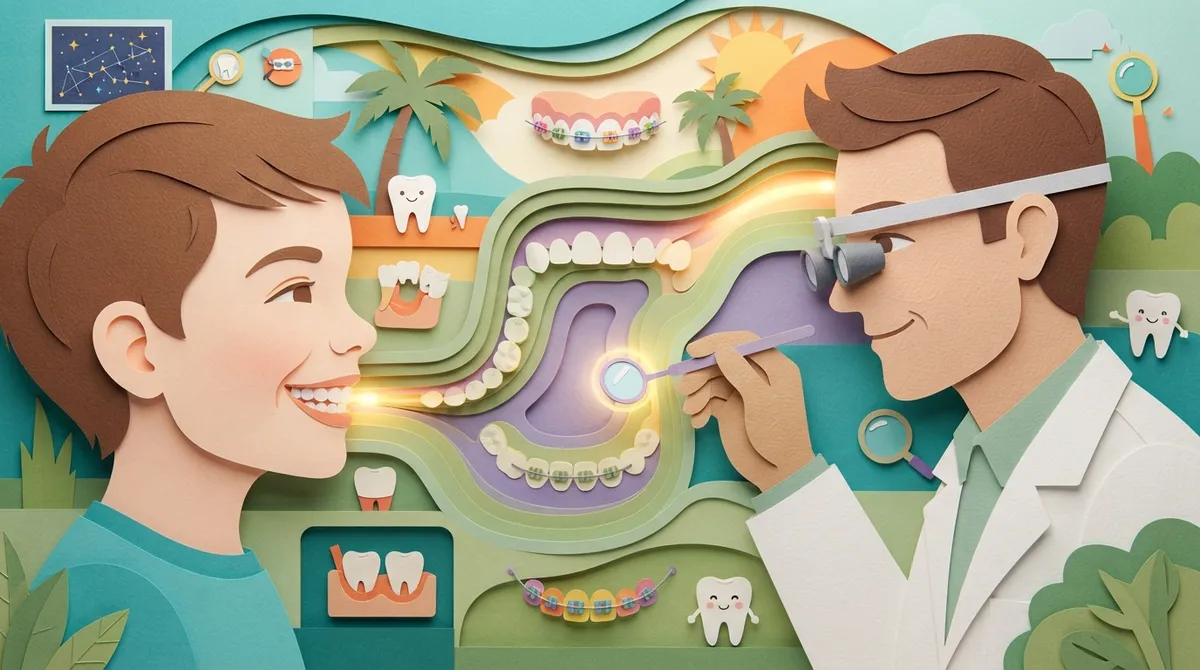
The American Board of Orthodontics and the American Association of Orthodontists both recommend that kids get their first orthodontic evaluation by age 7. That might sound early, especially if your child still has plenty of baby teeth. But this visit isn’t about getting braces right away.
Instead, it’s a chance for an orthodontist to check how your child’s jaw is growing and how their teeth are coming in. Many bite problems are much easier to guide and correct early, before the jaw finishes growing. Catching issues now can sometimes mean simpler treatment later.
What an Early Visit Can Catch
An early evaluation helps spot issues that are harder to fix once your child is older. Here are some common concerns orthodontists look for:
- Crossbite, underbite, or overbite patterns
- Severe crowding or noticeably crooked teeth
- Teeth coming in at odd angles or out of order
- Jaw growth that seems uneven or delayed
- Open bite, where front teeth don’t meet when the mouth closes
- Thumb-sucking or tongue-thrusting habits that linger too long
- Baby teeth that fall out too early or stay in too long
If you’re unsure whether your child needs a closer look, our page on signs your child should see an orthodontist now can help you spot red flags before your next visit.
Does Every 7-Year-Old Need Braces?
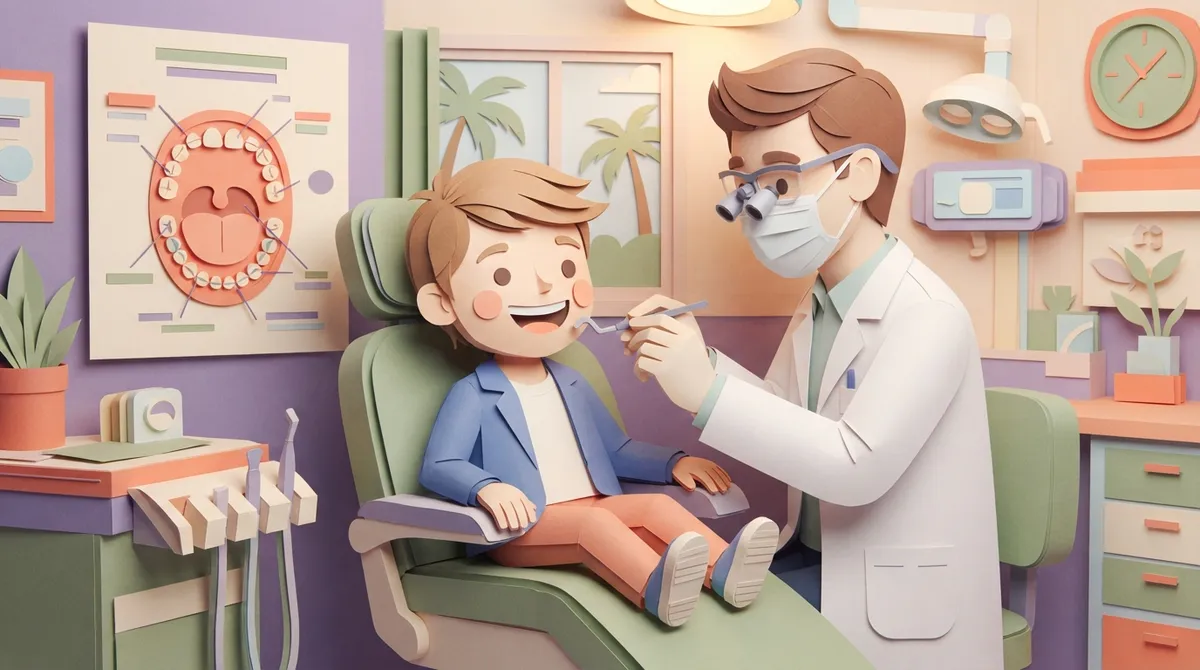
Not at all. Most kids who visit an orthodontist at age 7 won’t start treatment right away. Many will simply be monitored every six to twelve months until their permanent teeth come in further. This “watch and wait” approach is completely normal and nothing to worry about.
Some children do benefit from early treatment, often called Phase 1 treatment. This might involve a simple appliance to guide jaw growth or create space for crowded teeth. Afterward, kids usually take a break, then start a second phase of treatment once more permanent teeth arrive. Learn more about this approach on our early orthodontic treatment page.
When Do Most Kids Actually Get Braces?
Most children begin comprehensive braces treatment during the preteen or early teen years, once most of their permanent teeth have come in. This timing allows the orthodontist to work with a fuller set of teeth and get more predictable results.
Of course, every child’s mouth develops on its own schedule. Some kids need help sooner, while others aren’t ready until age 12 or 13. Your Lakewood Ranch orthodontist will look at x-rays, photos, and your child’s growth pattern to recommend the best timing.
Types of Braces Available for Kids
Today’s orthodontic options go far beyond the metal braces many parents remember from their own childhood. Depending on your child’s age, bite complexity, and personal style, several treatment types may work well.
| Treatment Type | Best For | Key Features |
|---|---|---|
| Traditional Metal Braces | Most bite issues, younger kids | Durable, effective, customizable colors |
| WildSmiles Braces | Kids who want a fun experience | Fun bracket shapes like stars, hearts, and Mickey Mouse designs |
| LightForce Braces | Kids wanting precision and speed | 3D-printed, custom-fitted brackets, faster treatment times |
| Clear or Ceramic Braces | Teens wanting a subtle look | Tooth-colored brackets, less noticeable |
| Angel Aligners | Older teens with mild to moderate cases | Clear, removable trays with a flexible wear schedule |
| Early Treatment Appliances | Younger kids needing jaw guidance | Used during Phase 1 to create space or guide growth |
Why Kids Love WildSmiles Braces
Let’s be honest: getting braces isn’t always exciting for a kid. That’s where WildSmiles Braces come in. Instead of plain brackets, your child can choose fun shapes like stars, hearts, footballs, or even Mickey Mouse designs.
This might sound like a small detail, but it makes a real difference. When kids feel excited about their braces, they’re more likely to brush well, floss regularly, and follow instructions about foods to avoid. Plus, Disney-themed elastics inspired by movies like Frozen add another layer of fun to the experience.
There’s also a hidden bonus: the unique bracket shapes help kids see if they’re brushing thoroughly. If the shape is visible and clean, that’s a great sign that brushing is doing its job.
The Digital Precision of LightForce Braces
LightForce Orthodontics takes a very different approach. This system uses 3D printing and digital planning to create braces custom-fit to your child’s exact teeth. Each bracket is designed individually, rather than picked from a generic set of shapes.
This precision often means more comfortable treatment and fewer irritations for cheeks and gums. Many patients also see treatment times shortened by as much as 45 percent, since the brackets are so precisely matched to each tooth. For families juggling school, sports, and activities, faster treatment can be a huge relief.
Comparing Braces Options: What’s Right for Your Child?
Choosing between different types of braces can feel like a big decision. Here’s a simple breakdown to help guide your conversation with your orthodontist:
- Consider your child’s age. Younger kids often do well with traditional or WildSmiles braces, while teens may prefer clear options.
- Think about their bite complexity. More complex cases may need traditional braces or LightForce technology for precision.
- Factor in lifestyle. Active kids in sports might benefit from certain bracket types that hold up well during physical activity.
- Talk about aesthetics. Some teens care a lot about how their braces look, making clear or ceramic options appealing.
- Ask about your budget and insurance. Costs vary between treatment types, so compare options with your orthodontist.
Our page on types of braces goes into even more detail if you want to explore further before your appointment.
What Happens During Treatment: Step-by-Step
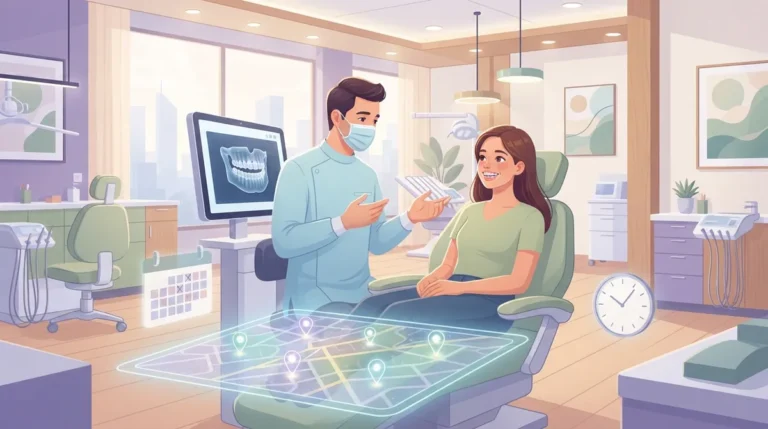
Once you’ve decided to move forward, it helps to know what to expect. The process usually follows a predictable path from start to finish.
- Initial exam and consultation. The orthodontist reviews your child’s teeth, jaw, and bite pattern.
- Digital scans or impressions. Photos, x-rays, and 3D scans create a detailed picture of your child’s mouth.
- Treatment planning. The orthodontist maps out the specific movements needed to straighten teeth and correct the bite.
- Appliance placement. Braces or aligners are fitted during a start appointment.
- Regular adjustment visits. Every few weeks, your child returns for check-ins and adjustments.
- Braces removal. Once treatment goals are met, the braces come off.
- Retainer phase. A custom retainer keeps teeth from shifting back to their old positions.
You can read more about what a first visit looks like on our first orthodontic visit page.
How Long Will My Child Need Braces?
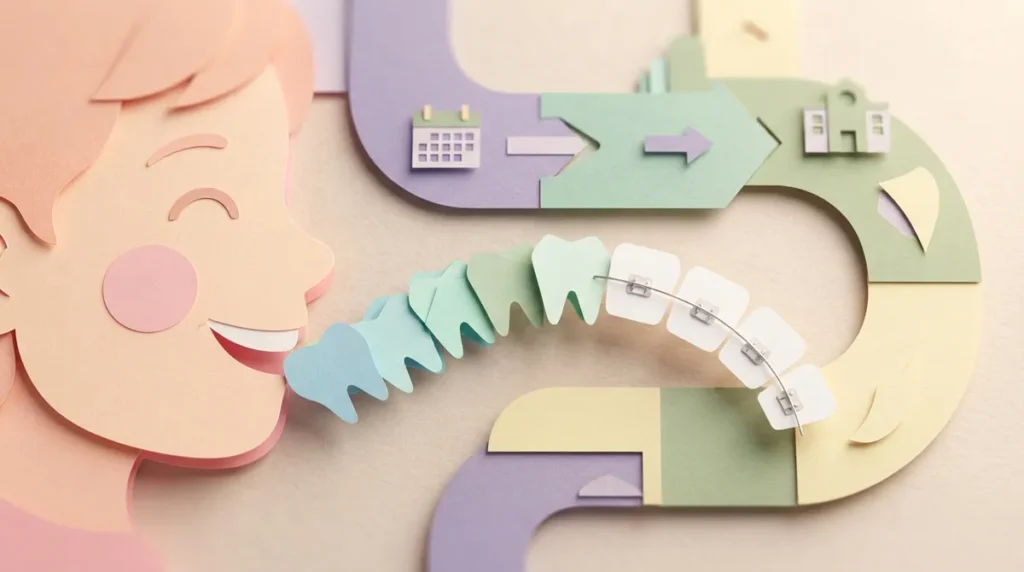
Comprehensive braces treatment commonly takes about 18 to 30 months, though this range depends heavily on individual factors. A child’s growth pattern, how complex their bite is, and how well they follow instructions all play a role.
Kids who wear rubber bands as instructed, avoid off-limits foods, and keep up with good oral hygiene often see steadier progress. On the other hand, missed adjustment visits or broken brackets can add extra time to the process. Staying consistent really does pay off in the end.
The Importance of Retainers After Braces
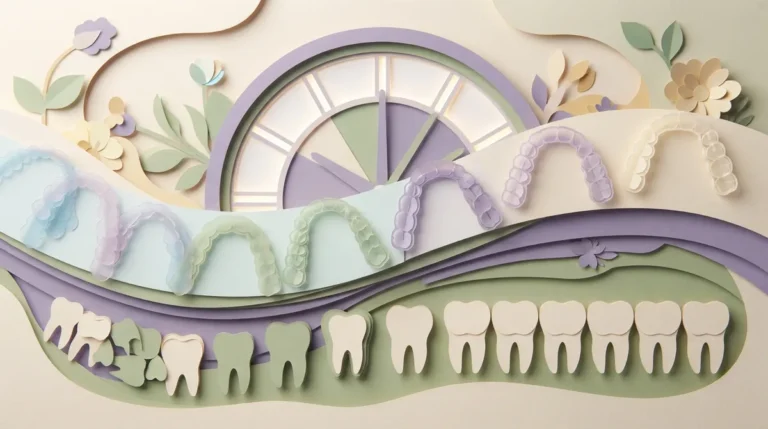
Once braces come off, the work isn’t quite finished. Teeth naturally want to drift back toward their original positions, especially in the months right after treatment. That’s why orthodontic retainers are such a critical part of the process.
Your orthodontist will recommend a wear schedule, often full-time at first and then nights only over the long run. Sticking to this schedule protects all the progress your child has made and helps maintain that beautiful new smile for years to come.
Understanding Costs and Insurance for Kids Braces
One of the biggest questions parents ask is simple: how much will this cost? The honest answer is that it varies quite a bit. Treatment type, length of care, appliance choice, and insurance coverage all affect the final price.
Many dental insurance plans offer partial coverage for orthodontic treatment, especially for children. It’s worth checking your specific plan details, since coverage amounts and eligibility rules differ from provider to provider. Our FAQ orthodontic treatment page answers many common billing and insurance questions.
Financing Options Worth Exploring
If insurance doesn’t cover the full cost, don’t worry. Most orthodontic practices, including ours, offer flexible payment plans to help spread out expenses over time. This makes quality care accessible without requiring one large payment upfront.
Check out our page on orthodontic financing for a closer look at how payment plans typically work. Many families find that breaking costs into monthly payments makes budgeting much easier.
How to Choose the Right Orthodontist for Your Child
With several options for kids braces Lakewood Ranch parents can choose from, picking the right practice matters. Here are key factors worth considering before you commit:
- Board certification and ongoing training in orthodontic techniques
- Experience specifically working with children and teens
- Flexible appointment hours, including evenings or Saturdays
- Clear communication style that puts both parents and kids at ease
- Use of modern technology like digital scans and 3D treatment planning
- Support with insurance claims and transparent pricing
- A comfortable, welcoming office atmosphere for young patients
Our why choose us page shares more about what sets a family-focused orthodontic practice apart.
Meet Dr. Flor Segovia
At Segovia Orthodontics, Dr. Flor Segovia is a board-certified orthodontist who brings both expertise and warmth to every visit. She’s known for creating a comfortable environment where kids actually look forward to their appointments, and she provides bilingual care in English and Spanish for families throughout the community.
Dr. Segovia stays current with advanced orthodontic technology, which means your child benefits from modern tools and techniques designed for comfort and efficiency. You can see what other families say by visiting our Facebook page or following along on our Instagram page for smile transformations and behind-the-scenes moments.
Life With Braces: Tips for Kids and Parents
Once treatment begins, a few simple habits go a long way toward smoother, faster results. Here’s what helps most families succeed:
- Brush after every meal and floss daily to keep teeth and gums healthy.
- Avoid sticky, hard, or crunchy foods that can damage brackets or wires.
- Wear rubber bands exactly as instructed, even when it feels inconvenient.
- Keep every adjustment appointment to stay on schedule.
- Use orthodontic wax if brackets irritate the cheeks or lips.
- Celebrate small milestones to keep your child motivated throughout treatment.
If your child ever experiences a loose bracket or poking wire, our orthodontic emergency page walks you through quick fixes and when to call for help.
Bringing It All Together for Your Child’s Smile
Choosing the right path for kids braces Lakewood Ranch families need doesn’t have to be complicated. Start with an early evaluation, stay informed about treatment options, and partner with an orthodontist who genuinely cares about your child’s comfort and confidence. Every smile journey looks a little different, and that’s perfectly okay.
Curious what real families have experienced? You can visit us on Google — Segovia Orthodontics to read reviews and see how other Lakewood Ranch families felt about their care. We’d love to help your child feel just as confident.
Ready to take the next step? We’d love to meet your family and answer any questions you have. Feel free to request an appointment today, or if you’d rather talk it through first, simply call us at 941-557-1333. Your child’s best smile is closer than you think!
FAQs
Q: What age should my child get braces in Lakewood Ranch?
A: Most kids start comprehensive braces treatment during their preteen or early teen years, once most permanent teeth have come in. That said, an orthodontic evaluation by age 7 helps catch any early bite or growth issues, even if braces aren’t needed yet.
Q: Does my 7-year-old need braces, or only an orthodontic evaluation?
A: Great question! Most 7-year-olds just need an evaluation, not braces. This early check helps spot developing problems, and many kids are simply monitored until they’re ready for treatment later on.
Q: How much do kids’ braces cost in Lakewood Ranch, Florida?
A: Costs vary quite a bit depending on treatment type, length of care, and your insurance coverage. The best way to get an accurate number is scheduling a consultation, where your orthodontist can give you a personalized estimate.
Q: Does dental insurance cover braces for children in Lakewood Ranch?
A: Many dental insurance plans offer partial coverage for orthodontic treatment, especially for kids. Coverage details differ between plans, so it’s worth checking with your provider and asking our team for help navigating your benefits.
Q: What is the difference between metal braces, clear braces, and clear aligners for kids?
A: Metal braces are durable and work well for most bite issues, while clear or ceramic braces offer a more subtle look for teens. Clear aligners, like Angel Aligners, are removable trays that work well for older kids with mild to moderate alignment needs.
Our Service Area