Key Takeaways
-
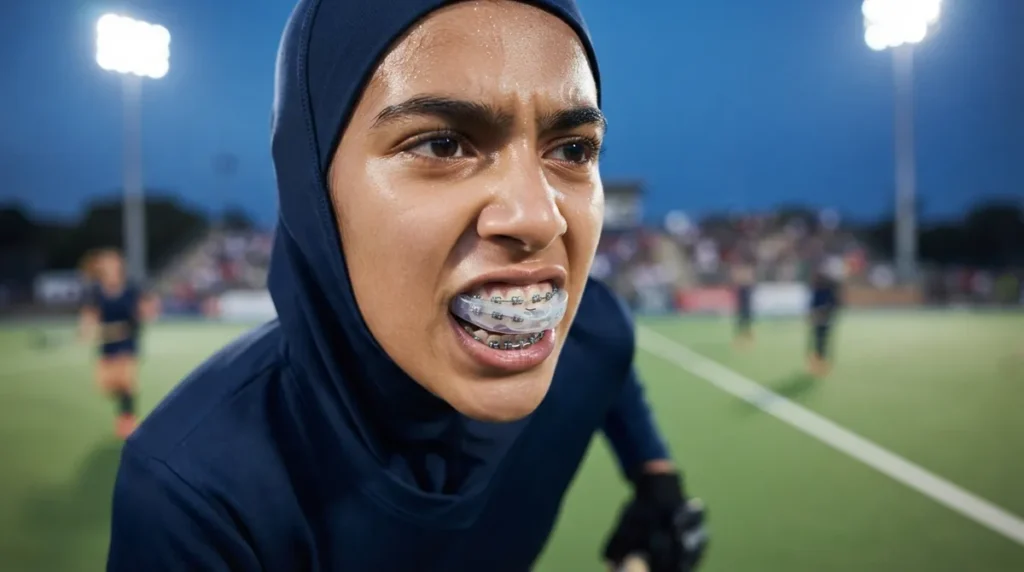
Custom orthodontic mouthguards are essential for athletes with braces, as they provide at least 4mm of thickness and accommodate bracket shifts throughout treatment, preventing cuts, bracket damage, and tooth fractures.
-
Without proper mouthguard protection, athletes risk serious injuries including broken brackets, bent wires requiring emergency visits, chipped teeth, and potential long-term root damage that can compromise dental health.
-
Check mouthguard fit every few months during orthodontic treatment since tooth movement can cause initially snug guards to become loose, reducing effectiveness and requiring replacement.
-
Different sports require different protection levels: heavy contact sports like football and hockey need custom guards, while basketball and soccer can use braces-specific boil-and-bite guards that balance comfort and protection.
-
Clear aligners offer active adults flexibility to remove them during games and use standard mouthguards, making them ideal for professionals who want discreet orthodontics without visible brackets.
-
Store mouthguards in ventilated cases away from heat, rinse after use, and bring them to orthodontic checkups so your team can verify fit and prevent performance delays from damaged appliances.
Your kid just made the travel soccer team. Or maybe you’re a busy professional who finally started clear aligners but still hits the tennis court every weekend. Either way, you’re probably wondering: can you actually play sports with braces safely? The short answer is yes, but only if you protect your smile the right way. Let’s talk about what that actually means for young athletes and grown-ups alike.
At Segovia Orthodontics in Lakewood Ranch, we see plenty of active families juggling practices, games, and orthodontic appointments. Dr. Flor Segovia and her team want every athlete to feel confident stepping onto the field, court, or mat, brackets and all. This guide breaks down exactly how to protect braces during sports, which mouthguards actually work, and why skipping protection just isn’t worth the risk.
Why Braces and Contact Sports Need Extra Care
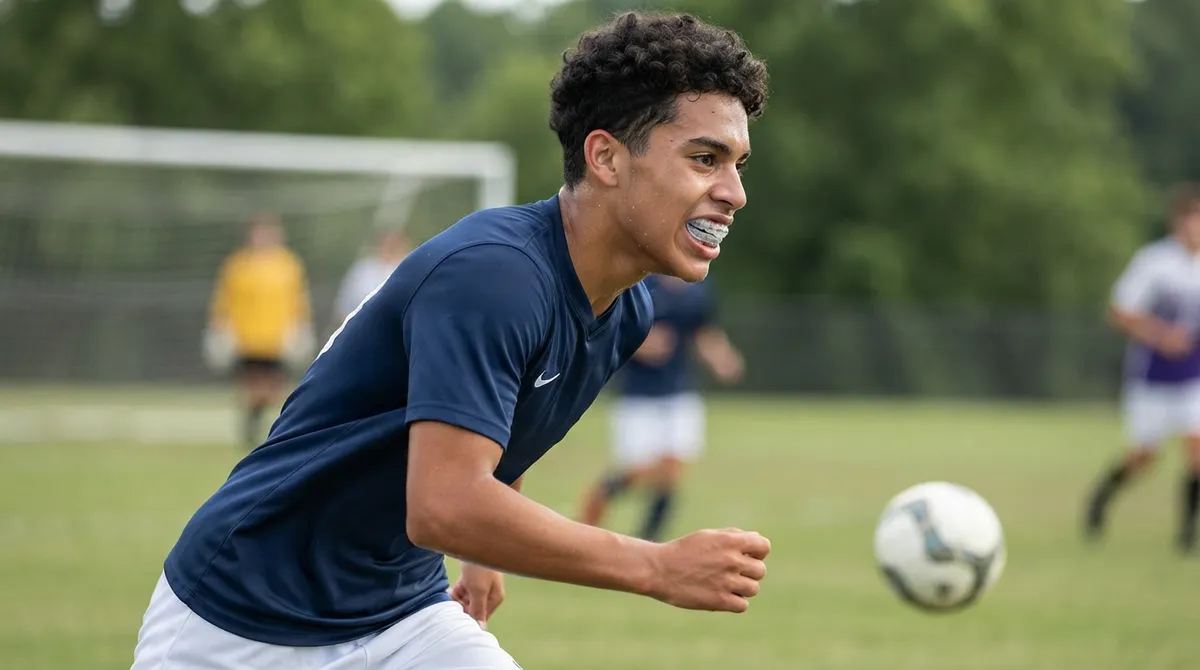
Fixed braces add metal brackets and wires to your mouth. That’s great for straightening teeth, but it also means there’s more hard surface that can cut lips and cheeks during impact. A stray elbow in basketball or a fall during soccer can turn a minor bump into a real cut.
Most traumatic dental injuries happen to kids and teens during their sports-playing years, which is often the exact same time they’re wearing braces. That overlap makes protective gear even more important. A mouthguard cushions the blow, keeping brackets from slicing soft tissue and protecting teeth from cracks or worse.
What Can Happen Without Protection
Here’s what’s at stake when athletes skip mouthguards during contact sports:
- Cut lips or cheeks from sharp bracket edges on impact
- Broken or loosened brackets that delay treatment progress
- Bent or snapped wires requiring an emergency repair visit
- Chipped or fractured teeth from direct hits
- Injury to an opponent’s mouth during close contact
- Root damage that can affect long-term dental health
None of this sounds fun, right? The good news is a properly fitted mouthguard solves almost all of these problems. If an accident does happen, don’t panic. Our orthodontic emergency guidance can walk you through next steps.
Mouthguards vs. No Protection: The Real Comparison
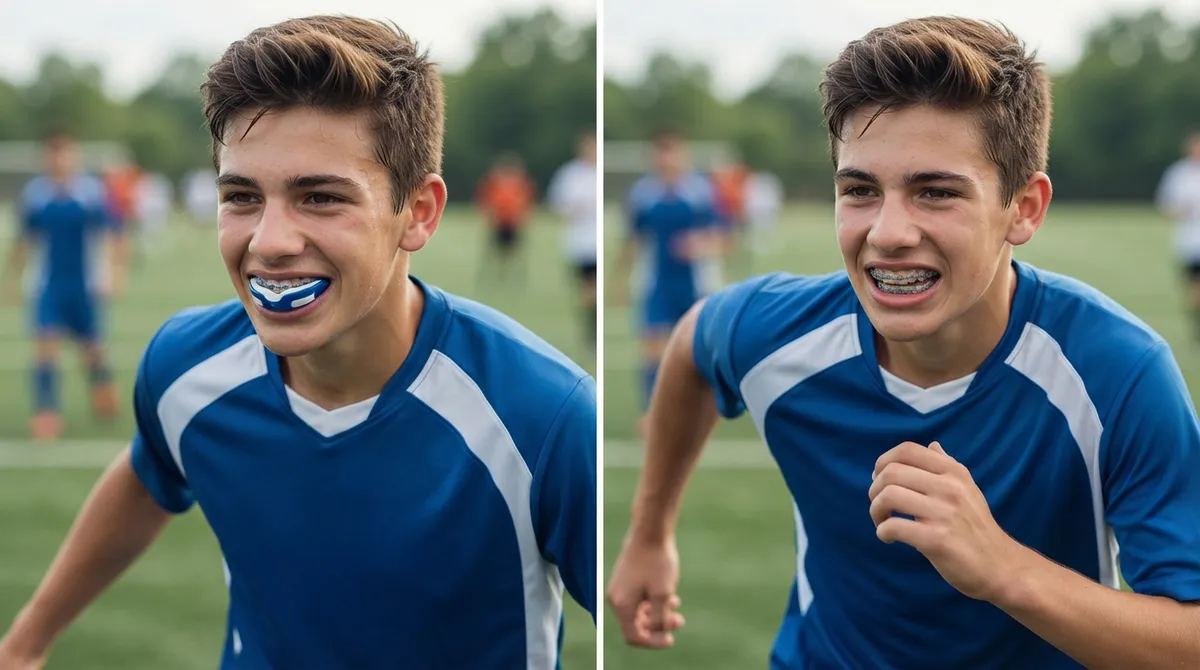
Let’s put this side by side. Some parents assume their child will be fine without a mouthguard because “it’s just practice” or “we’ll only play for a little while.” That thinking can backfire fast.
| Factor | With a Mouthguard | Without Protection |
|---|---|---|
| Risk of cut lips/cheeks | Significantly reduced | High during any contact |
| Bracket/wire damage | Cushioned and protected | Common after impact |
| Treatment delays | Rare | Frequent emergency visits |
| Tooth fracture risk | Lowered | Elevated |
| Comfort during play | Custom fit feels natural | N/A, but injury risk is real |
As you can see, the comparison isn’t close. A mouthguard is a small investment that saves you from bigger headaches, both literally and financially. The American Association of Orthodontists strongly recommends mouthguards for anyone with braces who plays contact or high-impact sports.
Which Mouthguard Type Actually Works Best for Braces?
Not every mouthguard is created equal, especially when brackets and wires are involved. Here’s how the main options stack up.
1. Stock Mouthguards
These are the pre-formed guards you grab off a store shelf. They’re cheap and easy to find, but they rarely fit well over braces. A loose stock guard can actually get knocked off during play, leaving your teeth exposed exactly when you need protection most.
2. Boil-and-Bite Mouthguards
You soften these in hot water, then bite down to create a mold. They fit better than stock guards, but brackets and wires can distort the shape as teeth shift during treatment. Orthodontic sources note these often aren’t the best choice for anyone in active treatment.
3. Custom Orthodontic Mouthguards
These are made specifically to fit over braces, with extra room for brackets and wires. They’re the gold standard for young athletes and adults alike. British Orthodontic Society guidance recommends mouthguards with at least 4mm of thickness over vulnerable areas for real contact sports protection.
Here’s a quick way to rank your options from best to least ideal:
- Custom orthodontic mouthguard made specifically for braces
- Braces-specific boil-and-bite guard designed with extra space for brackets
- Standard boil-and-bite guard (better than nothing, but not ideal)
- Stock mouthguard (last resort only)
How to Choose the Right Mouthguard for Your Sport
Different sports carry different risks, so your mouthguard choice might shift depending on what your athlete plays.
- Football, hockey, and rugby: Go with a custom orthodontic guard built for heavy contact
- Basketball and soccer: A braces-specific boil-and-bite guard usually works well
- Wrestling and MMA: Custom guards are strongly recommended due to close, repeated contact
- Volleyball and boxing: Protection matters here too, especially for facial impact
Whatever the sport, comfort matters just as much as protection. A mouthguard that’s bulky or ill-fitting won’t get worn consistently, and that defeats the whole purpose. If your teen complains their guard feels wrong, it might be time to check the fit again.
Caring for Your Mouthguard During Orthodontic Treatment
One thing many families don’t realize: your mouthguard needs to grow with your smile. As teeth shift during treatment, that snug fit from month one might feel loose by month four.
Follow these simple steps to keep your mouthguard working properly:
- Rinse the mouthguard with cool water after every use
- Brush it gently with a soft toothbrush weekly
- Store it in a ventilated case, never in direct sunlight or heat
- Check the fit every few months, especially after adjustment appointments
- Replace it right away if you notice cracks, thinning, or looseness
Since teeth move throughout treatment, it’s smart to bring your mouthguard to regular checkups. Our team can quickly tell you if it still fits well or if it’s time for a new one. This is especially true for families using WildSmiles Braces or other fixed bracket systems that shift teeth steadily over time.
Braces Options That Fit an Active Lifestyle
Some athletes wonder if certain types of braces are more sports-friendly than others. Here’s a quick look at what’s available at our Lakewood Ranch practice.
Traditional and Custom-Fit Braces
LightForce Orthodontics uses 3D-printed brackets custom-designed for each patient’s teeth. This can mean smoother edges and a more comfortable fit, which pairs nicely with a well-fitted mouthguard. Treatment can also move up to 45% faster, meaning less overall time navigating sports and orthodontics together.
Clear Aligners for Active Adults and Teens
For young adults and busy professionals who want a more discreet option, clear aligners like Angel Aligners are worth considering. Since aligners are removable, athletes can take them out during games and use a standard sports mouthguard instead. This flexibility appeals to career-focused adults who don’t want visible braces affecting their appearance at work or during big life events like weddings.
Angel Aligners use a smart “7+3” wear schedule that can speed up treatment while keeping costs more manageable than some premium brands. For adults returning to orthodontic care after a relapse, this can be an appealing, efficient path back to a straight smile.
Tips for Parents of Young Athletes in Braces
If you’re a mom managing practice schedules, homework, and now orthodontic appointments, here’s how to make sports and braces work together smoothly.
- Schedule a custom mouthguard fitting early in the treatment process
- Pack a spare mouthguard in the sports bag for tournaments or away games
- Teach kids to remove the mouthguard carefully to avoid damaging brackets
- Keep orthodontic wax on hand for any minor bracket irritation
- Book flexible appointment times around game schedules
We know families are busy, which is why we work to accommodate schedules for kids balancing school, sports, and treatment. Learn more about early orthodontic treatment and teen orthodontic treatment options designed with real life in mind.
What to Do If an Injury Happens
Even with the best mouthguard, accidents can still happen. Here’s a simple action plan:
- Stay calm and check for visible injuries to lips, cheeks, or teeth
- Rinse the mouth gently with warm water
- Apply a cold compress to reduce swelling
- Save any broken bracket or wire pieces if possible
- Contact our office promptly for guidance on next steps
Dr. Segovia and her team are trained to handle these situations quickly, so treatment stays on track. You can always contact us if something feels off after a game or practice.
Why Choose Segovia Orthodontics for Active Families
Dr. Flor Segovia is a board-certified orthodontist who understands that life doesn’t pause for orthodontic treatment. Whether your family is managing club sports, weekend tournaments, or a demanding career schedule, our Lakewood Ranch practice works to keep smiles protected and treatment moving forward.
We use advanced orthodontic technology to make every appointment efficient, so athletes spend less time in the chair and more time doing what they love. Curious what others say about their experience? You can visit us on Google — Segovia Orthodontics to read real reviews from Lakewood Ranch families just like yours.
You can also follow along and see real smile transformations on our Facebook page or check out day-to-day practice life on our Instagram page. For deeper credentials on orthodontic specialists, the American Board of Orthodontics is a great resource for understanding what board certification really means for your care.
Final Whistle: Protect That Smile
Playing sports with braces doesn’t have to mean sacrificing safety or performance. With the right mouthguard, a little routine care, and a great orthodontic team behind you, athletes of every age can keep chasing their goals while their smile keeps improving. Whether you’re exploring types of braces for your child or considering adult orthodontics for yourself, protection should always be part of the game plan.
Ready to get your athlete set up with braces and the right protection plan? Request an appointment with our Lakewood Ranch team today, or call us at 941-557-1333 to talk through your options. We’re here to help every athlete in your family smile with confidence, on and off the field.
FAQs
Q: Can you play sports with braces?
A: Absolutely! Tons of athletes wear braces and play their favorite sports without any trouble. The key is wearing a properly fitted mouthguard designed to work with brackets and wires, so you stay protected while chasing every goal, basket, or touchdown.
Q: What kind of mouthguard is best for braces?
A: A custom orthodontic mouthguard made specifically for braces is your best bet. It’s built with extra room for brackets and wires, giving you a comfortable fit that won’t shift or pop out during play.
Q: Do braces increase the risk of mouth injuries in sports?
A: Braces can add some risk since brackets and wires are harder than soft tissue. But don’t worry, a good mouthguard cushions impact and keeps your lips, cheeks, and appliances well protected during games and practices.
Q: Are boil-and-bite mouthguards safe for braces?
A: Standard boil-and-bite guards can work in a pinch, but they’re not ideal since teeth shift during treatment. A braces-specific version or a custom orthodontic guard will give you a much better, longer-lasting fit.
Q: How often should a mouthguard be replaced during orthodontic treatment?
A: Since your teeth are always moving, it’s smart to check your mouthguard’s fit every few months. If it feels loose, cracked, or uncomfortable, that’s your sign it’s time for a fresh one.
Our Service Area