Key Takeaways
-
Underbites can be dental (tooth positioning), skeletal (jaw growth), or a combination—this distinction is crucial because it completely changes the treatment plan your orthodontist will recommend.
-
Early evaluation by age 7 is recommended by orthodontists because children's jaws are still growing, allowing growth-guidance appliances to correct problems before they become more severe and expensive.
-
Untreated underbites can cause enamel wear, chewing difficulties, jaw discomfort, speech issues, and increased decay risk, so professional evaluation is worthwhile even if you feel no current discomfort.
-
Treatment options range from traditional metal braces for mild-to-moderate cases to clear aligners for tooth-positioning issues, ceramic braces for discretion, growth appliances for kids, or jaw surgery combined with braces for severe skeletal underbites.
-
Modern braces offer discreet options like ceramic braces and clear aligners that are far less noticeable than older styles, making treatment practical for working adults and those with upcoming life events.
-
A thorough orthodontist evaluation includes visual exam, photographs, X-rays, growth assessment, and family history review—this diagnostic step is essential because similar-looking underbites may require completely different treatments.
Does your child’s chin jut out a little further than you’d expect? Do you notice your lower teeth sitting in front of your upper teeth when you smile in the mirror? You’re not imagining things, and you’re definitely not alone. Underbites are one of the more common bite problems families in the Bradenton area bring to our office, and the good news is that braces for underbite Bradenton treatment has come a long way. Whether you’re a mom watching your seven-year-old’s smile develop, a professional who’s finally ready to fix a lifelong bite issue, or someone whose teeth have shifted since your last round of braces, there’s a path forward that fits your life.
At Segovia Orthodontics at Lakewood Ranch, we see patients of every age walk through our doors with the same question: can this actually be fixed? The answer is almost always yes. Let’s walk through what causes an underbite, how it’s diagnosed, and which treatment options might work best for your situation.
What Exactly Is an Underbite?
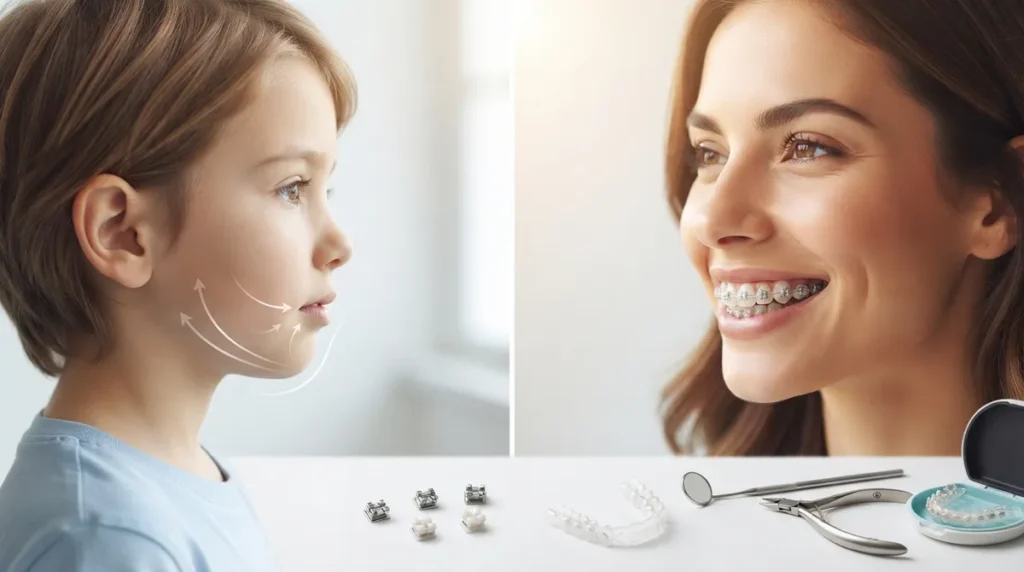
An underbite happens when your lower front teeth sit in front of your upper front teeth when your mouth is closed. It’s the opposite of the more common overbite. Some people have a mild underbite that’s barely noticeable. Others have a more pronounced version that affects their profile, their bite, and even how they speak.
Underbites can come from a few different places. Sometimes it’s simply about tooth position — the teeth themselves are angled wrong, but the jaw bones are normal. Other times, it’s a skeletal issue, meaning the lower jaw has grown too far forward, or the upper jaw hasn’t grown enough. Many cases are a mix of both. This distinction matters a lot because it changes the entire treatment plan your orthodontist will recommend.
Why an Underbite Shouldn’t Be Ignored
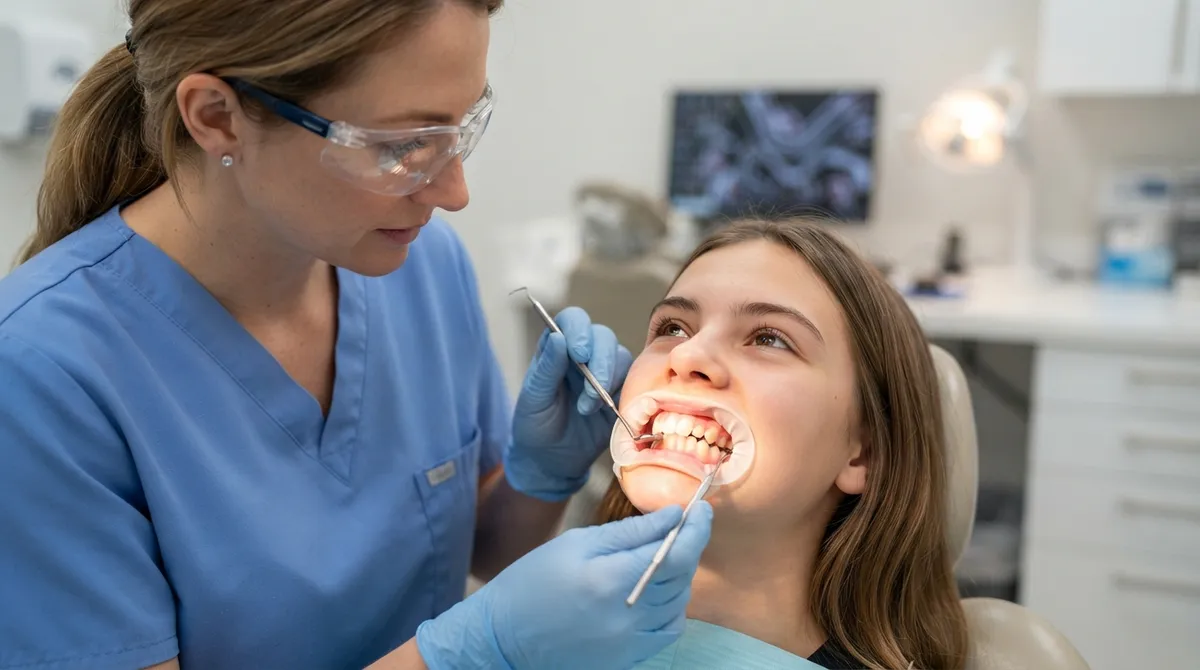
Not every underbite causes pain or obvious problems, so it’s easy to think, “it’s not bothering me, so why bother fixing it?” But left untreated, underbites can lead to:
- Uneven wearing down of tooth enamel over time
- Difficulty biting into food or chewing properly
- Jaw discomfort or tension, especially in the morning
- Speech issues, including trouble with certain sounds
- Harder-to-clean teeth, which raises the risk of decay and gum problems
A professional evaluation is worth it even if you’re not in any discomfort right now. Small problems tend to get bigger — and more expensive to fix — the longer they’re left alone.
How a Bradenton Orthodontist Diagnoses an Underbite
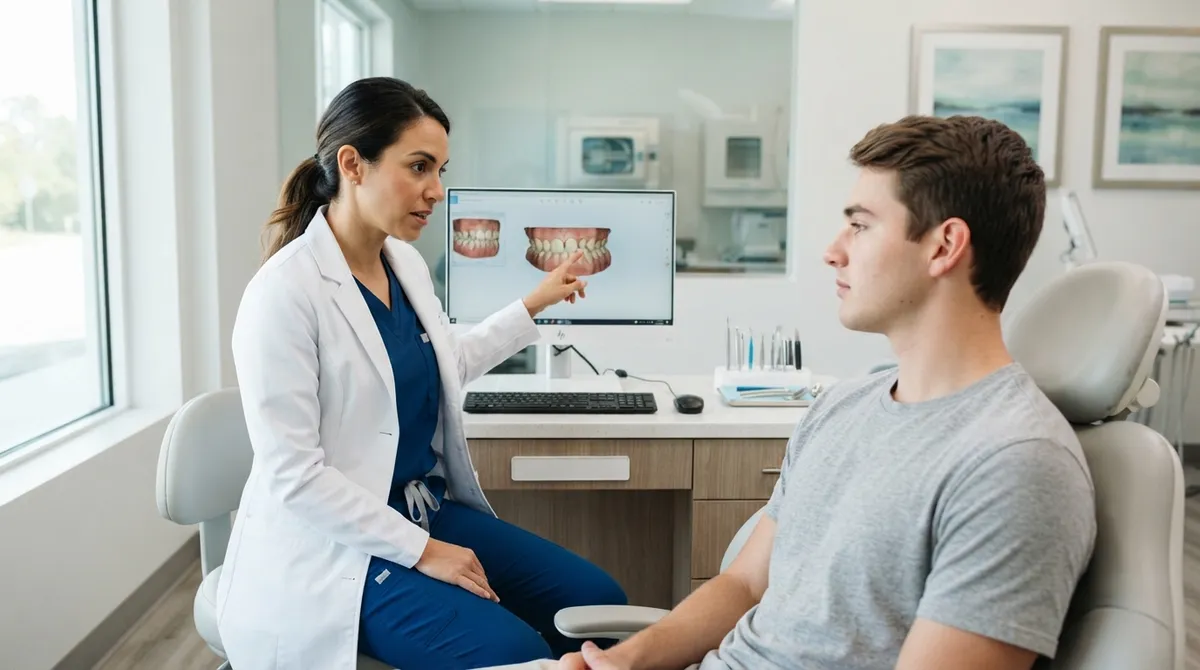
You can’t fix what you haven’t properly diagnosed. Before recommending any treatment, your orthodontist needs to figure out whether your underbite is dental, skeletal, or a combination of the two. This usually involves:
- A visual exam and bite assessment, checking how your teeth meet when you close your mouth
- Photographs of your face and smile from multiple angles
- Orthodontic X-rays to see the position of the jawbones and tooth roots
- A discussion of your age, growth stage, and facial development
- A review of your family history, since underbites often run in families
This step is one of the most important parts of the entire process. Two people can have underbites that look similar on the surface but require completely different treatments underneath. That’s why an in-person evaluation with a qualified orthodontist always beats guessing based on what you read online.
Treatment Options for Braces for Underbite Bradenton Patients
Once your orthodontist knows what’s causing your underbite, they can map out a plan. Here’s a breakdown of the most common approaches.
Traditional Metal Braces
For many mild-to-moderate dental underbites, traditional metal braces do the heavy lifting. They move teeth gradually into proper alignment and are often combined with elastic bands that help guide the bite into a better position. Metal braces remain one of the most reliable, budget-friendly options available, and they work well for kids, teens, and adults alike.
If your child is the type who likes a little personality in their treatment, our WildSmiles Braces option lets them choose fun bracket shapes like stars, hearts, or even Mickey Mouse. It’s a small thing, but it can make a big difference in how excited a child feels about wearing braces every day — and excited kids tend to brush and floss more consistently.
Clear Ceramic Braces and Aligners
For patients who want a more discreet option, ceramic braces blend in with the natural tooth color. In select cases, clear aligners may also be appropriate — particularly when the underbite is primarily a tooth-positioning issue rather than a jaw-growth issue. Our Clear Aligners and LightForce Orthodontics systems both use advanced digital planning to create a treatment plan that’s tailored specifically to you.
We also offer Angel Aligners, which use a unique wear schedule and AI-driven planning to move teeth efficiently. They tend to be more budget-friendly than some premium aligner brands while still delivering comfortable, effective results for the right candidates.
Growth-Guidance Appliances for Kids
Children and young adolescents have a big advantage: their jaws are still growing. This means orthodontists can sometimes guide that growth in a better direction before it becomes a bigger problem. Appliances like palatal expanders or reverse-pull headgear may be used to encourage upper-jaw development while there’s still time to influence it.
The American Board of Orthodontics and the American Association of Orthodontists both recommend that kids get their first orthodontic evaluation by age 7. That might sound early, but it gives your orthodontist a chance to catch developing bite and jaw problems before they become harder — and more expensive — to fix. Learn more about early orthodontic treatment and why timing matters so much for growing smiles.
Braces Combined with Jaw Surgery
Severe skeletal underbites, especially in adults whose jaws have finished growing, sometimes need more than braces alone. In these cases, orthodontists work alongside oral surgeons to plan orthognathic (jaw) surgery. Braces are typically used before surgery to align the teeth properly, and again afterward to fine-tune the bite and stabilize the results.
This sounds intimidating, but it’s important to know that surgery is only recommended when the underbite is truly skeletal in nature — not just because a case looks severe on the surface. Braces and jaw surgery are often complementary treatments rather than either-or choices.
Comparing Underbite Treatment Options
| Treatment Option | Best For | Typical Age Group | Visibility |
|---|---|---|---|
| Traditional Metal Braces | Mild-to-moderate dental underbites | All ages | Visible |
| Ceramic/Clear Braces | Dental underbites needing subtlety | Teens, adults | Low visibility |
| Clear Aligners (Angel, LightForce-supported plans) | Mild dental underbites, tooth movement only | Teens, adults | Nearly invisible |
| Palatal Expander / Reverse-Pull Headgear | Growth-related skeletal underbites | Children, young teens | Visible (appliance-based) |
| Braces + Orthognathic Surgery | Severe skeletal underbites | Adults (jaw growth complete) | Visible during treatment |
What to Expect During Treatment Planning
Once you’ve had your evaluation, your orthodontist should walk you through a complete plan before any brackets go on your teeth. A thorough treatment discussion typically covers:
- Expected treatment duration, which varies widely based on severity
- Which appliances or braces will be used, and why
- What your retainer plan looks like once treatment ends
- Oral hygiene expectations and how to keep your teeth healthy during treatment
- What to do in case of an orthodontic emergency
- Total fees, financing options, and insurance coverage
Treatment length really is case-specific. A mild dental underbite might take significantly less time to correct than a severe case involving growth modification or surgery. Be wary of any generic timeline you find online — your Bradenton orthodontist can give you a realistic estimate based on your actual bite, not a one-size-fits-all number.
How Much Do Braces for an Underbite Cost in Bradenton?
Pricing depends on several factors: how severe the underbite is, which appliances are needed, how long treatment will take, whether retainers are included, and what your insurance plan covers. A written estimate from your orthodontist’s office will always be more accurate than a number you find through a quick search. Our orthodontic financing options are designed to make treatment more manageable, whether you’re paying out of pocket or working with insurance and a flexible spending account.
Choosing the Right Orthodontist for Underbite Treatment
Not every provider approaches underbite treatment the same way, so it pays to ask a few good questions before committing to a plan. Consider these steps:
- Confirm the orthodontist is board certified and has experience treating underbites specifically
- Ask whether your case is dental, skeletal, or both — and how that changes your options
- Request a written treatment plan with timeline and cost estimates
- Ask about appliance choices, including whether clear aligners or ceramic braces could work for you
- Find out what happens if you have a wire poke, broken bracket, or other emergency
Dr. Flor Segovia is a board-certified orthodontist who provides bilingual care in English and Spanish, and she uses advanced orthodontic technology to plan precise, comfortable treatment for every patient who walks through our doors. If you’re weighing your options, our page on why choose us covers what sets our Lakewood Ranch practice apart for families across the Bradenton area.
Life With Braces: A Few Encouraging Notes
If you’re nervous about starting treatment, that’s completely normal. Adults especially worry about how braces will look during work meetings or big life events. The good news is that today’s options — from ceramic braces to clear aligners — are far more discreet than what your parents might have worn. Many career-focused adults and life-event planners in our practice complete treatment without it ever becoming a distraction at work or at their big celebration.
Parents of younger patients often tell us how much smoother the process feels once their child picks fun WildSmiles bracket shapes or gets excited about their first orthodontic visit. And for adults who had braces years ago and have noticed some relapse, know this: you’re not starting from scratch. Correcting relapse is often quicker than your original treatment, and you already know how to care for your teeth during the process.
Curious what other Bradenton-area patients think of their experience? You can visit us on Google — Segovia Orthodontics to read real reviews, or check out our Facebook page and our Instagram page for smile transformations and updates from our Lakewood Ranch community.
Your Next Step Toward a Better Bite
An underbite doesn’t have to be something you just live with. Whether you’re bringing in a seven-year-old for their first checkup, exploring discreet clear aligners before a big wedding, or finally addressing a bite issue that’s bothered you for years, there’s a treatment path built for you. The team at Segovia Orthodontics at Lakewood Ranch is ready to walk you through your options with warmth, honesty, and a plan that actually fits your life and your budget.
Ready to get started? Request an appointment today, or call us at 941-557-1333 to speak with our friendly team. You can also contact us with any questions about braces for underbite Bradenton treatment — we’re here to help your smile (and your bite) feel its best.
FAQs
Q: Can braces fix an underbite without jaw surgery?
A: Yes, in many cases! If your underbite is mainly a tooth-position issue rather than a jaw-growth issue, braces alone (sometimes with elastics or expanders) can do the trick. Jaw surgery is really only needed for severe skeletal cases, so don’t assume you need it until an orthodontist evaluates you.
Q: What is the best age to treat an underbite?
A: Earlier is often better, especially for kids with growth-related underbites. The American Association of Orthodontists recommends a first evaluation by age 7, which gives your orthodontist a chance to guide jaw growth while it’s still happening. That said, adults can absolutely get great results too — it’s honestly never too late to start.
Q: Are clear aligners effective for an underbite?
A: They can be, especially for milder dental underbites where tooth movement alone solves the problem. If your case involves more significant jaw differences, you may need fixed braces or additional appliances instead. Your orthodontist can tell you honestly whether aligners are a good fit after your evaluation.
Q: Does dental insurance cover braces for an underbite in Florida?
A: It depends on your specific plan, but many dental insurance policies do offer some orthodontic coverage, especially for medically necessary bite corrections. We’re always happy to help you understand your benefits and explore financing options so cost never becomes a barrier to treatment.
Q: How do I choose an orthodontist for underbite treatment in Bradenton?
A: Look for someone who’s board certified, explains whether your underbite is dental or skeletal, and gives you a clear written plan with timelines and costs. It also helps to choose a practice that feels warm and welcoming, since you’ll be visiting regularly throughout treatment. We’d love for you to come meet our team and see if we’re the right fit for your smile.
Our Service Area