Key Takeaways
-
Candid aligners ($2,400-$3,500) cost only slightly less than in-office clear aligners ($2,500-$7,500 for mild cases), but lack X-rays, gum disease screening, and hands-on professional oversight that prevent permanent dental damage.
-
At-home aligners cannot detect critical issues like bone health, gum disease, or jaw problems that require in-person examination by a licensed orthodontist, making them risky for anything beyond mild cases.
-
Many dental insurance plans cover in-office aligner treatment but rarely reimburse at-home brands, and flexible payment plans through orthodontic offices can make monthly costs comparable to or lower than Candid.
-
In-office clear aligners include custom treatment planning, professional monitoring with real-time adjustments, attachments for complex tooth movements, and refinements mid-treatment that at-home options cannot provide.
-
Choosing low-cost at-home aligners may lead to relapse, retreatment costs, or dental damage that exceed initial savings, making in-office care with a board-certified orthodontist a smarter long-term investment.
-
Board-certified orthodontists complete 2-3 years of specialized residency training after dental school, providing significantly higher quality and safety standards than direct-to-consumer aligner companies offering remote monitoring.
If you’ve been searching for ways to straighten your teeth without traditional braces, you’ve probably come across at-home aligner options. Understanding candid aligners cost is a big part of deciding what’s right for you. But cost is only one piece of the puzzle. The quality of your care, the safety of your treatment, and your final results matter just as much. In this article, we’ll walk you through what you can expect to pay, what you actually get for that price, and how in-office clear aligner treatment from a licensed orthodontist compares. Whether you’re a busy professional, a mom looking for options for your teen, or an adult ready to finally fix your smile, this guide is for you. Let’s break it all down in a way that’s simple, honest, and helpful.
What Is Candid and How Does It Work?
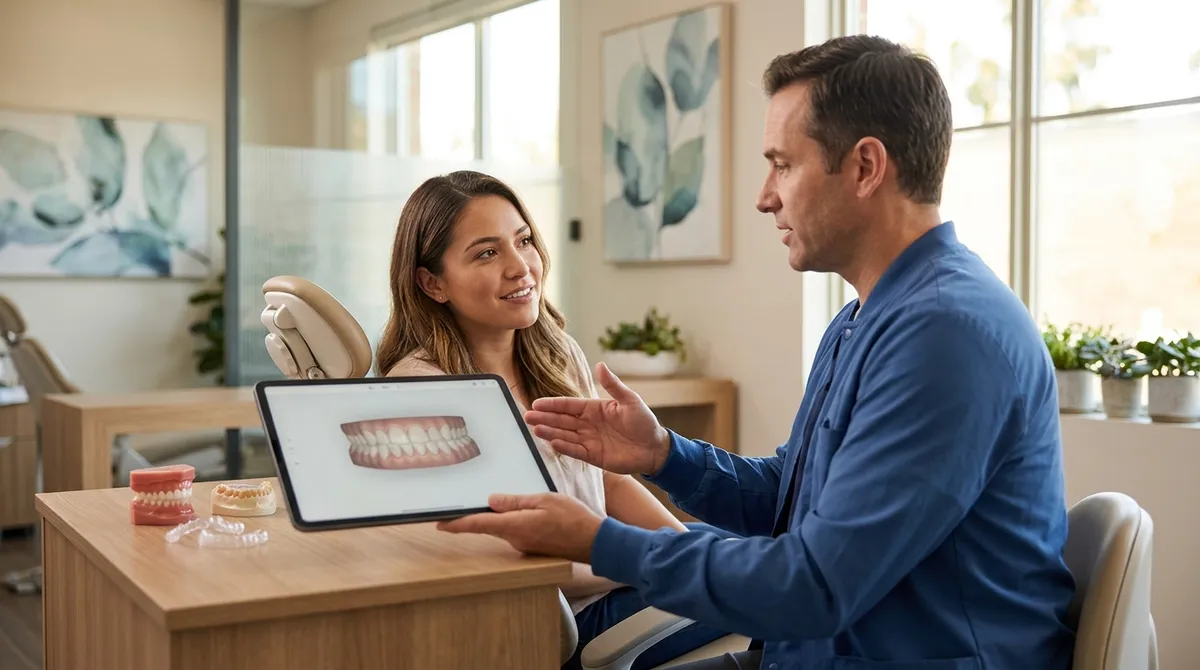
Candid is a direct-to-consumer aligner brand. It allows patients to start treatment without visiting a dental office in person. You take impressions of your teeth at home or visit a scanning center. A remote orthodontist then reviews your case and designs a treatment plan. Aligners are mailed to your home. You wear them and check in digitally.
This model appeals to people who want convenience and lower upfront costs. However, there are real limitations. Remote monitoring is not the same as in-person care. A licensed orthodontist cannot physically examine your teeth, gums, or jaw through a screen alone.
How Much Does Candid Aligners Cost in 2026?
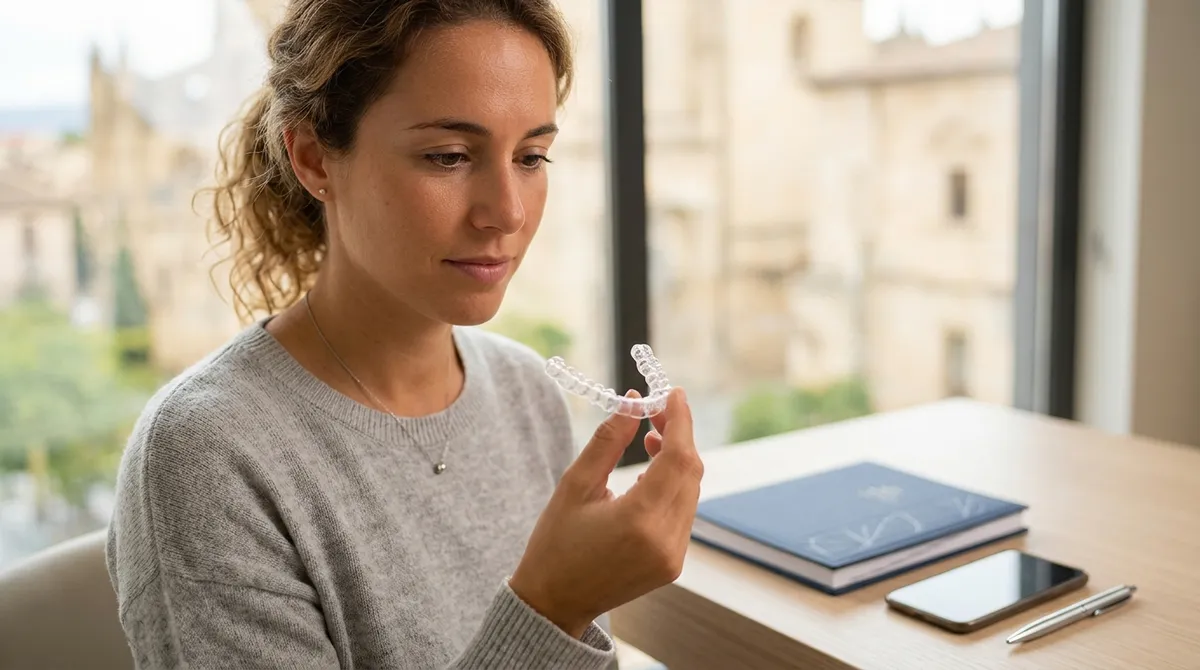
Candid aligners cost varies based on your case and payment method. Here’s a general overview of what you might expect:
| Option | Estimated Cost | What’s Included |
|---|---|---|
| Candid Aligners (Full Treatment) | $2,400 – $3,500 | Aligners, remote monitoring, basic retainer |
| In-Office Clear Aligners (Mild Cases) | $2,500 – $4,000 | In-person exams, X-rays, professional oversight |
| In-Office Clear Aligners (Complex Cases) | $4,000 – $7,500 | Full orthodontic care, adjustments, retainers |
As you can see, the price difference between at-home aligners and in-office treatment is smaller than most people think. For mild cases, you may pay a similar amount — but get dramatically more hands-on care when you choose an orthodontic office. For more context on what’s included in aligner pricing, check out this helpful guide on what clear aligners cost really includes in 2026.
What Factors Affect the Cost of Clear Aligners?
Whether you choose at-home or in-office treatment, several factors influence the final price. Knowing these helps you compare options honestly.
1. Complexity of Your Case
Simple crowding or spacing issues cost less to fix. More complex bite problems, like overbites or crossbites, require more aligner trays and professional attention. At-home brands often only treat mild cases, so if your case is moderate or complex, in-office care is your best option. Learn more about common orthodontic problems that affect treatment planning.
2. Length of Treatment
Longer treatment means more aligner trays. More trays usually means a higher total cost. Shorter, simpler cases are generally less expensive no matter where you go.
3. Monitoring and Follow-Up
In-office treatment includes regular checkups with a licensed orthodontist. These visits catch issues early and keep your treatment on track. At-home plans use digital check-ins instead, which limits what a provider can actually see and adjust.
4. Retainers After Treatment
Both options include some form of retainer. But in-office retainers are custom-fitted to your final result. You can explore orthodontic retainers to learn more about keeping your smile straight after treatment.
5. Insurance and Financing
Many dental insurance plans cover in-office orthodontic treatment, especially for children and teens. At-home aligners rarely qualify for insurance reimbursement. Orthodontic financing options through an office can make monthly payments very affordable.
Risks of Choosing Low-Cost At-Home Aligners
We want to be upfront with you here. At-home aligner companies market themselves on convenience and price. But there are real risks involved when treatment happens without in-person professional oversight.
- No dental X-rays: X-rays reveal bone health and root position, which are critical for safe tooth movement.
- No gum disease screening: Moving teeth with untreated gum disease can cause permanent damage.
- Limited emergency support: If something goes wrong mid-treatment, remote care can’t respond the same way an in-office team can.
- Possible relapse: Without proper follow-up care, results can shift quickly.
- Not suited for complex cases: At-home aligners can make bite problems worse if they aren’t a good fit for your teeth.
These are not small concerns. The American Board of Orthodontics consistently emphasizes that safe, effective orthodontic treatment requires a licensed professional to evaluate patients in person. To avoid common mistakes, read about 7 clear aligner mistakes that can ruin your smile results.
What In-Office Clear Aligners Include That At-Home Options Don’t
When you choose in-office clear aligners with a board-certified orthodontist, you get so much more than a set of plastic trays. Here’s what’s typically included:
- A comprehensive exam — including X-rays, photos, and a bite evaluation to make sure aligners are safe for your teeth.
- Custom treatment planning — every aligner tray is designed for your unique teeth, not a general template.
- Professional monitoring — your orthodontist checks your progress at every appointment and makes real-time adjustments.
- Attachments and refinements — small tooth-colored buttons called attachments are used for complex movements. Refinements fix any issues that come up mid-treatment.
- Final retainer — custom-made to preserve your new smile long-term.
If you’re curious about the full picture of what in-office aligner pricing looks like, this guide on how much clear aligners really cost in 2026 is a great resource.
How to Compare Your Options Smartly
Choosing between at-home and in-office treatment doesn’t have to be overwhelming. Here’s a simple way to think it through:
- Start with a free consultation. Most orthodontic offices, including those in the Lakewood Ranch area, offer free initial visits. You’ll learn what type of case you have and what treatment is truly safe for you.
- Ask about financing. Monthly payment plans can make in-office treatment just as affordable as at-home options. Learn how flexible payment plans make orthodontics affordable.
- Check your insurance. Many plans cover a portion of in-office aligner treatment. At-home plans often don’t qualify. Explore how to use orthodontics insurance to save on your smile.
- Consider your case complexity. If you have bite issues, jaw problems, or gum concerns, in-office care is the safer and smarter choice.
- Think long-term. A lower upfront cost that leads to retreatment or dental damage ends up costing more in the long run.
Who Makes a Good Candidate for In-Office Clear Aligners?
In-office clear aligners work wonderfully for a wide range of patients. Here’s a quick look at who benefits most:
- Teens and young adults who want a discreet option without metal brackets. Check out teen orthodontic treatment options available today.
- Working professionals who need a nearly invisible solution for meetings and presentations.
- Adult relapse patients who had braces as kids and want to correct shifting. Explore adult orthodontics and what it involves.
- Life event planners preparing for weddings, graduations, or big career milestones.
- Parents and families who want everyone treated at one trusted, family-friendly office.
Why Choose a Board-Certified Orthodontist for Your Aligners
Not all providers who offer aligners have the same level of training. A board-certified orthodontist has completed dental school, a two-to-three year orthodontic residency, and passed rigorous clinical exams. This extra training makes a real difference in the quality and safety of your treatment.
At Segovia Orthodontics, Dr. Flor Segovia brings that level of expertise to every patient. She uses advanced orthodontic technology to map out precise treatment plans. Whether you’re considering aligners or braces, you can trust that your smile is in excellent hands. You can follow along with patient stories and updates on our Instagram page.
Making the Investment Work for Your Budget
We know orthodontic treatment is a significant investment. The good news is there are many ways to make it work for almost any budget.
- Flexible monthly payment plans with low or no interest
- Dental insurance benefits that apply to aligner treatment
- Health Savings Accounts (HSAs) and Flexible Spending Accounts (FSAs)
- In-house financing options at many orthodontic offices
- Family discounts when multiple members start treatment together
For a full breakdown of your financing options, visit our page on orthodontics financing and how to afford your best smile. You can also connect with us on our Facebook page where we share tips, specials, and patient success stories.
The Bottom Line on Candid Aligners Cost
Candid aligners cost may look appealing on the surface. But when you compare what’s included, the safety standards, and the long-term results, in-office care with a licensed orthodontist is a much stronger value. The price difference is often smaller than people expect, especially when insurance and payment plans are factored in.
Your smile is one of the first things people notice about you. It’s worth investing in care that’s safe, proven, and guided by a real expert who can see your whole picture — not just a photo on a screen.
Ready to take the next step toward a straighter, healthier smile? Visit us on Google — Segovia Orthodontics to read reviews from real patients in the Lakewood Ranch area and see why so many families trust us with their smiles.
You deserve expert care and a smile you love. Schedule your free consultation today and let’s create a plan that fits your smile goals and your budget. Or if you’d prefer to talk first, call us at 941-557-1333 — we’re always happy to answer your questions!
FAQs
Q: How much do candid aligners cost compared to in-office aligners?
A: Candid aligners typically cost between $2,400 and $3,500, while in-office clear aligners range from $2,500 to $7,500 depending on case complexity. The price gap is smaller than most people think — and in-office treatment includes professional exams, X-rays, and hands-on monitoring that at-home options simply can’t provide!
Q: Are at-home aligners safe to use without seeing an orthodontist?
A: At-home aligners carry real risks, including no dental X-rays, no gum disease screening, and limited emergency support. The American Board of Orthodontics recommends in-person evaluation by a licensed orthodontist before starting any tooth movement. It’s always better to be safe and get that professional green light first!
Q: Does dental insurance cover candid aligners cost?
A: Most dental insurance plans do not cover at-home aligner brands like Candid. However, in-office clear aligner treatment through a licensed orthodontist often qualifies for partial insurance coverage. Checking with your provider and asking about flexible payment plans can make in-office treatment very affordable.
Q: What is included in the candid aligners cost?
A: Candid aligners cost generally includes the aligner trays, remote monitoring check-ins, and a basic retainer. It does not include in-person dental exams, X-rays, or hands-on professional adjustments. In-office treatment packages typically bundle all of these services into one transparent fee.
Q: Can I use an HSA or FSA to pay for clear aligner treatment?
A: Yes! Both Health Savings Accounts (HSAs) and Flexible Spending Accounts (FSAs) can typically be used to pay for orthodontic treatment, including clear aligners, when provided by a licensed dental professional. This is a great way to use pre-tax dollars and reduce your out-of-pocket costs — ask your orthodontic office for details!
Our Service Area