Key Takeaways
-
Verify specialty training by asking if an orthodontist completed an accredited 2-3 year orthodontic residency, which only 6% of dental graduates pursue and is what separates true specialists from general dentists offering some orthodontic services.
-
Board certification through the American Board of Orthodontics (ABO) is voluntary but signals commitment; ask your provider if they're board-certified and understand it's not required but demonstrates peer-reviewed competency.
-
At your first consultation, confirm the orthodontist will directly plan and supervise your care rather than handing you off, discuss all treatment options (braces, clear aligners, retainers), and ask about their experience with cases like yours.
-
Red flags include vague answers about credentials, one-size-fits-all treatment pitches, pressure to sign immediately, and unclear supervision; green flags are transparent cost discussions, multiple options, and a welcoming, patient-focused environment.
-
Children should have an initial orthodontic evaluation around age seven to catch growth and bite issues early, while adults seeking discreet treatment have effective options like clear aligners that fit busy professional lifestyles.
-
Treatment depends on your diagnosis, age, and goals rather than a standard approach; modern technology like 3D-printed custom brackets can improve precision and comfort, so ask about the practice's technological capabilities.
You have probably typed it into a search bar at some point: “orthodontist expert.” Maybe your daughter’s teeth are crowding in, or you want clear aligners before a big event, or your old retainer sat in a drawer for ten years and your smile has been quietly shifting ever since. Whatever brought you here, you want to know one thing: who can I trust with my smile?
Here is the honest truth. “Expert” is a friendly, everyday word, not an official title. There is no government badge that says “orthodontist expert.” But there are real, checkable signs of expertise, and once you know them, choosing a provider feels a lot less scary.
In this guide, we will walk through what an orthodontist expert really is, what training they complete, how board certification fits in, and simple questions you can ask at your first visit. Think of it as a friendly checklist you can take with you.
What Does “Orthodontist Expert” Really Mean?
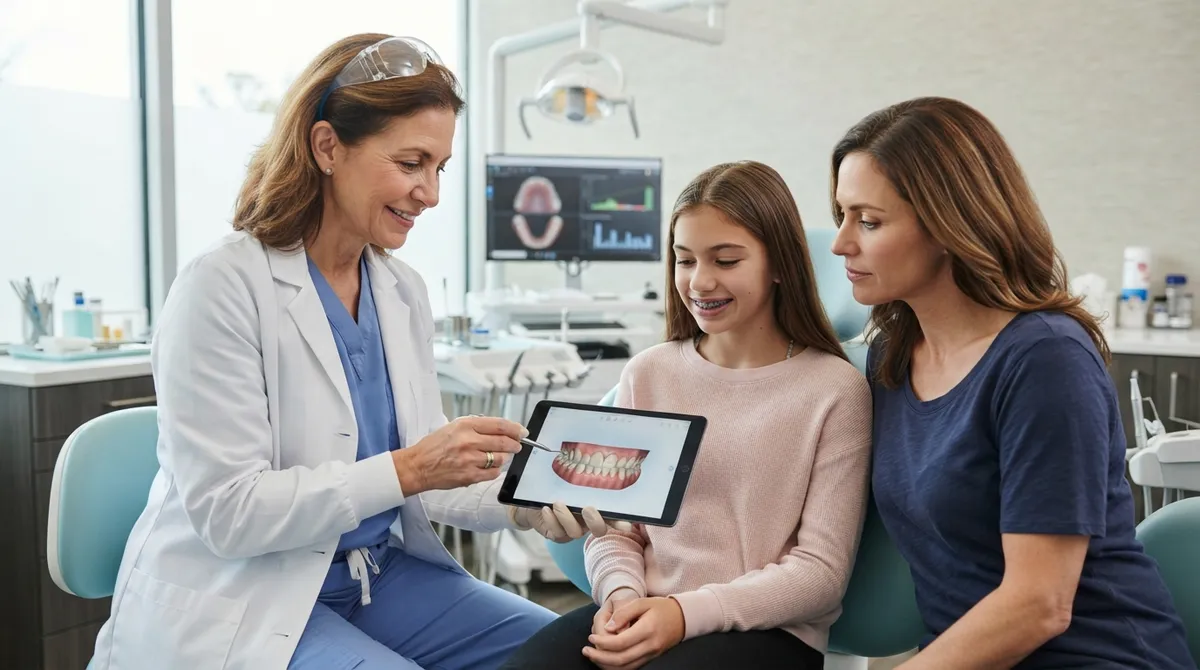
In orthodontic care, an orthodontist expert is generally a dentist who has completed extra, accredited specialty training in orthodontics and dentofacial orthopedics. That is a mouthful, but it simply means they focus on how your teeth, bite, and jaws line up and grow.
The word “expert” itself is not a standardized credential. It is a descriptive phrase people use when they want a provider who truly specializes in straightening teeth and fixing bites. So the real question is not “does this person call themselves an expert?” It is “what training and experience stand behind the title?”
A trained orthodontist focuses on:
- Preventing, diagnosing, and treating tooth alignment problems
- Correcting bite issues like overbites, underbites, and crossbites
- Guiding jaw and facial development, especially in growing kids
- Planning and supervising your treatment from start to finish
- Checking long-term stability so your results last
If you want a deeper look at the day-to-day role, our guide on what an orthodontist actually does for your smile is a great next read.
The Training Path: How Orthodontists Become Specialists
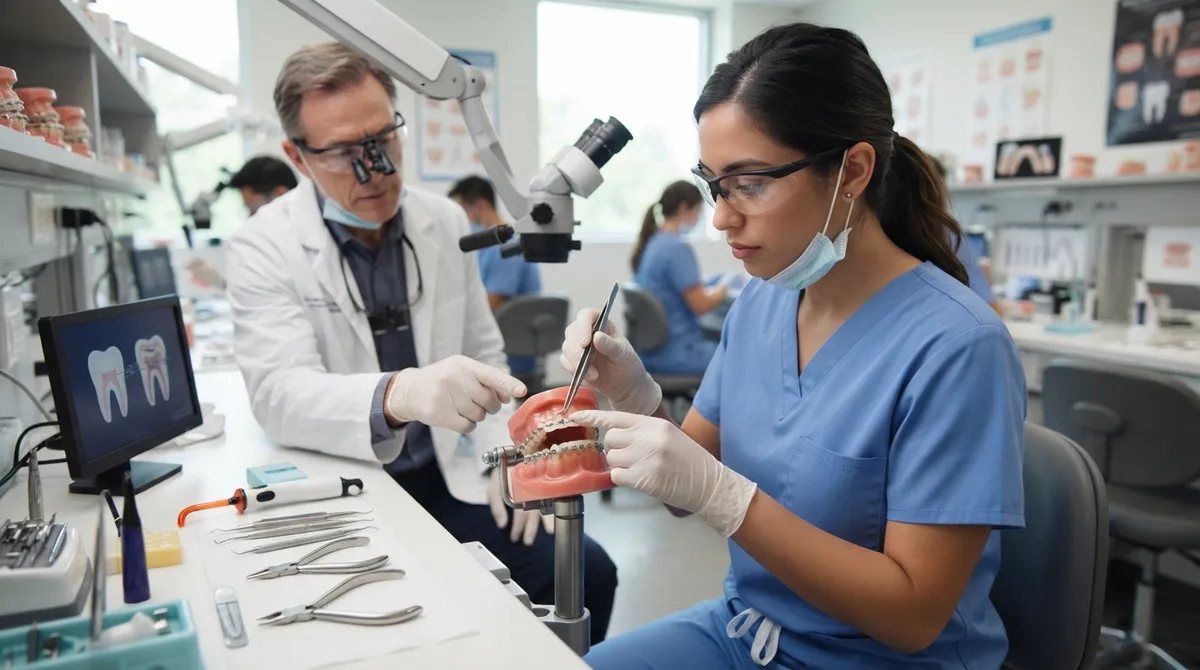
Real expertise starts with real education. Here is the typical path, step by step:
- Earn a dental degree. Every orthodontist first becomes a dentist by earning a DDS or DMD.
- Complete an orthodontic residency. The American Association of Orthodontists describes the specialty program as typically two to three years at an accredited program.
- Gain hands-on clinical experience. During residency, they treat many different cases, from simple crowding to complex jaw issues.
- Optionally pursue board certification. This is a voluntary extra step that we will cover in a moment.
Here is a fun number to put that in perspective: the AAO reports that only about 6% of dental-school graduates go on to complete an accredited orthodontic residency. That extra training is a big deal, and it is what separates a specialist from a general provider who happens to offer some orthodontic services.
Orthodontist vs. Dentist: What Is the Difference?
This question comes up all the time, and it is a good one. Both are wonderful professionals, but they focus on different things.
| Feature | General Dentist | Orthodontist |
|---|---|---|
| Main focus | Overall oral health, cleanings, fillings | Tooth, bite, and jaw alignment |
| Extra training | Not required for orthodontics | 2–3 year accredited residency |
| Typical treatments | Exams, cavities, crowns | Braces, clear aligners, retainers, appliances |
| Best for | Routine checkups and dental repairs | Straightening teeth and correcting bites |
A general dentist may provide some orthodontic services where permitted. But offering braces or aligners does not, by itself, make someone an orthodontist. The key detail is whether they completed an accredited orthodontic residency. If you want to dig deeper, we break it all down in orthodontist vs dentist: who should you see for your smile.
Board Certification: Nice to Have, Not Required
Here is where people sometimes get tripped up. Completing specialty training and being board certified are two different things.
Board certification through the American Board of Orthodontics is voluntary. The ABO describes certification as requiring both written and clinical examinations, plus renewal requirements to keep certified status. In other words, a board-certified orthodontist has gone the extra mile to have their skills reviewed by their peers and has committed to staying current.
That does not mean an orthodontist without certification is unqualified. It just means certification is one more helpful signal of dedication. At Segovia Orthodontics, Dr. Flor Segovia is a board-certified orthodontist, and you can learn more about her background on the Dr. Flor Segovia page.
7 Things to Check When Choosing an Orthodontist Expert
Ready for the practical part? Here is a simple checklist you can use at a consultation. You do not need to be an insider to ask these questions, and a great orthodontist will welcome them.
- Confirm specialty education. Ask whether they completed an accredited orthodontic residency.
- Ask about board certification. It is optional, but it is a nice sign of commitment.
- Find out who plans and supervises your care. You want the orthodontist directly involved, not just handing you off.
- Discuss all your options. A good provider explains braces, clear aligners, and other appliances, along with pros, cons, and risks.
- Ask about experience with cases like yours. Whether it is a teen with crowding or an adult with relapse, fit matters.
- Look at technology and approach. Modern digital planning can make treatment more precise and comfortable.
- Check for a comfortable, supportive environment. You will visit often, so you should feel welcome.
You can also look for AAO membership, since the association says it admits educationally qualified orthodontists. And if you want a printable list of conversation starters, our post on how to ask the right orthodontic questions at your visit has you covered.
Treatments an Orthodontist Expert Can Offer
Many people think orthodontists only do braces. In reality, the right treatment depends on your diagnosis, age, oral health, and goals. Here are common options:
- Traditional metal braces: Reliable and effective for many cases, including complex ones. See why they are still a top choice.
- Clear braces and clear aligners: A more discreet way to straighten teeth, popular with adults and professionals. Explore our clear aligners.
- Custom braces systems: Digitally designed brackets that can speed up treatment and improve comfort.
- Early treatment for kids: Guiding growth and preventing bigger problems later.
- Retainers: The unsung heroes that keep your results in place for the long haul.
At Segovia Orthodontics at Lakewood Ranch, patients can choose from options like LightForce braces, which use 3D-printed, custom-fitted brackets, and WildSmiles braces that make treatment fun for kids with playful bracket shapes. There are also Angel Aligners, which use a clear, removable tray system and a “7+3” wear schedule designed to keep treatment moving efficiently.
What Different Patients Should Look For
The “best” orthodontist expert looks a little different depending on who is sitting in the chair. Here are a few quick snapshots.
If You Are a Parent
You are juggling school pickups, sports, and work, so convenience counts. Look for a practice that explains things clearly to your child and offers flexible scheduling. Many experts suggest an early check around age seven, and our guide to the first orthodontic visit shows what to expect. For teens, check out teen orthodontic treatment options that fit busy lifestyles.
If You Are a Busy Adult
You want results that do not get in the way of meetings, photos, or your career. Discreet options and efficient treatment planning matter most. Learn more about adult orthodontics, and if you are comparing choices, our braces vs. clear aligners breakdown can help.
If You Are Planning for a Big Event
Graduation, a wedding, a new job: timelines matter. Ask any orthodontist how long your treatment is likely to take and what is realistic before your date. Honest answers are a mark of a trustworthy provider.
If You Had Braces Before
Teeth can shift when retainers are not worn as directed. The good news is that relapse is often very fixable. A skilled orthodontist can evaluate what changed and recommend a plan, often simpler than your first round of treatment.
Red Flags and Green Flags
Not sure how to size up a practice? Here is a quick comparison to keep in your back pocket.
| Green Flags | Red Flags |
|---|---|
| Clear explanation of their specialty training | Vague answers about credentials |
| Multiple treatment options discussed | One-size-fits-all pitch |
| Transparent costs and financing talk | Pressure to sign up on the spot |
| Orthodontist directly involved in your plan | Unclear who supervises your care |
| Welcoming, patient-focused office | Rushed, impersonal visits |
If you want even more guidance, take a look at these 7 mistakes to avoid when choosing orthodontic services.
Let’s Talk About Cost Without the Stress
Money questions are totally normal, and a great practice will talk about them openly. Treatment cost depends on your needs, the type of appliance, and the length of care. Many families find that flexible plans make treatment feel much more manageable.
If budgeting is on your mind, our resources on orthodontic financing and smart ways to make financing work for you can help you plan ahead.
A Little Perspective on the Profession
Just for context, the U.S. Bureau of Labor Statistics reported roughly 7,100 orthodontist jobs in 2025. That is a small, specialized group, which is another reminder of how focused this field is. Keep in mind that this is an employment estimate, not a count of openings or a measure of any one provider’s quality.
Why Local Matters in Lakewood Ranch
Choosing someone close to home makes everything easier, from regular adjustments to quick fixes. If you are searching in our area, our guide to finding the right orthodontist in Lakewood Ranch walks through what to consider, and you can read about why families choose Segovia Orthodontics.
Segovia Orthodontics at Lakewood Ranch provides personalized treatment for all ages in a comfortable, family-friendly setting. Dr. Segovia offers bilingual care in English and Spanish, and the team focuses on making every visit feel supportive rather than stressful. Curious how other patients feel? You can visit us on Google — Segovia Orthodontics to see what our Lakewood Ranch community says, or follow along on our Instagram page and our Facebook page for smile stories and updates.
Your Next Step Toward a Confident Smile
So, what makes an orthodontist expert? It comes down to accredited specialty training, honest communication, a treatment plan built around you, and, if you want extra reassurance, board certification. You do not need a fancy title to feel confident. You just need the right questions and a team that welcomes them.
Ready to meet an orthodontist who will walk you through every step? Request an appointment at Segovia Orthodontics, or call us at 941-557-1333 to chat with our friendly team. Your best smile is closer than you think.
FAQs
Q: What is an orthodontist expert?
A: An orthodontist expert is generally a dentist who has completed accredited specialty training in orthodontics and dentofacial orthopedics. “Expert” isn’t an official credential, so it’s smart to ask about a provider’s training and experience.
Q: How can I verify that a provider is a trained orthodontist?
A: Just ask whether they completed an accredited orthodontic residency, which typically takes two to three years after dental school. You can also check for AAO membership and ask whether they hold optional ABO board certification.
Q: What does ABO board certification mean, and is it required?
A: Board certification through the American Board of Orthodontics is voluntary. It involves written and clinical exams plus renewal requirements, so it’s a nice extra sign of commitment, but it isn’t required to practice as an orthodontist.
Q: When should a child first see an orthodontist?
A: Many experts suggest a first check around age seven, since an orthodontist can spot growth and bite concerns early. Early visits don’t always mean early treatment. Sometimes it’s simply a friendly look to see if your child needs a plan down the road.
Q: What treatments can an orthodontist provide besides braces?
A: Orthodontists also offer clear aligners, retainers, and other appliances to guide growth and correct bites. The best option depends on your diagnosis, age, oral health, and goals, so a personal evaluation is the way to go.
Our Service Area