Key Takeaways
-
The actual braces placement procedure takes only 1-2 hours, but overall treatment typically lasts 12-24 months depending on tooth severity, bite issues, age, and consistency with appointments.
-
Mild soreness lasting only a few days after placement can be managed with over-the-counter pain relievers, soft foods, salt water rinses, orthodontic wax, and cold compresses.
-
Wearing a retainer consistently after braces are removed is essential to prevent teeth from shifting back, especially in the first year when relapse is most likely.
-
Avoid hard, sticky, crunchy, and chewy foods like nuts, caramel, popcorn, and gum as they can damage brackets or bend wires and extend treatment time.
-
Different brace options exist for different needs: traditional metal for complex cases, WildSmiles for excited kids, LightForce for 45% faster digital precision, and Angel Aligners for discreet professional use.
-
Regular adjustment visits every 4-12 weeks take only 15-30 minutes and are crucial for monitoring tooth movement, tightening wires, and addressing any bracket issues.
So you’ve decided it’s time. Maybe your family dentist mentioned it at your last checkup, or maybe you’ve been staring at your smile in the mirror wondering if now’s the moment. Whatever brought you here, getting braces is a big step, and it’s totally normal to have a hundred questions swirling in your head. Will it hurt? How long will this take? What can you even eat anymore? Take a breath, friend. We’re going to walk through the entire journey together, step by step, so you know exactly what to expect.
Whether you’re a mom trying to figure out timing around soccer practice, a young professional dreaming of a straighter smile before your next big presentation, or someone getting a second chance after your teeth shifted back over the years, this guide is for you. At Segovia Orthodontics in Lakewood Ranch, we’ve helped patients of every age and background feel confident about their treatment. Let’s get into it.
The Six Stages of Getting Braces
Getting braces isn’t just one appointment where wires magically appear on your teeth. It’s a process with clear stages, each one building toward your finished smile. Understanding this roadmap makes the whole thing feel a lot less mysterious.
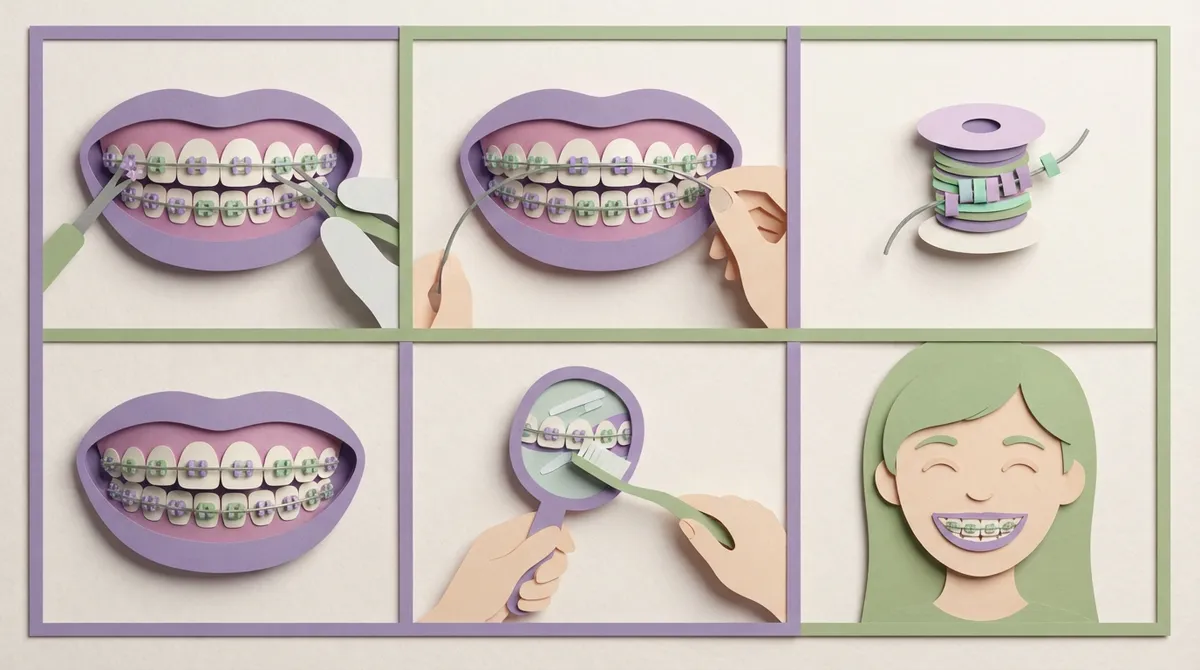
- Initial consultation: You meet with an orthodontist who examines your teeth, bite, and jaw alignment.
- Treatment planning: X-rays, photos, and molds are used to build a custom plan just for you.
- Placement: Brackets and wires are bonded to your teeth in a single visit.
- Adjustments: Regular visits every few weeks keep your teeth moving in the right direction.
- Removal: Once your teeth are properly aligned, the braces come off.
- Retention: A retainer keeps your new smile exactly where it belongs.
Most patients need just one or two consultation visits before the actual placement happens, so things move along faster than you might think. If you’re curious about what that very first meeting looks like, check out our page on your first orthodontic visit for a full breakdown.
How Long Does It Take to Get Braces Put On?
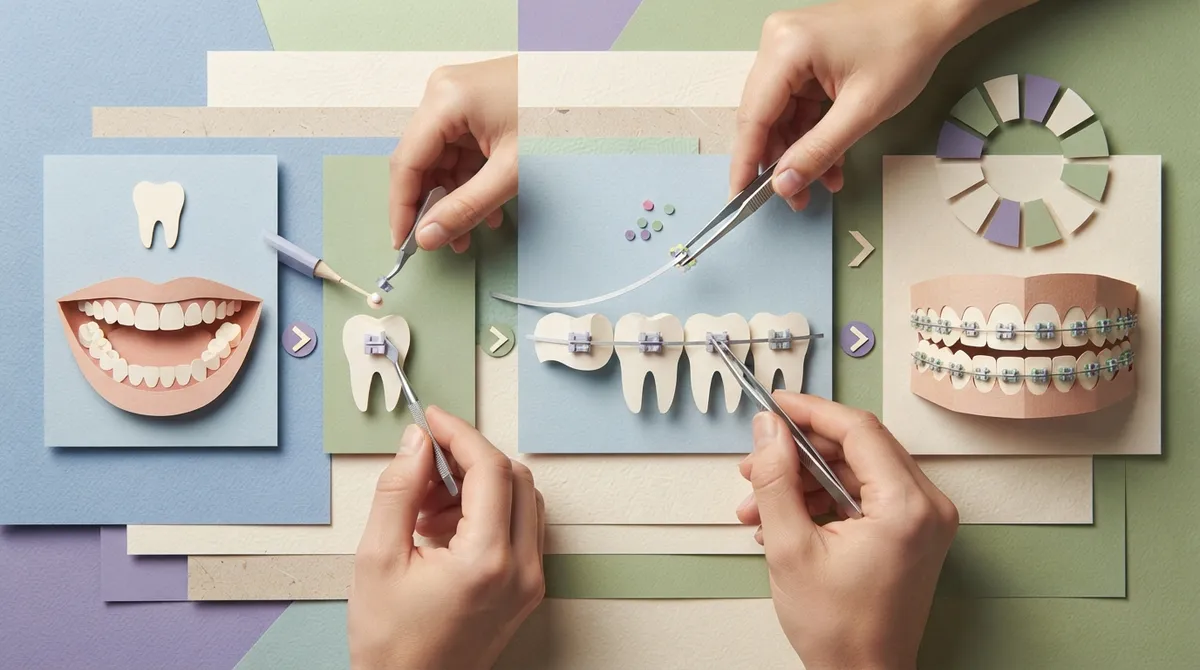
Here’s some good news: the actual placement procedure only takes about 1 to 2 hours. You’ll be in and out in an afternoon, and most people are surprised at how quick and painless it feels. The orthodontist carefully bonds each bracket to your teeth, then threads the wire through to connect everything.
Once your braces are on, the real work begins. Treatment typically lasts between 12 and 24 months, though this varies quite a bit depending on your specific needs. Minor corrections might wrap up in just a few months, while more complex bite or jaw issues could take a couple of years to fully resolve.
What Determines Your Treatment Timeline?
Several factors influence how long you’ll be wearing braces. Knowing these can help set realistic expectations from day one.
- The severity of crowding or spacing between your teeth
- Whether you have a bite issue like an overbite, underbite, or crossbite
- Your age and how quickly your teeth respond to movement
- How consistently you wear rubber bands or other appliances if prescribed
- Your commitment to attending adjustment appointments on schedule
Adults sometimes take a bit longer than teens because bone density changes with age, but that doesn’t mean the results are any less rewarding. If you’re an adult considering treatment, our adult orthodontics page covers everything you need to know.
Choosing the Right Type of Braces for Your Lifestyle
Not all braces look or feel the same, and picking the right option can make your treatment experience so much more enjoyable. Here’s a quick comparison to help you understand your choices.
| Treatment Option | Best For | Key Benefit |
|---|---|---|
| Traditional Metal Braces | Kids, teens, complex cases | Durable, effective for all bite issues |
| WildSmiles Braces | Kids and fun-loving teens | Custom fun shapes like stars and hearts |
| LightForce Braces | Anyone wanting precision and speed | Fully digital, up to 45% faster treatment |
| Angel Aligners | Adults and professionals | Nearly invisible, budget-friendly |
For kids who might be nervous about getting braces, WildSmiles Braces turn treatment into something exciting. Instead of plain metal brackets, kids can choose from fun shapes like Super-Star, Flower-Power, Baller, Wild-Hearts, Footballer, and Super-Diamond. Disney fans especially love the Mickey Mouse bracket option, paired with elastics inspired by Frozen and Finding Nemo. When kids are excited about their braces, they’re way more likely to brush well and follow the rules, which honestly makes every parent’s life easier.
For teens and adults who want a faster, more precise experience, LightForce Orthodontics is worth exploring. It’s the first fully digital braces system, using 3D printing to create brackets custom-fitted to your exact tooth structure. Dr. Segovia can make real-time adjustments on a digital model, and custom appliances arrive in under two weeks. Many patients see treatment times shortened by up to 45 percent compared to traditional methods.
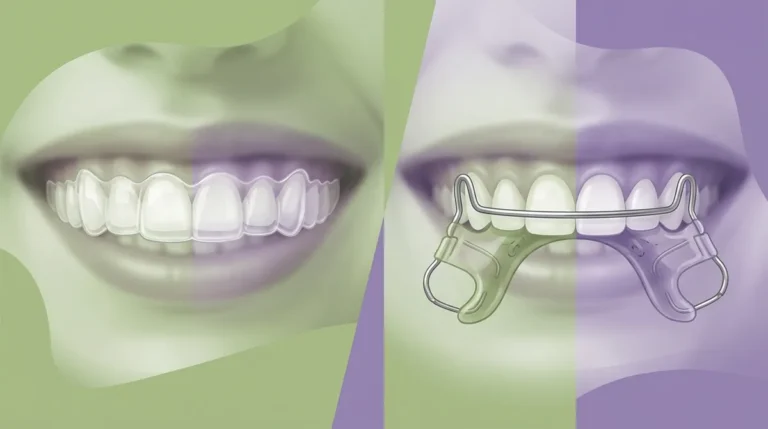
And if discretion is your top priority, Angel Aligners offer a clear, removable option using a unique 7+3 wear schedule that speeds up tooth movement. They’re often more budget-friendly than premium aligner brands while still using advanced 3D digital planning. For a deeper dive into all your options, browse our types of braces guide.
What Happens During Your Adjustment Visits
After your braces are placed, you’ll come back for regular adjustments every 4 to 12 weeks. These visits are quick, usually just 15 to 30 minutes, and they’re how your orthodontist keeps your treatment on track.
- Your orthodontist checks how your teeth have shifted since the last visit
- Wires may be tightened or swapped for a different thickness
- Rubber bands or other attachments might be added or changed
- Your bite and overall progress are reassessed
- Any concerns like loose brackets are addressed on the spot
These appointments are honestly pretty routine once you get into the rhythm of them. Many of our patients at Segovia Orthodontics schedule adjustments around school or work, and we do our best to offer flexible times that fit busy family calendars.
Does Getting Braces Hurt?
Let’s address the elephant in the room. Yes, there’s some soreness, but it’s much milder and shorter-lived than most people expect. Most patients feel general discomfort for just a few days after placement or after an adjustment.
Here are some simple ways to manage any soreness:
- Take an over-the-counter pain reliever like Advil or Motrin if needed
- Eat soft foods like yogurt, mashed potatoes, and smoothies for the first few days
- Rinse with warm salt water to soothe irritated gums
- Apply orthodontic wax over brackets that rub against your cheeks
- Use a cold compress on your jaw if you feel general achiness
The good news is that your mouth adjusts quickly. By the second week, most patients barely notice their braces are there at all.
Caring for Your Braces: Food and Hygiene Rules
This is the part that trips people up the most, especially teenagers who suddenly can’t eat their favorite snacks. But once you get the hang of it, avoiding certain foods becomes second nature.
Foods to Avoid With Braces
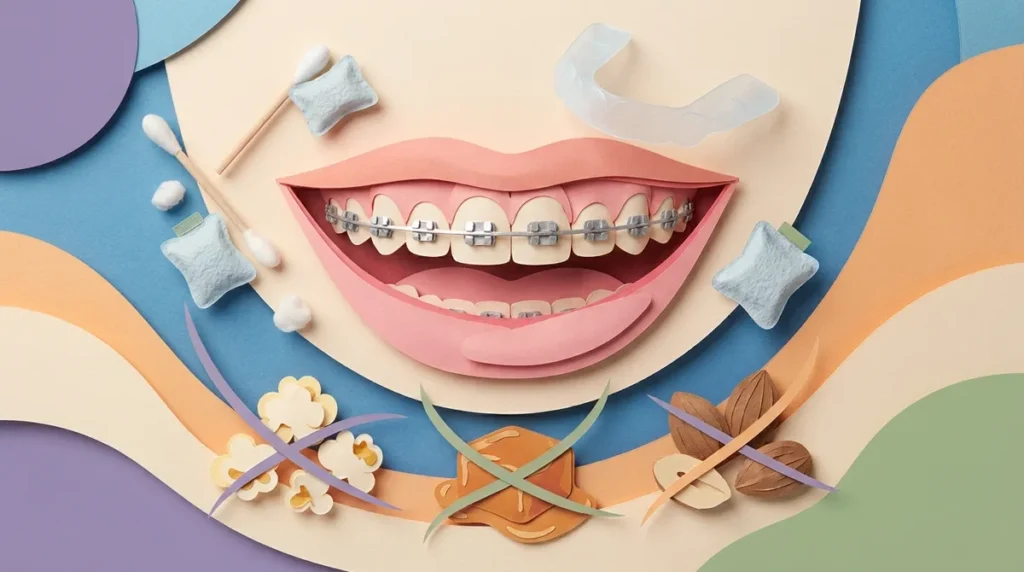
- Hard foods like nuts, hard candy, and ice
- Sticky or chewy foods like caramel and taffy
- Crunchy foods like pretzels, popcorn, and chips
- Gum of any kind
- Whole apples or carrots (cut them into small pieces instead)
Breaking these rules can damage brackets or bend wires, which unfortunately extends your treatment time. Nobody wants that, so it’s worth the temporary sacrifice.
Brushing and Flossing With Braces
You’ll need to brush twice daily for about two minutes, paying close attention to the area around each bracket. Flossing takes a little more effort with braces in the picture, but a floss threader or water flosser can make it much easier. Skipping this step can lead to cavities, gum disease, or permanent white spots on your teeth once the braces come off.
Fun fact: with WildSmiles Braces, the unique bracket shapes actually help you brush better. If you can clearly see the shape after brushing, that’s your sign you did a thorough job. It’s a clever built-in reminder for kids and adults alike.
Life After Braces: Removal and Retention
The day your braces come off is a huge milestone, and it usually takes less time than the placement appointment. But the journey isn’t quite finished yet. Your teeth still need help staying in their new positions.
That’s where orthodontic retainers come in. Wearing your retainer as directed is absolutely essential, especially in the first year after treatment when teeth are most likely to shift back. Many adult patients who skip this step end up needing braces again later in life, which is completely avoidable with consistent retainer use.
If you’re planning teeth whitening after your braces come off, dentists generally recommend waiting about six months. This gives your enamel time to stabilize after the bonding process.
Special Considerations for Different Patients
For Busy Parents
Juggling school schedules, sports, and everything else on your plate is hard enough without adding orthodontic appointments into the mix. Look for a practice that offers flexible scheduling and treats your child with patience and encouragement. Early evaluation matters too, since catching issues young can sometimes shorten overall treatment time.
For Young Professionals
If visible metal brackets make you nervous about client meetings or job interviews, clear aligner options like Angel Aligners might be your best bet. They’re discreet, comfortable, and fit into a professional lifestyle without drawing attention.
For Adults Returning After Relapse
If your teeth shifted after previous treatment years ago, you’re definitely not alone. This is incredibly common, and the good news is that adult patients tend to be highly motivated and consistent with their treatment plan the second time around.
Why Choosing an Experienced Orthodontist Matters
Not every dental provider has the specialized training needed for complex tooth movement and bite correction. Working with a board certified orthodontist ensures you’re getting care backed by advanced training beyond dental school. Dr. Flor Segovia stays current with the latest techniques and technology, offering bilingual care in both English and Spanish so every family feels comfortable and understood.
According to the American Board of Orthodontics, board certification represents a commitment to ongoing education and the highest standards of patient care. That’s exactly the kind of expertise you want guiding your smile transformation.
Curious what other Lakewood Ranch families think about their experience? You can visit us on Google — Segovia Orthodontics to read real patient reviews, or follow along with smile transformations on our Facebook page and our Instagram page.
Quick Checklist Before You Get Braces
Feeling ready to take the next step? Here’s a simple checklist to prepare for your upcoming treatment.
- Schedule a consultation to discuss your goals and concerns
- Ask about financing options that fit your budget
- Stock your kitchen with soft foods for the first week
- Buy orthodontic wax and a travel dental kit
- Mark your calendar for regular adjustment visits
If cost is a concern, know that flexible plans exist to make treatment accessible for every family. Our orthodontic financing page walks through the options available at our Lakewood Ranch practice.
Ready to Start Your Smile Journey?
Getting braces is one of those decisions that feels big at first but quickly becomes just a normal part of your routine. Within a few weeks, you’ll barely think twice about your brackets and wires, and you’ll be counting down the months until your big reveal. Whether you’re a parent bringing in your child for the first time, a professional exploring discreet aligners, or an adult ready to fix a smile that shifted years ago, our team at Segovia Orthodontics is here to guide you every step of the way.
Ready to get started? Request an appointment today, or feel free to call us at 941-557-1333 with any questions. We can’t wait to help you build the confident, healthy smile you deserve.
FAQs
Q: How long does it take to get braces put on?
A: The actual placement appointment usually takes just 1 to 2 hours, so you’ll be done in an afternoon! Your orthodontist bonds each bracket carefully and threads the wire through, and before you know it, you’re on your way home with your new smile journey underway.
Q: What foods should I avoid after getting braces?
A: You’ll want to steer clear of hard, sticky, crunchy, and chewy foods like nuts, caramel, popcorn, and gum, since they can damage brackets or bend wires. Stick to soft foods for the first few days after placement, then gradually reintroduce your favorites while avoiding the troublemakers on the list.
Q: Do braces hurt when they are first put on?
A: There’s usually some mild soreness for the first few days, but it’s totally manageable and much less scary than it sounds. A regular pain reliever, soft foods, and a little patience will have you feeling completely normal again in no time.
Q: How often do I need braces adjustments?
A: Most patients come in every 4 to 12 weeks for adjustments, depending on how your treatment plan is progressing. These visits are quick, usually just 15 to 30 minutes, and they’re a great chance to check in on your progress and ask any questions.
Q: What happens after braces are removed?
A: Once your braces come off, you’ll move into the retention phase, which means wearing a custom retainer to keep your teeth from shifting back. This step is just as important as the braces themselves, so stick with it and your smile will stay picture-perfect for years to come!
Our Service Area